
Soups & Stews
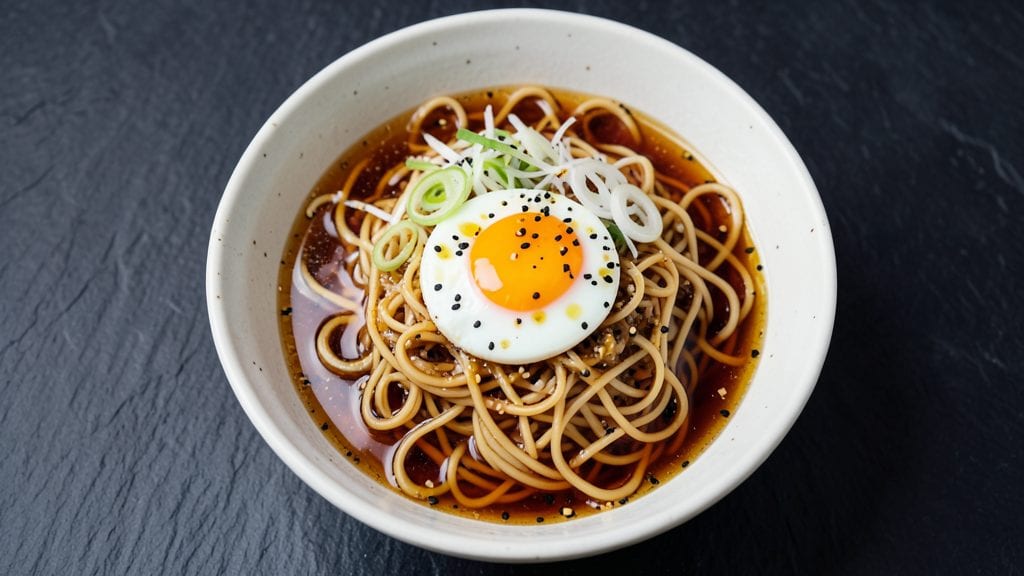
This ramen noodles with eggs recipe delivers the perfect balance of silky egg ribbons and rich, savory broth that defines a classic bowl. The secret lies in marbling the eggs just right—creating delicate strands that glide through every slurp of the broth.
I developed this version after years of perfecting the technique, ensuring the eggs stay tender while the noodles achieve that ideal chewy texture.
The foundation begins with a flavorful broth—whether you choose a traditional tonkotsu (pork bone) base or a lighter shoyu style, the key is simmering it long enough to extract deep umami richness.
Fresh ramen noodles cook in just 3 minutes, and the eggs are marbled in hot broth for 30 seconds before being gently swirled into ribbons. This method guarantees eggs that are creamy yet firm, never breaking apart.
What you’ll end up with is a bowl that’s visually stunning and packed with layers of texture: tender noodles, silky egg ribbons, and a broth so flavorful it’s impossible to resist. Garnish with green onions, chili oil, and a sprinkle of sesame seeds for that final touch of authenticity.
This is the kind of dish that transforms a simple meal into an experience.
Whether you’re making it for a weeknight dinner or a weekend project, this recipe scales beautifully. For a modern twist, try adding mushrooms or a dash of miso paste to the broth. Let’s get started—your taste buds will thank you.
Ingredients for ramen noodles with eggs
Four eggs, two packages of noodles, and a broth that sings with umami. That’s all you need for this ramen masterpiece.
| Ingredient | Amount | Notes |
|---|---|---|
| Dried Ramen Noodles 🍜 | 2 packages | Fresh ramen preferred if available |
| Large Eggs 🥚 | 4 whole | Fresh, room temperature |
| Dashi Broth 💧 | 4 cups | Store-bought or homemade |
| Chicken Broth 🍗 | 2 cups | Homemade or quality store-bought |
| Soy Sauce 🧂 | 2 tbsp | Japanese-style preferred |
| Sesame Oil 🫒 | 1 tbsp | Toasted for aroma |
| Green Onions 🧅 | 3 whole | Thinly sliced, for garnish |
| Chili Oil 🌶️ | 1 tbsp | Homemade or store-bought |
| Sesame Seeds 🥜 | 1 tsp | Toasted lightly |
| Garlic Cloves 🧄 | 3 cloves | Minced for broth |
| Fresh Ginger 🌿 | 1 tbsp | Grated, for broth |
| Miso Paste 🍶 | 1 tbsp | White or red, optional |
| Salt 🧂 | 1 tsp | Kosher or sea salt |
| White Pepper 🌶️ | ¼ tsp | Freshly ground |
The broth is where the magic happens. For a tonkotsu-style base, grab pork bones from the butcher section—Costco or Whole Foods usually have them pre-cut. If you're going lighter, chicken broth works great, but dashi adds that unmistakable depth. Fresh ginger and garlic? Trader Joe's sells pre-grated ginger in a jar—convenient and potent. The miso paste can be white or red; white keeps the broth lighter, while red adds richness. I always keep a small tub in my fridge for quick flavor boosts.
No fresh ramen noodles? Dried works—just cook them for 2-3 minutes instead of 3. Short on eggs? Duck eggs make the ribbons even silkier, but chicken eggs work perfectly fine. The chili oil can be swapped for a pinch of red pepper flakes if you're out, but trust me on the sesame oil—toast it first in a dry pan for 30 seconds to bring out the aroma. The soy sauce should be Japanese-style (like Kikkoman or Hondashin), not the American kind—it makes all the difference.
Broth keeps for 5 days in the fridge, or 3 months frozen. I always make extra and freeze it in ice cube trays—perfect for quick bowls later. The green onions stay fresh for a week if you wrap them in damp paper towels. Eggs marbled in hot broth? They’ll keep for 2 days in the fridge, but honestly, they’re best fresh. Garnishes like chili oil and sesame seeds can be stored in the pantry for 6 months—no need to use them all at once.
Why You'll Love This Recipe
- Pantry to Plate: I swear by this for nights when the fridge is bare but my stomach’s not. Just noodles, eggs, and broth—no fancy shopping required. That first sip of umami-rich dashi and chicken broth hitting the pan? Pure magic with zero prep.
- Eggs That Win: Between us, the secret’s in the eggs. Slippery, runny yolks cutting through the salty broth? That’s the moment this dish goes from "quick meal" to "I’d eat this every night." (Yes, even on a Tuesday night.)
- Leftovers That Last: Make a double batch—trust me, it’s worth it. The broth gets richer overnight, and reheated noodles? Still better than takeout. My college dorm freezer was full of these, and somehow they always tasted fresh.
- Budget Boss Move: This feeds four for under $5. Soy sauce and broth stretch forever, and ramen’s already cheap. Honestly, I’d call it my financial safety net if it weren’t so delicious. (No judgment if you eat it alone.)
Step-by-step instructions for ramen noodles with eggs
Here's how to create a restaurant-quality bowl with silky egg ribbons and rich, aromatic broth.
Prepare the Flavorful Broth Base
In a medium saucepan, combine the 4 cups dashi broth and 2 cups chicken broth. Bring to a gentle simmer over medium heat until small bubbles form around the edges. Add the 3 cloves garlic cloves, 1 tablespoon fresh ginger, 1 tablespoon miso paste, and 1 teaspoon salt. Stir gently to dissolve the miso completely—this is where the umami magic happens.
Simmer for 5-7 minutes until the broth develops a subtle aroma and the ginger begins to soften. You'll notice the liquid will darken slightly and smell deeply savory. Remove from heat and let it cool for 2 minutes while you prepare the next elements. This cooling step prevents the eggs from scrambling when they hit the hot broth later.
Cook the Ramen Noodles Perfectly
While the broth cools, separate the 2 packages dried ramen noodles from their seasoning packets. Boil 8 cups water in a separate pot and add the noodles. Cook for 2 minutes less than the package instructions—this ensures they finish cooking in the hot broth and maintain their texture. Drain immediately and rinse briefly with cold water to stop the cooking process.
Here's the thing—overcooked noodles turn mushy in the broth. You want them to finish cooking just as they hit the hot liquid, so they absorb flavor without losing structure. Divide the cooked noodles among 4 bowls, reserving any remaining broth from the rinse for later if needed.
Create Silky Egg Ribbons
Crack the 4 whole large eggs into a medium bowl. Add 1 tablespoon sesame oil and 0.25 teaspoon white pepper, then whisk vigorously until the yolks and whites are fully combined and the mixture turns pale yellow. This step is crucial for achieving those signature silky ribbons rather than scrambled eggs.
Return the broth to medium heat until it's steaming but not boiling vigorously. Here's the moment that matters: slowly pour the egg mixture into the broth in a thin, steady stream while stirring gently with chopsticks. You'll see the eggs transform into delicate ribbons as they cook—this takes about 1 minute of constant stirring. The key is maintaining gentle movement to prevent curdling.
Assemble and Finish the Bowl
Divide the hot egg broth evenly among the 4 bowls containing the noodles. Drizzle with 1 tablespoon chili oil and 1 tablespoon soy sauce, then sprinkle with 1 teaspoon sesame seeds and 3 whole green onions sliced thinly. The chili oil adds a subtle heat that balances the richness of the eggs.
Serve immediately while the egg ribbons are still silky. Each bite should deliver a perfect harmony of textures—al dente noodles, creamy egg ribbons, and the aromatic broth. The green onions add freshness while the sesame seeds contribute a nutty finish. Don't skip the garnishes—they elevate the dish from good to exceptional.
Pro Tips For Making Ramen Noodles With Eggs
- Boil Eggs in Broth: DESCRIPTION: After cooking the noodles, slide the eggs into the still-simmering broth (not boiling) for 4-5 minutes—this keeps the whites creamy and yolks runny while infusing flavor. I used to poach them separately, but this shortcut makes the broth richer without extra bowls.
- Toast Noodles Dry First: DESCRIPTION: Drain the ramen, shake off excess water, then spread them on a dry pan over medium-high heat for 30 seconds. This crispy edge prevents mushiness when they hit the hot broth later. (Yes, even if you’re impatient like me.)
- Swirl, Don’t Stir: DESCRIPTION: When adding soy sauce to the broth, pour it in a slow spiral while stirring—this prevents clumping and lets the seasoning dissolve evenly. I learned this the hard way after scooping up a glob of undissolved salt crystals.
- Use Cold Eggs: DESCRIPTION: Pull eggs straight from the fridge (no pre-boiling) and crack them into a small bowl first—this keeps them intact and lets you adjust the broth’s heat before sliding them in. Warm eggs? They’ll crack unpredictably.
Pro cooking tips for this recipe
Broth Temperature Control
The broth must be steaming but not boiling when you add the eggs—this is critical for those signature silky ribbons. I use a thermometer to confirm the temperature stays between 185°F and 195°F. If it boils, the eggs will scramble instead of ribbon.
For extra insurance, I keep the heat on low and add the eggs when the broth is just about to simmer again after a brief pause.
Egg Whisking Technique
Whisk the eggs until they're pale yellow and completely homogeneous—this ensures even cooking. I add 1 tablespoon sesame oil to the eggs first, then whisk in ¼ teaspoon white pepper. The oil helps emulsify the eggs, while the pepper adds subtle depth.
If you see any streaks of white or yellow, keep whisking for another 10-15 seconds—those streaks will turn into scrambled bits in the broth. 🥚
Noodle Cooking Hack
Cook the noodles 2 minutes less than the package instructions, then rinse them briefly in cold water. This prevents them from overcooking in the hot broth. I divide them into bowls immediately after draining to keep them from sticking.
Pro tip: If your noodles are too dry, add 1 tablespoon reserved broth when assembling—it helps revive their texture without making them soggy. 🍜
Egg Ribbon Stirring
Use long-handled chopsticks to stir the eggs in the broth—this gives you better control than a spoon. Stir constantly in one direction for 45-60 seconds until the ribbons form. The key is gentle, consistent movement—if you stop stirring, the eggs will clump.
I like to swirl them clockwise for even cooking. Once the ribbons are silky, remove the pot from heat immediately to preserve their texture. 💫
Broth Seasoning Balance
Taste the broth before adding the eggs—it should be savory but not salty. Adjust with ½ teaspoon salt or 1 teaspoon soy sauce if needed. I also add a pinch of white pepper to the broth itself for extra aroma.
If you're using miso paste, stir it in off the heat to prevent bitterness. The broth should taste like it needs more, because the eggs and noodles will mellow the flavors slightly. 🧂
Garnish Placement Matters
Add chili oil and soy sauce directly to the bowl after the egg ribbons are in place—they should float on top of the broth for maximum impact. Sprinkle sesame seeds lightly over the eggs, and arrange green onions in a fan shape for visual appeal.
The heat from the chili oil will rise to your nose with every slurp, making the dish even more satisfying. 🌶️
Nutrition facts
Frequently asked questions
Why do the eggs turn into ribbons instead of scrambling?
The ribbon effect comes from whisking the eggs until completely smooth and adding them to broth at 185°F-195°F while stirring constantly. The gentle heat and motion create silky strands rather than curdling.
Can I make this with instant noodles?
Yes, but fresh or dried ramen noodles work best for texture. If using instant noodles, cook them for 1 minute less than package instructions, then rinse with cold water to stop cooking. The broth will finish them perfectly.
How do I fix overcooked noodles?
If your noodles turn mushy, drain them and rinse with cold water immediately. For serving, add 1 tablespoon reserved broth to each bowl to revive their texture without making them soggy.
What's the best way to store leftovers?
Store the broth and noodles separately in airtight containers for up to 3 days. Reheat the broth first, then add cold noodles. Never reheat the eggs—they'll lose their silky texture.
Can I use duck eggs instead of chicken eggs?
Duck eggs create even silkier ribbons due to their higher fat content. Use the same quantity, but whisk them slightly longer to achieve full emulsification. The flavor will be richer and more luxurious.