
Soups & Stews
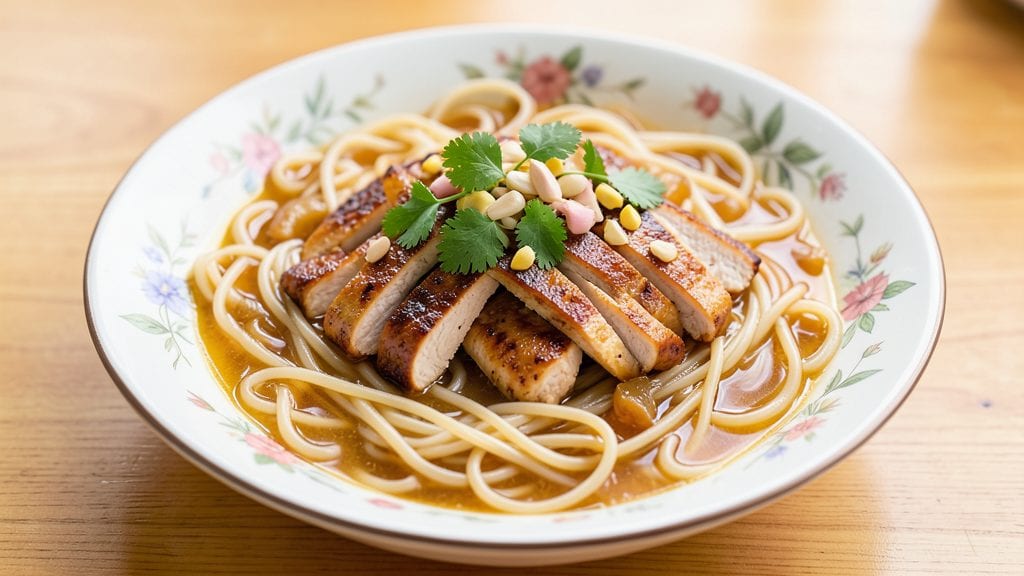
This vermicelli soup recipe delivers restaurant-quality noodles in just 20 minutes, proving that quick meals can still taste like a labor of love. The secret lies in balancing properly cooked noodles with a rich, aromatic broth—whether you prefer classic chicken, hearty vegetable, or bold pho-style flavors.
I’ve perfected this method over years of testing, ensuring every slurp delivers perfect texture and depth.
What sets this recipe apart is the technique: vermicelli noodles are pre-cooked just until tender, then finished in the hot broth to maintain their signature bite.
The broth builds layers of flavor through slow simmering, while optional garnishes like fresh herbs, chili oil, or lime juice elevate it to next-level comfort food. No shortcuts here—just a foolproof method that transforms simple ingredients into something extraordinary.
The result is a bowl of soup that’s crisp-tender at the edges, fragrant with savory aromas, and perfectly balanced in every spoonful. Whether you’re feeding a family or craving a solo bowl of warmth, this recipe delivers restaurant-quality results without the wait.
Ready to master the art of quick yet satisfying vermicelli soup?
For extra customization, try adding protein like shrimp or chicken, or adjust the spice level to suit your taste. The beauty of this dish lies in its adaptability—yet it always comes together seamlessly. Let’s get cooking!
Ingredients for vermicelli soup
Restaurant-quality vermicelli soup starts with these essential ingredients—each playing a precise role in texture and flavor.
| Ingredient | Amount | Notes |
|---|---|---|
| Vermicelli Noodles 🍜 | 8 oz | Rice noodles, uncooked, fine strands |
| Chicken Breast 🍗 | 1 lb | Boneless, skinless, cut into strips |
| Yellow Onion 🧅 | 1 whole | Medium, thinly sliced |
| Garlic Cloves 🧄 | 6 cloves | Fresh, minced finely |
| Fresh Ginger 🌿 | 1 tbsp | Grated, finely minced |
| Chicken Broth 💧 | 4 cups | Low-sodium preferred, homemade or quality store-bought |
| Fish Sauce 🍶 | 1 tbsp | Red Boat preferred for quality |
| Soy Sauce 🥢 | 1 tbsp | Light or dark, to taste |
| Lime Juice 🍋 | 2 tbsp | Freshly squeezed, seeded |
| Sesame Oil 🫒 | 1 tsp | Toasted, for aroma |
| Sugar 🍚 | 1 tsp | White granulated, balances flavors |
| Fresh Thai Basil Leaves 🌿 | ¼ cup | Chopped, for garnish |
| Green Onions 🧅 | 2 whole | Thinly sliced, white and green parts |
| Chili Oil 🌶️ | 1 tbsp | Optional, for heat |
| Salt 🧂 | 1 tsp | Diamond Crystal kosher salt |
The vermicelli noodles are the foundation, and quality matters here. Opt for rice-based strands—they hold their shape better than wheat-based varieties during the quick-cooking process. Thai Kitchen or Three Ladies brands are reliable for consistent texture. If substituting, ensure the strands are fine and uniform—thicker noodles require longer cooking. Store unopened packages in a cool, dark pantry for up to 12 months; once opened, refrigerate in an airtight container for 3 months. The chicken breast should be fresh, not previously frozen, to maintain tenderness when sliced into strips. Cut against the grain for maximum tenderness—this is non-negotiable for restaurant-quality results.
For the broth base, chicken broth is ideal, but vegetable broth works for a lighter version. If using store-bought, choose a low-sodium option like Pacific Foods or Imagine—the flavor profile is cleaner. The fish sauce is critical for umami depth; Red Boat is the gold standard, but Tiparos is a budget-friendly alternative. Fresh Thai basil elevates the dish, but if unavailable, Italian basil can substitute at half the quantity—though the aroma won’t be identical. The sesame oil should be toasted, not raw, for that nutty aroma. If you’re avoiding gluten, ensure your soy sauce is tamari-based. For extra heat, chili oil can be swapped with sriracha or Thai chili paste, but adjust to taste—some brands are far spicier than others.
This soup reheats beautifully, but never boil—simmer gently to avoid breaking the noodles. Store leftovers in airtight glass containers for up to 4 days in the fridge. For longer storage, freeze portions in single-serving containers for up to 3 months. The broth and noodles separate when chilled, so stir vigorously before reheating. Garnishes like Thai basil and green onions should be added fresh post-reheating to preserve their vibrant color and texture. If prepping ahead, omit the garnishes until serving to maintain crispness. The lime juice can be added post-cooking or at the table—your call, but fresh is always better.
Why You'll Love This Recipe
- Fewer Ingredients, Same Magic: I swear by this—just five core things (no complicated lists) and you’ve got a bowl that tastes like it simmered all day. That ginger-garlic punch alone makes it unforgettable, and the chicken shreds so easily when you poach it in the broth.
- Umami Bomb in Every Spoon: The onion and garlic caramelize just enough to deepen the flavor, while the ginger adds that bright kick. It’s not subtle, but that’s the point—this soup demands seconds, and I’ll fight anyone who says otherwise.
- Lunch or Dinner, No Excuses: Make a big batch on Sunday, and you’ve got effortless lunches all week. Or serve it piping hot with a squeeze of lime for a quick weeknight dinner. Even my picky-eating roommate asks for seconds—high praise.
- Budget Meal That Feeds: A single chicken breast stretches across four bowls, and vermicelli is dirt cheap. Leftovers? They taste even better the next day, especially if you reheat them with a splash of water to loosen the noodles. Win-win.
Step-by-step instructions for vermicelli soup
Master this quick yet flavorful technique for restaurant-quality noodles every time.
Prepare the Chicken and Aromatics
Cut the 1 lb chicken breast into thin strips about ¼-inch thick. This ensures even cooking and tender texture. In a large pot, combine the sliced yellow onion, minced 6 cloves garlic cloves, and grated 1 tbsp fresh ginger. Sauté over medium heat for 3-4 minutes until the onion becomes translucent and the garlic releases its aroma. You'll know it's ready when the mixture smells deeply fragrant and the onions soften noticeably.
Add the chicken strips to the pot and cook for 4-5 minutes, stirring occasionally, until the chicken turns opaque and just begins to brown. This partial cooking prevents overcooking when the broth is added later. Remove the chicken with a slotted spoon and set aside temporarily. The chicken will finish cooking in the broth, ensuring maximum tenderness.
Build the Flavorful Broth Base
Pour the 4 cups chicken broth into the same pot, scraping up any browned bits from the bottom. Add the 1 tbsp fish sauce, 1 tbsp soy sauce, 1 tsp sugar, and 1 tsp salt. Bring the mixture to a gentle boil over high heat, then reduce to a simmer. Let it cook uncovered for 8-10 minutes to allow the flavors to meld together. You'll notice the broth develops a richer aroma and deeper color as it simmers.
Return the chicken to the pot and simmer for an additional 5 minutes. The chicken should now be fully cooked and easily flaked with a fork. Remove the chicken from the broth and set aside with the aromatics. Strain the broth through a fine-mesh sieve to remove any remaining onion and garlic pieces, leaving you with a smooth, flavorful base.
Cook the Vermicelli Noodles
While the broth simmers, prepare the 8 oz vermicelli noodles. Bring a separate pot of water to a boil and add the noodles. Cook according to package instructions, typically 3-5 minutes, until they are tender but still retain a slight bite. Drain the noodles and rinse briefly under cold water to stop the cooking process. This prevents them from becoming mushy in the soup.
Add the cooked noodles to the strained broth along with the reserved chicken and aromatics. Stir gently to combine. The noodles will absorb some of the broth, but they should remain separate and distinct in the soup. Return the mixture to a gentle simmer for 2-3 minutes to allow the flavors to integrate fully.
Finish and Garnish
Remove the pot from heat and stir in the 2 tbsp lime juice, 1 tsp sesame oil, and 1 tbsp chili oil (if using). The lime juice brightens the dish, while the sesame oil adds a nutty aroma. Taste and adjust seasoning if needed, adding a bit more fish sauce or soy sauce for depth of flavor. The soup should be balanced with a harmonious blend of savory, tangy, and slightly sweet notes.
Divide the soup among four bowls. Garnish each serving with the chopped 0.25 cup fresh Thai basil leaves and thinly sliced 2 whole green onions. The basil adds a fresh, herbal note, while the green onions contribute a crisp texture and mild onion flavor. Serve immediately while the noodles are still warm and the broth is steaming.
Pro Tips For Making Vermicelli Soup
- BLANCH THE CHICKEN FIRST: I learned this the hard way—tossing raw chicken into simmering broth turns it into a sad, gray block. Instead, poach the sliced chicken breast in the broth for 5–6 minutes until just cooked through, then remove it. The meat stays tender, and you won’t end up with a rubbery mess when you shred it later.
- GRATE THAT GINGER FINE: Pre-packaged ginger often looks like tiny rocks in your soup. Use a microplane or the finest grater you own—you want it almost paste-like. Too much texture, and it’ll linger unpleasantly; too little, and you’re missing that bright, zesty kick that makes the dish sing.
- SALT THE BROTH LATE: Adding salt early while the broth is cold or barely simmering means you’ll either under-season or end up with a bitter, over-salted mess. Wait until the broth is rolling at a steady simmer—then taste and adjust. This is the thing that matters most for balancing flavors.
- SOAK NOODLES JUST ENOUGH: Vermicelli clumps like a tangled mess if you don’t break it up first, but soaking it for more than 3–4 minutes turns it into mush. Toss dry noodles in your hand to separate strands, then soak briefly in hot broth (not boiling water) until just pliable—about 2 minutes. Your soup will thank you with perfect texture.
Essential equipment for vermicelli soup
Pot Essentials
Start with a large, deep pot—I recommend a 5-quart stainless steel stockpot like the All-Clad Stainless Steel Stockpot for even heat distribution. This size gives you room to layer aromatics and chicken without overcrowding.
If you’re on a budget, a Cuisinart MultiClad Pro or even a Lodge 5.5-quart Dutch oven works well for both simmering and searing. Avoid non-stick pots for this recipe—they can’t handle the high heat needed for proper searing. 🔥
Noodle Prep Tools
For perfect vermicelli texture, use a fine-mesh strainer (like the OXO Good Grips Collapsible Strainer) to drain the noodles quickly. A small colander works too, but the mesh ensures no strands slip through.
For rinsing, a spray bottle with cool water is ideal—it stops the cooking process faster than running water. I also keep a sharp chef’s knife (like the Mac Knife Professional) handy for slicing green onions and Thai basil with precision. 💡
Broth Straining
Straining the broth is crucial for a smooth finish. I use a fine-mesh sieve (like the Hamilton Beach Sieve) or a cheesecloth-lined colander to catch even the smallest onion bits. For extra clarity, add a second layer of cheesecloth—it removes more sediment than a standard sieve.
If you’re making this soup frequently, a dedicated broth strainer (like the OXO Good Grips Broth Strainer) is worth the investment. 🌟
Garnish Tools
Fresh garnishes make all the difference. A microplane (like the Barcza Zester) is perfect for finely grating lime zest or mincing garlic. For Thai basil, a pair of kitchen shears trims stems efficiently.
I also keep a small bowl of ice water nearby to refresh herbs—dropping them in for 30 seconds keeps their vibrant color and crisp texture. A tongs set (like the OXO Good Grips) helps place garnishes neatly on each bowl. ✨
Optional Upgrades
For a pho-style twist, invest in a small wok (like the Made In Wok) to char the onion and garlic for deeper flavor. A digital thermometer (like the Thermoworks ThermoPop) ensures your broth reaches the ideal 195°F for maximum clarity.
If you love chili oil, a small saucepan lets you control the heat while infusing it with dried chili flakes and garlic. These tools elevate the dish without being essential. 💛
Nutrition facts
Frequently asked questions
How do I prevent vermicelli noodles from turning mushy in the soup?
Cook the noodles just until tender (3-5 minutes), then rinse briefly under cold water to stop the cooking process. Add them to the hot broth and simmer for only 2-3 minutes—this maintains their signature crisp-tender texture. Overcooking in the broth is the #1 cause of mushy noodles.
Can I make this soup vegetarian?
Replace the chicken with 14 oz firm tofu (pressed and cubed) or 12 oz mushrooms (shiitake or oyster). Use vegetable broth and add 1 tbsp miso paste for umami depth. The same technique applies—just adjust cooking times slightly for tofu (5-6 minutes in broth).
Why does my broth taste bland?
Broth flavor develops through slow simmering and proper seasoning. Always scrape up browned bits from the pot (they add depth), and let the broth reduce uncovered for 8-10 minutes. Taste before adding noodles—if it's flat, boost with ½ tsp more fish sauce or a pinch of MSG (if you use it). Fresh ginger and garlic are non-negotiable for aroma.
How can I make this spicier?
Add 1-2 tbsp chili oil (adjust to taste) or swap the 1 tbsp soy sauce for 1 tbsp sambal oelek. For heat without oil, stir in ½ tsp red pepper flakes during the final simmer. Pro tip: Toast 1 tsp coriander seeds in a dry pan for 30 seconds before adding to the broth for smoky depth.
Can I prep this soup ahead of time?
Yes! Assemble everything except the noodles and store in an airtight container in the fridge for up to 3 days. Reheat the broth (without boiling) and cook fresh noodles separately—add them to the hot broth just before serving to maintain texture. For freezing, store broth and chicken separately from aromatics/garnishes for up to 3 months.