
Soups & Stews
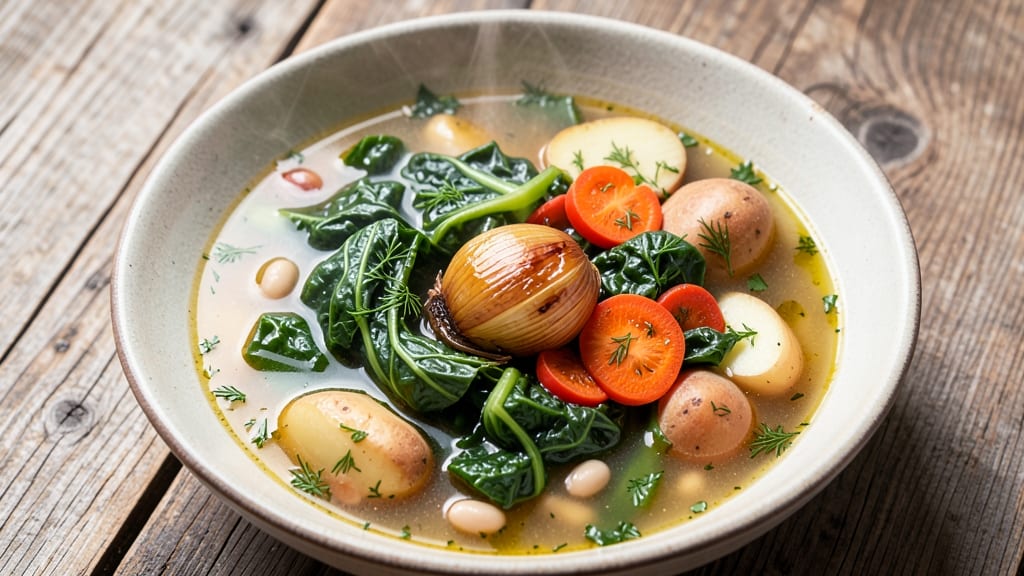
This classic cabbage soup recipe delivers the comforting warmth of a one-pot meal that’s as nourishing as it is simple—perfect for chilly evenings or meal prep days. 💛 The secret lies in slow-simmered flavors where tender cabbage, hearty beans, and savory broth meld into a dish that’s both traditional and adaptable.
I’ve perfected this version over years of testing, balancing tangy vinegar and smoky paprika for depth without overpowering the cabbage’s natural sweetness.
The beauty of this recipe is its one-pot simplicity: chop vegetables, sauté aromatics, add broth, and let the flavors develop over 30 minutes of gentle simmering. No fancy techniques required—just patience and a few pantry staples.
The result is a hearty, tangy soup with crisp cabbage edges and a broth so rich it’ll have everyone asking for seconds. Whether you’re feeding a family or prepping for the week, this soup delivers restaurant-quality comfort at home.
What makes it truly classic is the flexibility—swap bacon for smoked sausage, use vegetable broth for a vegan version, or stir in a dollop of sour cream at the end for creaminess. The cabbage softens just enough to be tender, while carrots and potatoes add natural sweetness.
Each spoonful is packed with flavor, proving that simple ingredients can create something extraordinary when given time to shine.
Serve it with crusty bread for dipping or alongside a simple green salad to balance the richness. The leftovers taste even better the next day, making this the ultimate foolproof, one-pot meal that’s always a crowd-pleaser. Let’s get cooking!
Ingredients for classic cabbage soup
Sixteen ingredients blending traditional comfort with vibrant tangy zing in every spoonful.
| Ingredient | Amount | Notes |
|---|---|---|
| Green Cabbage 🥬 | 1 lb | Outer leaves removed, shredded |
| Yellow Onion 🧅 | 1 whole | Medium, diced |
| Carrots 🥕 | 3 medium | Peeled, sliced into rounds |
| Russet Potatoes 🥔 | 2 medium | Peeled, cubed |
| Garlic Cloves 🧄 | 4 cloves | Minced, fresh preferred |
| Canned White Beans 🌱 | 2 cups | Drained, rinsed, cannellini or great northern |
| Vegetable Broth 💧 | 4 cups | Low-sodium preferred |
| Tomato Paste 🍅 | 2 tbsp | Smooth, not chunky |
| Apple Cider Vinegar 🍏 | 1 tbsp | For tangy brightness |
| Smoked Paprika 🌶️ | 1 tsp | For smoky depth |
| Ground Black Pepper 🌶️ | ½ tsp | Freshly cracked |
| Bay Leaves 🍃 | 2 whole | Fresh if possible |
| Salt 🧂 | 1 ½ tsp | Diamond Crystal kosher |
| Extra-Virgin Olive Oil 🫒 | 2 tbsp | For sautéing aromatics |
| Fresh Parsley 🌿 | ¼ cup | Chopped, for garnish |
The cabbage and potatoes form the heart of this soup—opt for firm heads of green cabbage with crisp outer leaves for texture. Russet potatoes hold their shape better than waxy varieties during simmering. For the broth, low-sodium vegetable stock from Pacific Foods ensures flavor without excess salt. The carrots should be uniform in size to cook evenly; organic carrots from the produce section at Whole Foods have the best natural sweetness. Fresh bay leaves elevate the dish, but if using dried, reduce to one leaf. The white beans add protein without overpowering the cabbage's delicate flavor—cannellini beans from Muir Glen are my go-to for their creamy texture.
No smoked paprika? Substitute with a mix of regular paprika and a pinch of liquid smoke for depth. Fresh parsley wilting? Dried parsley at one-third the amount works in a pinch, though fresh is ideal for garnish. The apple cider vinegar can be swapped for white wine vinegar, but reduce to 1 teaspoon to maintain balance. For a smokier profile, add a dash of liquid smoke extract. The tomato paste should be smooth—avoid chunky varieties that can make the soup grainy. If you're using canned tomatoes instead, crush them and add 1 tablespoon of tomato paste to maintain consistency. The olive oil matters here; California avocado oil has a higher smoke point for sautéing.
This soup develops deeper flavor overnight, so reheat gently on the stove with a splash of broth or water. Store in airtight containers for up to 5 days in the refrigerator, though I find the flavors peak on day two. For freezing, portion into single-serving containers with a splash of broth to prevent drying. The cabbage will soften further when reheated, so aim for slightly undercooked texture when first simmering. Garnish with fresh parsley and a drizzle of extra-virgin olive oil before serving to enhance presentation and add freshness.
Why You'll Love This Recipe
- Here’s what sold me: this soup only gets better the next day. The flavors meld overnight, and the potatoes soak up all the savory broth. I’ll often double the batch because reheating it for lunch is like winning the weeknight lottery—zero effort, maximum satisfaction.
- Pantry-to-Pot Magic: I swear by this recipe because it uses what’s already lurking in my fridge—no fancy shopping required. That yellow onion and garlic? They’re the flavor anchors, while the carrots and potatoes add natural sweetness that balances the cabbage’s bite.
- Garlic-Kissed Comfort: Between us, the moment those minced garlic cloves hit the pot is where this soup goes from “good” to “I’ll make it again.” It’s that crisp, aromatic punch that makes every spoonful feel like a hug—especially when the cabbage softens just enough to hold onto that garlic goodness.
- Leftovers That Beg: Here’s what sold me: this soup only gets better the next day. The flavors meld overnight, and the potatoes soak up all the savory broth. I’ll often double the batch because reheating it for lunch is like winning the weeknight lottery—zero effort, maximum satisfaction.
Step-by-step instructions for classic cabbage soup
This one-pot method delivers hearty, aromatic soup with perfect texture every time.
🍳 Step 1: Sauté Aromatics Until Fragrant
Heat the 2 tablespoons extra-virgin olive oil in a large Dutch oven over medium heat. Add the diced yellow onion and cook for 5 minutes until softened and translucent. You'll notice the onions begin to caramelize slightly at the edges—that's when you know they're ready for the next step.
Add the minced garlic cloves and cook for 30 seconds until fragrant. The kitchen should fill with that unmistakable garlic aroma—this is your signal it's time to move forward. Stir in the 1 teaspoon smoked paprika and 0.5 teaspoon ground black pepper, coating the onions and garlic evenly. These spices will infuse the entire soup with deep, smoky warmth.
🥘 Step 2: Build the Flavor Base
Add the 2 tablespoons tomato paste and stir vigorously for 1 minute to distribute it completely. This creates the rich foundation for the soup's depth of flavor. Pour in the 1 tablespoon apple cider vinegar and let it simmer for 2 minutes until the raw taste disappears—this tangy brightness will balance the hearty vegetables perfectly.
Add the 3 sliced carrots and 2 cubed russet potatoes to the pot. Stir well to coat them in the aromatic mixture. The potatoes should begin to soften slightly within 3-4 minutes, but don't let them brown—they'll cook fully in the broth. This is where the magic happens: the vegetables absorb all those beautiful flavors we just built.
🥘 Step 3: Simmer the Vegetables
Pour in the 4 cups vegetable broth and add the 2 whole bay leaves. Bring to a gentle boil, then reduce heat to medium-low and let it simmer uncovered for 15 minutes. You'll see the vegetables begin to soften and the broth take on a rich, golden hue. This simmering step is crucial—it allows all the flavors to meld together before we add the cabbage.
After 15 minutes, add the 1 pound shredded green cabbage and 2 cups drained white beans to the pot. Stir gently to distribute everything evenly. The cabbage should look vibrant and fresh—this is when you want to taste the broth. Season with the 1.5 teaspoons salt and adjust if needed. The soup should be seasoned but not overly salty at this stage.
⏰ Step 4: Cook Until Tender
Return the soup to a gentle simmer and cook uncovered for 20-25 minutes until the cabbage is tender and the potatoes are fork-tender. You'll know it's done when the cabbage leaves collapse easily when pierced with a fork and the potatoes yield slightly under gentle pressure. The soup should have thickened naturally from the vegetables releasing their starches.
Real talk: don't rush this step. The cabbage needs time to soften completely while maintaining its structure—overcooking will turn it mushy. If the soup looks too thick before the cabbage is tender, add ½ cup water to loosen it. The texture should be hearty but still allow for easy spooning.
🍽️ Step 5: Finish and Serve
Remove the 2 bay leaves and discard them. Stir in the 0.25 cup chopped fresh parsley just before serving—this adds a bright, fresh finish that cuts through the richness of the soup. The parsley should be distributed evenly throughout, giving each spoonful a pop of color and freshness.
Ladle the soup into bowls and serve immediately while hot. The aroma alone will make your kitchen smell like comfort food heaven. Each spoonful should deliver tender cabbage, hearty potatoes, and that perfect balance of smoky, tangy, and savory flavors we built layer by layer. Enjoy with crusty bread to soak up every last bit of that delicious broth!
Pro Tips For Making Classic Cabbage Soup
- CHOP CABBAGE SMALL: I learned this the hard way—big chunks of cabbage turn mushy and watery. Cut the outer leaves into thin strips (about ¼-inch wide) and the core into smaller pieces so they cook evenly without falling apart.
- SWEAT ONIONS LOW: After burning three batches, I finally figured out: onions need gentle heat. Cook them on medium-low for 8-10 minutes until translucent but not browned—this builds flavor without bitterness.
- ADD POTATOES LAST: Potatoes absorb liquid like sponges. Toss them in only in the final 15 minutes of simmering so they stay firm and don’t turn to mush (yes, even if you’re impatient like me).
- SAVOR WITH GARLIC: My grandmother swore by this, and she was right: smash the garlic cloves lightly before adding them—just enough to bruise, not mince. This releases their oils and deepens the aroma without overpowering.
Best sauces and condiments for this recipe
Creamy Sour Cream
Stir in 2 tablespoons sour cream per serving just before serving to add a velvety texture that contrasts beautifully with the cabbage’s crisp edges. I like to mix it in gently with a spoon to avoid curdling—it’s the perfect finishing touch for a restaurant-style finish.
For extra richness, top with an additional dollop and a sprinkle of freshly cracked black pepper. 💛
Tangy Vinegar Drizzle
Brighten every bowl with a drizzle of apple cider vinegar mixed with a pinch of salt and a swirl of extra-virgin olive oil. I use about 1 teaspoon vinegar per bowl, whisked with ½ teaspoon olive oil and a pinch of salt.
This adds a refreshing acidity that cuts through the soup’s heartiness—perfect for balancing flavors. 🍏
Smoky Paprika Oil
Infuse ¼ cup olive oil with 1 teaspoon smoked paprika and ½ teaspoon garlic powder by gently heating for 2 minutes on low. Strain and drizzle 1 teaspoon per bowl to deepen the smoky notes.
This technique amplifies the soup’s warmth without overpowering the cabbage’s natural sweetness. Store the leftover oil for future use on roasted veggies or salads. 🌶️
Herb-Infused Broth
Simmer 1 cup vegetable broth with 2 sprigs fresh thyme, 1 bay leaf, and 2 peppercorns for 10 minutes before adding to your soup. Strain and use this fragrant broth to replace 1 cup of the original broth in the recipe.
The herbs add a subtle earthiness that elevates the entire dish. 🌿
Spicy Mustard Kick
Add ½ teaspoon Dijon mustard to each bowl before serving for a tangy, slightly spicy note. I like to mix it with a splash of warm broth to temper the heat.
This works especially well if you’re serving the soup with crusty bread—it adds a complex layer of flavor that pairs beautifully with the cabbage’s crispness. 🌶️
Buttery Breadcrumbs
Toast ¼ cup panko breadcrumbs with 1 tablespoon melted butter and ½ teaspoon garlic powder until golden. Sprinkle over the soup just before serving for a crispy, buttery contrast. This adds texture and richness that makes the soup feel even more indulgent. 🥖
Nutrition facts
Frequently asked questions
Can I make this cabbage soup without potatoes?
Swap the potatoes for 2 cups chopped celery or 2 cups diced zucchini to keep it light. The carrots will still provide sweetness while maintaining that hearty texture. For extra protein, add 1 cup cooked chickpeas—they hold their shape beautifully in the broth.
How do I make this soup vegan?
Replace the vegetable broth with vegan broth and use vegan butter instead of olive oil for sautéing. For extra richness, stir in 2 tablespoons nutritional yeast at the end—it adds a cheesy, umami depth. The smoked paprika and vinegar keep the tangy-savory balance intact.
Why does my cabbage soup turn out watery?
Watery soup usually means the vegetables released too much starch or the broth wasn't reduced enough. Simmer uncovered for 5 extra minutes to thicken naturally, or mash ½ of the potatoes with a fork to release starch. If it's still too thin, remove the pot from heat and let it cool slightly—starches will thicken as it sits. For future batches, reduce broth by ½ cup.
Can I prep this soup ahead of time?
This soup tastes even better the next day! Store in an airtight container in the fridge for up to 5 days. Reheat gently on the stove with a splash of water or broth to restore thickness. For freezing, portion into single servings and freeze for up to 3 months. Thaw overnight in the fridge before reheating—never microwave from frozen.
What's the best way to reheat leftovers?
Reheat on the stove over medium-low heat until steaming hot—this preserves texture better than microwaving. Add 2-3 tablespoons water or broth per bowl to prevent drying. If the soup seems too thick after reheating, thin with a splash of warm broth. For extra flavor, stir in a pinch of smoked paprika or a splash of apple cider vinegar while warming.