
Soups & Stews
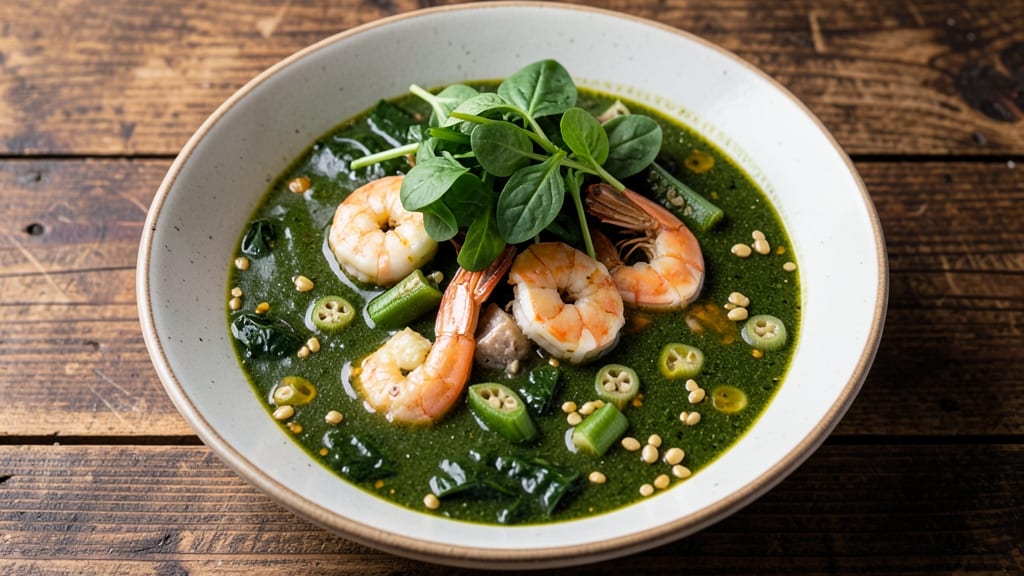
This oha soup recipe transports you to the heart of Nigerian cuisine with its rich, slow-simmered broth and tender shrimp, a dish that's as comforting as it is flavorful. 🌟 The key lies in the perfect balance of okra's natural thickening properties and the aromatic blend of spices that create a symphony of flavors in every spoonful.
What sets this recipe apart is its traditional approach—using fresh leafy greens like bitter leaf or spinach, and a rich fish or meat stock that forms the soul of the soup.
The shrimp adds a delicate sweetness that complements the earthy depth of the okra and greens, while the slow simmer ensures the flavors meld together harmoniously.
By the time you finish cooking, you'll have a bowl of soup that's deeply satisfying, with a velvety texture and layers of flavor that make it a centerpiece for any meal. The aroma alone will have everyone gathering around the table, eager to taste the result of this time-honored recipe.
Serve it with traditional accompaniments like pounded yam, fufu, or eba to complete the experience. This is more than just a recipe—it's a celebration of Nigerian culinary tradition brought to your kitchen.
Ingredients for oha soup
These traditional ingredients create a velvety, aromatic oha soup bursting with Nigerian flavors.
| Ingredient | Amount | Notes |
|---|---|---|
| Fresh Okra 🥒 | 1 ½ lb | Trimmed, sliced into rounds |
| Large Shrimp 🦐 | 1 ½ lb | Peeled, deveined, tail-on |
| Fresh Bitter Leaf 🌿 | 2 cups | Chopped, or substitute spinach |
| Fresh Spinach 🌿 | 2 cups | Chopped, alternative to bitter leaf |
| Fresh Fish Stock 🐟 | 4 cups | Homemade or quality store-bought |
| Fresh Garlic Cloves 🧄 | 6 cloves | Minced, for aromatic base |
| Fresh Ginger 🌿 | 2 tbsp | Grated, aromatic balance |
| Scotch Bonnet Peppers 🌶️ | 2 whole | Seeds removed, finely chopped |
| Fresh Red Bell Pepper 🌶️ | 1 whole | Diced, for color and crunch |
| Fresh Tomato 🍅 | 3 whole | Blanched, peeled, chopped |
| Palm Oil 🫒 | ½ cup | Red palm oil preferred |
| Fresh Onions 🧅 | 2 whole | Chopped, for base flavor |
| Fresh Cilantro 🌿 | ¼ cup | Chopped, for garnish |
| Sea Salt 🧂 | 1 ½ tsp | Adjust to taste |
| Ground Black Pepper 🌶️ | ½ tsp | Freshly ground |
The okra is the backbone of this soup—look for firm, bright green pods at your local African market or well-stocked grocery store like Whole Foods. Shrimp should be fresh and plump, with a sweet aroma; Trader Joe's often carries high-quality frozen shrimp that works perfectly. For bitter leaf, many Nigerian specialty stores sell it fresh, but substitute spinach if unavailable. Fresh fish stock is ideal—simmer whole fish like tilapia or mackerel for 30 minutes, then strain, or use a quality store-bought version like Pacific Foods brand. The palm oil should be vibrant red; African and Caribbean markets typically carry the best options.
No bitter leaf? Spinach or water leaf work beautifully as substitutes. For the peppers, Scotch bonnet delivers the signature heat, but jalapeño or habanero can stand in. If you can't find fresh fish stock, chicken or vegetable stock with a splash of soy sauce works in a pinch. The ginger should be freshly grated—pre-minced jarred ginger lacks the aromatic punch. For the tomatoes, blanching and peeling removes skins for a smoother texture, but you can skip this step if using canned tomatoes (drained well). The cilantro is purely for garnish, so feel free to omit if you dislike its flavor.
Palm oil keeps for up to 1 year in a cool, dark place once opened, but it's best to refrigerate it after opening to maintain freshness. Fresh okra lasts 3-4 days in the fridge, while shrimp should be used within 1-2 days for optimal flavor. The cooked soup reheats beautifully—simmer gently on the stove for 5-10 minutes until heated through. For meal prep, store in airtight containers for 3-4 days in the fridge or freeze for up to 3 months. The flavors actually deepen over time, making it perfect for batch cooking.
Why You'll Love This Recipe
- One-Pot Magic: I swear by this—just toss everything into a pot, simmer, and walk away. No fancy techniques, no last-minute scrambling for extra bowls. The okra thickens the broth naturally while the shrimp and bitter leaf melt into the stock, so you’re basically doing zero extra work.
- Umami Bomb: That fish stock? It’s the MVP. Rich, briny, and deep—exactly what transforms a simple soup into something you’d pay double for at a restaurant. The bitter leaf adds a sharp, earthy kick, but the spinach softens it just enough to make every spoonful ridiculously satisfying.
- Leftovers That Don’t Suck: Honestly, this soup only gets better the next day. The flavors meld even more, and the okra’s natural thickening means it’s still luscious—no slimy aftertaste, no sad watery mess. I make a big batch on Sundays and eat it all week, no regrets.
- Budget Meal, Big Flavor: Between us, shrimp might sound fancy, but you’re not using much—just enough to make it feel special without breaking the bank. Bitter leaf and spinach are cheap greens that pack a punch, and the okra? Often overlooked but so affordable. It’s a hearty, protein-packed meal that won’t drain your wallet.
Step-by-step instructions for oha soup recipe
This rich, flavorful oha soup comes together through careful layering of aromatics and slow simmering.
🍳 Step 1: Prepare the Base with Palm Oil and Aromatics
Heat the 0.5 cup palm oil in a large pot over medium heat until it shimmers. Add the 2 whole chopped fresh onions and cook for 5 minutes until they soften and begin to turn golden. This step develops the soup's rich foundation—don't rush it.
Add the 6 cloves minced fresh garlic cloves and 2 tbsp grated fresh ginger, stirring constantly for 1 minute until fragrant. The aroma should fill your kitchen—this is your signal the aromatics are properly infused. Next, stir in the 2 whole finely chopped scotch bonnet peppers (remove seeds first) and cook for another 30 seconds to soften slightly.
🍳 Step 2: Build the Soup with Tomatoes and Okra
Add the 3 whole blanched, peeled, and chopped fresh tomato to the pot. Cook for 5-7 minutes until the tomatoes break down and the mixture thickens slightly. This tomato base forms the soup's velvety texture—stir frequently to prevent burning.
Increase heat to medium-high and add the 1.5 lb sliced fresh okra. Stir gently to coat the okra in the tomato mixture, then pour in the 4 cups fresh fish stock. Bring to a gentle boil, then reduce heat to low and let it simmer for 15 minutes uncovered, stirring occasionally. The okra should soften but retain some texture—this is key for the soup's signature bite.
🍳 Step 3: Incorporate Leafy Greens and Season
Add the 2 cups chopped fresh bitter leaf (or spinach as substitute) and 1 whole diced fresh red bell pepper. Stir gently to distribute the greens evenly. The bitter leaf will wilt dramatically—this is normal. Cook for 5 minutes until the greens are tender but still vibrant in color.
Season with the 1.5 tsp sea salt and 0.5 tsp freshly ground black pepper, adjusting to taste. The soup should taste rich but balanced—add salt gradually. Let it simmer for another 5 minutes to allow flavors to meld completely. The soup should have a thick, stew-like consistency at this point.
🍳 Step 4: Add Shrimp and Finish Cooking
Gently add the 1.5 lb peeled, deveined large shrimp to the pot. Cook for 3-4 minutes until the shrimp turn pink and opaque. The shrimp should cook quickly in the hot soup—don't overcook or they'll become rubbery. Remove the pot from heat and let it sit for 2 minutes to allow the shrimp to absorb the flavors.
Taste and adjust seasoning if needed. The shrimp should be tender, the okra slightly crisp, and the greens vibrant. Remove any shrimp that float to the top—they're done first. Keep the pot warm over low heat until ready to serve.
🍽️ Step 5: Serve with Fresh Cilantro
Ladle the soup into bowls, garnishing each serving with 0.25 cup chopped fresh cilantro. The cilantro adds a bright finish that cuts through the richness of the palm oil and shrimp. Serve immediately with garri or ewedu on the side if desired—this traditional pairing enhances the soup's flavors.
The perfect oha soup should have a balance of textures: tender shrimp, slightly crisp okra, and silky greens in a rich, flavorful broth. Each spoonful should deliver layers of umami from the fish stock, heat from the scotch bonnet, and freshness from the cilantro. Enjoy while warm for the best experience!
Pro Tips For Making Oha Soup
- SLICE OKRA LENGTHWISE: Cut those okra pods into 1-inch pieces—any longer and they’ll turn mushy while the shrimp stays undercooked. I learned this the hard way when my first batch looked like okra pudding instead of soup.
- BLANCH SPINACH FIRST: Toss the spinach into boiling water for 30 seconds before adding it to the pot—this softens it fast and keeps the bitter leaf from turning into a sad, wilted mess. (Yes, even if you’re impatient like me.)
- DON’T OVERCOOK THE SHRIMP: Shrimp turns rubbery fast—pull them out when they just curl, not when they’re pink all the way through. Two minutes max after they hit the pot, or you’ll regret it.
- USE COLD STOCK: Pour cold fish stock into the pot instead of hot—it keeps the shrimp from cooking instantly and lets the okra and bitter leaf absorb flavor evenly. Sounds weird, but it works.
Health benefits of oha soup
Rich Protein Source
Oha soup delivers a nutrient-dense protein punch thanks to its shrimp and fish stock base. A 1.5 lb serving of shrimp provides about 46 grams of protein, while the fish stock adds collagen and amino acids that support muscle repair and joint health.
This makes it a fantastic meal for active individuals or anyone looking to boost their protein intake without heavy red meat. 🦐
Heart-Healthy Fats
The palm oil used in this recipe contains vitamin E and antioxidants that promote heart health, while the omega-3 fatty acids from the fish stock help reduce inflammation and lower bad cholesterol levels.
Unlike many Western soups, oha soup relies on plant-based fats that support cardiovascular wellness when consumed as part of a balanced diet.
Digestive Benefits
The okra in oha soup is a natural source of fiber and prebiotics that promote gut health by feeding beneficial gut bacteria. A 1.5 lb serving provides about 6 grams of fiber, which aids digestion and helps maintain regularity.
The bitter leaf (or spinach substitute) adds iron and folate, further supporting digestive function and nutrient absorption.
Immune-Boosting Nutrients
This soup is packed with vitamin C from the red bell pepper and vitamin A from the bitter leaf, both of which strengthen the immune system.
The ginger and garlic in the base provide anti-inflammatory properties that help ward off illnesses, while the zinc from shrimp supports immune function and wound healing. 💪
Low-Calorie Comfort
Despite its rich flavors, oha soup is surprisingly light on calories compared to creamy Western soups. A 1-cup serving contains roughly 180-220 calories, making it a satisfying yet balanced option for those monitoring their caloric intake.
The low-fat protein from shrimp and the fiber-rich okra help keep you full without excessive calories.
Bone-Strengthening Minerals
The fish stock contributes calcium, magnesium, and phosphorus, all essential for maintaining strong bones and teeth. The shrimp adds selenium, a mineral that supports thyroid function and protects cells from oxidative damage.
Together, these nutrients make oha soup a bone-friendly choice, especially when paired with traditional accompaniments like pounded yam or eba.
Nutrition facts
Frequently asked questions
What makes this oha soup different from other Nigerian soups?
The defining feature of this oha soup is its okra-based broth that creates a naturally thick, velvety texture without added thickeners. Unlike egusi or okra soups that rely on ground seeds, oha soup uses whole okra pods for a unique bite. The combination of bitter leaf or spinach and shrimp gives it a distinct flavor profile that's lighter yet deeply flavorful compared to richer soups like edikang ikong.
Can I substitute bitter leaf with another green?
While bitter leaf is traditional, spinach or water leaf work beautifully as substitutes. For a milder taste, use 2 cups spinach but add an extra 1/2 tsp salt to compensate for the lack of bitterness. The key is to add greens after the okra has softened to prevent mushiness.
How do I prevent the okra from turning slimy?
To keep okra from becoming slimy, slice it thickly (1/4-inch rounds) and cook it for no longer than 15 minutes after adding to the broth. Overcooking releases excess mucilage. Also, use fresh okra—older pods break down faster. If you notice sliminess, immediately remove the okra, add fresh slices, and reduce cooking time by 5 minutes.
What's the best way to reheat leftover oha soup?
Reheat oha soup gently on low heat for 5-7 minutes—never microwave it directly as this can make the okra mushy. Add 1-2 tablespoons of water if the soup thickens too much. For extra richness, stir in 1 teaspoon of palm oil while reheating. The soup actually tastes better the next day as flavors meld further!
Can I make oha soup without shrimp?
Yes! For a vegetarian version, replace shrimp with 1 lb smoked fish or chicken (cut into bite-sized pieces). If avoiding meat entirely, use 1 can of white beans or tofu cubes for protein. The cooking time remains the same, but add protein 5 minutes before serving to prevent overcooking. The broth will still be rich and flavorful!