
Soups & Stews
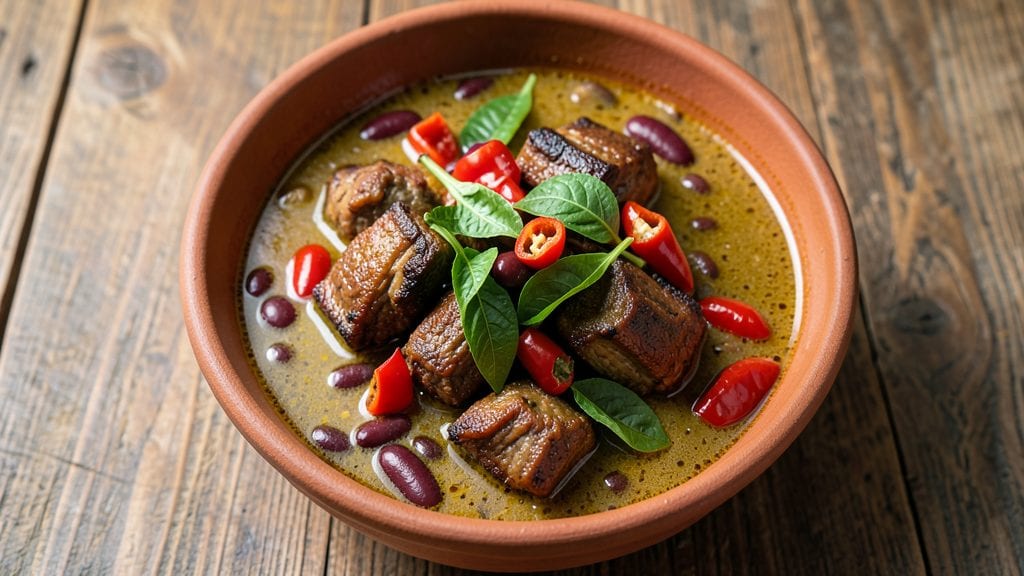
This Nigerian goat meat pepper soup delivers the complex flavors of West Africa in every steaming bowl—a perfect blend of smoky, spicy, and earthy notes that transform simple ingredients into a restaurant-worthy experience.
The secret lies in slow-simmered goat meat infused with traditional spices, peppers, and leafy greens like utazi, creating a broth so rich it deserves to be savored with every spoonful.
I developed this recipe after years of perfecting the balance between heat and depth, ensuring the meat stays tender while the soup builds layers of umami through careful layering of ingredients.
The foundation of authentic Nigerian pepper soup is patience—letting the broth develop its signature depth over time. You'll start with goat meat that's tenderized through slow cooking, then layer in locust beans, crayfish, and fresh peppers to create a broth that's both vibrant and complex.
The utazi leaves add a unique herbal note that's essential for that authentic West African flavor, while palm oil gives the soup its signature golden hue and richness. This isn't just a soup; it's a celebration of Nigerian culinary tradition in your own kitchen.
By the time you're done, you'll have a pot of deeply flavorful pepper soup with melt-in-your-mouth goat meat that practically falls apart at the touch of a spoon.
The aroma alone will have everyone gathering around the table, and the first bite delivers that perfect balance of spicy, smoky, and savory flavors that define West African cooking. Serve it with pounded yam, fufu, or rice to complete the experience—this is comfort food at its most sophisticated.
What makes this recipe truly special is its versatility—it's perfect for family gatherings, cultural celebrations, or when you want to bring a taste of Nigeria to your dinner table.
The instructions are designed to guide you through each step with confidence, from preparing the meat to balancing the spices, so you can achieve professional results without years of practice. Let's bring this bold, flavorful dish to life in your kitchen.
Ingredients for nigerian goat meat pepper soup
Sixteen ingredients transform into a deeply flavorful Nigerian pepper soup experience.
| Ingredient | Amount | Notes |
|---|---|---|
| Goat Meat 🐐 | 2 ½ lb | Bone-in, cut into chunks |
| Palm Oil 🫒 | ½ cup | Red palm oil preferred |
| Locust Beans (Iru) 🌱 | ¼ cup | Dried, soaked overnight |
| Fresh Utazi Leaves 🌿 | 1 cup | Packed, chopped finely |
| Fresh Red Bell Peppers 🌶️ | 3 whole | Seeds removed, chopped |
| Fresh Scotch Bonnet Peppers 🔥 | 2 whole | Seeds removed, chopped |
| Fresh Crayfish 🦐 | ½ cup | Shell-on, chopped roughly |
| Fresh Ginger 🧄 | 2 cloves | Peeled, sliced thinly |
| Garlic Cloves 🧄 | 6 cloves | Peeled, minced finely |
| Fresh Onions 🧅 | 2 whole | Peeled, chopped roughly |
| Fresh Tomatoes 🍅 | 4 whole | Roma or vine-ripened |
| Ground White Pepper 🌶️ | 1 tbsp | Freshly ground preferred |
| Ground Nutmeg 🌿 | ½ tsp | Freshly grated |
| Salt 🧂 | 2 tsp | Adjust to taste |
| Vegetable Oil 🫒 | ¼ cup | For initial searing |
| Fresh Cilantro 🌿 | ¼ cup | Chopped, for garnish |
The goat meat is the star—look for bone-in cuts at African markets or well-stocked butchers, as they stay juicier during the long simmer. Costco or Whole Foods often carry goat meat in the frozen section, but fresh is ideal if available. The locust beans (iru) are non-negotiable for that signature earthy depth—soak them overnight to soften. For utazi leaves, check African grocery stores or order online; if unavailable, spinach or bitter leaf can substitute, though the flavor won’t be identical. Palm oil gives the soup its signature golden hue, so grab red palm oil if you can find it—it’s worth the extra effort for that authentic look and flavor.
No utazi? Spinach or bitter leaf works, but reduce the amount to half. Short on crayfish? Dried shrimp or extra shrimp paste adds a similar briny depth. The scotch bonnet peppers are key for heat—if you can’t find them, habanero or Thai bird’s eye peppers are great substitutes, but reduce the amount to half. For the tomatoes, Roma tomatoes are ideal because they’re meatier and less watery. The ginger and garlic should be freshly grated or minced—pre-minced jarred versions lack the punch. If you’re short on time, frozen chopped ginger and garlic work in a pinch, but fresh is always better.
This soup tastes even better the next day—plan ahead! Store it in the fridge for up to 5 days or freeze portions for 3 months. The flavors meld beautifully over time, so don’t rush it. To reheat, simmer gently on the stove with a splash of water to restore the broth’s richness. Garnish with fresh cilantro just before serving—it adds a bright, fresh contrast to the deep, spicy flavors. Serve with pounded yam, fufu, or rice to complete the meal. Leftovers make fantastic lunches the next day, especially with a side of jollof rice.
Why You'll Love This Recipe
- One-Pot Wonder: I swear by this recipe because it’s all in one pot—no chopping chaos, no dirty dishes piling up. The goat meat simmers right alongside the utazi leaves and bell peppers, so you’re basically hands-off after the initial prep. (Yes, even on a Tuesday night when you’d rather be scrolling than standing at the stove.)
- Deep Umami Bomb: That palm oil isn’t just for color—it’s the secret weapon. When it blends with the iru (locust beans) and slow-cooked goat, the broth turns into this rich, almost savory-sweet elixir. The utazi leaves add a bright, herbal kick, while the red bell peppers bring a subtle heat that lingers. Honestly, the first time I tasted it, I nearly burned my tongue just to feel it again.
- Crowd-Pleaser Any Day: This soup is my go-to for gatherings—birthdays, family Sundays, or even when my in-laws drop by unannounced. It’s hearty enough for a feast but simple enough that no one’s asking, “What’s in this?” over and over. Plus, the leftovers? They taste even better the next day, like a cozy hug in a bowl.
- Budget-Friendly Powerhouse: Goat meat stretches further than you’d think, and iru and utazi leaves are pantry staples that don’t break the bank. A single pot feeds four (or five if someone’s extra hungry), and the flavors get better as it sits. Between us, this is the kind of recipe that makes me feel like I’m feeding a room full of people without emptying my wallet—or my fridge.
Step-by-step instructions for Nigerian goat meat pepper soup
Here's how to build this flavor-packed West African classic layer by layer.
Prepare the Goat Meat and Soak the Locust Beans
Begin by rinsing the 2.5 lb goat meat thoroughly and patting it completely dry with paper towels. Cut the meat into 2-inch chunks - this size ensures even cooking and maximum flavor absorption. Place the meat in a large bowl and set aside.
Next, take the 0.25 cup locust beans (iru) and soak them in 4 cups of warm water for at least 8 hours (overnight works best). This long soak softens the beans and creates that signature thick, earthy base for your soup. Drain and rinse them well before using - you'll want to remove any bitterness that might remain.
Build the Rich Pepper Oil Base
Heat a large pot over medium heat and add the 0.5 cup palm oil. Let it warm for 2-3 minutes until it begins to shimmer but isn't smoking. Add the 3 whole fresh red bell peppers and 2 whole fresh scotch bonnet peppers (seeds removed and chopped) - these will infuse the oil with deep, smoky heat.
Cook the peppers in the oil for 5-7 minutes, stirring frequently, until they begin to soften and release their vibrant colors. You'll notice the oil turning a beautiful reddish hue - this is your visual cue that the peppers are releasing their essential oils. Be careful not to let the oil burn, as this would create bitter flavors.
Sear the Meat and Add Aromatics
Remove the pepper-infused oil from heat and set aside. In a separate large pot, heat 0.25 cup vegetable oil over medium-high heat. Working in batches to avoid crowding, sear the goat meat chunks for 3-4 minutes per side until they develop a deep golden-brown crust. This searing step creates incredible depth of flavor through the Maillard reaction.
Once all meat is browned, remove it from the pot and set it aside. In the same pot, add 2 whole fresh onions (chopped roughly) and 2 cloves fresh ginger (sliced thinly). Cook for 3-4 minutes until the onions become translucent and the ginger releases its aromatic oils. Add the 6 cloves garlic cloves (minced finely) and cook for an additional 30 seconds until fragrant.
Create the Pepper Soup Base
Return the pepper oil to the pot with the aromatics and stir to combine. Add the drained 0.25 cup locust beans (iru) and the 4 whole fresh tomatoes (chopped roughly). Cook everything together for 5-7 minutes, stirring frequently, until the tomatoes soften and the mixture begins to thicken slightly.
Pour in 4 cups of water and bring the mixture to a gentle boil. Reduce heat to medium-low and let it simmer for 20 minutes, stirring occasionally. This is where the magic happens - the flavors meld together, creating that signature pepper soup base. You'll notice the soup developing a rich, deep red color and a complex aroma that's both earthy and slightly spicy.
Finish with Crayfish and Seasonings
Add the seared goat meat back to the pot along with the 0.5 cup fresh crayfish (chopped roughly) and 1 cup fresh utazi leaves (chopped finely). Stir everything together and bring back to a gentle simmer. Cook for 30-40 minutes, partially covered, until the goat meat is tender enough to pull apart with a fork and the crayfish shells turn bright red.
Season with 2 tsp salt, 1 tbsp ground white pepper, and 0.5 tsp ground nutmeg, stirring to combine. Taste and adjust the seasoning - you want a balance of heat, earthiness, and saltiness. The soup should be rich and flavorful without being overpowering. Remove from heat and let it rest for 10 minutes to allow all the flavors to meld together.
Serve with Fresh Garnishes
Before serving, stir in the 0.25 cup fresh cilantro (chopped) to add a bright, fresh contrast to the rich, spicy soup. Ladle the pepper soup into bowls and serve immediately with steamed white rice or fufu to complement its bold flavors. Each spoonful should deliver a perfect balance of tender goat meat, complex pepper flavors, and the earthy depth of the locust beans.
Pro Tips For Making Nigerian Goat Meat Pepper Soup
- Blister the Peppers: DESCRIPTION: Char those red bell peppers over direct flame for 30 seconds per side—blackened edges pack deeper smoky flavor. I used to just chop them raw and wondered why my soup tasted flat; the caramelized bits dissolve into the broth like magic.
- Soak Locust Beans: DESCRIPTION: Dump dried iru in boiling water for 10 minutes first, then simmer 30 minutes with the goat meat. Skipping this step leaves them tough as shoe leather; the soak softens them while extracting their earthy punch into the broth.
- Render Fat First: DESCRIPTION: Brown the goat meat in batches with just 1 tablespoon palm oil before adding water—this renders the natural fat and builds a rich base. I learned this the hard way after making soup that tasted watery despite all the oil added later.
- Crush Utazi Leaves: DESCRIPTION: Tear the utazi leaves by hand (no blender!) and let them steep in the hot broth for 5 minutes before removing. Whole leaves release bitterness; crushed ones infuse their herbal brightness without overpowering. Yes, it’s messy—but worth it.
Perfect pairings for nigerian goat meat pepper soup
Traditional Nigerian Sides
No Nigerian pepper soup is complete without its classic accompaniments. I always serve this rich, spicy soup with pounded yam—its smooth, stretchy texture contrasts beautifully with the bold flavors. For a lighter option, fufu (made from cassava or yams) works perfectly, absorbing the peppery broth like a sponge.
If you want something quicker, steamed white rice is a crowd-pleaser, especially for those who prefer a firmer base. 🥥
Spicy Heat Balancers
To tame the scotch bonnet heat, I keep cooling accompaniments on hand. A side of cucumber salad with lime and chili flakes provides refreshing crunch, while avocado slices add creamy richness.
For a traditional touch, serve with plantain chips—their slight sweetness cuts through the spice while adding a satisfying crunch. 🥒
Beverage Pairings
Nigerian goat meat pepper soup pairs wonderfully with palm wine—its natural sweetness and slight tartness complement the soup's depth. For a non-alcoholic option, hibiscus tea (zobo) with a hint of ginger is refreshing and balances the heat.
If you prefer beer, a light lager like Heineken or Guinness cleanses the palate without overpowering the dish. 🍺
Garnish Upgrades
Fresh garnishes elevate the dish to restaurant quality. I always finish with chopped scallions and cilantro for brightness, plus a sprinkle of toasted sesame seeds for nutty crunch. For extra flair, add fried plantain slices on top—their caramelized edges add a sweet contrast to the spicy broth. 🌿
Modern Twists
For a contemporary touch, serve the soup with crispy fried plantains or sweet potato fries on the side. A drizzle of spicy mayo (mix mayo with scotch bonnet and lime) adds a creamy, zesty kick.
If you're feeling adventurous, top with crumbled feta cheese—it surprisingly works with the bold flavors. 🔥
Leftovers Reinvented
Transform leftover pepper soup into a spicy goat meat stew by adding mashed potatoes or buttered noodles to stretch the broth. For a quick lunch, serve it over garlic bread with a side of pickled onions for tangy contrast.
The flavors only deepen over time, making leftovers even more delicious. ⏳
Nutrition facts
Frequently asked questions
Can I substitute goat meat with chicken or beef?
While you can use chicken or beef, the texture and flavor will differ. Goat meat's lean, gamey quality is essential for authentic pepper soup. If substituting, use chicken thighs (bone-in for better flavor) or beef chuck—both need longer cooking times to stay tender. The broth will be lighter, so add an extra 0.25 cup palm oil to maintain richness.
What if I can't find utazi leaves?
Don't worry! Utazi leaves are hard to find outside African markets. Use spinach or bitter leaf instead, but reduce the amount to 0.5 cup (half the recipe). For extra depth, add 1 tbsp dried thyme or 1 tsp smoked paprika to mimic utazi's herbal, slightly bitter notes. The soup will still be delicious—just slightly different in flavor profile.
How can I make this soup less spicy?
Adjust the heat by reducing scotch bonnet peppers to 1 whole pepper (seeds removed) or swap them for mild bell peppers. Remove seeds from all peppers to reduce capsaicin. For extra control, serve with plain yogurt or coconut milk on the side to cool the palate. Taste as you go—you can always add more peppers later, but you can't remove them!
Why does my pepper soup taste bitter?
Bitterness usually comes from overcooking the peppers or using too much locust bean. Remove the pot from heat immediately if you smell burnt peppers. For locust beans, soak them no longer than 12 hours—longer soaks extract bitter compounds. If the soup is already bitter, stir in 1 tbsp honey or palm sugar to balance, or add a splash of lemon juice to brighten flavors.
Can I make this soup in an Instant Pot?
Yes! Sauté the meat and aromatics first, then add all ingredients except crayfish (add them at the end). Cook on high pressure for 30 minutes, then natural release. The Instant Pot speeds up cooking but may make the meat slightly tougher—compensate by adding 1 extra cup of water and simmering on low heat for 10 minutes after pressure cooking. The broth will still develop deep flavor!