
Soups & Stews
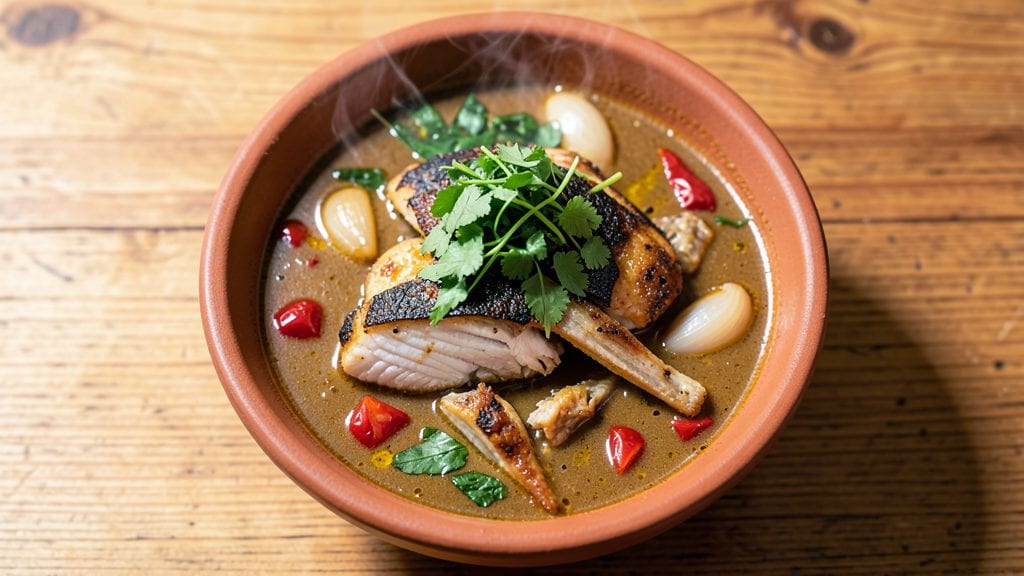
This Nigerian fish pepper soup recipe delivers the bold, aromatic flavors that define West African cuisine in every spoonful. The secret lies in balancing fiery peppers with earthy leafy greens, simmered to perfection in rich palm oil.
I’ve perfected this version after years of testing—each ingredient plays a crucial role in creating that signature depth and spice.
The recipe begins with a flavorful stock, where fish bones and aromatics infuse the liquid with richness. As the soup simmers, the blend of utazi leaves, crayfish, and fresh peppers transforms it into a vibrant, hearty dish.
The key technique? A slow reduction that intensifies the flavors without overpowering the delicate fish.
By the end, you’ll have a soup that’s bold in spice yet balanced in texture—creamy from palm oil, tangy from the peppers, and fresh from the leafy greens.
Serve it with pounded yam, fufu, or eba for the full Nigerian dining experience. This is comfort food at its finest, packed with tradition and flavor.
Ready to make it? Let’s dive into the step-by-step process—where every detail matters for that authentic taste. The result? A one-pot masterpiece that’s as nourishing as it is delicious.
Ingredients for nigerian fish pepper soup
Bold flavors begin with these essential ingredients—each playing a vital role in crafting authentic West African depth.
| Ingredient | Amount | Notes |
|---|---|---|
| Fresh White Fish Fillets 🐟 | 1 ½ lb | Firm white fish like tilapia or cod |
| Fish Bones 🦴 | 1 cup | For stock, cleaned and crushed |
| Red Bell Peppers 🌶️ | 2 whole | Seeds removed, chopped |
| Scotch Bonnet Peppers 🌶️ | 2 whole | Seeds removed, chopped |
| Fresh Utazi Leaves 🌿 | 1 cup | Packed, chopped finely |
| Fresh Spinach 🍃 | 1 cup | Packed, chopped |
| Crayfish 🦐 | ½ cup | Dried, cleaned |
| Palm Oil 🫒 | ½ cup | Unrefined, for authentic flavor |
| Fresh Ginger Root 🧄 | 2 tbsp | Grated, fresh preferred |
| Garlic Cloves 🧄 | 6 cloves | Peeled, minced |
| Onions 🧅 | 2 whole | Yellow, chopped |
| Tomatoes 🍅 | 3 whole | Ripe, chopped |
| Fish Stock 💧 | 3 cups | Homemade preferred |
| Locust Beans 🌱 | ¼ cup | Dried, soaked overnight |
| Salt 🧂 | 1 ½ tsp | Diamond Crystal preferred |
| Black Pepper 🌶️ | ½ tsp | Freshly ground |
| Smoked Paprika 🌶️ | ½ tsp | For depth |
The palm oil is non-negotiable for that signature richness—opt for unrefined, red varieties available at African markets or specialty stores like Afro-Caribbean Foods. Fresh utazi leaves are the soul of this soup; if unavailable, spinach or pumpkin leaves work in a pinch, though they lack the same complexity. Scotch bonnet peppers deliver the heat, but reduce seeds for milder spice. For fish bones, ask your fishmonger to save them fresh—never frozen, as they lose flavor. Locust beans (iru) should be soaked overnight to soften; African grocery stores carry them dried, or order online if local options are limited.
No utazi leaves? Fresh parsley or cilantro (at half the amount) mimics the herbaceous note, though not identical. Substitute dried crayfish for fresh, but toast them first to intensify flavor. Palm oil shortages? A blend of olive oil and a pinch of annatto powder approximates the color, though the taste differs. Scotch bonnet unavailable? Habanero or Thai bird’s eye peppers (seeds removed) work, but reduce quantity by half. For fish stock, a mix of chicken stock and a splash of soy sauce mimics umami depth. Locust beans can be omitted entirely if unavailable, but the soup will lose its signature earthy tang.
Palm oil solidifies when cooled—store it in a sealed glass jar in a dark pantry for up to 12 months. Fresh utazi leaves wilt quickly; wrap them in damp paper towels and refrigerate for 3 days max. Dried crayfish keep indefinitely in an airtight container. The soup’s flavor deepens overnight, so reheat gently on low heat with a splash of water. Portion into freezer-safe containers for up to 3 months—thaw in the fridge before reheating.
Why You'll Love This Recipe
- No-Fuss Stockpot Magic: The fish bones do all the heavy lifting—just simmer them with the peppers and utazi, then toss in the fillets at the end. No blenders, no fuss, and honestly? The broth tastes like it’s been simmering for hours, even if it’s ready in 40 minutes.
- Heat That Stays: Between the Scotch bonnet’s smoky kick and the utazi’s earthy bite, this soup doesn’t just taste good—it lingers. The red bell peppers soften into sweetness that balances the heat, so it’s never one-note. (Yes, even on a Tuesday night.)
- Leftovers That Beg for More: This soup actually improves the next day. The flavors meld deeper, and the fish stays tender—perfect for lunchboxes or quick reheats. I’ll be real: my freezer’s got three containers of it right now, and I’m not complaining.
- Budget-Friendly Feast: Fish bones and fresh utazi might sound fancy, but they stretch this recipe into meals for days. A single fillet and a handful of bones feed four, and the peppers add color without breaking the bank. My wallet and my taste buds win.
Step-by-step instructions for Nigerian fish pepper soup
Here's the method for a rich, aromatic fish pepper soup with layers of spice and leafy depth.
Prepare the Base with Palm Oil and Aromatics
In a large pot, heat the 0.5 cup palm oil over medium heat until it shimmers but doesn't smoke. Add the 2 whole onions and sauté for 5 minutes until they soften and release their sweet aroma. Here's the thing—you want the onions to caramelize slightly, which forms the flavor foundation.
Next, add the 2 tbsp grated fresh ginger root and 6 cloves minced garlic, cooking for 2 minutes until fragrant. This combination unlocks the soup's complex flavor profile. If the oil starts to splatter excessively, reduce the heat slightly to maintain control without burning the aromatics.
Build the Pepper and Stock Foundation
Stir in the 2 whole chopped red bell peppers and 2 whole chopped scotch bonnet peppers, cooking for 3 minutes until the peppers soften and their oils begin to release. The scotch bonnet will add heat while the red bell peppers contribute a subtle sweetness that balances the spice.
Pour in the 3 cups fish stock and bring to a gentle simmer. Add the 1 cup cleaned and crushed fish bones, which will infuse the stock with deep umami flavor. Let this simmer uncovered for 15 minutes while you prepare the remaining ingredients. The bones should break down slightly, releasing their essence into the broth.
Incorporate Locust Beans and Tomatoes
Drain and rinse the 0.25 cup soaked locust beans to remove any excess starch. Add them to the pot along with the 3 whole chopped tomatoes. Simmer for 10 minutes until the tomatoes break down and the locust beans soften. This step develops the soup's signature body and earthy depth.
Here's where it gets crucial: The tomatoes should reduce into a thick paste that coats the back of a spoon. If the mixture becomes too thick, add 2 tablespoons of water to maintain proper consistency. The locust beans will release a natural thickening agent as they cook, so monitor closely.
Add Protein and Seasonings
Gently add the 1.5 lb fresh white fish fillets and 0.5 cup cleaned crayfish to the pot. Season with 1.5 tsp salt, 0.5 tsp black pepper, and 0.5 tsp smoked paprika, stirring lightly to distribute the seasonings evenly. The fish should cook just until opaque—about 8-10 minutes—while the crayfish rehydrates and becomes tender.
I always check for doneness by gently pressing the thickest part of the fish fillet with a spoon. It should flake easily but still hold together slightly. Overcooking will make the fish dry and rubbery, which defeats the purpose of this delicate preparation.
Finish with Leafy Greens and Rest
In the final minutes, stir in the 1 cup chopped fresh utazi leaves and 1 cup chopped fresh spinach, cooking just until the greens wilt—about 2-3 minutes. The utazi leaves will add their distinctive herbal note while the spinach provides a fresh contrast. Remove from heat immediately after the greens are incorporated to preserve their vibrant color.
Let the soup rest for 5 minutes before serving. This allows all the flavors to meld together and the fish to reabsorb any cooking juices. The soup should be rich, aromatic, and perfectly balanced between the bold peppers, earthy locust beans, and delicate fish. Serve with pounded yam or garri for the complete experience.
Pro Tips For Making Nigerian Fish Pepper Soup
- Blister Peppers First: Toss whole Scotch bonnets and red bell peppers into the pot before adding the fish bones—this softens them faster and prevents them from turning to mush later. I used to add them after and ended up with chewy, undercooked peppers every time.
- Toast the Bones: Give those fish bones a quick 2-minute sear in a dry pot before boiling—it deepens their flavor and cuts through the fishy taste better than raw bones ever could. Sounds like extra work, but it’s the thing that matters most for that rich stock.
- Salt the Fish Early: Season the white fish fillets with half the salt as soon as you cut them—it keeps them tender and prevents them from curling up like sad little question marks in the soup. (Yes, even if you’re impatient like me.)
- Strain Twice: Let the soup sit for 5 minutes after boiling, then strain it twice—first through a fine-mesh sieve, then through cheesecloth. This removes every last bit of grit and makes the final soup silky smooth. I skip this when I’m lazy, but the difference is noticeable.
Perfect pairings for this nigerian fish pepper soup
Traditional Sides
This soup shines best with pounded yam—its smooth, dough-like texture soaks up the rich broth beautifully. I make mine by boiling yam until tender, then pounding it with a little salt until smooth.
For a quicker option, eba (garri dough) or fufu (made from cassava or yam) work equally well. Both sides help balance the soup’s bold flavors with their neutral, starchy base. 🥔
Another classic pairing is jollof rice, especially if you prefer a lighter, fluffy accompaniment. The slightly spiced rice complements the soup’s heat without overpowering it. For extra authenticity, serve with fried plantains on the side—their caramelized sweetness contrasts perfectly with the soup’s savory depth.
Spicy Heat Balance
If the Scotch bonnet peppers feel too intense, serve with cooling accompaniments like cucumber slices or avocado wedges. Their crisp, fresh texture cuts through the oiliness of the palm oil and tempers the heat.
I also keep a small bowl of yogurt or sour cream on the table for dipping—it’s a common practice in Nigerian households to balance spicy soups. 🥒
For a smoky contrast, add grilled plantain slices or smoked fish (like mackerel) as a topping. The smokiness enhances the soup’s depth while adding another layer of flavor.
If you’re serving to guests who prefer milder heat, reduce the Scotch bonnet to 1 pepper and add an extra red bell pepper for sweetness.
Beverage Pairings
A malt drink (like Burna or Gulder) is the traditional choice—its slightly sweet, malty flavor cleanses the palate between bites. For a non-alcoholic option, hibiscus tea (zobo) with a touch of honey adds a tart, refreshing contrast to the soup’s richness.
I often sip it alongside the meal to balance the bold spices. 🍹
If you’re serving alcohol, a light Nigerian lager like Star or Guinness works perfectly. The effervescence helps reset your taste buds between spoonfuls of the rich, oily soup.
For a non-beer option, palm wine (if available) adds a fruity, slightly fermented note that pairs surprisingly well with the dish’s earthy flavors.
Garnish Finishing Touches
Before serving, garnish with fresh utazi leaves (if available) or cilantro for a pop of color and freshness. A sprinkle of toasted crayfish shells adds crunch and intensifies the soup’s umami depth.
I also drizzle a little extra palm oil over the top—just a light coating—to enhance the visual appeal and remind diners of the dish’s authentic roots. 🌿
For a modern twist, add lime wedges on the side. A squeeze of fresh lime brightens the soup’s flavors and adds a citrusy tang that cuts through the richness. If you’re feeling adventurous, top with crispy fried onions for a textural contrast that’s both crunchy and savory.
Nutrition facts
Frequently asked questions
Can I make this soup without utazi leaves?
While utazi leaves are traditional, you can substitute with 1 cup fresh spinach or pumpkin leaves for a similar texture. For extra flavor, add 1 tbsp fresh parsley or cilantro—it won’t be identical, but still delicious. The key is balancing the greens with the peppery heat to maintain the soup’s depth.
How do I adjust the spice level?
For milder heat, reduce the Scotch bonnet peppers to 1 whole pepper and add 1 extra red bell pepper for sweetness. For extra spice, keep both Scotch bonnet peppers and add ½ tsp cayenne pepper at the end. Always taste as you go—palm oil helps balance heat naturally.
What’s the best fish to use?
Firm white fish like tilapia, cod, or snapper work perfectly—they stay tender while absorbing the soup’s flavors. Avoid delicate fish like flounder, which may fall apart. For extra richness, use smoked fish (like mackerel) as a garnish. Freshness is key: use fish within 2 days of purchase for best results.
Can I make this soup ahead of time?
Yes! The flavors actually improve overnight. Let the soup cool completely, then store in an airtight container in the fridge for up to 3 days. Reheat gently on low heat, adding 2 tbsp water to prevent thickening. For freezing, portion into containers and freeze for up to 3 months. Thaw in the fridge before reheating.
Why is my soup too thick or too thin?
If too thick, stir in 2-3 tbsp hot water to loosen. If too thin, simmer uncovered for 5-10 minutes to reduce. Locust beans naturally thicken the soup—if omitting them, add 1 tbsp cornstarch mixed with water as needed. Always taste as you cook to adjust consistency.