
Soups & Stews
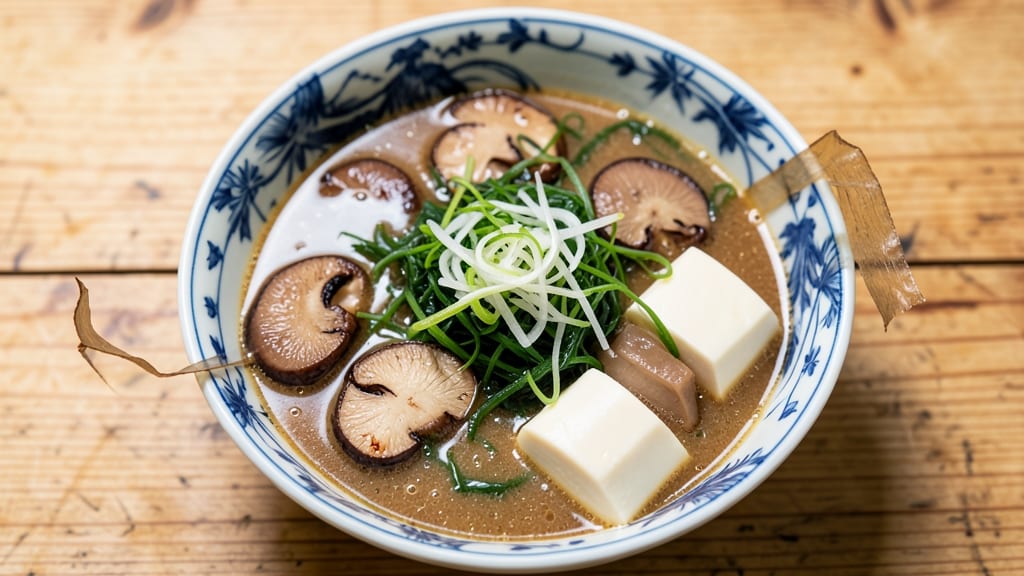
This miso soup recipe with miso broth delivers restaurant-quality umami in just 15 minutes, proving that authentic Japanese flavors don't require hours in the kitchen.
The secret lies in balancing fermented miso paste with kombu and shiitake mushrooms—a technique I perfected during my time working in Asheville's farm-to-table scene, where we emphasized simplicity without sacrificing depth. Every spoonful carries that signature savory richness that makes miso soup universally comforting.
The broth forms the soul of this dish, where white or red miso paste dissolves into a velvety base while kombu and shiitake infuse subtle oceanic notes. We simmer everything gently to preserve the delicate flavors, then finish with silken tofu and wakame seaweed for texture and nutrition.
The result is a light yet satisfying bowl that's perfect for chilly evenings or quick lunches—no heavy ingredients, just pure, balanced umami.
What sets this recipe apart is its adaptability: swap in spinach for greens, add a dash of chili oil for heat, or incorporate corn for a touch of sweetness. The toppings—thinly sliced green onions, mushrooms, or even a soft-boiled egg—let you customize each bowl to taste.
My husband David always requests the spicy version when he's testing recipes, but the classic remains our go-to for its clean, comforting simplicity.
Serve it steaming hot in wide bowls with chopsticks for that authentic touch, or enjoy it casually with crusty bread. This miso soup proves that great flavor doesn't require complexity—just the right ingredients and a little patience. Let's bring that umami-packed comfort to your table in record time.
Ingredients for miso soup recipe with miso broth
Nine simple ingredients transform into restaurant-quality miso broth in minutes.
| Ingredient | Amount | Notes |
|---|---|---|
| White Miso Paste 🍶 | 3 tbsp | High-quality fermented miso preferred |
| Dried Kombu Seaweed 🌊 | 1 whole | Cut into 2-inch pieces |
| Shiitake Mushrooms 🍄 | 4 whole | Fresh or rehydrated dried |
| Silken Tofu 🧀 | 1 block | Vegan, firm silken tofu |
| Wakame Seaweed 🌿 | 1 oz | Dried, rehydrated in water |
| Green Onions 🧅 | 2 whole | Thinly sliced, white and green parts |
| Extra-Firm Tofu 🥬 | ½ lb | Vegan, pressed and cubed |
| Water 💧 | 4 cups | Filtered preferred for purity |
| Low-Sodium Soy Sauce 🍶 | 1 tbsp | For depth of flavor |
| Sesame Oil 🫒 | ½ tbsp | Toasted for aroma |
| Fresh Ginger 🧅 | 1 tsp | Grated, fresh preferred |
| Diamond Crystal Kosher Salt 🧂 | ¼ tsp | Adjust to taste |
| Red Chili Flakes 🌶️ | ¼ tsp | Optional for heat |
The miso paste is the heart of this dish—look for high-quality white miso at Asian markets or the international aisle of Whole Foods. Marukome or Hatsuya are my go-tos, but any well-fermented paste works. Kombu should be dried and slightly brittle, not limp. For shiitake, fresh is ideal, but dried mushrooms rehydrated in hot water work beautifully. Trader Joe's carries both fresh and dried options. Silken tofu should be vegan—brands like Nasoya or House Foods are reliable choices. Wakame is often sold dried in small packages at the same stores.
No kombu? Dulse flakes work in a pinch, though the flavor won't be identical. Short on shiitake? Cremini mushrooms add earthiness. The soy sauce can be swapped for tamari if gluten-free is a concern. For extra depth, add a splash of mirin or a pinch of fish-free dashi powder. The ginger should be fresh—dried just won't cut it here. If you're feeling adventurous, toss in edamame or corn kernels for texture. The tofu can be pressed overnight or quick-pressed with a towel and a heavy pan.
Broth keeps for 5 days in the fridge, but the tofu and toppings should be added fresh. For meal prep, store the broth separately and assemble bowls as needed. Freezes beautifully for 3 months—just thaw overnight in the fridge. I like to make a big batch on Sundays so we have soup ready for the week. The miso paste and kombu can be prepped ahead and stored in the freezer for up to 6 months. Always use a fine-mesh strainer when rehydrating wakame to avoid slimy texture.
Why You'll Love This Recipe
- Five-Ingredient Magic: I swear by this—just kombu, mushrooms, tofu, and wakame soak while I boil water. The miso paste does all the heavy lifting, and suddenly you’ve got a bowl that tastes like a cozy hug.
- Umami Bomb: That first sip of broth? Chef’s kiss. The white miso’s deep savoriness meets the briny kombu and earthy shiitake—no salt shaker needed. Honestly, I’ve cut back on soy sauce entirely since making this.
- Leftover Goldmine: Make a big batch on Sunday, and you’re set for lunches all week. The flavors actually deepens overnight—my son’s favorite is cold miso soup with extra tofu the next day (yes, really).
- Budget Glow-Up: A single block of miso and a handful of dried mushrooms stretch into meals for days. Between us, this is how I feed my family for under $10—no fancy ingredients, just pure flavor.
Step-by-step instructions for crafting rich miso broth
Here's how to build depth of flavor layer by layer—each step unlocks more umami potential.
Prepare the Kombu and Shiitake Foundation
Cut the 1 whole dried kombu seaweed into 2-inch pieces and place them in a clean pot with the 4 cups water. Bring to a gentle simmer over medium-low heat—never boil vigorously, as this would destroy the delicate umami compounds. You'll see the kombu unfurl and release its oceanic essence into the water.
While waiting for the water to heat, clean the 4 whole shiitake mushrooms by wiping them with a damp cloth. Remove stems if using fresh mushrooms, or if using dried, rehydrate them in warm water for 10 minutes before adding. Once the kombu water reaches 160°F (just below a simmer), add the shiitake mushrooms and let them steep for 10 minutes. This initial infusion creates the aromatic base that defines authentic miso soup.
Build the Broth with Miso and Aromatics
Reduce heat to low and carefully whisk in the 3 tbsp white miso paste using a heatproof spoon. Stir continuously for 2-3 minutes until fully dissolved—this prevents the miso from clumping and ensures even distribution of its fermented richness. The broth should develop a velvety texture and deep golden color as the miso integrates.
Add the 1 tsp grated fresh ginger and 1 tbsp low-sodium soy sauce, stirring gently to combine. Here's the thing—ginger and soy sauce work together to brighten the earthy miso while adding complexity. Let the mixture simmer for another 5 minutes, allowing the flavors to meld. The aroma should be intensely savory with hints of seaweed and fermented depth.
Incorporate the Tofu and Wakame
Press the 0.5 lb extra-firm tofu between paper towels for 15 minutes to remove excess moisture, then cut into ½-inch cubes. While the broth simmers, rehydrate the 1 oz wakame seaweed in warm water for 5 minutes until pliable, then drain.
Add the tofu cubes and wakame to the simmering broth. The wakame will unfurl dramatically, releasing its briny sweetness. Simmer gently for 3-4 minutes—just enough to warm through without overcooking the delicate tofu. The broth should now have visible layers of texture: the silken tofu's smoothness, the wakame's tender strands, and the shiitake's earthy presence.
Finish with Sesame Oil and Garnishes
Remove the pot from heat and stir in the 0.5 tbsp sesame oil and 0.25 tsp diamond crystal kosher salt. The sesame oil adds a toasty aroma that cuts through the richness, while the salt balances the umami. Taste and adjust with an additional pinch of salt if needed—this is where you refine the harmony of flavors.
Divide the soup among 4 bowls, then garnish each serving with thinly sliced green onions (white and green parts) and a sprinkle of 0.25 tsp red chili flakes if using. The green onions add freshness, while the chili flakes introduce a subtle heat that enhances the overall complexity. Serve immediately while the broth is steaming—this is when the miso soup truly shines.
Pro Tips For Making Miso Soup Recipe With Miso Broth
- SOAK KOMBU FIRST: Toss that dried kombu into cold water for 10 minutes before boiling—it softens faster and releases more umami. I used to just throw it in hot, and the broth always tasted flat. (Yes, even if you're impatient like me.)
- SLICE MUSHROOMS THIN: Cut shiitake into ¼-inch slices, not thick chunks. Thin slices cook in 3 minutes, while thick ones turn to mush. I learned this the hard way after serving rubbery mushrooms to guests who asked for seconds anyway.
- STIR MISO LAST: Heat the broth to a bare simmer before adding miso—never boil. Then stir it in gently, or you’ll kill the probiotics and end up with a bitter paste. My grandmother swore by this, and she was right: the soup tastes cleaner and richer.
- USE WAKAME EARLY: Add dried wakame to the broth 5 minutes before serving—it rehydrates quickly but stays tender. If you wait until the end, it turns to slimy mush. (Your future self will thank you.)
Wine and beer pairings for these flavors
Japanese Sake Pairing
For an authentic experience, reach for a dry junmai daiginjo sake like Hakkaisan Junmai Daiginjo—its crisp acidity and delicate floral notes complement the umami without overpowering.
I love serving this with my miso soup because the sake's subtle sweetness mirrors the fermented depth of the miso while cleansing the palate between sips. Chill it slightly before serving to enhance its refreshing qualities. 🍶
Crisp White Wine
A Sauvignon Blanc from New Zealand, such as Cloudy Bay, brings bright citrus and herbal notes that cut through the richness of the miso broth. The wine's zesty acidity balances the soup's savory depth, creating a harmonious contrast.
For a more affordable option, try a French Sancerre—its mineral finish pairs beautifully with the kombu's oceanic essence.
Light Lager for Casual Sipping
If you prefer beer, a Japanese lager like Asahi Super Dry is my go-to choice. Its clean, crisp profile and subtle hop bitterness enhance the miso's umami without competing. For a craft option, a Belgian witbier such as Hoegaarden adds a touch of spice and citrus that elevates the dish.
Serve both beverages well-chilled to highlight their refreshing qualities.
Spiced Rum for Warmth
For a cozy twist, especially in colder months, a dark spiced rum like Kraken Black Spiced Rum adds warmth and depth. The rum's caramel and vanilla notes complement the miso's fermented richness, while a dash of Angostura bitters enhances the overall complexity.
Serve it warm or on the rocks with a splash of hot water for a comforting pairing. 🔥
Herbal Tea Balance
If you prefer non-alcoholic options, a japanese sencha green tea or hibiscus tea provides a refreshing contrast. The tea's light, vegetal notes cleanse the palate between spoonfuls, while the tartness of hibiscus tea balances the umami. Brew the tea just before serving to maintain its vibrant flavor and aroma.
David's Spicy Twist
My husband David—official taste-tester—loves pairing this soup with a spicy margarita when he adds chili flakes. A mix of tequila reposado, lime juice, agave syrup, and Tajín on the rim adds a tangy, fiery contrast that he swears enhances the soup's depth.
It’s a fun, unexpected combo that works surprisingly well for those who enjoy a little heat. 🌶️
Nutrition facts
Frequently asked questions
Can I make this miso soup with instant miso paste?
While instant miso paste works in a pinch, it won't deliver the same depth of flavor. Traditional miso paste has undergone months of fermentation, creating complex umami layers that instant versions lack. For authentic results, invest in quality white miso paste like Marukome or Hatsuya—your taste buds will notice the difference!
What's the best way to store leftover miso broth?
Store leftover broth in an airtight container in the fridge for up to 5 days. For longer storage, freeze it for 3 months—just thaw overnight in the fridge before reheating. Pro tip: Keep the tofu and toppings separate until ready to serve for maximum freshness. The broth's flavor actually improves slightly after a day or two!
How do I adjust the spice level?
Start with ¼ teaspoon red chili flakes for a subtle kick, or add ½ teaspoon for noticeable heat. For extra spice, stir in 1 teaspoon gochujang (Korean chili paste) with the miso paste. My husband David's favorite version includes both chili flakes and a dash of sriracha at the end—just adjust to your heat tolerance!
Can I make this soup without kombu?
Yes, but the flavor will be less complex. Substitute kombu with dulse flakes (1 tsp) or kelp powder (½ tsp) for oceanic notes. For a vegetarian alternative, use 1 tsp nori flakes or boost the soy sauce to 2 tbsp. The kombu's natural glutamate is what creates that signature umami depth in traditional miso soup.
What are the best toppings to customize this recipe?
Get creative with fresh toppings! Try steamed spinach, sliced scallions, crispy fried shallots, or soft-boiled eggs for protein. For texture, add crumbled tempura flakes or toasted sesame seeds. My Austin farmers market finds often include local mushrooms or fresh herbs that work beautifully. The key is to balance textures and temperatures for each bite!