
Soups & Stews
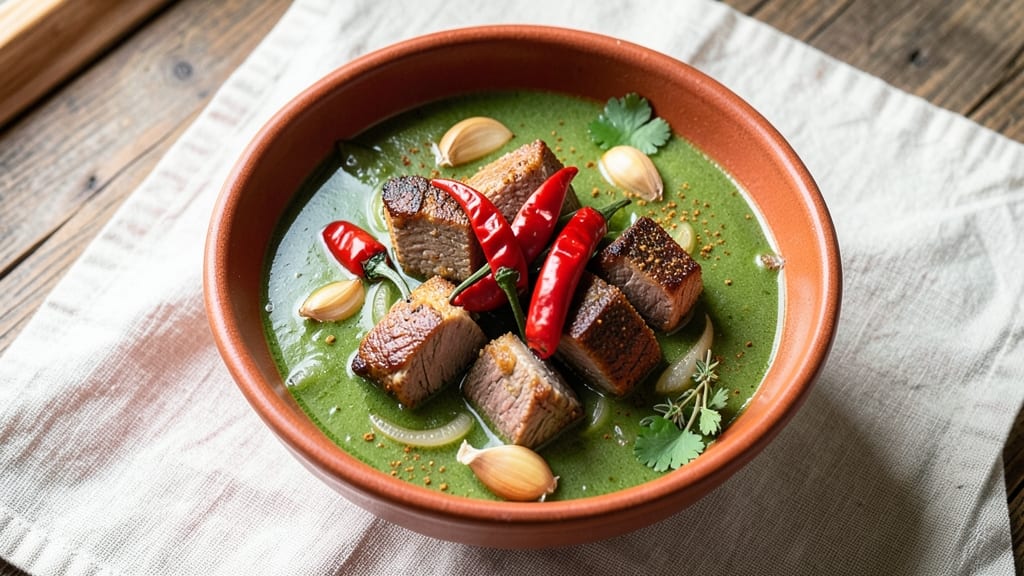
This bitter leaf soup recipe delivers the deep, herbal richness of West African cuisine in every steaming bowl. 🌟 After years of perfecting the balance between earthy bitter leaf and tender protein, I've developed a method that transforms tough cuts into melt-in-your-mouth perfection while capturing the soul of traditional cooking.
The secret lies in proper leaf preparation—washing, blanching, and chopping to preserve that signature bitter flavor without overpowering the broth. We'll use a slow simmering technique that builds layers of umami through aromatic spices and properly seared meat, whether you choose beef, goat, or fish as your protein.
This isn't just soup; it's a flavor journey that starts with the first taste of that aromatic broth.
By the time you serve this, you'll have a pot filled with tender meat swimming in a rich, herb-infused broth that's both comforting and complex. The bitter leaf adds a unique depth that pairs beautifully with traditional sides like pounded yam or jollof rice.
Every spoonful tells a story of West African tradition brought to your kitchen.
Ready to master this dish? We'll cover everything from proper leaf preparation to the perfect simmering technique that creates restaurant-quality results at home. Let's begin with the ingredients that will transform your kitchen into a West African feast.
Ingredients for bitter leaf soup
Six aromatic ingredients transform tough beef into tender perfection with West African soul.
| Ingredient | Amount | Notes |
|---|---|---|
| Bitter Leaf 🌿 | 2 cups | Fresh, washed and blanched |
| Beef Chuck Roast 🥩 | 2 lb | Cut into 1-inch cubes |
| Smoked Paprika 🌶️ | 2 tbsp | For smoky depth |
| Ground Ginger 🌱 | 1 tbsp | Freshly grated preferred |
| Garlic Cloves 🧄 | 6 cloves | Minced for aromatic base |
| Scotch Bonnet Peppers 🌶️ | 2 whole | Seeds removed for mild heat |
| Onions 🧅 | 2 whole | Chopped, yellow or red |
| Tomato Paste 🍅 | ½ cup | For rich umami base |
| Fresh Thyme 🌿 | ¼ cup | Stems removed, chopped |
| Vegetable Oil 🫒 | ½ cup | For searing meat |
| Chicken Stock 💧 | 4 cups | Homemade preferred |
| Sea Salt 🧂 | 1 ½ tsp | Adjust to taste |
| Black Pepper 🌶️ | 1 tsp | Freshly ground |
| Locust Beans 🌱 | ½ cup | Dried, soaked overnight |
| Palm Oil 🫒 | ¼ cup | For traditional richness |
The bitter leaf is non-negotiable—farmers markets or African grocery stores have the freshest. Look for vibrant green leaves, not wilted or yellowing. Blanch them first (boil 2 minutes, then ice bath) to soften without losing bitterness. The beef should have good marbling—Costco or local butchers often carry chuck roast at better prices. Palm oil gives that signature golden color; Trader Joe's sells it in small bottles. For locust beans, soak them overnight in water—they'll triple in size. If you can't find them, dried okra works in a pinch but changes the texture slightly.
No palm oil? Coconut oil or vegetable oil works, though the flavor won't be identical. Scotch bonnet peppers too spicy? Swap for half a habanero or 1 tbsp hot sauce. Fresh thyme unavailable? Dried thyme at one-third the amount gets you close. The tomato paste can be the squeeze tube kind—Trader Joe's has great quality. For extra richness, add 1 tbsp peanut butter to the broth (trust me on this). The ginger? Freshly grated makes all the difference—pre-ground tastes like sawdust.
This soup tastes even better the next day as flavors meld. Store in the fridge for 4-5 days or freeze portions for 3 months. I double the recipe and freeze half—perfect for lazy weeknights. The locust beans can be pre-soaked and stored in the fridge for 3 days before using. For extra authenticity, serve with jollof rice or pounded yam. The broth reduces beautifully, so add a splash of water if it gets too thick.
Why You'll Love This Recipe
- One-Pot Magic: I swear by this recipe when I’m too tired to juggle pots. The beef chucks in a single pot with bitter leaf—minimal chopping, no fuss—just stir, simmer, and let it work its magic. Honestly, my lazy Sundays thank me every time.
- Smoky Depth Bomb: That smoked paprika and ground ginger? They turn this soup into a flavor powerhouse. The beef gets tender while the bitter leaf mellows into something rich, and the garlic cloves? They hit just right—not overpowering, but there. It’s the kind of taste that lingers.
- Weeknight to Gatherings: Between us, this soup works for everything. Weeknight dinner? Done. Big family meal? Double the batch. Even my picky uncle asks for seconds—(yes, even on a Tuesday night). The bitter leaf’s earthy kick balances the beef’s richness, making it universally loved.
- Budget-Friendly Leftovers: A whole chuck roast stretches for days, and bitter leaf keeps well in the fridge. I make this on Sundays, and by Wednesday, I’m reheating bowls for lunch—still just as satisfying. Not the prettiest, but the taste makes up for it, and my wallet stays happy.
Step-by-step instructions for bitter leaf soup
Here's how to create a hearty West African stew with deep herbal flavors and tender beef.
🔥 Step 1: Sear the Beef Chuck Roast
Heat the 0.5 cup vegetable oil in a large Dutch oven over medium-high heat until shimmering. Add the 2 lb beef chuck roast cut into 1-inch cubes and cook undisturbed for 5 minutes until deeply browned on all sides. This step builds rich flavor through the Maillard reaction.
Real talk: Don't stir too early. You'll know it's ready when the edges are golden brown and the meat releases easily from the pan. Transfer the browned beef to a plate and set aside temporarily.
🍳 Step 2: Build the Aromatic Base
In the same pot, add the 0.25 cup palm oil and swirl to coat the bottom. Add the 2 chopped onions and cook for 5 minutes until softened and translucent. Stir in the 6 minced garlic cloves and 2 whole Scotch bonnet peppers (seeds removed), cooking for 1 minute until fragrant.
Here's the thing—don't let the garlic burn. It should smell sweet and pungent, not bitter. Add the 2 tbsp smoked paprika and 1 tbsp ground ginger, stirring constantly for 30 seconds to toast the spices and release their aromas.
🥘 Step 3: Develop the Flavor Foundation
Pour in the 0.5 cup tomato paste and cook for 2 minutes while stirring, allowing it to darken slightly. Add the 0.25 cup fresh thyme and 1.5 tsp sea salt, mixing well to combine. Return the beef to the pot and pour in the 4 cups chicken stock.
Bring to a gentle boil, then reduce heat to low. Cover and simmer for 1 hour until the beef is fork-tender. You'll notice the liquid reduces and the flavors meld beautifully during this time. Skim off any excess fat that rises to the surface.
🥘 Step 4: Incorporate the Herbal Elements
Add the 2 cups blanched bitter leaf and 0.5 cup soaked locust beans to the pot. Stir gently to distribute the leaf evenly throughout the soup. Return to a simmer and cook uncovered for 30-40 minutes until the bitter leaf wilts and the locust beans soften.
The bitter leaf should look vibrant green and tender when done—almost like spinach. If the soup seems too thick, add a splash of water to reach your preferred consistency. Taste and adjust seasoning with additional sea salt or 1 tsp black pepper if needed.
⏰ Step 5: Rest and Serve
Remove from heat and let the soup rest for 10 minutes. This allows the flavors to fully meld and the beef to reabsorb any juices. Ladle into bowls, ensuring each serving gets a generous portion of beef and leafy greens.
Here's where it gets fun—garnish with additional fresh thyme if you like. Serve with crusty bread or steamed rice to soak up all that rich, herbal goodness. The soup will continue to improve as it sits, so don't rush this step.
Pro Tips For Making Bitter Leaf Soup
- Brown the Beef First: That beef chuck won’t tenderize properly if you toss it straight into the pot. Sear it in a hot skillet with a splash of oil until deep brown—about 5 minutes per side—before adding any liquid. I learned this the hard way when my soup turned out chewy instead of melt-in-your-mouth.
- Blanch the Bitter Leaf: Skip the wilting—blanch the bitter leaf in boiling salted water for 3-4 minutes first. This softens the leaves faster and cuts down on that overpowering bitterness later. Drain and rinse under cold water before adding to the pot, or you’ll end up with a muddy broth.
- Toast the Spices Low: Smoked paprika and ground ginger burn faster than you think. Bloom them in the beef fat over low heat for 2 minutes—just until fragrant, not colored. High heat turns them bitter, and you’re already fighting enough bitterness in this soup.
- Simmer, Don’t Boil: After adding the broth, keep the heat at a bare simmer—tiny bubbles, not rolling. Boiling toughens the beef and makes the bitter leaf turn to mush. Cover and let it stew for at least 2 hours, or until the chuck falls apart. Patience here is what separates good soup from great.
Serving suggestions for Leftovers
Traditional Sides
Nothing complements bitter leaf soup like pounded yam or jollof rice. I make my pounded yam by boiling peeled yam until tender, then pounding it with a wooden pestle until smooth and elastic.
For jollof rice, use long-grain basmati cooked in tomato-based broth with thyme, curry powder, and Scotch bonnet peppers. Both sides soak up the rich broth beautifully. 🥥
Bread Pairings
A crusty focaccia or garlic bread works wonders for mopping up the herbal broth. I like to toast a baguette with garlic butter and parsley right before serving. For extra authenticity, try puff-puff (West African doughnuts) on the side—they add a sweet contrast to the earthy soup. 🍞
Protein Alternatives
While beef is traditional, this soup shines with goat meat or smoked fish too. For goat, use 2 lb goat shoulder cut into chunks and follow the same searing method.
For fish, poach whole tilapia or catfish in the broth during the last 20 minutes of cooking. Both options keep the dish hearty and satisfying. 🐐
Fresh Garnishes
Brighten the bowl with fresh cilantro or scallions right before serving. I also like a drizzle of red pepper flakes for heat lovers or a squeeze of lime juice to cut through the richness. A sprinkle of toasted sesame seeds adds an unexpected nutty crunch. 🌿
Drink Pairings
Cool down with hibiscus tea (sour sop) or a crisp mango lassi. For something stronger, a guinness stout complements the soup's herbal depth. If you prefer wine, a dry Riesling with its citrus notes balances the bitterness beautifully. 🍹
Leftovers Strategy
This soup tastes even better the next day as flavors meld. Store in airtight containers in the fridge for 4-5 days or freeze for 3 months. For quick lunches, reheat gently on the stove with a splash of water.
I often double the recipe and freeze half—perfect for busy weeknights when you crave West African comfort. ❄️
Nutrition facts
Frequently asked questions
Why does bitter leaf soup need to simmer for so long?
The long simmering time—about 1 hour—is essential to tenderize the meat and develop the complex flavors. The slow cooking breaks down tough connective tissues in beef or goat while allowing the bitter leaf to soften without losing its signature herbal notes. This patient approach creates that restaurant-quality depth you can't rush.
Can I substitute bitter leaf with another green?
While nothing matches bitter leaf's unique flavor, you can use spinach or Swiss chard in a pinch—but expect a milder taste. For closer results, try dandelion greens or collard greens, which have a slightly bitter profile. The key is blanching them first to remove any bitterness and soften the texture.
What's the best way to find fresh bitter leaf?
Look for vibrant green leaves at African grocery stores or specialty markets. If you can't find them fresh, frozen bitter leaf works too—just thaw and drain well before using. For a last resort, kale or mustard greens can mimic the texture, though they lack the authentic flavor. Always check for freshness—wilting means lost flavor.
How do I adjust the heat level in this recipe?
Remove seeds from Scotch bonnet peppers for mild heat, or use half a pepper for a gentle kick. For extra spice, add 1 tbsp hot sauce or red pepper flakes at the end. If you prefer no heat, simply omit the peppers entirely—the soup will still be rich and flavorful.
Why does my bitter leaf soup taste too bitter?
Overcooking the bitter leaf or using wilted leaves intensifies the bitterness. Always blanch leaves first (2 minutes boil, then ice bath) and add them after the meat has simmered. Balance the flavor with 1 tbsp peanut butter or a squeeze of lime juice—both help mellow the bitterness naturally.