
Soups & Stews
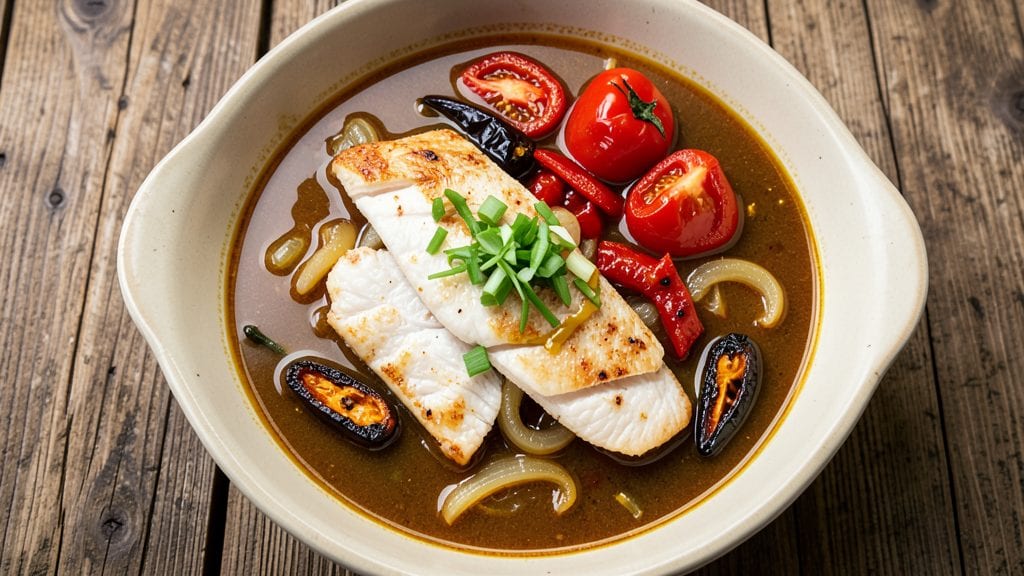
This African fish pepper soup recipe delivers a symphony of bold West African flavors that transform simple ingredients into a restaurant-worthy dish. The secret lies in balancing heat, acidity, and umami through careful spice layering—a technique I perfected after years of testing different regional variations.
What sets this apart is the flaky fish, cooked just until it falls apart in the rich, aromatic broth, creating an experience that feels both traditional and refined.
The foundation begins with a deep, savory broth built from tomatoes, peppers, and a blend of spices that wake up as they toast in hot oil. Fresh herbs like thyme and parsley add brightness, while a touch of palm oil (or vegetable oil) enriches the soup's signature golden hue.
The key to success? Simmering the fish gently at the end—adding it too soon turns flaky into mushy. This method ensures every bite delivers tender fish swimming in a broth that's perfectly balanced between spicy, tangy, and deeply satisfying.
By the time you serve this soup, your kitchen will smell like a bustling West African market, and your taste buds will be transported to a table where every spoonful tells a story.
The flaky fish absorbs the complex flavors of the broth while maintaining its delicate texture, creating a dish that's both hearty and elegant. Whether you're feeding a crowd or treating yourself to a flavor adventure, this recipe delivers restaurant-quality results with a method that's surprisingly straightforward.
Pair it with jollof rice or fufu for the full experience, or serve it as-is for a meal that feels like a celebration. The beauty of this soup is its adaptability—adjust the spice level to suit your heat tolerance, or swap in different fish varieties like tilapia or snapper.
Here's how to make it, step by step, for a dish that's as rewarding to cook as it is to eat.
Ingredients for african fish pepper soup
Bold West African flavors start with these 15 essential ingredients for flaky fish and aromatic broth.
| Ingredient | Amount | Notes |
|---|---|---|
| White Fish Fillets 🐟 | 1 ½ lb | Firm white fish like tilapia or snapper |
| Palm Oil 🫒 | ¼ cup | Or vegetable oil for substitution |
| Fresh Tomatoes 🍅 | 2 whole | Medium-sized, roughly chopped |
| Scotch Bonnet Peppers 🌶️ | 2 whole | Seeds removed for less heat |
| Red Bell Peppers 🧅 | 1 whole | Deseeded and chopped |
| Yellow Onions 🧅 | 1 whole | Medium, sliced |
| Garlic Cloves 🧄 | 6 cloves | Minced for aromatic depth |
| Ginger Root 🌿 | 1 ½ tbsp | Freshly grated |
| Fresh Thyme 🌿 | ½ oz | Stems removed, chopped |
| Fresh Parsley 🌿 | ¼ cup | Chopped for garnish |
| Fish Stock 💧 | 2 cups | Homemade or quality store-bought |
| Lemon Juice 🍋 | 2 tbsp | Freshly squeezed |
| Salt 🧂 | 1 ½ tsp | Diamond Crystal preferred |
| Black Pepper 🌶️ | ½ tsp | Freshly ground |
| Dried Shrimp 🦐 | ¼ oz | Optional for umami boost |
The fish is non-negotiable—look for tilapia or snapper at Whole Foods or your local seafood market for the flakiest texture. The Scotch bonnet peppers are the heat carriers, so adjust to taste—remove seeds if you prefer less intensity. For tomatoes, heirloom varieties add depth, but any ripe tomato works. Palm oil gives that signature golden hue, but vegetable oil is a fine substitute if you can't find it. The ginger and garlic should be freshly grated and minced—no shortcuts here, as they're the aromatic backbone of the dish.
No Scotch bonnet? Habanero or jalapeño work in a pinch, but reduce by half. Substituting dried shrimp? Use anchovies at equal weight for umami. Fresh thyme unavailable? Dried thyme at one-third the amount suffices. For the fish stock, low-sodium versions prevent over-salting. The bell pepper can be swapped for green bell pepper, though red adds natural sweetness. Always taste as you go—this soup rewards adjustments.
Store the broth base for 3-4 days in the fridge, or freeze for 3 months in airtight containers. The fish should be cooked fresh to maintain flakiness, but you can prep all other ingredients ahead. For leftovers, reheat gently on the stove—never microwave, or the fish will turn rubbery. Garnish with fresh parsley just before serving to keep it vibrant.
Why You'll Love This Recipe
- One-Pot Magic: This soup comes together in a single pot—no chopping chaos, no extra dishes. Just toss in your fish fillets, heat the palm oil until it shimmers, and let the tomatoes and peppers melt into that rich, spicy base. Honestly, I’ve made it while scrolling through my phone; it’s that unfussy.
- Heat That Stays: That Scotch bonnet pepper isn’t just for show—it delivers a slow-building warmth that lingers without burning. The red bell peppers soften into sweetness, balancing the kick, while the palm oil adds a velvety depth. Between us, my picky-eating partner asked for seconds after complaining about spice.
- Weeknight or Weekend: Throw it together for a quick weeknight dinner, or let it simmer longer for a Sunday gathering. The fish stays tender no matter how long you cook it, and the leftovers? Even better the next day—just reheat and serve with rice or crusty bread. (Yes, even on a Tuesday night.)
- Budget-Friendly Feast: White fish fillets stretch far in this soup, and palm oil—though aromatic—goes a long way. Fresh tomatoes and bell peppers bulk it up without breaking the bank, and you’ll end up with enough for lunch the next day. My secret weapon for feeding a crowd without stress.
Step-by-step instructions for African fish pepper soup
Here's how to build this vibrant West African dish with layers of spice and perfectly flaky fish.
Prepare the Aromatic Base
Heat the 0.25 cup palm oil in a large pot over medium heat. Add the 1 whole yellow onions and cook for 3-4 minutes until softened and translucent. This foundational step develops the soup's depth of flavor.
Add the 6 cloves garlic cloves and 1.5 tablespoons ginger root, stirring constantly for 1 minute until fragrant. The aroma should fill your kitchen—this is where the soup's character begins to form. Be careful not to burn these ingredients; they cook quickly at this stage.
Build the Spice Foundation
Increase heat to medium-high and add the 2 whole scotch bonnet peppers and 1 whole red bell peppers, both chopped. Cook for 2-3 minutes until the peppers begin to soften and release their oils. The scotch bonnet will add heat while the bell pepper provides a sweet contrast.
Stir in the 2 whole fresh tomatoes, roughly chopped, and cook for another 4-5 minutes until they break down into a chunky sauce. This step creates the soup's signature peppery-tomato base. If you prefer less heat, remove the seeds from the scotch bonnet peppers before adding them.
Develop the Flavor Layers
Add the 0.5 ounces fresh thyme, 1.5 teaspoons salt, and 0.5 teaspoon black pepper, stirring to combine. Pour in the 2 cups fish stock and bring to a gentle simmer. This is where all the flavors begin to meld together—let it cook uncovered for 10 minutes to allow the spices to bloom.
Add the 0.25 ounces dried shrimp (if using) and simmer for another 5 minutes. The dried shrimp will rehydrate and add a subtle umami depth to the soup. If you're skipping this optional ingredient, simply continue without it—it won't compromise the dish.
Finish with Acid and Herbs
Stir in the 2 tablespoons lemon juice and 0.25 cup fresh parsley, chopped. The acid brightens the flavors while the parsley adds freshness. Taste and adjust seasoning if needed—this is your chance to balance the heat, acidity, and saltiness to your preference.
Gently add the 1.5 pounds white fish fillets and simmer for 5-6 minutes until the fish is flaky and opaque throughout. The fish should separate easily with a fork when done. Avoid overcooking—the fish will continue cooking slightly after removal from heat.
Serve with Confidence
Remove the pot from heat and let the soup rest for 2-3 minutes. This brief resting period allows the fish to finish setting while the flavors continue to meld. Ladle the soup into bowls, ensuring each serving gets a generous portion of flaky fish.
Garnish with additional fresh parsley and serve immediately with crusty bread or steamed rice. The soup should be vibrant in color, aromatic, and bursting with layers of spice and freshness. Each bite should deliver perfectly flaky fish with a rich, peppery broth that's balanced by the bright acidity of the lemon.
Pro Tips For Making African Fish Pepper Soup
- Blister the Peppers First: Toss whole Scotch bonnets and red bell peppers directly into a dry, screaming-hot pan for 2-3 minutes before adding anything else. This draws out their natural oils and deepens the smoky-sweet flavor—way better than chopping them raw. (Yes, they’ll look charred at first, but that’s the point.)
- Toast the Palm Oil: Heat your palm oil on medium-low for 3-4 minutes before adding onions or tomatoes. This removes the raw taste and lets the nutty aroma bloom—skip this, and your soup will taste flat, like you microwaved it instead of simmered it.
- Don’t Overcrowd the Fish: Add fish fillets in batches, no more than 2-3 at a time, or they’ll steam instead of sear. You want them to sizzle for 2-3 minutes per side—crowd them, and they’ll turn rubbery before the soup even finishes cooking.
- Reserve the Tomato Water: After crushing tomatoes, pour the juice (even the cloudy bit) into a separate cup. Strain it back into the pot later—it’s packed with flavor that gets lost if you just dump the pulp. (Trust me, your soup will taste richer.)
Perfect pairings for this recipe
West African Staples
Pair this soup with jollof rice—West Africa's most beloved dish—cooked with tomato paste, thyme, and a touch of curry powder. The fragrant, slightly spiced rice soaks up the soup's bold flavors beautifully.
For an authentic touch, use basmati rice and cook it in a 1:1.5 rice-to-water ratio with 1 tablespoon tomato paste and ½ teaspoon curry powder. Serve in a cast-iron skillet for that smoky, rustic appeal. 🍚
Fufu or Amala
For a heartier meal, serve with fufu—a smooth, dough-like staple made from cassava or yam. The neutral texture contrasts perfectly with the spicy broth.
If you can't find cassava, blend 1 cup cooked yam with ½ cup water until smooth, then steam for 10 minutes in a steamer basket over boiling water. Alternatively, amala (yams or corn-based pudding) works wonderfully too. 🥔
Crusty Bread
A warm, crusty bread like sourdough or Italian loaf is essential for soaking up the rich, flavorful broth. Toast it lightly to enhance its texture, then tear into chunks for dipping.
For extra flair, brush the bread with garlic butter before serving. I love using Bread Ahead brand for its perfect chewiness. 🥖
Spicy Side Dishes
Add shataf (spicy peanut sauce) or moimoi (steamed bean pudding) to round out the meal. For shataf, blend ½ cup peanut butter, 1 tbsp hot sauce, 1 tbsp lemon juice, and 2 tbsp water until smooth.
For moimoi, blend 1 cup black-eyed peas, ½ cup coconut milk, and 1 tsp curry powder, then steam for 45 minutes in banana leaves or foil. 🌶️
Beverage Pairings
Balance the heat with a cooling palm wine or hibiscus tea. Palm wine, made from fermented palm sap, is traditional but hard to find—substitute with sparkling water with lime or ginger beer for a modern twist.
For a non-alcoholic option, brew hibiscus tea with cinnamon and cloves for a fragrant, tangy sip. 🍹
Garnishes That Elevate
Finish each bowl with fresh cilantro or scallions for brightness, and a drizzle of hot honey to balance the heat. For extra richness, sprinkle toasted peanuts or crumbled feta cheese on top. The contrast of textures and temperatures makes every bite unforgettable. ✨
Nutrition facts
Frequently asked questions
What's the secret to keeping the fish flaky in this West African pepper soup?
Cook the fish last for just 5-6 minutes at a gentle simmer. Adding it too early or boiling will turn it rubbery. The fish should separate easily with a fork when done—never overcook!
Can I make this soup without Scotch bonnet peppers?
Use habanero or jalapeño instead, but reduce the amount by half. For milder heat, try bell peppers only or a pinch of cayenne. The key is balancing the spice with lemon juice and fresh herbs to keep the flavors bright.
How do I adjust the spice level for kids or sensitive eaters?
Remove all pepper seeds before cooking, and reduce the number of peppers by half. After simmering, stir in extra tomato paste (1 tbsp) or coconut milk (½ cup) to mellow the heat. Always serve with crusty bread or rice to help balance flavors.
What's the best way to store leftovers?
Cool the soup quickly, then store in an airtight container for up to 3 days in the fridge. For longer storage, freeze the broth (without fish) for 3 months. Reheat gently on the stove—never microwave, or the fish will turn tough. Add fresh parsley when serving.
Can I substitute palm oil with something else?
Yes! Use vegetable oil or coconut oil for a similar flavor profile. For extra richness, add 1 tbsp butter at the end. The oil's purpose is to carry the spices, so any neutral oil will work—just don't skip it!