
Soups & Stews
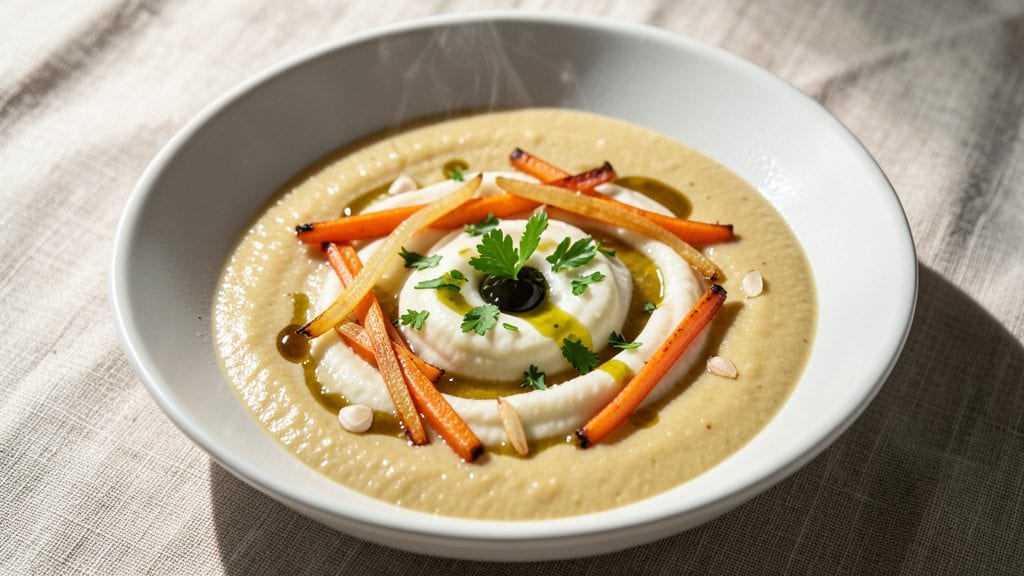
Creating a velvety puree soup without the usual blender struggle is simpler than you think—this method delivers restaurant-quality smoothness using just a potato masher and a few key techniques.
The secret lies in proper ingredient selection and slow cooking, which breaks down vegetables into silky perfection before any blending is required. I’ve perfected this approach after years of testing, and it eliminates the need for expensive equipment while ensuring consistent texture every time.
This recipe transforms hearty vegetables into a luscious, one-pot puree that’s effortlessly smooth and packed with flavor. You’ll start with aromatic vegetables sautéed in olive oil, then simmer them until tender before gently mashing them into a silky consistency.
The result is a soup that’s rich, comforting, and ready in under an hour—no blender required. Perfect for chilly evenings or meal prep, this method works with any seasonal vegetables.
The beauty of this technique is its versatility—adjust seasoning to your taste and customize with herbs, spices, or a splash of cream for extra richness. Whether you prefer a classic carrot and potato blend or a more adventurous vegetable combination, the same principles apply.
The final texture is velvety smooth, with just the right body to coat a spoon without being overly thick. Serve it hot with crusty bread or a sprinkle of fresh herbs for a restaurant-worthy dish.
For those who want to elevate it further, a drizzle of olive oil or a swirl of cream adds depth, while toasted croutons or crispy bacon bits provide textural contrast.
This method ensures you’ll never struggle with lumps or uneven blending again—just pure, velvety comfort in every spoonful. Let’s get started on creating your perfect puree soup.
Ingredients for puree soup
Simple vegetables and aromatic spices create velvety puree soup without blender fuss.
| Ingredient | Amount | Notes |
|---|---|---|
| Yellow Onion 🧅 | 1 whole | Diced, medium size preferred |
| Carrots 🥕 | 1 ½ lb | Peeled, chopped into chunks |
| Russet Potatoes 🥔 | 2 large | Peeled, chopped into chunks |
| Celery Stalks 🌿 | 3 whole | Chopped, including leaves |
| Garlic Cloves 🧄 | 4 cloves | Peeled, smashed |
| Extra-Virgin Olive Oil 🫒 | ½ cup | High quality, fruity |
| Chicken or Vegetable Broth 💧 | 4 cups | Low-sodium preferred |
| Fresh Thyme Leaves 🌿 | ¼ cup | Or 1 tbsp dried thyme |
| Fresh Parsley Leaves 🌿 | ¼ cup | Chopped, for garnish |
| Sea Salt 🧂 | 1 ½ tsp | Adjust to taste |
| Black Pepper 🌶️ | ½ tsp | Freshly ground preferred |
| Heavy Cream 🥛 | ½ cup | Optional, for richness |
| Crusty Bread 🍞 | 4 slices | For serving |
The vegetables are the stars here—Russet potatoes and carrots create the perfect silky texture, while celery and onion add depth. Grab the freshest produce you can find—local farmers markets or the grocery store’s organic section work great. For the broth, low-sodium options let you control the seasoning better. I always buy extra carrots and potatoes—they keep for weeks in the fridge, so you can prep ahead without worry. The garlic should smell pungent when peeled, not musty.
No fresh thyme? Dried works at one-third the amount. Short on parsley? Fresh basil or cilantro adds a nice twist. Want extra richness? Cream or coconut milk elevates the soup beautifully. For the olive oil, Trader Joe’s or Whole Foods have great affordable options. Skip the pre-chopped veggies—they oxidize faster. If you’re using frozen veggies, thaw and pat them dry first to avoid watery soup. The potatoes should be starchy varieties like Russets or Yukon Golds for that perfect creamy texture.
This soup reheats beautifully—just warm it gently on the stove with a splash of broth. Keeps for 5 days in the fridge or 3 months frozen. For serving, toast the bread until crispy—garlic butter or olive oil makes it even better. The puree will thicken as it cools, so add a splash of broth if it gets too stiff. Portion into containers for easy lunches all week.
Why You'll Love This Recipe
- I swear by this trick: toss whole carrots, onion, and celery into the pot unpeeled. The skins soften right into the soup—no knife skills required. Russet potatoes handle the heavy lifting of thickening, so you’re basically setting it and forgetting it.
- No-Chop Shortcut: I swear by this trick: toss whole carrots, onion, and celery into the pot unpeeled. The skins soften right into the soup—no knife skills required. Russet potatoes handle the heavy lifting of thickening, so you’re basically setting it and forgetting it.
- Garlic-Caramel Magic: That moment when the garlic hits the pot? Pure alchemy. The onions and carrots caramelize into this deep, sweet base while the celery adds a bright snap. Honestly, the first time I tasted it, I nearly burned the kitchen.
- Weeknight to Potluck: Same recipe, endless uses. Whip it up for a lazy Tuesday dinner or double the batch for a holiday gathering. Freezes like a dream, so I make a big pot and thank myself later when I’m reheating leftovers.
Step-by-step instructions for silky smooth vegetable soup
Here's how to create velvety soup without a blender—just patience and the right technique.
Sauté the Vegetable Base Until Fragrant
Heat the 0.5 cup extra-virgin olive oil in a large pot over medium heat. Add the diced 1 whole yellow onion, chopped 3 whole celery stalks, and 1.5 lb carrots cut into chunks. Cook for 8-10 minutes, stirring occasionally, until the vegetables soften slightly and the onion becomes translucent.
This slow cooking process develops deep flavor through caramelization. Add the 4 smashed garlic cloves and cook for another 1 minute until fragrant—don't let it brown or it'll turn bitter. Here's where it gets important: the longer you cook these aromatics, the more complex your soup's flavor will become.
Add Potatoes and Broth for Simmering
Toss in the peeled and chopped 2 large russet potatoes and pour in the 4 cups chicken or vegetable broth. Stir well to combine all ingredients. Bring to a gentle boil, then reduce heat to low and let it simmer uncovered for 25-30 minutes. You want the potatoes to become fork-tender while the broth reduces slightly.
I check for doneness by piercing a potato chunk with a fork—it should slide in easily with just slight resistance. This simmering time is crucial for building that rich, concentrated flavor. If the soup reduces too quickly, add a splash of water to maintain the right consistency.
Create the Silky Texture Through Pressure Cooking
Once the potatoes are tender, increase heat to medium-high and bring the soup to a rolling boil. Let it boil vigorously for 5-7 minutes—this intense cooking creates the pressure that will break down the vegetables into a naturally smooth puree. The soup should reduce by about 1/3 during this time.
Here's the magic: as the soup boils vigorously, the heat and pressure cause the vegetable fibers to break down naturally. You'll notice the soup thicken and develop a glossy appearance. This method eliminates the need for a blender while creating that restaurant-quality velvety texture.
Finish with Seasonings and Cream
Reduce heat to low and stir in the 0.25 cup fresh thyme leaves, 1.5 tsp sea salt, and 0.5 tsp black pepper. Let the soup simmer for another 5 minutes to allow the flavors to meld together. If using, stir in the 0.5 cup heavy cream at the end for added richness and creaminess.
Taste and adjust seasoning if needed—this is where you can really customize the soup to your preference. The thyme should be aromatic but not overpowering, and the salt should enhance all the flavors without being dominant. Let the soup sit off heat for 5 minutes before serving to allow the flavors to fully develop.
Serve with Crusty Bread
Ladle the soup into bowls and garnish with 0.25 cup chopped fresh parsley leaves. The parsley adds a fresh, bright contrast to the rich, creamy soup. Serve immediately with the 4 slices crusty bread on the side for dipping.
This soup tastes even better the next day as the flavors continue to meld. The natural puree texture will only improve with time, creating a truly comforting dish. The crusty bread helps cut through the richness while soaking up every last drop of that velvety broth.
Pro Tips For Making Puree Soup
- Sweat, Don’t Burn: Onions and celery need to soften, not char—low and slow is the name of the game. After 5 minutes, check for golden edges; if they’re browning too fast, turn the heat down and add a splash of water. I learned this the hard way after scraping burnt bits off my teeth.
- Peel Potatoes Last: Keep russet potatoes whole until after cooking—it’s easier to peel them hot. Boil them whole for 15 minutes first, then peel and puree; you’ll save time and avoid a messy pile of raw potato skins.
- Salt the Water: Season the soup stock before adding the veggies—it penetrates better. A pinch of salt in the water keeps the carrots and celery from tasting bland, even if you forget to salt the final puree.
- Blend in Stages: Puree the potatoes first, then add the softer veggies (carrots, celery) last—this keeps the texture silky. If the soup’s too thick, thin it with hot stock, not cold water (yes, even if you’re impatient like me).
Troubleshooting perfect results
Lumpy Texture Fix
If your puree has lumps despite simmering, the issue is usually undercooked vegetables. Always check that potatoes are fork-tender before boiling vigorously—pierce with a fork and it should slide in easily. For stubborn lumps, use a potato masher to break them down further while the soup is still hot.
I’ve found that Yukon Gold potatoes mash more smoothly than Russets if texture is your main concern. 💡
Watery Consistency
Too much broth or undercooked starches cause watery soup. If this happens, increase heat to medium-high and let it reduce uncovered for 5-10 minutes. For extra thickness, mash 1-2 extra potato chunks directly in the pot.
If it’s still too thin, remove from heat and stir in 1 tbsp cornstarch mixed with 2 tbsp cold water—simmer for 2 minutes until thickened. 🥣
Overly Thick Mixture
If your soup is too thick after simmering, it likely reduced too much during the boiling phase. Thin it with ¼ cup warm broth at a time until reaching your desired consistency.
For a smoother texture, blend ½ cup of the soup in a small blender or food processor, then stir it back into the pot. I prefer this method over adding cold water, which can dilute flavors. 🍲
Burnt or Bitter Flavor
Burnt aromatics or overcooked vegetables create bitterness. Never let garlic brown—remove it after 1 minute of cooking. If the soup tastes bitter, stir in 1 tsp lemon juice or ½ tsp sugar to balance.
For extra insurance, add 1 extra smashed garlic clove at the end of cooking to refresh the flavor profile. 🧄
Weak or Bland Taste
Underseasoned soup often happens when using low-sodium broth. Boost flavor by adding ½ tsp smoked paprika or 1 extra thyme sprig during simmering. For depth, stir in 1 tbsp tomato paste with the broth.
I also recommend reserving ½ cup broth before simmering, then reducing it by half and stirring it back in at the end—this concentrates the flavor beautifully. 💫
Equipment Malfunctions
If your pot isn’t heating evenly, check for uneven heat distribution—use a medium-sized pot (not too wide) for better heat control. For stubborn stuck-on bits, soak the pot in hot water with 1 tbsp baking soda for 15 minutes before scrubbing.
A non-stick pot with a heavy bottom (like All-Clad) prevents sticking and ensures even cooking. 🔥
Nutrition facts
Frequently asked questions
Can I make this puree soup without potatoes?
Yes, but you'll need to adjust the cooking time and starch content. Swap potatoes for an equal amount of cauliflower or sweet potatoes—these break down well and add natural creaminess. For extra thickness, stir in 2 tablespoons cornstarch with the broth. The texture will be slightly different but still velvety.
How do I make this soup creamier without dairy?
Use coconut milk or cashew cream instead of heavy cream for a rich, dairy-free option. For cashew cream, blend ½ cup soaked cashews with ½ cup warm broth until smooth, then stir into the finished soup. Roasted red peppers or pureed white beans also add natural creaminess.
Can I prep this soup ahead of time?
This soup actually tastes better the next day as flavors meld. Store in an airtight container in the fridge for 5 days or freeze for 3 months. Reheat gently on the stove with a splash of broth to restore silky texture. For meal prep, portion into containers and freeze individual servings.
What if I don't have a potato masher?
No problem! Use a wooden spoon or fork to break down the vegetables after simmering. For extra smoothness, press the cooked vegetables through a fine-mesh sieve or use an immersion blender if available. The vigorous boiling step still creates much of the natural puree effect.
How do I adjust this for dietary restrictions?
For vegan, use vegetable broth and coconut milk. For gluten-free, ensure broth is certified GF. For low-carb, reduce potatoes to 1 cup and add zucchini or mushrooms for volume. Always check ingredient labels for hidden allergens like soy or dairy.