
Soups & Stews
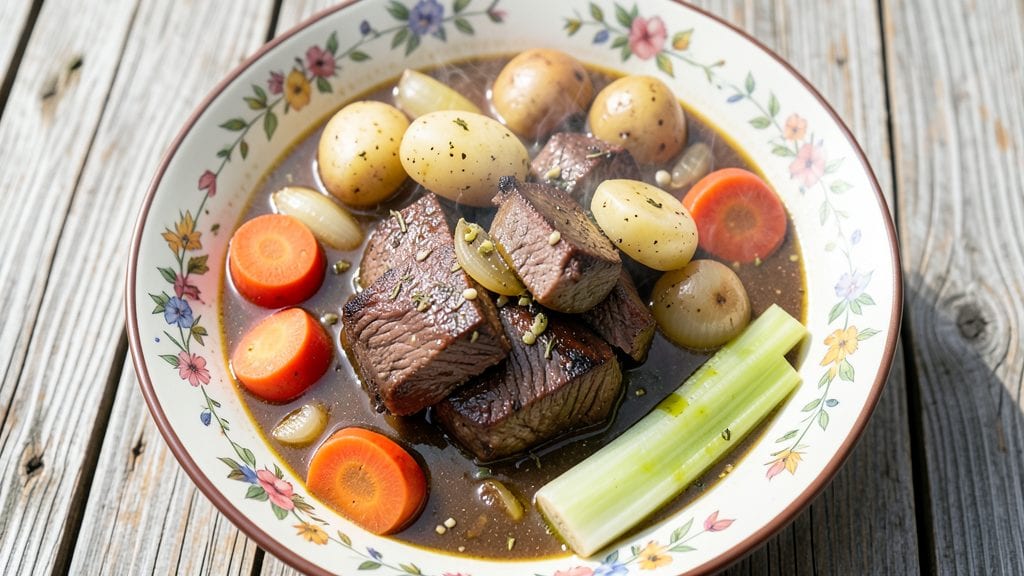
Olga's peasant soup recipe brings warmth to the table with its hearty blend of vegetables and tender meat, a dish born from generations of Eastern European kitchens. This one-pot wonder transforms simple ingredients into a deeply flavorful meal that's as nourishing as it is comforting.
I first encountered this recipe during a family gathering, where the aroma alone filled the house with memories of home.
The beauty of this soup lies in its rustic simplicity—no fancy techniques required, just time and patience. A rich broth simmers with root vegetables, potatoes, and meat until everything melds into perfect harmony.
The key is letting the flavors develop slowly, allowing the vegetables to soften just enough while maintaining their natural sweetness. It's the kind of dish that tastes even better the next day as the flavors deepen.
What makes this recipe special is its ability to feed a crowd while remaining budget-friendly, using ingredients that were once staples in peasant kitchens. The result is a bowl of soup that's deeply satisfying, with tender meat, hearty vegetables, and a broth so flavorful it disappears quickly.
Perfect for chilly evenings or when you need a meal that feels like a hug in a bowl.
This soup is incredibly versatile—add cabbage for extra heartiness, swap in different vegetables based on what's seasonal, or adjust the meat to your preference. The method stays true to its roots while adapting to modern tastes. Let's bring this classic to your kitchen.
Ingredients for olga's peasant soup
Classic peasant soup ingredients that honor tradition while adapting to modern tastes.
| Ingredient | Amount | Notes |
|---|---|---|
| Beef Chuck Roast 🥩 | 2 lb | Bone-in preferred for flavor |
| Yellow Onions 🧅 | 2 whole | Medium size, roughly chopped |
| Carrots 🥕 | 4 whole | Medium size, cut into chunks |
| Celery Stalks 🥬 | 4 whole | Cut into 1-inch pieces |
| Russet Potatoes 🥔 | 4 whole | Medium size, peeled and cubed |
| Garlic Cloves 🧄 | 6 cloves | Fresh, peeled and minced |
| Tomato Paste 🍅 | ½ cup | High-quality, unsweetened |
| Dried Bay Leaves 🍃 | 2 whole | Standard size, whole |
| Dried Thyme 🌿 | 1 tbsp | Fresh preferred if available |
| Black Peppercorns 🌶️ | 1 tsp | Freshly cracked preferred |
| Salt 🧂 | 2 tsp | Diamond Crystal kosher preferred |
| Beef Broth 💧 | 6 cups | Homemade or high-quality store-bought |
| Olive Oil 🫒 | ¼ cup | Extra-virgin for richness |
| Fresh Parsley 🌿 | ¼ cup | Chopped, for garnish |
| Sour Cream 🥛 | ½ cup | Full-fat for serving |
The beef chuck roast forms the heart of this soup—its marbled fat renders into the broth, creating depth of flavor. Costco or local butcher shops often carry high-quality cuts at reasonable prices, but avoid overly lean options. For vegetables, prioritize fresh, seasonal produce—carrots and celery should be crisp, while potatoes should yield to gentle pressure. The tomato paste acts as a flavor anchor, so Rao's or Barilla brands deliver consistent quality. Fresh herbs like thyme and parsley elevate the dish, but dried alternatives work in a pinch when fresh isn't available.
Substitutions should preserve the soup's rustic character. Pork shoulder or smoked sausage can replace beef for a different depth of flavor, though cooking times may vary. Swap carrots for turnips or parsnips for added complexity, or include cabbage or kale for extra heartiness. If tomato paste is unavailable, crushed tomatoes or a splash of red wine provide similar acidity. For a vegetarian version, mushrooms and lentils mimic the meaty texture while maintaining the dish's soul. Always adjust seasoning after substitutions—taste as you go.
This soup develops its full potential with time, so prepare it a day ahead for maximum flavor infusion. Store in an airtight container in the refrigerator for up to 5 days, though the broth often disappears before then. For longer storage, freeze portions for up to 3 months—simply reheat on the stovetop with a splash of water. The sour cream should be added just before serving to prevent curdling, and fresh parsley adds a vibrant finish that brightens every bowl.
Why You'll Love This Recipe
- One-Pot Magic: I swear by this recipe when I’m too tired to chop a million things—just toss in the onions, carrots, celery, and potatoes with the beef, cover it with broth, and let it simmer. No fancy techniques, no extra pots, and honestly? The flavors meld better this way.
- Deep, Savory Richness: That beef chuck roast breaks down into tender, melt-in-your-mouth pieces, while the onions caramelize just enough to add a sweet, umami depth. The potatoes soak up all the good stuff, turning into fluffy, hearty bites—no one will guess it’s "peasant" food.
- Leftovers That Shine: Between us, this soup only gets better after a day or two. The flavors deepen, the beef gets even more tender, and I’ve reheated it straight from the fridge for lunch without a second thought. (Yes, even on a Tuesday night.)
- Budget-Friendly Feast: A single chuck roast stretches across multiple meals, and the veggies are the kind you always have lying around. I’ve fed six people for under $15 with this—no fancy ingredients, just honest, satisfying comfort.
Step-by-step instructions for rustic vegetable stew
This method transforms humble ingredients into a deeply flavorful, hearty soup worthy of any table.
Sear the Beef Chuck Roast
Heat the 0.25 cup olive oil in a large Dutch oven over medium-high heat until shimmering. Pat the 2 lb beef chuck roast dry with paper towels and season generously with 2 tsp salt and 1 tsp black peppercorns. Place the roast in the pot and sear on all sides until deeply browned, about 8-10 minutes total. This step develops the rich, caramelized foundation for the soup.
Here's the thing—don't rush this. You want the exterior to develop a deep mahogany crust. If the oil starts smoking excessively, reduce heat slightly and continue searing. Once browned, remove the roast and set it aside on a plate.
Build the Vegetable Base
In the same Dutch oven, add the 2 whole yellow onions (roughly chopped), 4 whole carrots (cut into chunks), and 4 whole celery stalks (cut into 1-inch pieces). Cook over medium heat for 8-10 minutes, stirring occasionally, until the vegetables begin to soften and release their natural juices. You'll notice the mixture darkening slightly—this is the Maillard reaction at work, building flavor.
Add the 6 cloves garlic cloves (minced) and cook for an additional 1 minute until fragrant. Stir in the 0.5 cup tomato paste and cook for 2 minutes, allowing it to caramelize slightly. This creates a rich, umami base that will carry through the entire soup.
Simmer the Soup
Return the seared beef chuck roast to the Dutch oven. Add the 6 cups beef broth, 2 whole dried bay leaves, and 1 tbsp dried thyme. Bring to a boil, then reduce heat to low, cover partially, and let it simmer for 1 hour and 30 minutes. This long cooking time ensures the beef becomes fork-tender while allowing all the flavors to meld together.
After 1 hour, add the 4 whole russet potatoes (peeled and cubed) to the pot. Continue simmering for another 30-45 minutes until the potatoes are tender and the beef easily pulls apart with a fork. The soup should have a thick, hearty consistency with the vegetables fully integrated.
Finish and Serve
Remove and discard the dried bay leaves from the soup. Stir in the 0.25 cup fresh parsley (chopped) and adjust seasoning if needed. Ladle the soup into bowls and top each serving with 0.5 cup sour cream (divided among servings). The cool, creamy sour cream provides a beautiful contrast to the warm, rich broth.
This is the moment that matters: serve immediately while the soup is piping hot. The aroma alone will draw everyone to the table. Each spoonful should deliver tender beef, perfectly cooked vegetables, and a symphony of savory, herby flavors that define this rustic peasant tradition.
Pro Tips For Making Olga'S Peasant Soup
- Brown the Beef First: Don’t just toss in raw chuck roast—get it searing hot in the pot first. That crust locks in flavor and keeps the meat from turning to mush later. I used to skip this, and the soup always tasted like it needed more salt.
- Dice Onions Like Dice: Small, even pieces (about ¼-inch) cook faster and sweeten up better than big chunks. If you’re lazy like me, a food processor does this in seconds—but don’t skip the pulse step or you’ll end up with onion paste.
- Potatoes Last, Not First: Add potatoes with the last 20 minutes of cooking or they’ll turn to glue. I learned this after serving a soup where they were the only thing edible—still tasty, but not the same. Timing matters more than you’d think.
- Skim the Foam Early: After the beef browns, skim off the gray foam that rises—it’s just impurities. Leaving it in makes the broth cloudy and dull. Sounds weird, but it works: your soup will taste cleaner and richer. (Yes, even if you’re impatient like me.)
Make-ahead tips for this olga's peasant soup
Prep-Ahead Broth
Start your broth preparation the night before for maximum flavor. Simmer 6 cups beef broth with 2 bay leaves, 1 tbsp thyme, and 1 tsp black peppercorns for 30 minutes, then refrigerate overnight.
The cold broth will concentrate its flavors, and you can skim off any solidified fat before using it in the soup. This simple step transforms ordinary broth into something truly exceptional. 💫
Vegetable Prep
Chop all vegetables the day before and store them in separate airtight containers in the refrigerator. Keep carrots, celery, and onions in one container and potatoes in another.
This not only saves time but also allows the vegetables to soften slightly, which reduces cooking time by 15-20 minutes the next day. Just make sure to pat them dry before adding to the pot to prevent excess moisture. ✨
Meat Prep
Season and sear the 2 lb beef chuck roast up to 2 days ahead of cooking. Once browned, let it cool completely, then store it in the refrigerator in a ziplock bag with 1 tsp salt and ½ tsp pepper.
When you're ready to cook, simply transfer it to the pot with the vegetables and broth. This method ensures the meat stays flavorful and tender, even after refrigeration. 🥩
Slow Cooker Option
For a truly hands-off approach, use a 6-quart slow cooker to prepare the soup. After searing the beef and building the vegetable base, transfer everything to the slow cooker and cook on low for 8 hours or high for 5 hours.
The slow cooker's gentle heat mimics the long simmering process, allowing all the flavors to meld together beautifully. This is perfect for busy days when you want to come home to a fully cooked meal. 💡
Freezer-Friendly
Make a big batch and freeze individual portions for up to 3 months. Use quart-sized freezer bags and press out all the air to prevent freezer burn. When ready to eat, thaw overnight in the refrigerator and reheat on the stovetop with a splash of water or broth.
The texture and flavor will be just as good as when you first made it. This is a lifesaver for those days when you need a comforting meal with minimal effort. ❄️
Day-of Adjustments
On the day you plan to serve the soup, simply add the prepped vegetables and meat to the pot with the broth. Bring to a simmer and cook for 1 hour and 30 minutes, adding the potatoes in the last 30-45 minutes.
This method ensures everything is hot and ready to serve without requiring much of your time. The key is to taste and adjust seasoning just before serving—this is when the soup truly shines. 🔥
Nutrition facts
Frequently asked questions
Can I make this soup vegetarian?
Replace the beef with 1.5 cups dried lentils or 1 lb mushrooms (like cremini or portobello) for a hearty texture. Add 1 tbsp soy sauce or 1 tsp smoked paprika to deepen the umami flavor. For extra richness, stir in 1 cup coconut milk at the end. The soup will still be deeply satisfying while keeping its rustic charm.
Why does the recipe call for such a long cooking time?
The extended simmering—1.5-2 hours—is key to transforming tough beef into tender, fork-friendly pieces while developing complex flavors. The slow cooking also allows vegetables to soften evenly without turning mushy. Think of it like a flavor infusion: every minute in the pot lets the aromatics and spices meld together for that comforting, homey taste. Patience pays off with every spoonful!
What's the best way to reheat leftovers?
Reheat gently on the stovetop over medium-low heat, stirring occasionally, until piping hot (165°F). Avoid microwaving—it can make the broth watery. For extra richness, add a splash of beef broth or water. If the soup seems too thick after reheating, stir in a little more broth. The flavors actually improve overnight, so leftovers taste even better!
Can I use frozen vegetables instead of fresh?
Yes, but with adjustments! Use frozen carrots and celery (no need to thaw) and add them with the potatoes in the last 30 minutes of cooking. For onions, use fresh—they soften faster and won't hold up in the freezer. Frozen veggies work well for convenience, but fresh ones develop more natural sweetness during the long simmer. Either way, the soup will still be delicious!
How do I know when the potatoes are done?
Pierce a potato chunk with a fork—it should slide in easily with no resistance. If it offers slight pushback, cook 5-10 more minutes. Overcooked potatoes turn to mush, so aim for tender but still slightly firm. For foolproof timing, add them 30 minutes before the end of the cooking time. The potatoes should absorb the broth beautifully while staying intact.