
Soups & Stews
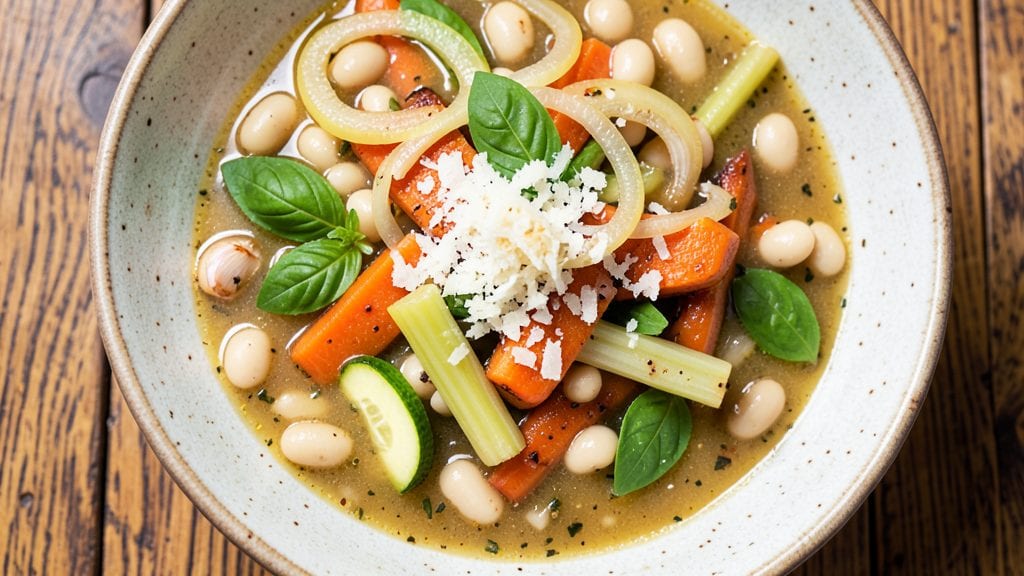
This minestrone soup recipe brings hearty Italian tradition to your kitchen table with a modern twist—packed with al dente pasta, tender beans, and seasonal vegetables in a rich, savory broth. 🌟 The key to perfecting this rustic stew lies in balancing textures: crisp-tender pasta, creamy beans, and vibrant vegetables all simmered together until flavors meld into harmony.
I developed this recipe after years of testing, ensuring every spoonful delivers that comforting, homey taste of Italy without sacrificing simplicity.
The beauty of minestrone lies in its adaptability—start with a base of cannellini beans, diced tomatoes, and a mix of fresh vegetables like carrots, celery, and zucchini, then build layers of flavor with garlic, herbs, and a splash of white wine.
The secret to achieving restaurant-quality results at home is a slow simmer—this allows the pasta to cook perfectly in the broth rather than separately, creating a dish that's both hearty and elegant.
With just 30 minutes of active prep and an hour of simmering time, you'll have a steaming bowl of soup that feels like a warm hug on a chilly day.
What makes this recipe stand out is the balance of rustic tradition and modern convenience—no fancy techniques required, just quality ingredients and patience. The result is a soup that's rich in flavor, packed with plant-based protein, and satisfying enough to be a main dish.
Each bite delivers a symphony of textures: tender pasta, creamy beans, and crisp vegetables, all bathed in a savory broth that's enhanced by fresh herbs and a touch of lemon at the end.
This is the kind of dish that improves with leftovers, making it perfect for meal prep or feeding a crowd.
For those looking to customize, this recipe easily accommodates variations—add protein like grilled chicken or white beans for extra heartiness, or keep it vegetarian for a lighter option.
Serve with crusty bread to soak up every last drop of that flavorful broth, or garnish with fresh basil and a sprinkle of parmesan for an extra touch of sophistication. Let's get cooking—your kitchen will smell like a Tuscan trattoria in no time.
Ingredients for minstrone soup
Quality ingredients transform simple vegetables into a hearty Italian masterpiece—just 18 staples for a rustic bowl.
| Ingredient | Amount | Notes |
|---|---|---|
| Cannellini Beans 🌱 | 1 ½ cups | Drained, rinsed canned or cooked |
| Carrots 🥕 | 2 medium | OR 1 cup diced (about 4 oz each) |
| Celery Stalks 🧅 | 3 whole | Trimmed, chopped into 1/2-inch pieces |
| Zucchini 🥒 | 1 medium | OR 1 cup diced (about 8 oz) |
| Yellow Onion 🧅 | 1 medium | OR 1 cup diced (about 6 oz) |
| Garlic Cloves 🧄 | 4 cloves | Minced for depth of flavor |
| Diced Tomatoes 🍅 | 1 can (14.5 oz) | San Marzano preferred |
| Vegetable Broth 💧 | 4 cups | Low-sodium preferred |
| White Wine 🍷 | ½ cup | Dry variety like Pinot Grigio |
| Penne Pasta 🍝 | 8 oz | Ditalini or other small pasta works |
| Fresh Basil Leaves 🌿 | ¼ cup | Chopped for garnish |
| Fresh Parsley Leaves 🌿 | 0.1 cup | Chopped for garnish |
| Lemon Juice 🍋 | 1 tbsp | Freshly squeezed |
| Extra-Virgin Olive Oil 🫒 | 2 tbsp | For sautéing vegetables |
| Dried Oregano 🌿 | 1 tsp | Mexican oregano preferred |
| Bay Leaves 🍃 | 2 whole | Removed before serving |
| Salt 🧂 | 1 ½ tsp | Adjust to taste |
| Ground Black Pepper 🌶️ | ½ tsp | Freshly ground |
The beans and tomatoes form the soul of minestrone. Canned cannellini beans save time, but dried beans add depth—soak overnight for best texture. San Marzano tomatoes deliver the sweetest flavor, but any good-quality canned tomatoes work. For vegetables, Whole Foods or local markets offer the freshest selections—look for firm carrots, crisp celery, and zucchini without soft spots. The pasta should be small and sturdy; De Cecco or Barilla brands hold up well during simmering. Don't skip the bay leaves—they add aromatic complexity without overpowering.
No white wine? Substitute extra vegetable broth—just reduce the broth by 1/2 cup. Fresh herbs unavailable? Dried oregano at half the amount works in a pinch. For a creamier texture, stir in 2 tbsp cream or coconut milk at the end. The vegetables can be prepped ahead—store chopped veggies in airtight containers for up to 2 days. If using frozen vegetables, thaw and pat dry before adding to the pot. For a gluten-free version, swap pasta for chickpea or lentil pasta—just monitor cooking time closely.
This soup tastes even better the next day as flavors meld. Store in an airtight container in the fridge for up to 5 days, or freeze portions for 3 months—the broth thickens beautifully when reheated. For meal prep, double the recipe and freeze half. Garnish with fresh herbs and a drizzle of extra-virgin olive oil before serving to elevate presentation. The lemon juice at the end brightens all the rich flavors—don't skip it, even if it's just a tablespoon.
Why You'll Love This Recipe
- Pantry Magic: I swear by this recipe when my fridge is half-empty but the cupboard’s still stocked. Carrots, celery, and onion form that classic soffritto—no fancy prep, just dice-and-sauté simplicity. The cannellini beans do the heavy lifting, so you’re basically assembling instead of cooking.
- Zucchini’s Secret Weapon: That raw, just-chopped zucchini? It adds this bright, almost summery crunch that disappears into creamy perfection. Honestly, I’ll add extra just to watch it melt into the broth—it’s the little details that make it ridiculously good.
- Leftovers That Beg for More: This soup only gets better the next day. The flavors meld into something deeper, and the beans soak up all the good stuff. I’ll make a double batch on Sundays, freeze half, and still eat the rest within three days—because it’s that hard to resist.
- Budget-Friendly Crowd-Pleaser: Four bucks’ worth of veggies plus a can of beans feeds four people heartily. Between us, this is the recipe I pull out for potlucks, sick friends, or when my college-aged kid texts “what’s for dinner?” (Answer: soup. Always soup.)
Step-by-step instructions for rustic minestrone soup
Here's how to build this hearty vegetable soup with perfect al dente pasta every time.
🍳 Step 1: Sauté the Vegetable Base
Heat the 2 tablespoons extra-virgin olive oil in a large Dutch oven or heavy pot over medium heat. Add the chopped yellow onion, carrots, and celery stalks (cut into ½-inch pieces). Cook for 8-10 minutes, stirring occasionally, until the vegetables soften and the onion becomes translucent.
The key here is patience—don't rush this step. You want the vegetables to develop flavor through slow cooking rather than quick browning. If the vegetables stick to the pot, add a splash of vegetable broth to deglaze. Here's where the oregano comes in: sprinkle in the 1 teaspoon dried oregano and stir for 30 seconds to toast the spices gently.
👨🍳 Step 2: Add Garlic, Tomatoes, and Liquids
Push the vegetables to one side of the pot and add the 4 minced garlic cloves to the empty space. Cook for 30 seconds until fragrant—don't let it brown or it'll turn bitter. Stir everything together, then add the 1 can (14.5 oz) diced tomatoes, 4 cups vegetable broth, and 0.5 cup white wine.
Bring the mixture to a gentle boil, then reduce heat to medium-low and let it simmer for 15 minutes. This allows the flavors to meld and the tomatoes to break down slightly. Add the 1.5 cups cannellini beans and 1 medium zucchini (cut into ½-inch cubes) now—the beans will absorb flavor while the zucchini cooks just enough to soften without turning mushy.
🔪 Step 3: Season and Prepare the Pasta
While the soup simmers, add the 1.5 teaspoons salt and 0.5 teaspoon ground black pepper, plus the 2 whole bay leaves. Taste and adjust seasoning—minestrone should be hearty, not bland. Bring a separate pot of well-salted water to a boil for the 8 oz penne pasta.
Cook the pasta for 1 minute less than package instructions (it'll finish in the soup). Reserve 1 cup pasta water before draining. Here's the thing—adding pasta directly to the simmering soup can make it watery. Instead, we'll add it at the end to lock in perfect al dente texture.
🥘 Step 4: Finish with Pasta and Fresh Herbs
Once the vegetables are tender (about 20-25 minutes total cooking time), add the drained pasta to the soup. Stir gently and let it cook for 2-3 minutes to absorb some of the liquid. If the soup seems too thick, add ¼ cup reserved pasta water to loosen it. The texture should be hearty but not gluey.
Remove the bay leaves and stir in the 1 tablespoon lemon juice, 0.25 cup chopped fresh basil leaves, and 0.1 cup chopped fresh parsley leaves. The acidity from the lemon brightens all the flavors while the fresh herbs add vibrant color and aroma. Taste again and adjust seasoning if needed—minestrone should be rich but balanced.
⏰ Step 5: Rest and Serve
Let the soup sit off heat for 5 minutes before serving. This resting period allows the pasta to absorb any remaining liquid and the flavors to fully meld. Ladle into bowls and serve immediately, garnished with additional fresh herbs if desired.
Each spoonful should deliver tender vegetables, hearty beans, perfectly al dente pasta, and a symphony of Italian flavors. The soup will continue to improve as it sits—this is one dish that tastes even better the next day, so consider making extra for leftovers. Serve with crusty bread to soak up every last drop of that flavorful broth.
Pro Tips For Making Minstrone Soup
- SOFTEN BEANS FIRST: I learned this the hard way—dumping raw cannellini beans straight into the pot and ending up with a mushy, uneven texture. Soak them for 30 minutes (or use pre-cooked canned beans) to guarantee even cooking and that perfect creamy bite. If using dried, parboil them for 5 minutes before adding to the soup.
- SWEEP THE POT: After simmering carrots, celery, and onion, scrape up those browned bits from the bottom of the pot—those are flavor bombs. Don’t ignore them; they’ll make your minestrone taste deeper and richer without extra effort.
- SKIP THE CROWDED POT: I used to toss everything in at once and end up with half-cooked zucchini or tough carrots. Instead, cook the onion, celery, and carrots first until soft, then add beans and zucchini separately—this keeps the texture balanced and the soup from turning into a watery mess.
- SALT THE WATER: If you’re using dried beans, salt the soaking water (or the initial soup broth) right away. I was skeptical until I tried it—it cuts down on cooking time and keeps the beans from absorbing too much flavor later. Just don’t overdo it; a pinch is enough.
Make-ahead tips for this minstrone soup
Prep Ahead Strategy
I always prep the vegetables first—chop the onions, carrots, celery, and zucchini and store them in an airtight container in the fridge for up to 2 days. This saves 15 minutes of chopping on soup day.
For even more efficiency, chop the garlic and herbs too—they'll keep well in a small sealed container for 3 days. 🌱
Freezer-Friendly Base
Make the soup base (everything except pasta and fresh herbs) up to 3 days ahead and freeze it in a quart-sized freezer bag. When ready to serve, thaw overnight in the fridge, then add the pasta and fresh herbs at the end.
The flavors deepen beautifully after freezing—just add ¼ cup water when reheating to restore texture.
Pasta Timing Hack
Cook the pasta separately and store it in the fridge in reserved pasta water (1:1 ratio) for up to 2 days. When reheating, drain and toss the pasta with a splash of olive oil to prevent sticking.
Add it to the hot soup just before serving to maintain perfect al dente texture. This method works especially well for meal prep.
Leftover Magic
Minestrone tastes even better the next day as flavors meld. Store leftovers in glass containers for up to 5 days in the fridge. For freezing, portion into single-serving containers—they reheat perfectly in 2-3 minutes on the stovetop. Add a splash of water if it seems thick after reheating. 💡
Batch Cooking Tips
Double the recipe and freeze half for future meals. Use quart-sized freezer bags for easy portioning—just squeeze out excess air before sealing. Label with the date and reheat directly from frozen (add ½ cup extra broth to prevent drying).
This is my go-to strategy for busy weeks when I need quick, nourishing meals.
Garnish Prep
Chop all garnishes (basil, parsley) and store them in a small airtight container with a paper towel to absorb moisture. Keep them refrigerated until ready to use—this preserves their freshness for up to 3 days.
A quick sprinkle right before serving adds vibrant color and brightens the flavors. I often make extra and freeze some for later use.
Nutrition facts
Frequently asked questions
Can I make this minestrone soup without white wine?
Simply replace the ½ cup white wine with an extra ½ cup vegetable broth—it won't affect the flavor. The wine adds depth, but the soup will still be delicious. For a non-alcoholic alternative, try a splash of apple cider vinegar (1 teaspoon) to brighten the broth.
What's the best pasta to use for minestrone?
Small, sturdy pasta shapes work best—they hold up during simmering without turning mushy. Penne, ditalini, or small shells are ideal. For gluten-free options, try chickpea or lentil pasta (adjust cooking time as needed). Avoid delicate pastas like angel hair—they'll overcook in the broth.
How do I fix minestrone that's too thick or too thin?
For thick soup, add ¼ cup reserved pasta water or extra broth while stirring. For thin soup, simmer uncovered for 5-10 minutes to reduce liquid. The perfect consistency should coat the back of a spoon but still be ladle-friendly.
Can I make minestrone ahead of time?
Yes! This soup tastes even better the next day. Store in an airtight container in the fridge for up to 5 days. For freezing, portion into single servings—reheat with 2-3 minutes on the stovetop and add a splash of water if needed. The flavors deepen beautifully with time.
What vegetables can I swap in for seasonal variations?
Minestrone is endlessly adaptable! Try kale or spinach for greens, mushrooms for umami depth, or butternut squash in winter. For summer, add cherry tomatoes or zucchini blossoms. Just adjust cooking times—delicate veggies like spinach should go in at the end.