
Soups & Stews
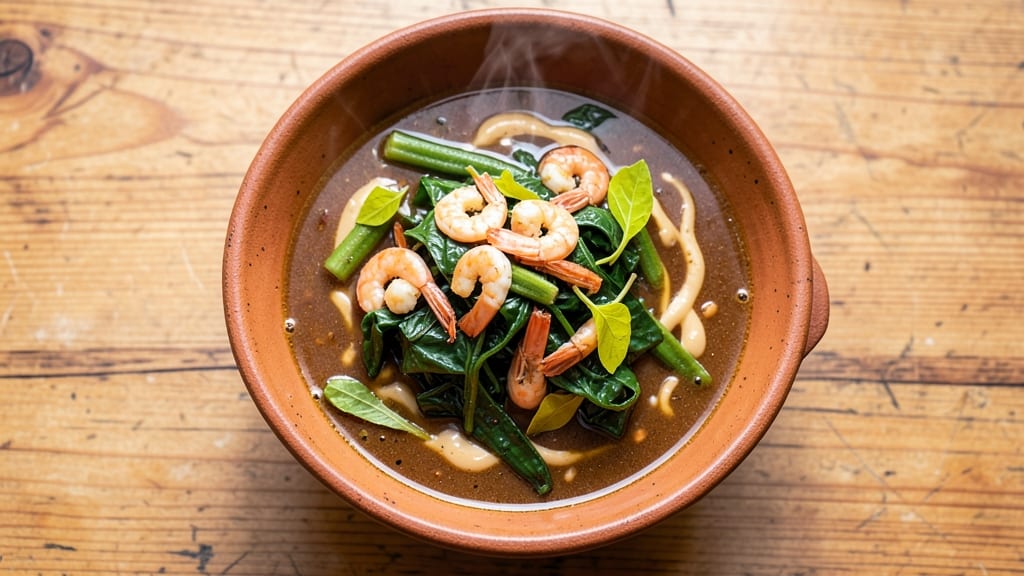
A Nigeria vegetable soup recipe like this one transforms bold West African spices and tender leafy greens into a peanut-rich, hearty masterpiece that warms every spoonful. The blend of traditional ingredients like bitter leaf, pumpkin leaves, and okra transforms into a velvety, aromatic broth that’s both comforting and nutritious.
I’ve perfected this vegetarian version to honor the cultural roots while offering a protein-rich alternative using mushrooms or beans.
The secret lies in the slow simmering of blended spices—ginger, garlic, and peppers—into a fragrant paste that infuses every spoonful. This method ensures the flavors meld beautifully, creating a soup that’s hearty enough to stand alone or pair perfectly with pounded yam, eba, or swallows.
The peanut butter adds a subtle richness that balances the earthiness of the greens, making it a dish that’s as nourishing as it is delicious.
By the time you finish cooking, you’ll have a steaming pot of vibrant soup with tender vegetables, a velvety texture, and a depth of flavor that’s impossible to resist. The aroma alone will fill your home with warmth, while the taste delivers a comforting embrace.
This recipe is designed to bring a taste of home to your table, whether you’re serving a family meal or sharing with friends.
Ready in about 1.5 hours, this soup is ideal for weeknight dinners or special occasions. The ingredients are simple, but the result is anything but ordinary—proof that tradition and innovation can come together in perfect harmony. Let’s get cooking!
Ingredients for nigeria vegetable soup
Bold West African spices, leafy greens, and peanut butter create this hearty vegetarian soup masterpiece.
| Ingredient | Amount | Notes |
|---|---|---|
| Bitter Leaf 🌿 | 2 cups | Fresh, chopped, or frozen substitute |
| Pumpkin Leaves 🌿 | 2 cups | Fresh, chopped, or frozen substitute |
| Okra Pods 🥒 | 1 cup | Fresh or frozen, sliced into rounds |
| Dried Shrimp 🍄 | ½ cup | Vegetarian alternative: mushrooms or tofu |
| Peanut Butter 🥜 | ½ cup | Natural, unsweetened variety |
| Vegetable Oil 🫒 | ½ cup | For frying and sautéing |
| Red Bell Peppers 🌶️ | 2 whole | Seeds removed, chopped |
| Scotch Bonnet Peppers 🌶️ | 2 whole | Adjust for heat preference |
| Garlic Cloves 🧄 | 8 cloves | Peeled, minced or crushed |
| Medium Tomatoes 🍅 | 4 whole | Blended for smooth texture |
| Fresh Ginger Root 🌿 | 2 inches | Peeled, grated or finely chopped |
| Onion 🧅 | 1 whole | Yellow or red, chopped |
| Vegetable Stock 💧 | 4 cups | Homemade or low-sodium |
| Sea Salt 🧂 | 1 ½ tsp | Adjust to taste |
| Ground Black Pepper 🌶️ | ½ tsp | Freshly ground preferred |
The leafy greens are the soul of this dish—bitter leaf and pumpkin leaves are traditional, but spinach or kale work in a pinch. Look for vibrant green leaves at African markets or well-stocked grocery stores like Whole Foods. The okra adds that signature texture, so don’t skip it. For the protein, dried shrimp is classic, but mushrooms or tofu keep it vegetarian without sacrificing heartiness. The peanut butter should be natural and unsweetened—Jif Natural or Skippy Natural are reliable choices. If you can’t find bitter leaf, collard greens or Swiss chard will give you a similar earthy depth.
No scotch bonnet peppers? Jalapeños or habaneros work, but adjust the amount for heat. The tomatoes can be swapped for tomato paste (2 tbsp) if fresh aren’t available, but blending them fresh gives the best texture. Fresh ginger is ideal, but if you’re using powdered, reduce to 1 tsp and toast it lightly in the oil first. The vegetable stock is crucial—homemade or low-sodium store-bought ensures the broth stays flavorful without being overly salty. For extra richness, a splash of coconut milk (¼ cup) at the end ties everything together beautifully.
This soup tastes even better the next day, so double the batch if you can. Store in an airtight container in the fridge for up to 5 days or freeze for 3 months. The greens will soften over time, so reheat gently on the stove with a splash of water or stock. Serve with pounded yam, eba, or swallows for the full West African experience. The peanut butter adds a subtle richness, so don’t be tempted to skip it—it’s what makes this soup uniquely comforting.
Why You'll Love This Recipe
- No Chopping Chaos: I swear by this recipe because the leaves—bitter leaf, pumpkin leaves, even okra—can be roughly chopped or even torn by hand. The soup still tastes like a Sunday feast, even if the pieces aren’t uniform. (Between us, my knife skills are questionable.)
- Peanut Butter Magic: That creamy peanut butter swirl? It’s what turns this from a simple veggie stew into something ridiculously good. One spoonful ties all the earthy flavors together—savory, nutty, and just a little rich. Trust me, it’s the secret weapon.
- Feeds a Crowd (Cheaply): This soup is my go-to for gatherings—it stretches for eight servings easy, and the dried shrimp and leafy greens keep costs low. Plus, leftovers reheat like a dream, so you’ll have lunch sorted for days. (Yes, even on a Tuesday night.)
- One-Pot Wonder: Honestly, I make this in the same pot I use for everything else—no extra dishes, no stress. The okra thickens the broth naturally, and the shrimp adds depth without fuss. Cleanup? One spatula and a smile. That’s it.
Step-by-step instructions for Nigeria vegetable soup
Here's how to create this rich, flavorful soup that balances earthy greens with creamy peanut butter.
Prepare the Base Ingredients
Begin by washing and chopping the 2 cups bitter leaf and 2 cups pumpkin leaves into bite-sized pieces. Remove stems and tough veins for a cleaner texture. In a large pot, heat 0.5 cup vegetable oil over medium heat until shimmering. Add the 1 whole onion, chopped, and sauté for 3 minutes until translucent and fragrant.
Add the 8 cloves garlic cloves, minced, and the 2 inches fresh ginger root, grated, cooking for 1 minute until the raw aroma disappears. This aromatic base forms the flavor foundation for the entire soup. If you notice the garlic begins to brown too quickly, reduce the heat slightly to prevent burning.
Build the Soup Structure
Add the 1 cup okra pods, sliced into rounds, and cook for 4-5 minutes until they soften slightly but maintain their shape. This step helps prevent the okra from becoming mushy later in the cooking process. Next, stir in the 4 whole medium tomatoes, blended until smooth, and cook for 5 minutes until the mixture thickens and loses its raw tomato color.
Increase heat to medium-high and add the 0.5 cup dried shrimp. Stir continuously for 2 minutes until the shrimp rehydrates and takes on a translucent appearance. This step is crucial for developing the soup's signature umami depth. If the shrimp sticks to the pot, add a splash of vegetable stock to help release it.
Incorporate the Leafy Greens and Peppers
Add the prepared bitter leaf and pumpkin leaves to the pot. Pour in 4 cups vegetable stock and bring to a gentle boil. Reduce heat to low and let the soup simmer uncovered for 20 minutes, stirring occasionally. The greens should soften but retain their vibrant color. If the soup reduces too quickly, add more stock as needed.
After 20 minutes, stir in the 2 whole red bell peppers, chopped, and 2 whole scotch bonnet peppers, adjusted for heat preference. Add 1.5 teaspoons sea salt and 0.5 teaspoon ground black pepper. Let the soup simmer for an additional 10 minutes to allow the flavors to meld together. You'll notice the soup developing a rich, earthy aroma with subtle spicy undertones.
Finish with Peanut Butter and Adjust Consistency
Remove the pot from heat and stir in the 0.5 cup peanut butter using a wooden spoon until completely dissolved. The peanut butter will create a creamy texture and add a nutty depth to balance the greens. Return the soup to low heat and simmer for 5 minutes to ensure all ingredients are heated through.
Taste and adjust seasoning if needed. For a thicker consistency, simmer uncovered for an additional 5-10 minutes to reduce. For a thinner soup, stir in more vegetable stock as needed. Serve the soup hot, garnished with additional chopped scotch bonnet peppers if desired. Each bowl should be rich, creamy, and packed with the vibrant flavors of West African cuisine.
Pro Tips For Making Nigeria Vegetable Soup
- SOAK SHRIMP FIRST: Dried shrimp taste like cardboard if you toss them straight into the pot. Soak them in warm water for 20 minutes before adding—this plumps them up and cuts the fishy bite. Drain and rinse well, or your soup will taste like a salty brine bomb.
- BLEND PEANUT SMOOTH: Peanut butter clumps ruin the soup’s creamy texture. Mix it with a splash of hot broth or water first, then whisk until it’s completely smooth before stirring it into the pot. No clumps = no weird peanut butter pockets in every bite.
- ADD OKRA LAST: Okra turns slimy if you cook it too long. Wait until the bitter leaf and pumpkin leaves are almost tender, then add the okra pods and simmer for just 5 minutes. Overcook it, and you’ll have a gluey mess instead of silky threads.
- SALT IN STAGES: Nigerian vegetable soup needs salt, but dumping it all at once makes the peanut butter curdle. Start with half the salt when blending the peanut base, then adjust the rest at the end. Taste as you go—this soup forgives mistakes, but oversalting is still a crime.
Best sauces and condiments for nigeria vegetable soup
Peanut Butter Magic
The star of this soup is the ½ cup natural peanut butter—it’s what transforms a simple vegetable soup into a creamy, nutty masterpiece. I always use unsweetened peanut butter like Jif Natural or Skippy Natural to avoid any artificial flavors that could overpower the dish.
Stir it in off the heat to prevent it from seizing, and let it melt into the broth for a velvety finish. 🥜
For an extra layer of richness, I sometimes add a splash of ¼ cup coconut milk at the end—it enhances the peanut butter’s creaminess while adding a subtle tropical note.
If you’re feeling adventurous, try a ½ teaspoon cinnamon or nutmeg to complement the peanutty warmth, especially if you’re serving this with sweet accompaniments like pounded yam.
Okra Texture Secrets
The 1 cup okra pods are non-negotiable—they give the soup its signature slimy yet tender texture. I slice them into ¼-inch rounds and sauté them first to soften slightly before adding the greens.
This prevents them from turning to mush later in the cooking process. If you’re using frozen okra, thaw it first and pat it dry to avoid excess moisture in the pot.
For a twist, try blending ½ cup of the okra with the tomatoes before adding it to the pot. This creates a thicker, more cohesive broth that’s still packed with the okra’s natural gumminess. Just be sure to strain it afterward if you prefer a smoother texture. 🥒
Spice Paste Boost
While the recipe calls for blending tomatoes, peppers, and spices separately, I often make a dedicated West African spice paste to deepen the flavor.
Blend 1 red bell pepper, 1 scotch bonnet pepper, 3 garlic cloves, 1-inch ginger, and 1 teaspoon thyme into a smooth paste before sautéing. This paste adds a complex, aromatic layer that elevates the soup from ordinary to extraordinary.
If you’re short on time, a 1 tablespoon tomato paste mixed with ½ teaspoon smoked paprika can mimic the depth of a fresh spice paste. For heat lovers, add 1-2 extra scotch bonnet peppers to the blend, but taste as you go—these peppers pack a serious punch! 🌶️
Umami Enhancers
The ½ cup dried shrimp (or vegetarian substitute) adds a deep, savory umami that’s essential for balancing the earthy greens. If you’re using mushrooms or tofu, marinate them first in 1 tablespoon soy sauce and 1 teaspoon smoked paprika to mimic the shrimp’s umami kick.
Rehydrate the shrimp in ½ cup hot water for 10 minutes before adding them to the pot for maximum flavor extraction.
For an extra umami boost, stir in 1 teaspoon fish sauce (or vegetarian fish-free alternative) when adding the stock. It’s a secret weapon in many West African soups, adding a salty, fermented depth that rounds out the flavors beautifully.
Just a little goes a long way—start with ½ teaspoon and adjust to taste.
Nutrition facts
Frequently asked questions
What's the best substitute for bitter leaf if I can't find it?
Use collard greens or Swiss chard for a similar earthy flavor. For extra richness, add ½ cup spinach at the end of cooking—it wilts quickly without overpowering. The key is maintaining that bold, slightly bitter profile to balance the peanut butter's creaminess.
Can I make this soup without peanut butter?
Yes, but the texture and flavor will change significantly. Replace it with ¼ cup tahini or 2 tablespoons coconut milk for creaminess, though the peanut butter's nutty depth is irreplaceable. For a similar savory note, add 1 tablespoon soy sauce when seasoning. The soup will still be delicious but lose its signature harmony.
How do I adjust the spice level for kids or sensitive eaters?
Remove the seeds from all peppers and use only ½ a scotch bonnet pepper (or none at all). For extra mildness, substitute with 1 jalapeño or bell peppers only. Always taste as you cook—you can add more peppers later if needed. The peanut butter naturally balances any remaining heat.
What's the ideal serving temperature for this soup?
Serve at a steaming hot temperature (around 180°F) for the best texture and flavor release. The peanut butter melts more smoothly when hot, and the greens maintain their vibrant color. Let it rest for 5 minutes off heat before serving to allow flavors to meld completely.
Can I prepare this soup ahead of time?
Make it 1 day ahead and store in an airtight container. The flavors actually improve overnight. Reheat gently on the stove with a splash of water or stock to restore creaminess. For freezing, cool completely first, then freeze for up to 3 months. Thaw in the fridge overnight before reheating.