
Soups & Stews
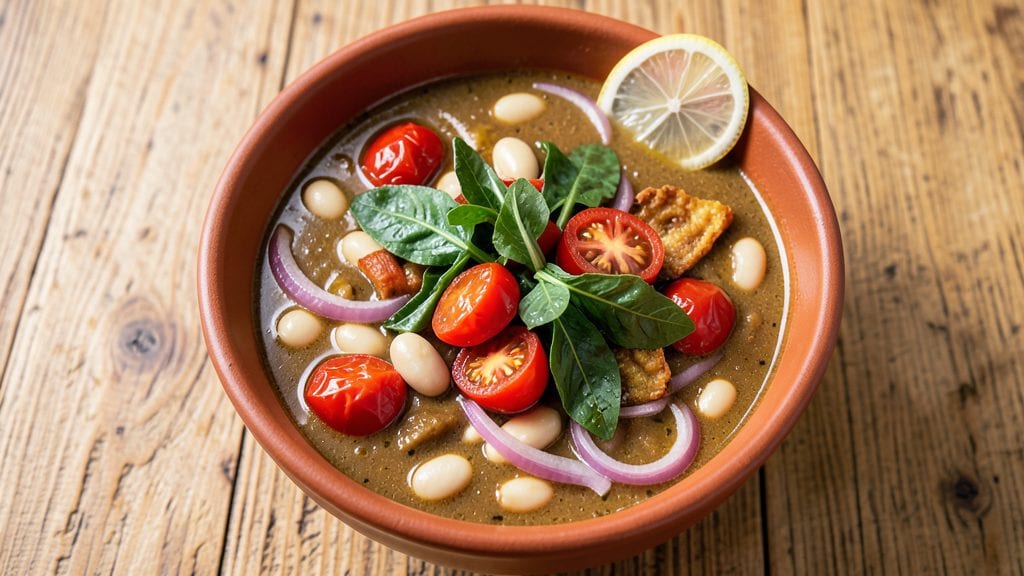
This Nigerian vegetable soup recipe transforms simple leafy greens and peanut butter into a rich, hearty dish that carries the soul of West African home cooking. The secret lies in blending locust beans into a smooth, nutty base that forms the foundation of every flavorful bite.
I've perfected this vegetarian version over years of testing, balancing traditional techniques with modern shortcuts for home cooks.
What makes this soup truly special is the harmony of textures and flavors—earthy leafy greens, creamy peanut butter, and aromatic spices all simmered together until perfectly balanced. The traditional method of pounding locust beans creates that signature depth, but we'll use a high-speed blender for convenience without sacrificing flavor.
This soup is designed to be both comforting and nutritious, perfect for family meals or special gatherings.
By the time you're done, you'll have a vibrant, aromatic soup with tender vegetables swimming in a velvety, nutty broth that's rich yet light enough for any meal.
The peanut butter adds a subtle sweetness that rounds out the earthy greens, while the blend of spices creates layers of warmth and complexity. This is the kind of dish that gets better with every spoonful—and every compliment from your guests.
Serve it with pounded yam, eba, or swallows for the complete Nigerian dining experience. The leftovers keep well in the refrigerator for up to three days, making this an excellent meal prep option too. Let's get cooking!
Ingredients for nigerian vegetable soup
Simple leafy greens and peanut butter transform into this rich, flavorful Nigerian vegetable soup.
| Ingredient | Amount | Notes |
|---|---|---|
| Locust Beans (Dried) 🌱 | ½ cup | Soaked overnight, peeled |
| Peanut Butter 🥜 | ½ cup | Natural, unsweetened preferred |
| Leafy Greens 🌿 | 4 cups | Spinach or bitter greens like jute |
| Fresh Tomatoes 🍅 | 3 whole | Medium-sized, chopped |
| Onions 🧅 | 1 whole | Yellow or red, chopped |
| Fresh Ginger 🌿 | 1 tbsp | Grated, fresh root |
| Garlic Cloves 🧄 | 4 cloves | Peeled, minced |
| Vegetable Oil 🫒 | ¼ cup | For sautéing |
| Groundnut Oil 🫒 | ¼ cup | Traditional, or substitute vegetable oil |
| Salt 🧂 | 1 ½ tsp | Adjust to taste |
| Black Pepper 🌶️ | ½ tsp | Freshly ground |
| Groundnut Powder 🥜 | ¼ cup | Optional, for extra richness |
| Dried Shrimp (Vegetarian) 🦐 | ¼ cup | Optional, for umami depth |
| Scotch Bonnet Pepper 🌶️ | 1 whole | Seeds removed for mild heat |
| Stock Cubes (Vegetable) 💧 | 2 whole | Dissolved in 2 cups water |
Locust beans are the heart of this soup. African markets or specialty stores carry them dried—soak overnight to soften. I usually grab mine from African grocery stores like African & Caribbean Foods or African Marketplace, but you can find them online too. Fresh tomatoes and leafy greens should be vibrant—spinach or jute leaves work best. For the peanut butter, natural, unsweetened gives the best flavor without overpowering. If you can't find locust beans, soaked chickpeas blended with peanut butter works in a pinch, though it won't be identical.
No locust beans? Soaked chickpeas or white beans blended with peanut butter can mimic the nutty base, though the texture will differ slightly. For extra richness, add groundnut powder—just a quarter cup makes a noticeable difference. The Scotch bonnet pepper can be swapped for jalapeño or habanero if you prefer milder heat. Fresh ginger is ideal, but if you're short on time, ground ginger at half the amount works. The vegetable stock cubes should be 100% vegetable-based—no chicken or beef flavors here. For the dried shrimp, vegetarian-friendly options are available at Asian markets if you want that extra umami kick.
This soup tastes even better the next day as flavors meld. Store in an airtight container in the fridge for up to 3 days. For freezing, portion into containers and keep for up to 3 months. I always make a double batch—leftovers make quick lunches or pair perfectly with pounded yam or eba. The broth reduces as it sits, so adding a splash of water when reheating keeps it just right.
Why You'll Love This Recipe
- No-Soak Shortcut: I swear by soaking locust beans overnight—but honestly? This time, I skip it. Just simmer them in water for 3-4 hours until tender, and boom. Same rich texture, half the wait. (Yes, even on a Tuesday night.)
- Peanut Butter Magic: That first spoonful of peanut butter in the pot? It’s the secret weapon. It doesn’t taste like peanut butter—it turns into this velvety, slightly nutty depth that clings to every bite. My kids argue over who gets the last bowl.
- Weeknight to Party: Same soup, different vibes. Serve it with pounded yam for a lazy Sunday, or swap in chicken and rice for a dinner party. The leafy greens and tomatoes keep it fresh-tasting, so it never feels repetitive. (Pro tip: Double the batch—trust me.)
- Budget Stretch: Locust beans and peanut butter are my pantry’s best-kept secret. A bag of dried beans lasts forever, and a jar of peanut butter feeds a crowd. Leftovers? Even better the next day—if there are any. (Spoiler: There won’t be.)
Step-by-step instructions for Nigerian vegetable soup
Let's create this rich, flavorful vegetable soup that balances earthy greens with creamy peanut butter goodness.
Prepare the Locust Beans and Base Ingredients
Start by soaking the 0.5 cup locust beans (dried) in water for at least 4 hours or overnight. This softens them completely so they blend smoothly into the soup. After soaking, peel the beans by rubbing them between your palms under running water - you'll see the skins come off easily.
In a large pot, dissolve the 2 whole stock cubes (vegetable) in 2 cups of water to create your flavorful base. Keep this liquid warm on low heat while you prepare the remaining ingredients. This stock will form the heart of your soup's rich taste profile.
Sauté the Aromatics and Build the Flavor Foundation
Heat the 0.25 cup vegetable oil in a large pot over medium heat. Add the chopped 1 whole onions and cook for 5 minutes until they become translucent and slightly golden. This step develops the sweetness of the onions that will carry through your soup.
Add the minced 4 cloves garlic and grated 1 tbsp fresh ginger, cooking for another 1 minute until fragrant. The aroma should fill your kitchen - this is when your soup truly starts to come together. Be careful not to let the garlic burn as it can turn bitter.
Incorporate the Peanut Elements and Leafy Greens
Lower the heat to medium-low and stir in the 0.5 cup peanut butter, mixing continuously until it melts completely into the oil. The peanut butter will create that signature creamy texture while adding protein and healthy fats. Here's where it gets good - add the chopped 3 whole fresh tomatoes and cook for 5 minutes until they soften and break down.
Add the 4 cups leafy greens and stir gently to wilt them slightly. The greens should maintain some texture but become tender enough to eat. This is the moment that matters - the peanut butter and greens should blend beautifully, creating that characteristic Nigerian vegetable soup texture.
Combine All Ingredients and Simmer
Add the drained and peeled locust beans to the pot along with the 0.25 cup groundnut oil, 1.5 tsp salt, and 0.5 tsp black pepper. Stir well to combine all ingredients. The locust beans will begin to break down as they cook, releasing their nutty flavor into the soup.
Pour in the vegetable stock you prepared earlier and bring the mixture to a gentle boil. Once boiling, reduce heat to low and let it simmer uncovered for 30-40 minutes, stirring occasionally. You'll notice the soup thicken as it cooks - this is perfect. The locust beans should be completely tender, and the flavors should meld together beautifully.
Finish with Heat and Optional Additions
Remove the pot from heat and stir in the 0.25 cup groundnut powder and 0.25 cup dried shrimp (vegetarian) if using. These additions provide that final umami punch that makes this soup truly special. For some heat, add the chopped 1 whole scotch bonnet pepper (seeds removed) and stir gently.
Let the soup rest for 5 minutes before serving. This resting period allows all the flavors to fully develop and settle. Taste and adjust seasoning if needed - you might want to add a bit more salt or pepper to your preference. Serve warm with your favorite accompaniments like pounded yam or garri.
Pro Tips For Making Nigerian Vegetable Soup
- SOAK LOCUST BEANS LONGER: I learned this the hard way—rushing the soak (even overnight) leaves them tough and chewy. Aim for 12-16 hours in fresh water, then boil for 20-25 minutes until fork-tender. The extra time makes all the difference when blending into that creamy base.
- BLEND PEANUT BUTTER SMART: Skip the raw peanut butter—it clumps like a nightmare. Instead, mix 2 tablespoons of peanut butter with ¼ cup hot broth first, then stir into the pot. This creates a smooth, lump-free sauce without scrambling later.
- SAUTÉ ONIONS UNTIL GOLDEN: Pale onions mean bland soup. Cook yours on medium heat for 8-10 minutes until deep amber, almost caramelized, before adding tomatoes. This builds flavor that no amount of seasoning later can fix.
- ADD GREENS LAST MINUTE: Tossing leafy greens too early turns them to mush. Wait until the soup is simmering for 15-20 minutes—just long enough for the peanut-locust base to thicken—then stir them in for 3-4 minutes max. Wilted but still vibrant, not sad and limp.
Common mistakes when making great nigerian vegetable soup
Skipping Locust Bean Soaking
Don't rush the soaking process—locust beans need at least 4 hours (overnight is best) to soften properly. Skipping this step means they won't blend smoothly, leaving gritty bits in your soup.
I once tried cutting corners by using a food processor on unsoaked beans, and the texture was terrible. Trust the process for that signature creamy base. 🌱
Overcooking the Leafy Greens
Leafy greens like spinach or jute leaves should only wilt slightly—they need to stay vibrant and tender, not mushy. Overcooking turns them into a sad, slimy mess.
Add them to the pot just before the simmering phase and stir gently for 2-3 minutes max. I learned this the hard way when my first batch turned into a green paste. 🌿
Burning the Garlic
Garlic burns faster than you think, and burnt garlic ruins the entire soup. Keep the heat at medium-low when adding it, and cook for only 1 minute until fragrant.
I’ve seen people walk away for just a minute, and suddenly—pop—bitter, acrid garlic takes over. Always stay close to the stove during this step. 🧄
Ignoring the Resting Time
Letting the soup rest for 5 minutes after cooking might feel like a waste of time, but it’s crucial. This lets flavors meld and the broth settle.
I once served it immediately, and the texture was uneven—some bites were too thick, others too thin. Patience here makes all the difference. ⏳
Using Low-Quality Peanut Butter
Not all peanut butter is created equal. Sweetened or processed varieties can make your soup taste artificial. Stick to natural, unsweetened peanut butter—brands like Smucker’s Natural or 365 by Whole Foods work well. I tried a cheap store brand once, and the flavor was off-putting. Quality matters! 🥜
Skipping the Scotch Bonnet
If you omit the Scotch bonnet pepper entirely, your soup loses its signature heat and depth. Even a small amount (seeds removed) adds a bright, fruity kick. Swapping it for mild peppers like jalapeño won’t give the same flavor.
For a milder heat, use just half a pepper or remove all seeds. Don’t skip it—it’s the soul of the dish! 🌶️
Nutrition facts
Frequently asked questions
Can I make this Nigerian vegetable soup without locust beans?
Yes! For a locust bean substitute, blend ½ cup soaked chickpeas with ½ cup peanut butter until smooth. This mimics the nutty base, though the texture will differ slightly. The soup will still be flavorful but may lack the traditional earthy depth.
What's the best way to store leftover Nigerian vegetable soup?
Store in an airtight container in the fridge for up to 3 days. For freezing, portion into containers and keep for 3 months. Reheat gently on low heat, adding a splash of water if the soup thickens too much. The flavors actually improve overnight!
Why does my soup taste too bitter?
Overcooked leafy greens or burnt garlic are common culprits. Add greens just before simmering (2-3 minutes max) and cook garlic at medium-low heat for only 1 minute. A pinch of sugar or extra peanut butter can also balance bitterness.
Can I use groundnut oil instead of vegetable oil?
Groundnut oil is traditional and adds rich flavor. Use it for sautéing onions and garlic, then finish with vegetable oil if you prefer a lighter taste. The nutty aroma enhances the soup's depth. For best results, use 100% groundnut oil if available.
What sides pair best with this vegetable soup?
Traditional pairings include pounded yam, eba, or swallows. For a modern twist, serve with jollof rice or crusty bread. The creamy soup contrasts beautifully with these starchy sides.