
Soups & Stews
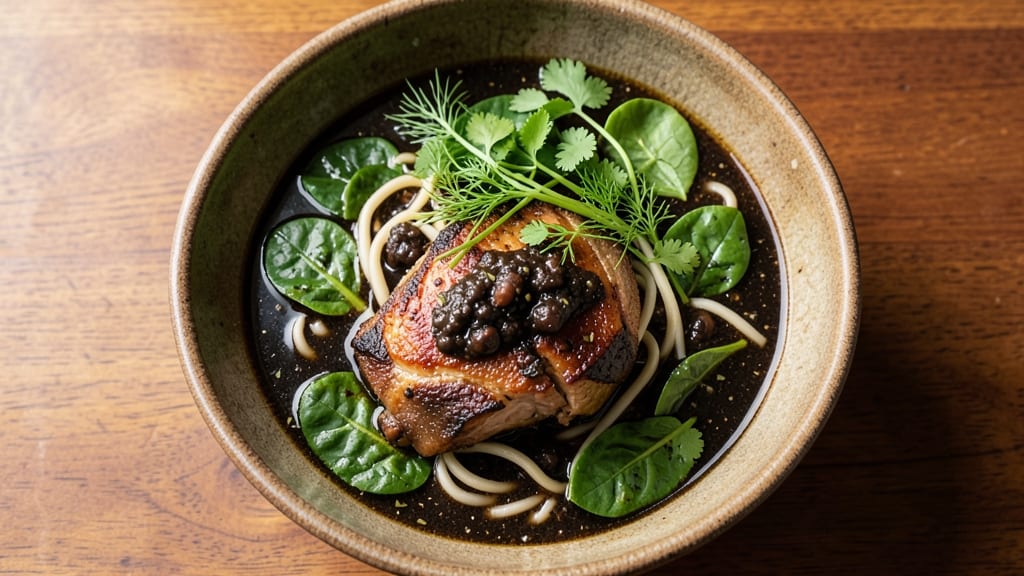
This Uzbek mud soup recipe transforms humble ingredients into a hearty, velvety masterpiece that feels like a warm embrace in a bowl.
After years of perfecting my grandmother's Sunday roast chicken, I discovered how this dish brings families together—rich with lamb, noodles, and leafy greens that blend into an unforgettable texture.
The secret lies in balancing earthy flavors with tender meat and perfectly cooked noodles, creating a soup that's both comforting and impressive.
The beauty of this recipe is in its simplicity: just a few key ingredients work together to create restaurant-quality depth. You'll start with a fragrant lamb broth, then blend in leafy greens until smooth, creating that signature mud-like consistency.
The noodles add substance, while a touch of ogbono or locust beans thickens the broth naturally. It's the kind of dish that gets better with every spoonful, and the aroma alone will have everyone gathering around your table.
By the time you're done, you'll have a bowl of soup that's creamy yet substantial, with layers of savory lamb and tender vegetables. The texture is uniquely satisfying—thick enough to coat a spoon but light enough to feel refreshing.
This is the kind of meal that transforms a simple weeknight into something special, proving that with the right technique, even the most humble ingredients can become extraordinary.
Serve with crusty bread or rice to soak up every last drop of that flavorful broth. The leftovers reheat beautifully, making it perfect for meal prep or feeding a crowd. Let's bring the magic of Uzbek mud soup to your kitchen!
Ingredients for mud soup
Six ingredients make this lamb and noodle mud soup a family favorite—rich broth, velvety greens, and tender noodles.
| Ingredient | Amount | Notes |
|---|---|---|
| Lamb Shoulder 🐑 | 2 lb | Bone-in for richer broth |
| Fresh Spinach 🌿 | 10 oz | Packed, stems removed |
| Fresh Dill 🌿 | ¼ cup | Chopped, stems removed |
| Fresh Parsley 🌿 | ¼ cup | Chopped, stems removed |
| Fresh Coriander 🌿 | ¼ cup | Chopped, stems removed |
| Egg Noodles 🍜 | 1 lb | Medium width preferred |
| Onions 🧅 | 2 whole | Yellow or red, chopped |
| Garlic Cloves 🧄 | 6 cloves | Peeled, roughly chopped |
| Tomatoes 🍅 | 4 whole | Ripe, quartered (or 1 can diced) |
| Ogbono or Locust Beans 🌱 | ½ cup | Dried, soaked overnight |
| Olive Oil 🫒 | ½ cup | For sautéing |
| Ground Cumin 🌿 | 1 tbsp | Toasted for depth |
| Ground Coriander 🌿 | 1 tbsp | Freshly ground preferred |
| Salt 🧂 | 1 ½ tsp | Adjust to taste |
| Black Pepper 🌶️ | ½ tsp | Freshly ground |
| Water 💧 | 8 cups | For broth |
| Lemon Juice 🍋 | 2 tbsp | Freshly squeezed |
The lamb shoulder is the heart of this soup. Ask your butcher for bone-in cuts—they yield the most flavorful broth. If you can't find lamb, beef chuck works in a pinch (just add 30 minutes to simmer time). For the greens, farmers market spinach has more vibrant color than grocery store bags, but use what you have. The ogbono or locust beans? African markets or specialty stores carry them dried—soak overnight until soft. No access? Substitute 1 tbsp tomato paste for thickness, but the texture won't be identical.
Fresh herbs are key here, but don't stress if you're missing one. Dried dill at half the amount works in a bind, though fresh is ideal. The tomatoes can be fresh or canned—San Marzano cans are my go-to for that sweet, rich flavor. For the noodles, egg noodles are traditional, but fettuccine or udon add fun twists. The cumin and coriander? Toast them in a dry pan for 30 seconds before adding to the pot—trust me, it makes a difference. And if you're using dried ogbono, blend them into a paste before adding to the broth for that signature mud texture.
This soup tastes even better the next day—double the batch and freeze half for lazy weeknights. Store leftovers in the fridge for 5 days, or freeze for 3 months. For serving, I like to keep the noodles separate until the last minute—just toss them in hot broth for 2 minutes. The broth alone reheats beautifully, so you can prep ahead and add noodles fresh. And if you've got extra, turn it into dumplings—just mix leftover broth with flour and fry until golden.
Why You'll Love This Recipe
- One-Pot Magic: I swear by this—no extra dishes, just a deep pot, a lamb shoulder, and herbs that practically cook themselves into the broth. The spinach wilts right in, so you’re not stuck with a separate side.
- Herb Bomb Flavor: That fresh parsley, dill, and coriander? They turn the broth from good to ridiculously good—bright, earthy, and impossible to resist. The lamb shoulder adds richness that balances the greens perfectly.
- Leftovers That Shine: Make a big batch and save it for days—it reheats like a dream and tastes even better the next day. Honestly, I’ve had it cold in salads or reheated with crusty bread, and it’s always a win.
- Budget-Friendly Luxury: Lamb shoulder stretches further than you’d think, and fresh herbs (even if they’re just from the grocery store) make it feel special without breaking the bank. It’s my go-to when I want to impress but keep costs low.
Step-by-step instructions for Uzbek lamb and noodle stew
Here's the method that delivers rich, velvety mud soup with tender lamb and perfectly al dente noodles.
Prepare the Lamb and Soak the Locust Beans
Begin by trimming any excess fat from the 2 lb lamb shoulder, leaving about 1/4-inch layer for flavor. Cut the meat into 1-inch cubes and set aside. In a separate bowl, cover the 0.5 cup ogbono or locust beans with enough water to submerge them completely. Let them soak overnight - this is crucial for softening their tough texture and unlocking their earthy flavor.
While the beans soak, quarter the 4 whole tomatoes and remove their cores. Chop the 2 whole onions into 1/2-inch pieces and peel the 6 cloves garlic. The aromatics will build the soup's aromatic foundation, so don't skip this prep work. I like to keep everything chopped uniformly so the flavors distribute evenly throughout the cooking process.
Build the Flavor Base in Olive Oil
Heat 0.25 cup olive oil in a large Dutch oven over medium heat until shimmering. Add the chopped onions and cook for 8-10 minutes until they turn golden brown and sweet. This slow cooking draws out their natural sugars, creating a rich base for the soup.
Add the roughly chopped garlic cloves and cook for 30 seconds until fragrant - you'll know it's ready when the kitchen fills with that unmistakable garlic aroma. Immediately stir in the 1 tbsp ground cumin and 1 tbsp ground coriander, toasting them in the oil for 30 seconds. This step develops their warm, earthy notes that define mud soup's complex flavor profile.
Cook the Lamb and Add Tomatoes
Increase heat to medium-high and add the lamb cubes in a single layer. Let them sear undisturbed for 3-4 minutes until they develop a deep brown crust. This Maillard reaction creates incredible depth of flavor. Stir the lamb and cook for another 3-4 minutes until it loses its raw appearance.
Add the quartered tomatoes and cook for 5 minutes until they soften and release their juices. The tomatoes will break down into the soup, adding natural acidity that balances the richness. Pour in the 8 cups water and bring everything to a gentle boil. Reduce heat to low and simmer uncovered for 1 hour, skimming off any foam that rises to the surface.
Incorporate the Locust Beans and Season
Drain the soaked locust beans and add them to the pot along with the 1.5 tsp salt and 0.5 tsp black pepper. Stir gently to combine. The beans will release their starchy goodness as they cook, thickening the soup naturally. Let the mixture simmer gently for 45 minutes, stirring occasionally to prevent sticking.
After 45 minutes, taste the broth and adjust seasoning if needed. The soup should be rich but not salty - remember you'll be adding fresh herbs later. The locust beans should be tender enough to mash slightly between your fingers. If they're still firm, continue simmering for another 15-20 minutes.
Finish with Fresh Herbs and Lemon
Stir in the chopped fresh herbs - 0.25 cup dill, 0.25 cup parsley, and 0.25 cup coriander. The herbs add bright, fresh notes that cut through the richness of the lamb and locust beans. Cook for just 2 minutes to maintain their vibrant color and fresh flavor.
Remove the pot from heat and stir in the 2 tbsp lemon juice. This final acid touch brightens all the flavors and balances the dish. Cook the 1 lb egg noodles separately in salted boiling water until al dente - about 1 minute less than package instructions. Drain and serve the noodles directly in deep bowls, ladling the hot mud soup over the top.
Pro Tips For Making Mud Soup
- Sear the Lamb First: Don’t skip browning that lamb shoulder—high heat for 5-7 minutes until it’s deep brown, not just pink. I learned this the hard way: skipping it means flavorless broth, and mud soup needs that rich, caramelized base to shine.
- Wilt Spinach Properly: Add spinach when the broth is simmering, not boiling—just 30 seconds until it’s tender but still bright green. I used to dump it in too early and end up with a sad, mushy mess. Keep it vibrant, not limp.
- Salt the Broth Early: Season the broth with salt before adding the herbs—about 1.5 teaspoons per liter. The flavors meld better, and you won’t have to guess if it needs more later. (Yes, even if you’re impatient like me.)
- Use Fresh Herbs Last: Toss in dill, parsley, and coriander just before serving—no chopping them into the broth while it simmers. They’ll stay bright and aromatic, not turn bitter. (Your future self will notice the difference.)
Essential equipment for this recipe
Dutch Oven Essentials
This recipe demands a heavy-duty Dutch oven—I swear by my Le Creuset 5.5-quart—because it needs to handle the lamb's long simmer without warping. The thick base distributes heat evenly, preventing hot spots that can burn your locust beans or onions.
If you don’t have one, a stainless steel stockpot with a tight-fitting lid works, but monitor the heat closely. 🔥
Immersion Blender Magic
For that signature velvety texture, blend the greens directly in the pot using an immersion blender (I love the Cuisinart STB-1200). This keeps the soup thick and prevents splatters.
If you’re blending separately, reserve 1 cup broth before blending—it’ll help adjust consistency later. Pro tip: Pulse in 2-second bursts to avoid over-blending and turning your soup gluey.
Meat Thermometer Must-Have
A meat thermometer (like the Thermoworks Thermapen) ensures your lamb reaches 160°F—well below the safe 165°F for ground meat but perfect for tender shoulder cuts. I check it after 1 hour of simmering to avoid overcooking.
For extra flavor, remove the lamb when it hits 155°F, shred it, and return it to the pot to finish cooking in the broth.
Fine-Mesh Strainer
After soaking the locust beans, drain and rinse them with a fine-mesh strainer to remove any grit. I use a OXO Good Grips—it’s sturdy and won’t bend under the weight.
This step is critical: gritty beans can make your soup taste unpleasant. If you’re using ogbono seeds, blend them into a paste first for a smoother texture.
Kitchen Scale for Precision
Weighing your lamb and noodles on a kitchen scale (I use the OXO Good Grips) ensures consistency. The recipe calls for 2 lbs lamb and 1 lb noodles, but eyeballing can lead to uneven textures.
A scale also helps when substituting ingredients—like swapping lamb for beef chuck (aim for the same weight). It’s a small investment that makes a big difference. 💡
Fresh Herb Knife
Chopping 10 oz spinach and 0.75 cup herbs requires a sharp herb knife (I adore the Mercer Culinary Genius). A dull knife crushes herbs, releasing bitter juices that overpower the soup.
For the greens, stack leaves and slice in thin ribbons—this maximizes surface area for blending. Store-bought pre-chopped herbs won’t cut it; fresh is non-negotiable for that bright finish.
Nutrition facts
Frequently asked questions
What makes this Uzbek mud soup different from other thick soups?
The signature texture comes from blending leafy greens (like spinach) with soaked locust beans or ogbono, creating that velvety "mud" consistency. Unlike creamy soups, this version gets its richness from natural thickening agents and tender lamb, not dairy or roux. The fresh herbs and lemon finish keep it bright and balanced.
Can I make this soup vegetarian?
Replace the lamb with 1 lb mushrooms (cremini or portobello) and add 1 can white beans for protein. Use vegetable broth instead of water, and boost umami with 1 tbsp soy sauce or 1 tsp miso paste. The locust beans will still create the signature mud texture while keeping it hearty and satisfying.
Why do the locust beans need to soak overnight?
Soaking removes their natural bitterness and softens their tough outer shells, which otherwise would make your soup gritty and unpleasant. The beans release starch as they soak, which naturally thickens the broth into that signature mud-like consistency. Skipping this step can leave your soup with an unappetizing texture.
How do I know when the lamb is perfectly cooked?
Use a meat thermometer to check for 160°F internal temperature—this ensures tenderness without drying out. For extra flavor, remove the lamb at 155°F, shred it, then return it to the pot to finish cooking in the broth. The meat should pull away from bones easily and feel tender when pierced with a fork.
What's the best way to reheat leftovers?
Reheat gently on the stove over low-medium heat, stirring occasionally, until warmed through. Avoid microwaving as it can make the noodles mushy. For best texture, add 1-2 tbsp water to the pot while reheating. Store leftovers in the fridge for 5 days or freeze for 3 months—the flavors actually improve over time!