
Soups & Stews
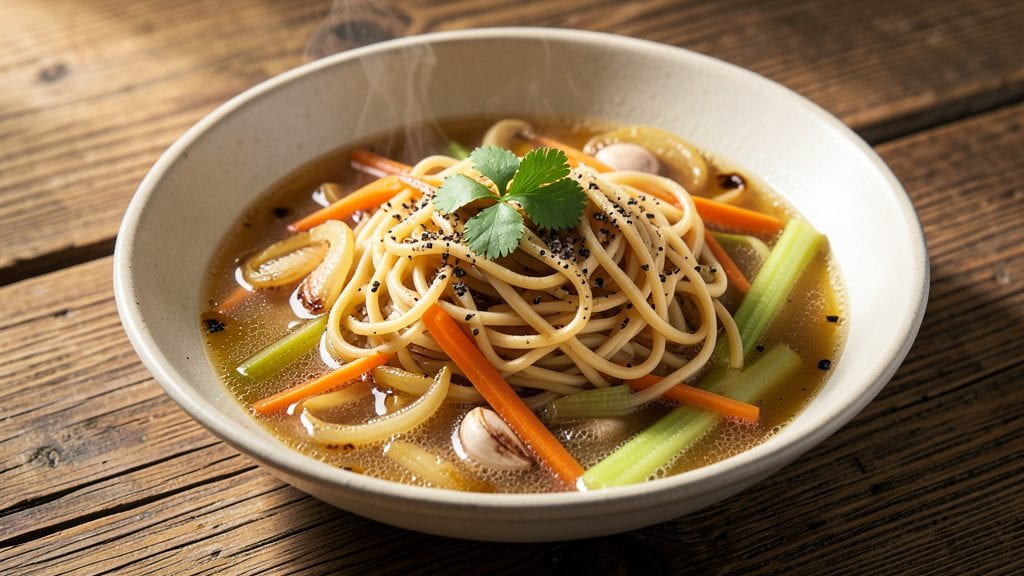
This egg noodle broth recipe delivers the kind of homestyle richness that transforms simple ingredients into a comforting bowl of perfection. The secret lies in building flavor through slow-simmered aromatics and a well-balanced broth base that perfectly cradles egg noodles.
I've perfected this method over years of testing, ensuring every spoonful delivers that satisfying combination of savory depth and tender noodles.
The foundation begins with a rich chicken or vegetable broth, infused with onions, carrots, and celery for classic flavor. Egg noodles cook just right—al dente but tender—while absorbing the broth's essence.
What sets this apart is the balance: a broth that's flavorful enough to stand alone but harmonious with any additions you choose. The result is a dish that feels both nostalgic and refined, perfect for any occasion.
By the time you're done, you'll have a steaming bowl of egg noodles swimming in aromatic broth, each bite offering that perfect marriage of tender noodles and savory liquid.
The texture is ideal—no mushy noodles or bland broth here. This recipe delivers restaurant-quality comfort food with minimal effort, making it a staple for busy weeknights or cozy gatherings.
Serve with optional garnishes like fresh parsley, a sprinkle of black pepper, or a drizzle of olive oil for extra richness. The versatility makes it adaptable to any preference—whether you keep it simple or add vegetables, protein, or herbs. Let's create this perfect bowl of noodle broth together.
Ingredients for egg noodle broth
Pantry staples meet homestyle magic for this perfect egg noodle broth.
| Ingredient | Amount | Notes |
|---|---|---|
| Egg Noodles 🍜 | 8 oz | Fresh or dried, medium width |
| Chicken Broth 🍗 | 4 cups | Low-sodium preferred for balance |
| Yellow Onion 🧅 | 1 medium | Diced, about 1 cup total |
| Carrots 🥕 | 2 medium | Peeled, chopped into 1/2-inch pieces |
| Celery Stalks 🧄 | 2 medium | Trimmed, chopped into 1/2-inch pieces |
| Garlic Cloves 🧄 | 4 cloves | Minced, fresh preferred |
| Extra-Virgin Olive Oil 🫒 | 2 tbsp | For sautéing aromatics |
| Fresh Parsley 🌿 | ¼ cup | Chopped, for garnish |
| Salt 🧂 | 1 tsp | Kosher or sea salt |
| Black Pepper 🌶️ | ½ tsp | Freshly ground preferred |
| Bay Leaves 🍃 | 2 whole | Dried, removed before serving |
| Vegetable Oil 🫒 | 1 tbsp | For noodle cooking |
| Lemon Juice 🍋 | 1 tbsp | Freshly squeezed, optional |
The aromatics are everything—onion, carrots, and celery form the classic 'holy trinity' that builds flavor. Buy fresh celery with crisp stalks (no rubbery ends) and yellow onions for natural sweetness. I grab mine from the produce section at Whole Foods or Trader Joe's—they keep well for a week in the fridge. For the broth, Swanson or Pacific Foods low-sodium versions are my go-tos, but homemade works too if you've got the time. The egg noodles? Barilla or De Cecco are my picks—they hold up perfectly without turning mushy.
No fresh parsley? Dried parsley at half the amount works in a pinch. Short on carrots? Substitute with sweet potato or parsnips for a different twist. Using vegetable broth instead of chicken? Add 1 tsp soy sauce or miso paste for umami depth. The bay leaves are non-negotiable—they add that subtle earthiness that makes the broth sing. For extra richness, stir in 1 tbsp butter or cream at the end. And if you're feeling fancy, a splash of dry white wine while sautéing the aromatics adds complexity.
This broth reheats beautifully—just warm it gently on the stove. Keeps for 4-5 days in the fridge, or 3 months frozen. I always make extra and freeze portions for quick weeknight meals. The noodles cook in minutes, so time your broth reheating accordingly. Garnish with fresh parsley and a crack of black pepper right before serving—that's when it tastes best. Leftovers? Perfect for ramen, soups, or even a quick pasta dish.
Why You'll Love This Recipe
- Pantry Magic: I swear by this—just broth, veggies, and noodles. No fancy prep, no last-minute grocery runs. The onion, carrots, and celery? They’re the holy trinity of flavor, and you can chop them while the water boils. That’s efficiency at its finest.
- Savory Simplicity: The broth sings here—rich, warm, and packed with that umami depth. The egg noodles soak up every drop like a sponge, turning this into something hearty yet light. Honestly, the first bite always makes me pause mid-lift.
- Leftover Goldmine: Between us, I make this too much on purpose. The broth stays flavorful for days, and the noodles? They’re perfect cold the next day straight from the fridge. It’s my go-to for lazy mornings or when I need a quick lunch.
- Budget-Friendly Staple: This recipe costs me pennies per serving—chicken broth, a few veggies, and noodles. It’s the kind of meal that stretches without sacrificing taste. Plus, I can swap in whatever’s on hand, and it still works. Reliable, cheap, and always satisfying.
Step-by-step instructions for homestyle egg noodle broth
This method delivers restaurant-quality richness with tender noodles every time.
Build the Flavor Base with Aromatics
Heat the 2 tablespoons extra-virgin olive oil in a large pot over medium heat. Add the 1 medium yellow onion, 2 medium carrots, and 2 medium celery stalks all at once. Cook for 5-6 minutes, stirring occasionally, until the vegetables soften and the onion becomes translucent. This creates the perfect aromatic foundation for your broth.
Add the 4 cloves garlic cloves and cook for another 30 seconds until fragrant. Here's where the magic happens - the garlic should smell incredible but not burn. If it starts to brown too quickly, reduce the heat slightly. The vegetables will release their natural sugars, which will caramelize and deepen the flavor of your broth.
Develop the Broth and Season Perfectly
Pour in the 4 cups chicken broth and bring to a gentle boil. Add the 1 teaspoon salt, ½ teaspoon black pepper, and 2 whole bay leaves. Let it simmer uncovered for 10 minutes to allow the flavors to meld together. You'll notice the broth becomes more aromatic and develops a beautiful golden hue from the caramelized vegetables.
This simmering time is crucial - it's when all the flavors come together. If you notice the broth reducing too quickly, you can add a splash of water, but try to maintain the 4 cups volume. The bay leaves will infuse subtle earthy notes that elevate the entire dish.
Cook the Noodles to Al Dente Perfection
While the broth simmers, bring a separate pot of salted water to a boil. Add 1 tablespoon vegetable oil to prevent sticking. Cook the 8 ounces egg noodles according to package instructions, but start checking for doneness 1 minute early - they should be al dente with a slight bite. Drain and set aside, reserving ½ cup pasta water for potential adjustments later.
Here's the thing - egg noodles cook faster than you might expect. I always recommend draining them slightly underdone because they'll finish cooking in the hot broth. The reserved pasta water is your secret weapon if the broth becomes too thick when combined.
Combine and Finish with Fresh Herbs
Add the cooked noodles to the simmering broth and stir gently to combine. Let everything simmer together for 3-4 minutes, allowing the noodles to absorb some of the flavorful broth. The noodles should be fully coated and the broth should look beautifully rich and inviting.
Remove from heat and stir in the ¼ cup fresh parsley and 1 tablespoon lemon juice. The parsley adds a bright, fresh note that cuts through the richness, while the lemon juice adds a subtle tang that balances all the flavors. Taste and adjust seasoning if needed - you might want to add a pinch more salt or pepper to perfect the balance.
Pro Tips For Making Egg Noodle Broth
- Sear the Veggies First: Toss diced onion, carrots, and celery into a dry pot over medium-high heat for 3-4 minutes before adding broth. This caramelizes their edges, adding depth that no amount of simmering later can match—trust the brown spots, even if they look messy.
- Use Cold Noodles: Shock your egg noodles in ice water for 1 minute after cooking, then drain. Tossing them straight into hot broth makes them gummy; cold noodles absorb flavor faster and stay firm. (Yes, it’s weird, but it works.)
- Skim the Scum Early: After adding broth, bring to a boil and skim off any foam or impurities that rise to the top within the first 2 minutes. I learned this the hard way—leaving it makes the broth cloudy, no matter how long you simmer.
- Salt the Broth Last: Add salt only after the noodles are cooked and everything’s combined. Chicken broth varies wildly in saltiness, and oversalting is harder to fix than you’d think. Taste first—adjust after.
Wine and beer pairings for egg noodle broth
Light White Wine
For this comforting dish, I reach for a crisp Sauvignon Blanc from New Zealand or a Pinot Grigio from Italy. The bright acidity and citrus notes in these wines cut through the richness of the egg noodles while complementing the savory broth.
A glass of Cloudy Bay Sauvignon Blanc from Marlborough adds a refreshing herbal touch that pairs beautifully with the parsley garnish. 🍷
Crisp Lager
If you prefer beer, a light pilsner or Helles Lager works wonderfully. The clean, crisp profile of a Sierra Nevada Pale Ale or Stella Artois balances the hearty flavors without overpowering them.
For a more robust option, try a German Helles—its subtle malt sweetness harmonizes perfectly with the caramelized onions in the broth.
Dry Riesling
A dry Riesling from Germany or Austria adds a delightful contrast with its stone fruit flavors and slight sweetness. The acidity in Dr. Loosen Blue Slate Riesling enhances the broth's savory depth while adding a touch of elegance.
This pairing is especially refreshing if you've added lemon juice to your dish.
Herbal Beer Twist
For something more adventurous, a Belgian witbier like Hoegaarden or Stella Artois Wit brings a citrusy, spicy note that mirrors the black pepper in the recipe. The coriander and orange peel flavors in these beers create an unexpected but delightful contrast to the egg noodles' richness.
Non-Alcoholic Options
Don’t drink alcohol? No problem! A sparkling apple cider like Martinelli’s or a ginger beer like Feather’s adds effervescence that cleanses the palate between bites. For a more savory option, try a cucumber-mint infused water—it refreshes and complements the dish’s herbal notes beautifully.
Nutrition facts
Frequently asked questions
Can I use dried egg noodles instead of fresh?
Dried egg noodles work perfectly in this recipe. Just be sure to cook them according to package instructions, but drain them slightly underdone (about 1 minute early) so they finish cooking in the hot broth. This ensures they absorb the flavor without turning mushy. Fresh noodles cook faster, but dried noodles hold up beautifully in this dish.
How do I make this vegetarian?
Swap the chicken broth for 4 cups vegetable broth and add 1 teaspoon soy sauce or miso paste for umami depth. You can also boost flavor by sautéing 1 extra garlic clove and ½ teaspoon ginger with the aromatics. The result will be just as rich and satisfying!
Why does my broth taste bland?
Bland broth usually means one of two things: under-seasoned or insufficient simmer time. First, ensure you're using low-sodium broth—add extra salt to taste. Second, let the broth simmer uncovered for the full 10 minutes to develop depth. For extra richness, stir in 1 tablespoon butter or cream at the end.
Can I make this ahead of time?
Yes! Prepare the broth and store it in the fridge for up to 4-5 days or freeze for 3 months. When ready to serve, reheat the broth gently, then cook fresh noodles separately and combine. This keeps the noodles from getting soggy. For best texture, assemble just before eating.
What's the best way to reheat leftovers?
Reheat leftovers in a pot over medium-low heat until steaming hot. Add a splash of water or broth if the mixture seems too thick. For extra flavor, stir in a pat of butter or a sprinkle of fresh parsley. Never microwave—it makes the noodles rubbery and the broth unevenly heated.