
Soups & Stews
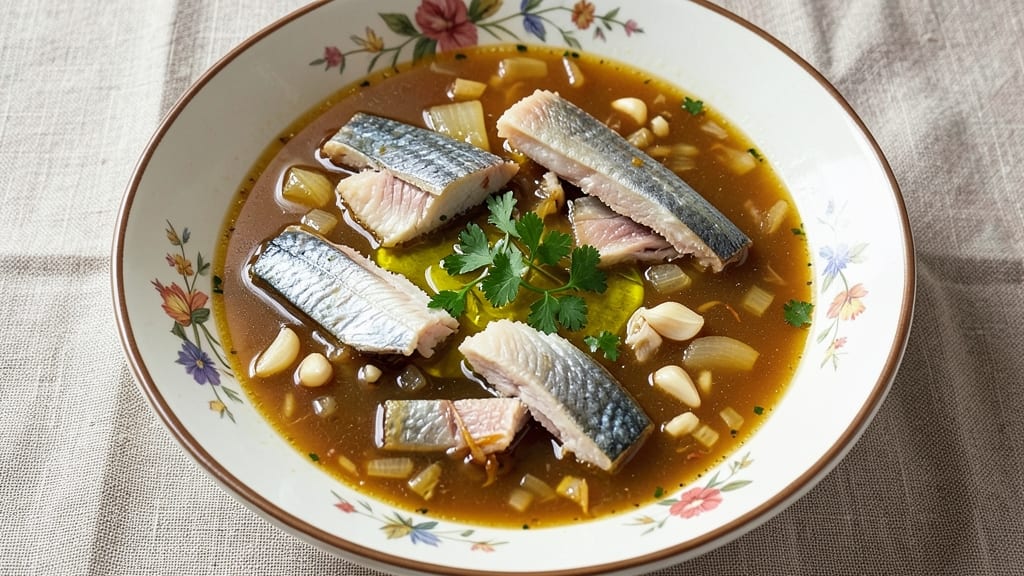
Transforming canned mackerel into a smoky umami-rich soup proves that pantry staples can deliver restaurant-quality depth without the fuss. This recipe harnesses the natural oiliness of mackerel to create a velvety broth that's both comforting and sophisticated—no fancy ingredients required.
The secret lies in balancing the fish's inherent richness with bright acidity and aromatic herbs, all while keeping prep under 25 minutes.
What makes this soup truly special is how it transforms humble canned fish into a complex, layered dish. Sautéing onions and garlic in olive oil until deeply golden unlocks their natural sweetness, while a splash of white wine deglazes the pan and adds brightness.
The mackerel itself dissolves into the broth, infusing it with a smoky, briny richness that's impossible to achieve with other canned proteins. A touch of lemon juice at the end cuts through the fat, ensuring every spoonful is perfectly balanced.
The result is a soup that's creamy without heavy cream, protein-packed without being heavy, and deeply flavorful without relying on expensive ingredients. The texture is silky yet substantial, with flakes of mackerel adding both body and umami.
Serve it steaming hot with crusty bread to soak up every last drop, or garnish with fresh parsley and a drizzle of olive oil for an elegant finish. This is the kind of soup that transforms a simple weeknight into a memorable meal.
Perfect for quick lunches, cozy dinners, or even meal prep, this recipe proves that canned fish can be just as versatile as fresh. The method is straightforward but delivers professional-level results—ideal for those who want restaurant-quality flavors without the complexity.
Let's get cooking with this smoky umami-rich masterpiece that comes together faster than you can say "soup's on."
Ingredients for canned mackerel soup
Pantry staples and a few fresh aromatics create this restaurant-worthy canned mackerel soup.
| Ingredient | Amount | Notes |
|---|---|---|
| Canned Mackerel in Water 🐟 | 2 cans | High-quality, not oil-packed |
| Yellow Onion 🧅 | 1 whole | Medium, finely diced |
| Garlic Cloves 🧄 | 4 cloves | Fresh, minced |
| Extra-Virgin Olive Oil 🫒 | ¼ cup | For sautéing onions |
| Dry White Wine 🍷 | ½ cup | Sauvignon Blanc preferred |
| Vegetable Broth 💧 | 4 cups | Low-sodium preferred |
| Fresh Lemon Juice 🍋 | 2 tbsp | Freshly squeezed |
| Fresh Parsley 🌿 | ¼ cup | Chopped, for garnish |
| Dried Thyme 🌿 | 1 tsp | Or 1 tbsp fresh |
| Smoked Paprika 🌶️ | ½ tsp | For smoky depth |
| Sea Salt 🧂 | 1 tsp | Adjust to taste |
| Black Pepper 🌶️ | ½ tsp | Freshly ground |
| Crusty Bread 🍞 | 4 slices | For serving |
The mackerel is the soul of this soup, so choose high-quality brands like Wild Planet or Raincoast—they pack the most flavor. Avoid oil-packed varieties, as the oil can make the broth too heavy. For the onions, yellow onions work best—they caramelize more deeply than red. If you're short on time, pre-minced garlic from the jar is fine, but fresh always tastes superior. The white wine adds brightness, so avoid anything too sweet or oaky—stick to crisp, dry varieties like Sauvignon Blanc. If you don’t have wine, substitute with extra lemon juice and a splash of apple cider vinegar.
Vegetable broth is the base, but homemade is ideal—it deepens the flavor. If using store-bought, low-sodium options prevent over-salting later. For the paprika, smoked varieties add that signature umami richness, but regular paprika works in a pinch. Fresh herbs like parsley and thyme can be swapped for dried at one-third the amount, but fresh is always better. The lemon juice is critical—don’t skip it, as it cuts through the richness and balances the flavors. If you’re out, white vinegar or lime juice will do, but lemon is the best choice.
This soup reheats beautifully—taste and adjust seasoning after warming, as flavors meld differently. Store leftovers in an airtight container in the fridge for up to 4 days, or freeze for 3 months. For meal prep, portion into containers with a layer of olive oil on top to preserve freshness. The crusty bread is optional but recommended—baguette or sourdough work best for soaking up the broth. Garnish with extra parsley and a drizzle of olive oil just before serving for the most elegant presentation.
Why You'll Love This Recipe
- Five-Ingredient Magic: I swear by this—no chopping, no fuss. Just toss in the mackerel, a splash of wine, and let the garlic sizzle in olive oil until the kitchen smells like a Mediterranean bistro. Honestly, it’s the kind of recipe where you’ll wonder why you ever made anything complicated.
- Umami Bomb: That canned mackerel? It’s the secret weapon. The wine cuts through the richness while the garlic and onion caramelize into a deep, savory base—like a lighter version of bouillabaisse, but with half the effort. The first bite is always a surprise.
- Weeknight to Potluck: Make a big batch on Sunday and reheat it all week—it tastes just as good cold in a sandwich or warm with crusty bread. Between us, it’s also the dish I bring to dinner parties when I don’t want to slave over the stove. Everyone thinks it’s fancy; they have no idea.
- Budget Meal, Big Payoff: A single can of mackerel feeds four for under $10, and the wine adds just enough sophistication to feel special. I’ll be real: my grocery bill dropped when I discovered this, but my taste buds got an upgrade. Leftovers? They’re my favorite kind—better the second day.
Step-by-step instructions for canned mackerel soup
This smoky umami-rich soup comes together faster than you'd expect with simple techniques.
Sauté Onions and Garlic Until Golden
Heat the 0.25 cup extra-virgin olive oil in a medium pot over medium heat. Add the finely diced yellow onion and cook for 5-6 minutes until softened and translucent. The onions should release their moisture and begin to caramelize slightly at the edges.
Add the minced garlic cloves and cook for another 30 seconds until fragrant. You'll know it's ready when the garlic releases its aroma and turns a light golden color. This foundational step builds the soup's flavor base—don't rush it, as properly cooked onions prevent a raw taste in the finished soup.
Deglaze with Wine and Add Broth
Pour in the 0.5 cup dry white wine and stir vigorously, scraping up any browned bits from the bottom of the pot. This deglazing step captures all the flavor you've built so far. Let the wine simmer for 2-3 minutes until reduced by half, which intensifies its flavor.
Add the 4 cups vegetable broth, 1 teaspoon dried thyme, 0.5 teaspoon smoked paprika, 1 teaspoon sea salt, and 0.5 teaspoon black pepper. Bring to a gentle boil, then reduce heat to medium-low and let it simmer for 8-10 minutes until the flavors meld together. You should smell the rich, aromatic combination of thyme, paprika, and wine working together.
Incorporate Mackerel and Finish with Lemon
Using a slotted spoon, gently add the 2 cans canned mackerel in water, reserving the mackerel liquid but discarding any large bones. Stir the soup gently to distribute the mackerel pieces evenly. Simmer for another 3-4 minutes just to warm through—don't overcook or the delicate mackerel will break apart.
Remove the pot from heat and stir in the 2 tablespoons fresh lemon juice. The acidity brightens the soup and balances the richness of the mackerel. Taste and adjust seasoning if needed—you might find you need a touch more salt or lemon to your preference. The soup should have a complex flavor profile with smoky, umami notes from the mackerel and paprika, balanced by the bright lemon finish.
Garnish and Serve with Crusty Bread
Ladle the soup into bowls and garnish each serving with 1 tablespoon chopped fresh parsley. The parsley adds a fresh contrast to the rich, smoky flavors. Serve immediately with 1 slice crusty bread per person on the side for dipping.
This soup is best enjoyed fresh while the mackerel is still warm and tender. The crusty bread helps soak up the flavorful broth, making every bite satisfying. If you prefer a creamier texture, you could stir in a splash of heavy cream at the end, but the original recipe maintains its light, bright character.
Pro Tips For Making Canned Mackerel Soup
- Drain and Rinse the Mackerel: Canned mackerel in water comes packed with its own brine—salty, murky, and bitter if left in. Dump the fish into a colander, give it a quick cold-water rinse, and pat dry with a paper towel. This keeps your soup from tasting like a swimming pool.
- Sweat the Onions Low and Slow: I used to rush this step, but mackerel soup needs that deep, caramelized onion flavor to shine. Cook your chopped onion in olive oil over medium-low heat for 8–10 minutes until soft and translucent—no browning yet. Patience here makes the difference between "meh" and "wow."
- Deglaze with Wine, Then Simmer: After removing the onions, pour in that dry white wine and let it bubble for 30 seconds to cook off the alcohol. Then add your broth or water. Skipping this step leaves raw wine flavor, and simmering too fast turns the soup into a sad, watery mess.
- Add Crumbled Cheese Last: If you’re finishing with something like feta or parmesan, toss it in off the heat with a splash of pasta water or lemon juice. The heat will melt it into creamy bits instead of sinking like rocks. (Yes, even if you’re not making pasta—trust me.)
Essential equipment for perfect results
Pot Essentials
Start with a medium-sized pot—I recommend a 3-quart stainless steel or enameled cast iron like Le Creuset or All-Clad. These materials distribute heat evenly and prevent hot spots that can burn your onions.
A heavy-bottomed pot is key for maintaining steady temperatures while sautéing and simmering. Avoid thin aluminum pots—they heat unevenly and can make your soup taste metallic. 🔥
Knife & Cutting
Invest in a sharp chef's knife (like Wüsthof or Mac Knife) for dicing onions and mincing garlic efficiently. A peeler comes in handy for removing onion skins quickly. For garlic, a garlic press saves time, but I prefer mincing fresh cloves for better flavor.
Keep your cutting board stable—plastic boards can shift, so I use a wooden or bamboo board for better grip. 🧅
Measuring Tools
Precision matters with spices and liquids. Use a stainless steel measuring spoon set (like OXO Good Grips) for accurate measurements of thyme, paprika, and salt. For liquids, a liquid measuring cup with clear markings ensures you add exactly 0.5 cup white wine and 4 cups broth.
A digital kitchen scale is optional but helpful for weighing mackerel if you prefer that method. 💧
Deglazing Tools
A wooden spoon is essential for deglazing the pot with wine—it won’t scratch your pot like metal utensils. I also keep a small whisk nearby to stir the broth smoothly once the wine is added.
A fine-mesh strainer helps if you want to remove any large mackerel bones before serving. For garnishing, a pair of kitchen shears makes quick work of chopping fresh parsley. 🍷
Optional Upgrades
If you love soups, consider a soup immersion blender (like Magic Bullet) for blending in textures without transferring hot liquid. A soup ladle with a strainer helps serve soup without bones or skins.
For storage, glass airtight containers (like Pyrex) preserve flavors better than plastic. A microplane is great for zesting lemon if you want extra brightness. 💡
Nutrition facts
Frequently asked questions
Can I use oil-packed canned mackerel instead of water-packed?
The recipe calls for water-packed mackerel to keep the broth light and flavorful. Oil-packed versions will make the soup too rich and heavy, but if you prefer it, drain the fish thoroughly and reduce the olive oil in the recipe by 2 tablespoons. The texture will be creamier, but the balance of flavors may shift.
How do I adjust this recipe for a creamy texture?
For a velvety finish, stir in 2 tablespoons heavy cream or 1 tablespoon Greek yogurt at the end, just before serving. Alternatively, blend half the soup until smooth for a silky consistency. The original recipe keeps it light, but these tweaks add richness without overpowering the mackerel's natural umami.
What if I don’t have white wine? Can I substitute?
Use 2 tablespoons lemon juice + 1 tablespoon apple cider vinegar for brightness, or swap the wine with 0.5 cup extra broth + 1 tablespoon soy sauce for umami depth. The key is acidity—just ensure the flavor profile stays balanced.
Is this soup freezer-friendly? How do I reheat it?
Yes, it freezes beautifully for up to 3 months. Let it cool completely, then store in an airtight container with a layer of olive oil on top to preserve freshness. Reheat gently on the stove over low heat, stirring occasionally. Add a splash of water or broth if it thickens too much.
Why does my soup taste too fishy? How can I fix it?
Overcooking the mackerel or using low-quality cans can amplify fishiness. To fix it, add 1 extra tablespoon lemon juice or a pinch of smoked paprika to balance the flavors. For prevention, simmer the mackerel for only 3-4 minutes and use high-quality brands like Wild Planet.