
Soups & Stews
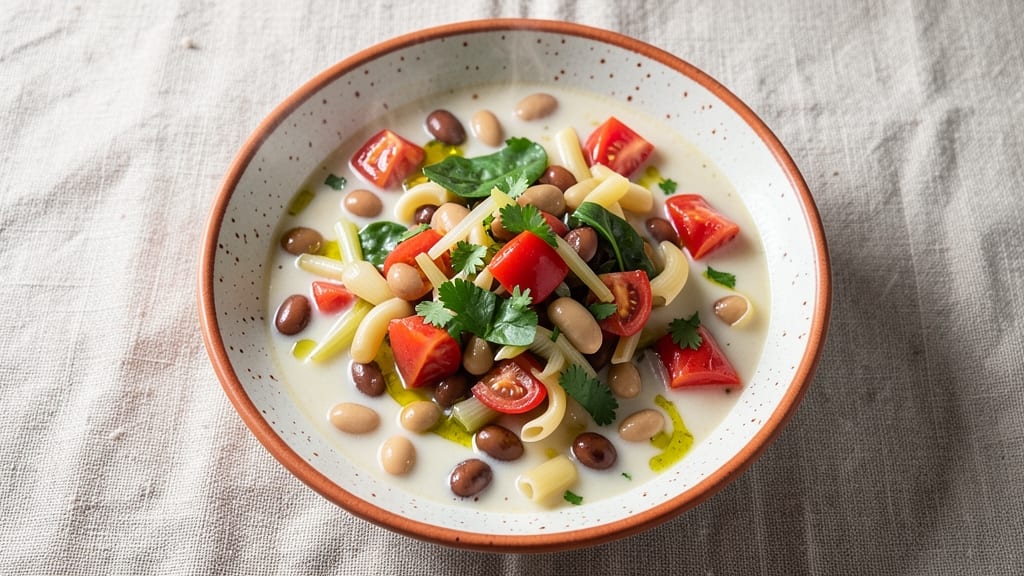
Transforming pantry staples into a hearty, restaurant-quality minestrone has never been easier—this canned minestrone soup recipe proves you don’t need fresh ingredients to create depth and satisfaction.
The beauty lies in its simplicity: canned beans, tomatoes, and vegetables come together in a single pot, simmering into a flavorful, textured soup that’s as comforting as it is convenient.
What sets this version apart is the balance between convenience and tradition. While canned goods streamline prep, techniques like toasting spices and reducing the broth build layers of flavor that make it taste anything but shortcut.
The result? A one-pot meal that’s packed with protein, fiber, and vegetables—perfect for busy weeknights or meal prep.
By the time you’re done, you’ll have a soup with tender pasta, hearty beans, and a broth rich enough to stand alone. The texture is just right: al dente pasta, soft vegetables, and a broth that’s thick but not heavy, all infused with Italian herbs and tomato depth.
It’s the kind of dish that warms you from the inside out.
Best of all, this recipe adapts effortlessly—swap in seasonal vegetables, adjust the pasta type, or add a splash of cream for extra richness. Let’s make this hearty soup that’s as easy as it is satisfying.
Ingredients for canned minestrone soup
Pantry staples meet restaurant-quality flavor in this easy canned minestrone.
| Ingredient | Amount | Notes |
|---|---|---|
| Ditalini Pasta 🍝 | 1 ½ cups | Uncooked, broken in half |
| Canned White Beans 🌱 | 2 cups | Drained, rinsed, any variety |
| Canned Kidney Beans 🌱 | 1 ½ cups | Drained, rinsed, any variety |
| Canned Diced Tomatoes 🍅 | 2 cups | San Marzano preferred, with juices |
| Vegetable Broth 💧 | 4 cups | Low-sodium preferred, or water |
| Yellow Onion 🧅 | 1 whole | Medium, diced small |
| Carrots 🥕 | 2 medium | Peeled, diced small |
| Celery Stalks 🥬 | 2 whole | Diced small, with leaves |
| Garlic Cloves 🧄 | 4 cloves | Minced fine |
| Dried Oregano 🌿 | 1 tsp | Italian preferred |
| Dried Basil 🌿 | 1 tsp | Or 1 tbsp fresh |
| Ground Black Pepper 🌶️ | ½ tsp | Freshly ground |
| Salt 🧂 | 1 ½ tsp | Kosher or sea salt |
| Extra-Virgin Olive Oil 🫒 | 2 tbsp | For toasting |
| Parmesan Cheese 🧀 | ½ cup | Freshly grated |
The canned beans and tomatoes are your flavor anchors here. San Marzano tomatoes make a difference—sweeter, less acidic—but any good canned tomatoes work. For beans, Trader Joe's or store brands are perfect; just drain and rinse well. The onion, celery, and carrots form the classic 'holy trinity' of soup veggies, so don't skip them. I grab mine pre-diced from the salad bar section at Whole Foods when I'm short on time. The pasta? Ditalini works best—it holds up in soup better than most—but any small pasta shape will do.
No San Marzano tomatoes? Crushed tomatoes with basil are a great swap. Fresh basil? Use about three times the amount of dried. The vegetable broth can be water in a pinch, but add a bouillon cube for depth. No Parmesan? Nutritional yeast gives a cheesy flavor without dairy. For extra richness, stir in a splash of heavy cream at the end. Want more veggies? Frozen peas or corn add perfectly—they cook fast and keep their texture.
This soup tastes even better the next day as flavors meld. Keeps for 5 days in the fridge or 3 months frozen. I like to make a big batch on Sundays—portion it into containers so lunches are sorted for the week. The pasta stays al dente if you reheat with a splash of water or broth. For serving, I always add extra Parmesan and a drizzle of olive oil—simple but makes it feel special.
Why You'll Love This Recipe
- I’ll be real: this is the kind of soup where you literally open cans and dump. The ditalini’s tiny shape soaks up the broth like a sponge, while the kidney beans add texture without requiring you to peel or dice anything. My lazy Sundays just got a whole lot cozier.
- No Chopping Needed: I’ll be real: this is the kind of soup where you literally open cans and dump. The ditalini’s tiny shape soaks up the broth like a sponge, while the kidney beans add texture without requiring you to peel or dice anything. My lazy Sundays just got a whole lot cozier.
- Umami Bomb: That combo of diced tomatoes, vegetable broth, and beans? It’s like a flavor party in your pot. The tomatoes add brightness, the broth deepens it, and the beans—especially the kidney ones—bring that savory punch. Honestly, I’ve had worse restaurant soups.
- Meal Prep MVP: Make a big batch on Sunday, and you’ve got lunch or dinner covered for days. The pasta holds up in the fridge, the beans stay tender, and reheating is just about dumping it back in a pot with a splash of water. (Yes, even on a Tuesday night.)
Step-by-step instructions for canned minestrone soup
This one-pot wonder comes together faster than you'd think using pantry staples.
Sauté the Aromatic Base
Heat the 2 tablespoons extra-virgin olive oil in a large pot over medium heat. Add the diced yellow onion, diced carrots, and diced celery stalks all at once. Cook for 5-6 minutes until the vegetables soften and the onion becomes translucent. Stir occasionally to prevent sticking—this is where all the flavor starts building.
Here's the thing—you want the vegetables to sweat out their moisture before adding the garlic. When they're tender and the edges just begin to turn slightly golden, add the 4 minced garlic cloves. Cook for another 30 seconds until fragrant. The garlic should smell pungent but not burn—this ensures it adds flavor without bitterness. If the vegetables stick, add a splash of water and scrape the bottom with a wooden spoon to deglaze.
Build the One-Pot Foundation
Pour in the 2 cups canned diced tomatoes (with juices) and the 4 cups vegetable broth. Stir everything together and bring to a boil over high heat. Once boiling, reduce the heat to medium-low and let it simmer for 10 minutes. This step lets the flavors meld and the tomatoes break down slightly, creating a richer base.
While it simmers, break the 1.5 cups ditalini pasta in half—this helps it cook faster and more evenly in the one-pot. After the 10 minutes, add the pasta along with the 2 cups drained white beans and 1.5 cups drained kidney beans. Stir gently to distribute everything evenly. The pasta will absorb some of the liquid, so don't worry if it looks like too much broth at first.
Season and Simmer to Perfection
Add the 1 teaspoon dried oregano, 1 teaspoon dried basil, 0.5 teaspoon ground black pepper, and 1.5 teaspoons salt. Stir well to combine. Bring the soup back to a gentle boil over medium heat, then reduce the heat again to low. Let it simmer uncovered for 15-20 minutes, stirring occasionally, until the pasta is al dente—when you taste a piece, it should have a slight bite to it.
Real talk: The soup will thicken as it cooks, but it's okay if it's not perfectly thick at the end. You can always add a splash of water or broth if needed. The key is letting the flavors develop. You'll know it's ready when the pasta is tender, the beans are heated through, and the soup smells deeply aromatic. Taste and adjust seasoning if needed—sometimes canned tomatoes need a little extra salt.
Finish with Cheese and Serve
Remove the pot from heat and stir in the 0.5 cup freshly grated parmesan cheese. The cheese will melt slightly from the residual heat, adding a creamy, salty finish. Let the soup sit for 2-3 minutes to allow the cheese to fully incorporate and the flavors to meld together.
Ladle the soup into bowls and serve immediately. The texture should be hearty but not gluey, with tender pasta, creamy beans, and a rich tomato broth. If you prefer a thicker soup, you can mash a few of the beans with a fork before serving to thicken it naturally. This dish tastes even better the next day as the flavors deepen, so it's perfect for meal prep too.
Pro Tips For Making Canned Minestrone Soup
- Rinse the Canned Beans: Drain and rinse those canned white and kidney beans—even if they’re labeled “no salt added.” The starch clinging to them turns your soup into glue, and nobody wants a thick, pasty minestrone. A quick cold water rinse keeps it light and lets the flavors shine.
- Simmer, Don’t Boil: Once the pasta hits the pot, drop the heat to a gentle simmer. I used to blast it on high, and the ditalini would turn mushy before the beans were even warm. A low simmer (barely bubbling) cooks the pasta evenly without breaking it down—about 8-10 minutes, stirring occasionally.
- Crush Half the Tomatoes: Skip the blender—just mash half the canned diced tomatoes with a fork before adding them. This gives your soup a mix of chunky and saucy texture without turning it into a smooth puree. (Yes, I’ve made that mistake. No, you don’t want to repeat it.)
- Add Pasta Last: Toss the ditalini in after the beans, tomatoes, and broth have simmered for 10 minutes. This lets the beans soften and the flavors meld first—otherwise, you’re just boiling pasta in a broth that hasn’t developed any depth. Stir it in, then cook just until it floats (about 5-7 minutes).
Common mistakes when making your canned minestrone soup
Over-Salting the Broth
Canned beans and broth already contain salt, so adding the full 1.5 teaspoons upfront can make the soup taste flat or overly salty. Instead, add half the salt during cooking, then adjust at the end.
I taste the broth after simmering for 10 minutes—this lets me correct seasoning before the beans and pasta absorb too much liquid. 🧂
Skipping the Aromatic Base
Rushing the 5-6 minute sauté of onions, carrots, and celery is a big mistake. This step develops the soup's foundational flavor through the Maillard reaction. I’ve made minestrone without it—it tastes bland and one-dimensional. Use a heavy pot like All-Clad to prevent sticking and ensure even cooking.
Undercooking the Pasta
Adding pasta too early causes it to turn mushy in the broth. Wait until the broth has simmered for 10 minutes before adding it, then cook for 15-20 minutes total.
Test a piece—it should have a slight bite. If it’s still crunchy, simmer uncovered for another 5 minutes. Overcooked pasta makes the soup gluey and unappetizing. 🍝
Ignoring the Cheese Finish
Stirring in the 0.5 cup parmesan off the heat is crucial—it melts gently and adds depth. Adding it earlier can make the soup greasy. For extra richness, I sometimes add a splash of heavy cream (about 2 tablespoons) at the end.
This step elevates the dish from good to restaurant-quality.
Using Low-Quality Canned Goods
Not all canned tomatoes and beans are created equal. San Marzano tomatoes and Trader Joe’s canned beans have better texture and flavor. Cheap brands can make the soup taste tinny or overly watery.
If you’re on a budget, look for "no salt added" varieties and adjust seasoning accordingly. The difference is noticeable!
Stirring Too Aggressively
Constant stirring can break up the beans and pasta, turning the soup into a mushy mess. Let it simmer gently and stir only 2-3 times during the 15-20 minute cooking phase.
If you’re worried about sticking, use a wooden spoon to gently scrape the bottom occasionally. Patience here keeps the texture perfect. ⏰
Nutrition facts
Frequently asked questions
Can I make this minestrone soup without canned tomatoes?
Use 2 cups crushed tomatoes instead of diced, or even 1 (28 oz) can whole peeled tomatoes crushed by hand. Fresh tomatoes work too—simmer 4-5 medium tomatoes with the broth to break them down. The texture will be slightly different but still delicious.
How can I make this soup thicker or creamier?
For thickness, mash ½ cup of the beans with a fork before serving, or stir in 1 tablespoon cornstarch mixed with 2 tablespoons water at the end. For creaminess, add ¼ cup heavy cream or ½ cup ricotta when serving. The cheese finish already adds richness, but these tweaks take it further.
Is this recipe gluten-free?
Not as written, but it's easy to adapt! Swap the ditalini for gluten-free pasta (like brown rice or chickpea pasta) and check your broth and beans for gluten-free labels. Many canned beans are naturally gluten-free, but always verify the packaging. The rest of the ingredients are safe.
Can I add meat to this minestrone?
While traditional minestrone is vegetarian, you can add ½ lb Italian sausage (removed from casing) or diced ham at the same time as the beans. Brown the meat first in olive oil, then proceed with the recipe. For a lighter option, try chickpeas instead of kidney beans.
How long will this soup keep in the fridge?
This hearty soup stays fresh for 5 days in an airtight container. The flavors actually improve overnight! For longer storage, freeze portions for up to 3 months. Reheat gently on the stove with a splash of water or broth to restore texture. Perfect for meal prep!