
Soups & Stews
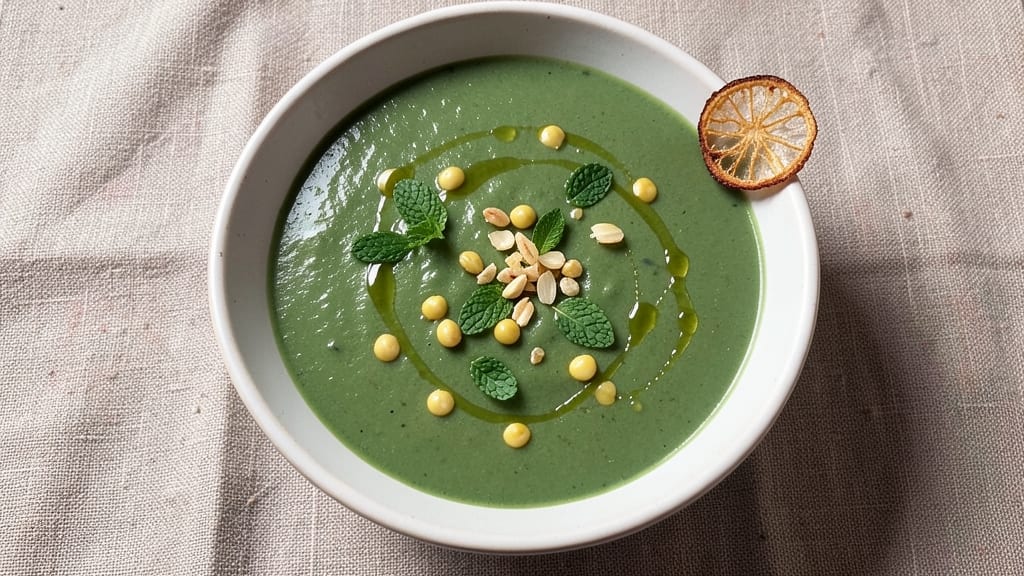
This minty pea soup recipe transforms humble garden peas into a vibrant, herbaceous masterpiece that brightens any table. The secret lies in balancing sweet peas with fresh mint and aromatic shallots—a technique I perfected after years of experimenting with French-style purées.
What makes this version special is the 20-minute preparation time, yet it delivers restaurant-quality depth through careful sautéing and blending.
The foundation begins with shallots and garlic gently cooked until fragrant, forming the flavor base before adding frozen peas and vegetable broth. Unlike many quick soups, this one develops complexity through low-and-slow simmering, allowing the peas to soften while retaining their natural sweetness.
The final touch—fresh mint—adds that signature brightness that makes this soup unforgettable.
What you’ll end up with is a velvety, bright green soup with just the right balance of earthy peas and cooling mint. The texture is smooth yet vibrant, thanks to a touch of coconut milk for creaminess without dairy.
This recipe works perfectly as a light lunch, starter, or even a vegan-friendly main course when paired with crusty bread.
For those with dietary preferences, swapping coconut milk for cashew cream maintains the same luxurious texture while keeping it dairy-free. The instructions include both blending and mashing methods, so you can choose your preferred consistency. Let’s make this refreshing soup today!
Ingredients for minty pea soup
Fresh peas, aromatic shallots, and vibrant mint create this restaurant-quality soup in just twenty minutes.
| Ingredient | Amount | Notes |
|---|---|---|
| Fresh Garden Peas 🌱 | 2 cups | Frozen or fresh, shelled |
| Shallots 🧅 | 2 whole | Finely diced, not minced |
| Garlic Cloves 🧄 | 3 cloves | Peeled, thinly sliced |
| Fresh Mint Leaves 🌿 | ½ cup | Stems removed, loosely packed |
| Vegetable Broth 💧 | 3 cups | Low-sodium, homemade preferred |
| Extra-Virgin Olive Oil 🫒 | ¼ cup | Light, fruity variety |
| Full-Fat Coconut Milk 🥥 | ¼ cup | Canned, unsweetened |
| Lemon Juice 🍋 | 1 tbsp | Freshly squeezed |
| Sea Salt 🧂 | ½ tsp | Diamond Crystal preferred |
| Black Peppercorns 🌶️ | ¼ tsp | Freshly cracked |
| Fresh Chives 🌱 | 2 tbsp | Finely chopped, for garnish |
| Crusty Bread 🍞 | 4 slices | Vegan, for serving |
The quality of your peas and mint makes all the difference here. Fresh peas from a local farmers market deliver the sweetest flavor, but frozen peas work beautifully too—just don't thaw them before cooking. For mint, organic varieties from Whole Foods or Trader Joe's provide the most intense aroma. Shallots should be firm and pale purple—avoid any that feel soft or sprouting. The vegetable broth is non-negotiable; homemade versions elevate the soup, but store-bought low-sodium options like Pacific Foods or Imagine work in a pinch. Always taste before adding salt—this soup should balance sweetness and earthiness without needing excessive seasoning.
No fresh mint? Spearmint or dried mint at one-third the amount will work, though the flavor will be less vibrant. Substituting coconut milk for cashew cream maintains the same luxurious texture while keeping it dairy-free. The shallots can be swapped for yellow onion at double the amount, but they'll add a slightly different depth of flavor. For a more robust base, add 1 tbsp of white miso paste when sautéing the shallots. If you're using frozen peas, there's no need to thaw them first—they'll release their sweetness directly into the broth during cooking. The chives are purely for garnish, but if you're out, extra mint leaves work equally well.
This soup reheats beautifully—simply warm on the stove with a splash of water or broth to restore its velvety texture. Store in an airtight container in the refrigerator for up to 5 days, though the flavor peaks within the first 24 hours. For freezing, portion into ice cube trays before transferring to a bag—this makes it easy to thaw just what you need. The coconut milk may separate slightly upon reheating; simply stir vigorously to re-emulsify. Serve with toasted sourdough or vegan baguette slices for the perfect pairing.
Why You'll Love This Recipe
- No-Fuss Ingredients: I swear by this recipe because it uses what’s already in my fridge—shallots, garlic, and a handful of mint from the garden. No specialty items, no last-minute grocery runs. Just toss in frozen peas (or fresh if you’re feeling fancy) and broth, and you’ve got dinner covered.
- Bright, Herby Magic: That burst of fresh mint? It’s the star. I’ll be real—sometimes I add a splash of lemon at the end, too, but the mint alone makes this soup taste like a spring breeze in a bowl. The shallots caramelize just enough to give it depth without overpowering the peas’ natural sweetness.
- Lunchbox Hero: This soup reheats like a dream, so I make a big batch on Sundays. Pack it in thermoses for work lunches—it stays creamy and flavorful all day. My kids actually eat their veggies this way (no complaints, just empty bowls).
- Budget Bright Spot: Peas and broth are cheap, but they feel special. I’ve served this at potlucks, and no one guesses how affordable it is. Plus, the leftovers? Even better the next day—like the flavors mellow into something cozier. My wallet and taste buds win.
Step-by-step instructions for minty pea soup
Here's the method for a vibrant, herbaceous soup that balances freshness with creamy richness.
Sauté Aromatics Until Fragrant
Heat the 0.25 cup extra-virgin olive oil in a medium saucepan over medium heat. Add the 2 whole shallots and cook for 3-4 minutes until they soften and begin to release their natural sweetness. The shallots should take on a translucent appearance while developing a subtle golden hue.
Add the 3 cloves garlic cloves and continue cooking for another 30 seconds until the garlic emits an intoxicating aroma. Be watchful here—the garlic can quickly transition from fragrant to bitter. Remove the pan from heat if it begins to darken prematurely, then return it to the stove once the color stabilizes.
Simmer Peas and Broth to Develop Flavor
Return the pan to medium heat and add the 2 cups fresh garden peas. Stir gently to combine with the aromatics, then pour in the 3 cups vegetable broth. Bring the mixture to a gentle simmer and cook uncovered for 8-10 minutes until the peas soften slightly but retain their vibrant green color.
Here's the thing—you want the peas to be tender enough to break down partially, but still hold their shape. If you notice the peas becoming mushy before the 8-minute mark, reduce the heat slightly to maintain a gentle simmer. The broth should reduce just enough to concentrate the flavors without evaporating completely.
Blend Until Silky Smooth
Using an immersion blender, carefully blend the soup directly in the pot until completely smooth. Work in batches if needed, ensuring all peas and shallots are fully incorporated. For a traditional approach, carefully transfer the soup to a countertop blender, blending until velvety smooth. Be cautious when handling hot liquids—always allow steam to escape and use oven mitts.
The soup should now have a uniform, vibrant green color with no visible chunks. If you prefer a slightly textured soup, blend for 10-15 seconds less, but for this recipe, we aim for a silky consistency that coats the spoon. Return the blended soup to the pot and keep it warm over low heat.
Finish with Herbs and Acid
Stir in the 0.5 cup fresh mint leaves, 0.25 cup full-fat coconut milk, and 1 tablespoon lemon juice. Simmer gently for 2-3 minutes to allow the flavors to meld together. The coconut milk will add a subtle creaminess, while the lemon juice brightens the entire dish with a refreshing acidity.
Season with the 0.5 teaspoon sea salt and 0.25 teaspoon black peppercorns, adjusting to taste. The soup should be well-balanced—herbaceous from the mint, slightly sweet from the peas, and tangy from the lemon. Taste as you go, as individual preferences for salt and acidity can vary.
Serve with Crusty Bread and Garnish
Ladle the soup into bowls and garnish each serving with 2 tablespoons fresh chives. The chives add a delicate oniony note that complements the mint without overpowering it. Serve immediately with the 4 slices crusty bread on the side for dipping or topping.
This soup shines when served warm, so don't let it sit too long before enjoying. The contrast of the crisp, vegan bread against the silky soup creates a satisfying texture combination. The vibrant green color and fresh aroma will make this dish a standout centerpiece for any meal.
Pro Tips For Making Minty Pea Soup
- Blister the Shallots: Sear them until they’re dark golden and slightly charred—this caramelizes their natural sweetness and makes the soup taste richer. I used to stop at pale brown, but once I let them go for 30 seconds longer, the difference was noticeable. Just watch them like a hawk; they burn faster than you’d think.
- Shell Peas Fresh: Skip frozen peas—they’ll turn mushy and dilute the vibrant flavor. Fresh peas hold their shape and release their sweetness better. If you’re short on time, buy pre-shelled but still frozen; just blanch them for 2 minutes before adding to the pot to preserve texture.
- Simmer, Don’t Boil: Keep the broth at a gentle simmer (tiny bubbles at the edges) after adding peas. Boiling will turn them to mush in minutes. I learned this the hard way when my first batch turned into a sad, watery paste. A lid helps maintain heat without the chaos.
- Add Mint Late: Toss in the mint leaves just before serving—this keeps their bright flavor intact. If you add them early, they’ll turn bitter and fade into the background. A handful of leaves at the end also looks fresher in photos (yes, even if you’re not posting them).
Storing and reheating this minty pea soup
Refrigerator Storage
Transfer your minty pea soup to an airtight container (I love glass Pyrex with snap-on lids) once cooled for no more than 2 hours. Store at 40°F or below for up to 5 days—the flavors actually deepen as the mint and peas meld together.
The coconut milk may separate slightly, but a quick stir restores its velvety texture. 🌿
Freezer Prep Tips
For longer storage, portion the soup into ice cube trays before transferring to a freezer bag. This makes it easy to thaw just what you need—simply pop out a few cubes and warm in a pot with a splash of water.
The soup freezes beautifully for up to 3 months, though I recommend enjoying it within 2 months for peak freshness. Label bags with the date to track freshness.
Stovetop Reheating
My preferred method is stovetop reheating—it preserves the soup's silky texture perfectly. Pour the soup into a saucepan and warm over medium-low heat for 5-7 minutes, stirring occasionally. Add 2-3 tablespoons of water or broth if the soup thickens too much.
Taste and adjust seasoning with a pinch of sea salt or a squeeze of lemon juice—reheated soup often needs a brightness boost. 🔥
Microwave Method
For quick reheating, transfer soup to a microwave-safe bowl and heat on 50% power for 2-3 minutes, stirring halfway. If the coconut milk separates, whisk vigorously to re-emulsify.
Avoid high power settings—they can make the soup grainy. This method works best for single servings and takes about 3 minutes total.
Texture Preservation
The key to maintaining that restaurant-quality smoothness is gentle heat. Never boil the soup—keep temperatures below 180°F to prevent breaking down the peas further. If you notice the soup separating after reheating, stir in 1 teaspoon of coconut milk or a splash of lemon juice to restore balance.
The mint flavor actually intensifies when reheated properly! ✨
Serving After Storage
Garnish reheated soup with fresh chives or extra mint leaves to revive its vibrant appearance. Serve with toasted vegan bread or crusty baguette slices—the contrast of crispy bread against creamy soup is unbeatable.
For an extra touch, drizzle with olive oil and a sprinkle of black pepper before serving. The flavors taste even better the second time around! 💫
Nutrition facts
Frequently asked questions
Can I use dried mint instead of fresh?
Fresh mint is ideal for that vibrant flavor, but you can substitute 1/3 teaspoon dried mint per 0.5 cup fresh mint called for in the recipe. The flavor will be more muted, so increase to 1/2 teaspoon if you prefer a stronger minty kick. Always remove stems and crush leaves between your fingers before adding to release the oils.
How do I make this soup extra creamy without dairy?
For a richer texture, blend in 2 tablespoons of cashew butter or 1/4 cup silken tofu with the coconut milk. Another trick is to mash 1/4 cup cooked white beans into the soup after blending—they dissolve completely while adding natural creaminess. Just remember to adjust seasoning afterward, as beans add subtle earthiness.
What if my soup tastes too bitter?
Overcooked shallots or garlic are usually the culprits. To fix it, stir in 1 extra tablespoon of lemon juice or 1 teaspoon of maple syrup to balance the bitterness. If the issue persists, add a pinch of sugar or 1/2 teaspoon of miso paste to round out the flavors. Always taste as you go during the simmering stage to prevent this.
Can I make this soup in a slow cooker?
Sauté the shallots and garlic first, then transfer everything to a 3-quart slow cooker with the peas and broth. Cook on LOW for 3-4 hours instead of simmering. After cooking, blend until smooth and stir in the coconut milk and mint. The slow cooker method develops deeper flavors but may require adding 1 extra tablespoon of coconut milk to compensate for moisture loss.
What's the best way to serve leftover minty pea soup?
Transform leftovers into minty pea soup crostini by spreading chilled soup on toasted baguette slices, then topping with crispy fried shallots and extra chives. For a heartier meal, blend with 1/2 cup cooked lentils and serve with crusty bread. The soup also freezes beautifully—just reheat gently and garnish with fresh herbs before serving.