
Soups & Stews
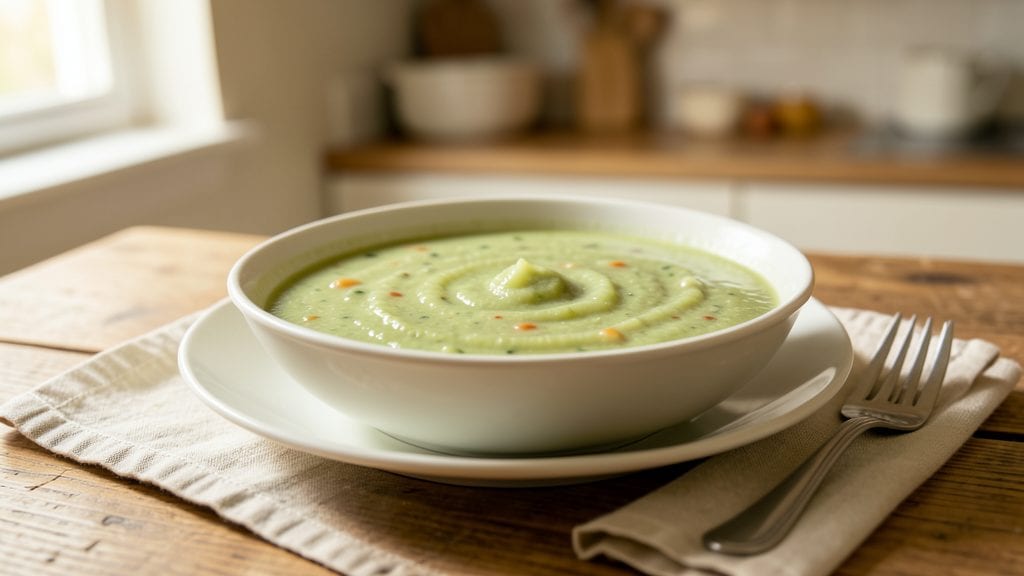
Transforming frozen vegetables into a velvety, restaurant-worthy soup proves that freshness isn't about seasonality—it's about technique. This frozen vegetable soup recipe delivers a silky, nutrient-packed meal in under 30 minutes, using no-waste ingredients that still taste like summer.
The secret lies in blending frozen veggies directly, eliminating the need for thawing while preserving vibrant flavors and textures.
What sets this soup apart is its versatility—you can use any frozen vegetables on hand, from carrots and peas to green beans and corn. The base builds on a simple broth foundation, enriched with garlic, onions, and a touch of lemon for brightness.
Unlike traditional soups that require fresh produce, this method works perfectly with whatever's in your freezer, making it both economical and eco-friendly.
The result is a smooth, creamy soup with just enough body to coat a spoon, where every bite delivers the natural sweetness of vegetables and the comforting depth of herbs.
It's the kind of meal that transforms a busy weeknight into a satisfying, nourishing experience without sacrificing flavor or nutrition. Ready to turn frozen veggies into something extraordinary?
This recipe also scales effortlessly—double the batch for meal prep or adjust the vegetable mix based on what you have. The possibilities are endless, and the process couldn't be simpler. Let's get started on creating a soup that's as good for you as it is delicious.
Ingredients for frozen vegetable soup
Transform frozen vegetables into restaurant-quality soup with these 13 versatile, nutrient-packed ingredients.
| Ingredient | Amount | Notes |
|---|---|---|
| Frozen Mixed Vegetables 🥦 | 4 cups | Peas, carrots, corn, green beans |
| Yellow Onion 🧅 | 1 whole | Medium size, diced small |
| Garlic Cloves 🧄 | 4 cloves | Fresh, peeled, minced finely |
| Vegetable Broth 💧 | 4 cups | Low-sodium preferred |
| Extra-Virgin Olive Oil 🫒 | 2 tbsp | Cold-pressed for best flavor |
| Fresh Lemon Juice 🍋 | 1 tbsp | Freshly squeezed |
| Fresh Thyme Leaves 🌿 | ¼ cup | Or 1 tsp dried thyme |
| Fresh Parsley Leaves 🌿 | 0.15 cup | Chopped, for garnish |
| Raw Cashews 🥜 | ½ cup | Soaked 1 hour for creaminess |
| Sea Salt 🧂 | 1 ½ tsp | Diamond Crystal preferred |
| Black Peppercorns 🌶️ | ½ tsp | Freshly cracked |
| Silken Tofu 🍫 | ½ cup | For extra creaminess |
| Coconut Milk 🥥 | ¼ cup | Full-fat for richness |
The frozen vegetables are the foundation—look for no-added-salt varieties at Whole Foods or Trader Joe's for optimal flavor control. The cashews and silken tofu create that velvety texture without dairy, while Diamond Crystal sea salt enhances all flavors without overpowering. For the broth, Pacific Foods or Imagine brands offer low-sodium options perfect for this recipe. The fresh thyme and parsley add aromatic depth, so grab them from the grocery store's refrigerated section—they keep best when stored properly.
No cashews? Substitute sunflower seeds or additional silken tofu for creaminess. Short on coconut milk? Extra silken tofu or avocado works equally well. The lemon juice can be omitted if you prefer a neutral flavor, but it brightens the soup beautifully. For a nut-free version, skip the cashews and increase the tofu to 1 cup. If your frozen veggies include corn, you'll want to blend separately and add back later to preserve texture. The recipe scales perfectly—double or triple the ingredients for meal prep.
Store leftovers in airtight containers for up to 5 days in the fridge or 3 months frozen. For best texture, reheat gently on the stove with a splash of water. The soup thickens as it cools, so add a little broth when reheating if needed. Freeze in portions for quick lunches—this soup tastes even better the next day as flavors meld. Garnish with fresh parsley and a drizzle of olive oil before serving for a restaurant-quality finish.
Why You'll Love This Recipe
- No Chopping Required: I swear by this one—just dump the frozen veggies straight into the pot. No wilting greens, no peeling carrots, no mess. Honestly, the only prep is slicing an onion and mincing garlic, which takes less time than deciding what to eat.
- Garlic-Kissed Depth: That extra-virgin olive oil sizzling with garlic? Chef’s kiss. It turns the broth into something rich and savory, not just bland veggies floating in water. The frozen mix might seem simple, but the caramelized onion and garlic make it taste like you actually cooked.
- Meal Prep MVP: This soup freezes like a dream—just portion it out before or after cooking. I make a big batch on Sundays, and by Wednesday, I’m reheating bowls straight from the freezer. (Yes, even on a Tuesday night when takeout sounds better.)
- Pocketbook Hero: Frozen veggies and broth are the ultimate budget win. A single bag of mixed veggies and a box of broth stretch into four servings, and you’re left with change to spare. Between us, this is how I feed my family without breaking the bank.
Step-by-step instructions for frozen vegetable soup
Transform simple ingredients into a velvety, nutrient-packed soup with this precise method.
Sauté Aromatics Until Fragrant
Heat the 2 tablespoons extra-virgin olive oil in a large pot over medium heat. Add the 1 whole yellow onion and cook for 5 minutes until softened and translucent. The onion should release its natural sweetness without browning.
Add the 4 cloves minced garlic cloves and cook for 30 seconds until the aroma fills your kitchen. This step develops the foundation of your soup's flavor profile. If the garlic starts to brown too quickly, reduce the heat slightly to prevent bitterness.
Build the Vegetable Base
Add the 4 cups frozen mixed vegetables to the pot and stir to coat in the oil. Pour in the 4 cups vegetable broth and bring the mixture to a gentle boil. Reduce heat to medium-low and simmer uncovered for 10 minutes until the vegetables are tender but still retain their shape.
You'll notice the vegetables soften and release their natural juices, creating a light broth. This stage is crucial for extracting maximum flavor from the frozen vegetables without overcooking them into mush.
Blend for Silky Texture
Transfer 3 cups of the vegetable mixture to a high-powered blender. Add the 0.5 cup soaked raw cashews, 0.5 cup silken tofu, 0.25 cup coconut milk, 1.5 teaspoons sea salt, and 0.5 teaspoon cracked black peppercorns. Blend until completely smooth, scraping down the sides as needed.
The cashews and silken tofu create a naturally creamy texture without dairy, while the coconut milk adds richness. For best results, use a blender with a powerful motor to achieve that restaurant-quality velvety consistency.
Combine and Finish
Return the blended mixture to the pot and stir well to combine. Add the remaining 1 cup of unblended vegetable mixture and heat through for 2-3 minutes over low heat. Stir in the 0.25 cup fresh thyme leaves and 1 tablespoon fresh lemon juice, adjusting the lemon to taste.
The lemon juice brightens the flavors and balances the richness from the cashews and coconut milk. Taste and adjust seasoning if needed, remembering that the broth may continue to reduce slightly as it sits.
Garnish and Serve
Ladle the soup into bowls and garnish each serving with 0.15 cup chopped fresh parsley leaves. The parsley adds a fresh, vibrant contrast to the creamy soup and enhances both visual appeal and flavor.
Serve immediately while hot, as the soup's texture and flavors are at their peak. This recipe yields 4 generous servings, perfect for meal prep or sharing with friends.
Pro Tips For Making Frozen Vegetable Soup
- Defrost First, Then Cook: Dump frozen veggies straight into hot broth, and you’ll end up with a watery, sad soup. Instead, thaw them in a colander under warm water for 3-4 minutes—just until pliable. This keeps the texture intact and prevents your soup from turning into vegetable broth.
- Sweat the Onion Low: After mincing the onion, cook it in olive oil on low heat for 8-10 minutes until it’s translucent but not browned. Rushing this step makes the soup taste raw and sharp—think of it as the flavor foundation, not just a quick sauté.
- Skip the Overcrowded Pot: I used to toss everything in at once, and the soup would barely simmer. Instead, cook the onions and garlic first, then add broth and frozen veggies in batches. A steady simmer (not a rolling boil) keeps the veggies tender, not mushy.
- Finish with Olive Oil: Stir in a tablespoon of extra-virgin olive oil at the end—it coats the veggies, making the soup richer and smoother. (Yes, even if you’re using it already for cooking.) It’s the one step that actually makes a difference in texture.
Flavor customization for this frozen vegetable soup
Herb Variations
Swap thyme for fresh basil or dill to create a Mediterranean-inspired twist. I love adding 1 tbsp chopped basil for a summery vibe or 1 tbsp dill for a bright, fresh flavor—both pair beautifully with the lemon juice.
For a Sicilian-inspired version, try 1 tsp dried oregano instead of thyme, which reminds me of Nonna's cooking. Always taste before serving—herbs can make or break a soup's character. 🌿
Spice Infusions
Add ½ tsp smoked paprika for a subtle smoky depth, or ¼ tsp cayenne pepper if you crave a little heat. I sometimes stir in ½ tsp ground cumin for an earthy warmth that complements the vegetables perfectly.
For a curry-inspired twist, add ½ tsp mild curry powder and a pinch of turmeric—it’s unexpected but delicious. Just remember, spices intensify as the soup cools, so start with half the amount you think you need. 🌶️
Protein Boosts
Stir in ½ cup cooked chickpeas for extra protein and texture, or add ½ cup crumbled tempeh for a nutty depth. I often toss in ½ cup white beans for creaminess and heartiness—it’s a game-changer for meal prep.
For a luxurious touch, top with toasted pumpkin seeds or crumbled feta (if not keeping it vegan). The key is balancing flavors so the vegetables remain the star. 🥜
Global Flavor Twists
Transform this soup into a Thai-inspired version by adding 1 tbsp coconut aminos, 1 tsp lime zest, and a pinch of red curry paste. For a Mexican-inspired take, stir in ½ tsp ground cumin, ¼ tsp chili powder, and top with avocado slices.
I once made a Japanese-inspired version with ½ cup miso paste and green onions—it was a hit at our family dinner. The possibilities are endless when you think globally! 🗺️
Texture Play
Keep it smooth with the full blend, or add ½ cup roasted chickpeas or toasted nuts for crunch. I love adding ½ cup diced avocado just before serving for a creamy contrast.
For a rustic texture, blend only 2 cups of the vegetable mixture and leave the rest whole—it’s a great way to highlight different veggie shapes. The contrast of textures makes every spoonful exciting. ✨
Seasonal Swaps
In fall, swap frozen veggies for roasted butternut squash and carrots—simmer them first for deeper flavor. For spring, use asparagus and peas with a splash of white wine in the broth.
I once made a summer version with zucchini and bell peppers, adding a splash of lemon juice to keep it light. Each season brings new opportunities to play with flavors. 🌱
Nutrition facts
Frequently asked questions
Can I use any frozen vegetables for this recipe?
This recipe works with any frozen vegetables, from peas and carrots to green beans and corn. For best results, avoid frozen veggie mixes with added salt or sauces. If using corn, blend it separately and stir it back in at the end to maintain texture. The key is to choose vegetables you enjoy—this soup is all about customization!
Why does the recipe call for both cashews and silken tofu?
The cashews add natural creaminess and richness, while the silken tofu provides a smooth, velvety texture without dairy. Together, they create that restaurant-quality consistency. For a nut-free version, simply double the silken tofu to 1 cup—it works beautifully on its own!
How do I prevent the soup from being too thick or too thin?
Start with 4 cups broth and adjust as needed. If it's too thick after blending, add ¼ cup water or broth at a time. For extra richness, stir in ¼ cup coconut milk. The soup will naturally thicken as it cools, so reheat with a splash of liquid if needed.
Can I make this soup ahead of time?
Yes! This soup tastes even better the next day as flavors meld. Store leftovers in airtight containers in the fridge for up to 5 days or freeze for 3 months. Reheat gently on the stove with a splash of water to restore creaminess. It reheats beautifully and is perfect for meal prep!
What if I don't have a high-powered blender?
No problem! Use an immersion blender directly in the pot, or transfer the mixture to a regular blender in batches. For extra creaminess, mash ½ cup cooked potatoes or ½ cup white beans into the soup before blending. The texture will still be smooth and delicious!