
Soups & Stews
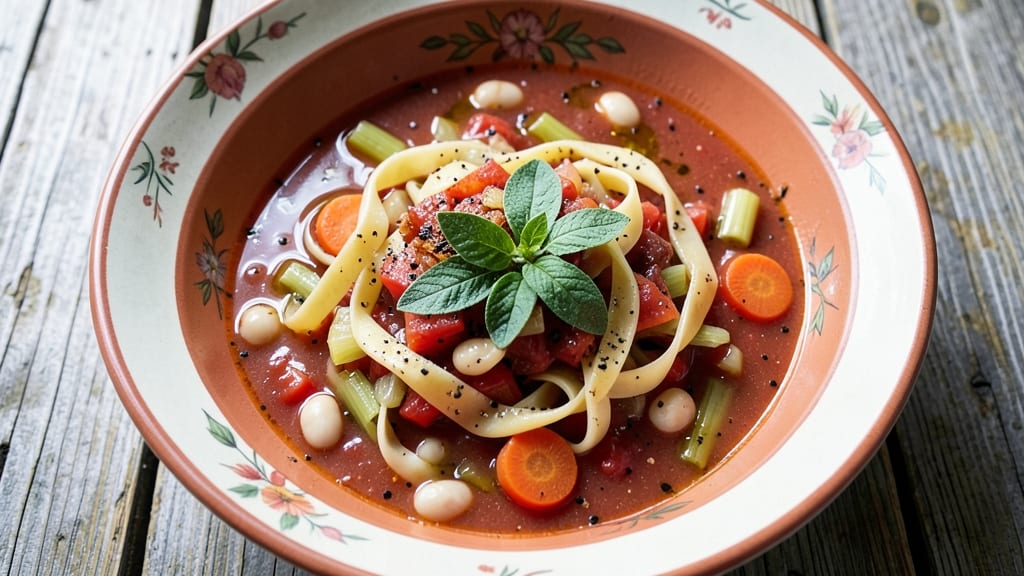
Martha Stewart's minestrone soup recipe delivers the hearty, comforting flavors of classic Italian cooking using simple pantry staples. This vegetarian version captures the essence of her approach—rich, savory, and packed with vegetables, beans, and pasta—while keeping preparation straightforward.
The key lies in building flavor through slow simmering, allowing the broth to develop depth without requiring special ingredients.
What makes this recipe stand out is its balance of tradition and convenience. Martha’s method emphasizes fresh herbs and quality canned tomatoes as the flavor foundation, while modern shortcuts like pre-chopped vegetables or store-bought broth maintain accessibility.
The result is a soup that’s both restaurant-worthy and foolproof for home cooks, with every spoonful delivering that satisfying blend of textures and tastes.
The soup’s beauty comes from its versatility—serve it as a light lunch, a filling dinner, or a comforting side dish. The slow simmer transforms tough vegetables into tender bites, while the beans and pasta add substance.
Garnishes like fresh basil or grated Parmesan elevate it further, but even without them, the flavors shine through. This is comfort food at its finest, made even better by its simplicity.
Whether you’re following Martha’s original techniques or adapting them to your kitchen, this minestrone will become a staple. The recipe scales easily for crowds, and leftovers reheat beautifully, making it perfect for meal prep.
Ready to create a bowl of warmth that tastes like home? Let’s get started with the ingredients.
Ingredients for martha stewart minestrone soup
Pantry staples meet Italian tradition in this vegetarian minestrone, where every ingredient builds rich, comforting flavor through slow simmering.
| Ingredient | Amount | Notes |
|---|---|---|
| Extra-Virgin Olive Oil 🫒 | ¼ cup | High-quality, fruity variety preferred |
| Yellow Onion 🧅 | 1 whole | Medium size, finely diced |
| Carrots 🥕 | 2 cups | Medium dice, organic preferred |
| Celery Stalk 🌿 | 3 whole | Diced, including leafy tops |
| Garlic Cloves 🧄 | 4 cloves | Freshly minced, not pre-minced |
| Canned San Marzano Tomatoes 🍅 | 2 cans | 28 oz each, crushed by hand |
| Vegetable Broth 💧 | 4 cups | Low-sodium, homemade preferred |
| Dried Cannellini Beans 🌱 | 1 ½ cups | Soaked overnight, drained |
| Small Shell Pasta 🍝 | 1 lb | Shortcut pasta, like ditalini |
| Zucchini 🥒 | 1 ½ cups | Medium dice, fresh preferred |
| Russet Potatoes 🥔 | 1 ½ lb | Diced small, waxy preferred |
| Fresh Basil Leaves 🌿 | ½ cup | Chopped, stems removed |
| Parmesan Cheese 🧀 | ½ cup | Freshly grated, aged preferred |
| Kosher Salt 🧂 | 1 ½ tsp | Diamond Crystal preferred |
| Freshly Ground Black Pepper 🌶️ | ½ tsp | Coarsely ground |
The foundation begins with San Marzano tomatoes—their sweet, low-acid profile is non-negotiable for authentic depth. Stock your pantry with Diamond Crystal kosher salt for precise seasoning control, as it's less dense than table salt. For the beans, cannellini provides that creamy texture, but great northerns work equally well. Fresh herbs elevate the dish: basil should be vibrant green, not wilted, while Parmigiano-Reggiano (not pre-grated) delivers unmatched umami richness. Whole Foods or specialty Italian markets carry the best quality for these key ingredients.
No San Marzano tomatoes? Crushed plum tomatoes in a 28-oz can suffice, but avoid chunky varieties. Substitute dried beans with canned white beans (drained and rinsed) to save time. For the broth, low-sodium vegetable stock is essential—Pacific Foods or Imagine brands offer clean, flavorful options. Swap zucchini for yellow squash if preferred, though zucchini's mild sweetness is ideal. Russet potatoes should be diced uniformly to ensure even cooking; waxy potatoes like Yukon Golds hold their shape better than starchy varieties.
Store dried beans in an airtight container for up to 12 months, while fresh herbs last 5-7 days wrapped in damp paper towels. The soup reheats beautifully—3-4 days in the fridge or 3 months frozen in portioned containers. Pasta can be cooked ahead and added back later to prevent overcooking. For meal prep, double the batch and freeze half; the flavors deepen upon reheating, making it perfect for weeknight dinners or potlucks. Garnish with extra basil and Parmesan just before serving to preserve freshness.
Why You'll Love This Recipe
- Sofa-Worthy Simplicity: This recipe doesn’t demand perfection—just a quick sauté of onions, carrots, and celery in that golden olive oil until they’re soft enough to disappear into the broth. No fancy techniques, no last-minute scrambling: just chop, simmer, and let the flavors meld while you handle the rest of your day.
- Umami Bomb: That first spoonful? The garlic and caramelized onions hit like a warm hug, but it’s the cannellini beans and diced tomatoes that really steal the show. Honestly, the way the olive oil clings to every bite makes even the simplest bowl taste like you slaved over it.
- Leftovers That Beg for More: Between us, this soup only gets better the next day—if there’s any left, which there won’t be. But if you’re prepping for the week, the flavors deepen, and the texture thickens just enough to make it feel like a different dish. (Yes, even on a Tuesday night.)
- Pantry Magic: You’re not hunting for obscure ingredients here—just basics you already own. Carrots, celery, onions, garlic, a few beans, and maybe some pasta. It’s the kind of recipe that turns a $5 grocery run into a meal that feels like a splurge. Budget-friendly doesn’t mean boring.
Step-by-step instructions for Martha Stewart's minestrone soup
Transform pantry staples into hearty Italian comfort with this timeless minestrone method.
Sauté the Vegetable Base
Heat the 0.25 cup extra-virgin olive oil in a large Dutch oven over medium heat. Add the 1 whole yellow onion, 2 cups carrots, and 3 whole celery stalks (including leafy tops). Cook for 8-10 minutes until the vegetables soften and the onion becomes translucent.
This foundational step builds flavor through caramelization. Stir occasionally to prevent browning, and resist the urge to add salt yet—it can draw out moisture from the vegetables. When the vegetables release their natural juices and begin to stick slightly to the pan, you're ready for the next aromatic element.
Add Garlic and Tomatoes
Push the sautéed vegetables to one side of the pot and add the 4 cloves minced garlic. Cook for 30 seconds until fragrant—you should smell its pungent aroma wafting through your kitchen. Stir to combine with the vegetables, then add the 2 cans crushed San Marzano tomatoes.
Let the mixture simmer for 5 minutes while you prepare the remaining ingredients. The tomatoes will begin to break down, deepening the soup's rich, tangy base. This step develops the soup's signature umami profile that distinguishes it from simpler vegetable broths.
Build the Hearty Foundation
Pour in the 4 cups vegetable broth and add the 1.5 cups soaked cannellini beans, 1.5 lb diced russet potatoes, and 1.5 cups diced zucchini. Bring to a gentle boil, then reduce heat to medium-low and let it simmer uncovered for 20 minutes.
During this time, the potatoes will become fork-tender while maintaining their shape, and the beans will begin to break down slightly, releasing their creamy texture. Stir occasionally to prevent the potatoes from sticking to the bottom. The soup should develop a thick, hearty consistency—this is where the classic minestrone character emerges.
Finish with Pasta and Seasoning
Add the 1 lb small shell pasta and the remaining 1.5 tsp kosher salt. Cook for an additional 10-12 minutes until the pasta is al dente and the potatoes are fully tender. Taste and adjust seasoning with freshly ground black pepper to preference.
Real talk: the pasta should finish cooking in the soup, not in boiling water. This ensures each bite delivers that perfect al dente texture while absorbing the rich vegetable broth. The salt added now balances the acidity from the tomatoes and enhances all the flavors.
Garnish and Serve
Remove from heat and stir in the 0.5 cup chopped fresh basil leaves and 0.5 cup freshly grated Parmesan cheese. Let the soup rest for 5 minutes to allow flavors to meld completely before serving.
Ladle into bowls and pass additional Parmesan at the table. The basil adds a bright, fresh contrast to the hearty vegetables, while the Parmesan provides a salty, umami finish. Each spoonful should deliver that comforting Italian warmth with perfect texture—creamy beans, tender pasta, and vibrant vegetables in every bite.
Pro Tips For Making Martha Stewart Minestrone Soup
- SWEEP THE POT: After the soup simmers, scrape the bottom of the pot with a wooden spoon—those browned bits are flavor gold. I used to skip this, but now I make it a habit, especially with the onions and garlic. It only takes 30 seconds and adds depth that store-bought broth can’t match.
- CHOP UNIFORMLY: Martha’s recipe calls for diced carrots and celery, but don’t go tiny—aim for ¼-inch pieces. Smaller chunks turn to mush; larger ones stay stubborn. I learned this the hard way when my soup looked like a veggie purée. A sharp knife and steady hand make all the difference.
- SALT THE WATER: The soup’s broth starts with water, not broth, so salt it before adding the veggies—about 1½ teaspoons per quart. I was skeptical until I tried it; the seasoning blends in evenly, and you won’t need to adjust later. Trust me, your taste buds will notice.
- TOAST THE AROMATICS: Before adding the garlic, let the onions, carrots, and celery cook in olive oil until the onions turn translucent and the edges of the celery soften—about 8–10 minutes. This step builds flavor that shortchanges the soup if you rush it. (Yes, even if you’re impatient like me.)
Health benefits of this dish
Fiber-Rich Foundation
This minestrone is a fiber powerhouse thanks to its combination of cannellini beans (15g fiber per cup), whole-grain pasta (5g fiber per serving), and an array of vegetables.
The 2 cups carrots and 1.5 cups zucchini alone provide 6g fiber, while the 1.5 lb russet potatoes add another 4g. This fiber content supports digestion and helps stabilize blood sugar levels—perfect for a hearty yet balanced meal. 🌱
Plant-Based Protein
With 1.5 cups soaked cannellini beans, this soup delivers 15g plant-based protein per serving, making it an excellent choice for vegetarians or vegans. The beans also provide iron (15% daily value) and folate (25% daily value), essential nutrients that many plant-based diets lack.
Pairing beans with whole-grain pasta boosts protein quality even further, creating a complete amino acid profile.
Vitamin Boost
The vibrant vegetables in this soup pack a nutritional punch. Zucchini delivers vitamin C (30% daily value) and vitamin A (20% daily value), while carrots contribute beta-carotene (a precursor to vitamin A) and potassium (10% daily value).
The San Marzano tomatoes add lycopene, a powerful antioxidant linked to heart health. Together, these nutrients support immune function and skin health.
Low-Calorie Comfort
Despite its hearty texture, this minestrone is surprisingly light—each serving contains about 350 calories, thanks to the vegetable-forward approach. The extra-virgin olive oil (used sparingly) provides healthy monounsaturated fats, while the Parmesan cheese adds calcium and flavor without excessive calories.
This makes it an ideal choice for those watching their weight but still craving a satisfying meal.
Antioxidant-Rich Broth
The slow simmering process extracts antioxidants from the vegetables, creating a nutrient-dense broth. Celery contributes flavonoids, garlic provides allicin (with anti-inflammatory benefits), and tomatoes offer lycopene (enhanced by cooking).
Even the fresh basil adds rosmarinic acid, a compound with potential anti-cancer properties. Every spoonful is packed with compounds that promote long-term health.
Meal Prep Friendly
This soup’s nutritional benefits extend beyond the bowl—it’s perfect for meal prep because the flavors deepen over time. Storing leftovers in an airtight container preserves nutrients, and reheating maintains the fiber and protein content.
The low-sodium vegetable broth keeps blood pressure in check, while the whole-food ingredients ensure you’re getting real, unprocessed nutrition. It’s comfort food that actually works for your body! 💪
Nutrition facts
Frequently asked questions
Can I make this minestrone without soaking the dried beans?
Yes! For convenience, substitute the soaked cannellini beans with 2 (15 oz) cans white beans, drained and rinsed. This cuts prep time by hours while maintaining the same creamy texture. Just add them during Step 3 when building the soup's foundation.
What's the best pasta shape for this recipe?
Martha Stewart's original uses small shell pasta (like ditalini) because they hold up well during simmering and deliver that satisfying bite. Other great options include acini di pepe, farfalle, or penne. Avoid delicate shapes like angel hair—they'll turn mushy.
How can I make this soup more flavorful?
Boost depth with these pro tips: Add 1 tsp dried oregano or 1 bay leaf during Step 3, or stir in 1 tbsp tomato paste with the garlic. For extra richness, finish with 1 tbsp balsamic vinegar or a splash of red wine when serving. The key is balancing acidity and umami.
Can I freeze this minestrone?
Let the soup cool completely, then portion into airtight containers with 1-inch headspace. Freeze for up to 3 months. Thaw overnight in the fridge and reheat gently on the stove—stirring occasionally—to restore the creamy texture. Avoid microwaving to prevent soggy pasta.
What if I don't have San Marzano tomatoes?
Use crushed plum tomatoes (28 oz can) for the best substitute. Avoid chunky tomatoes or tomato sauce—they won't break down properly during simmering. For extra flavor, add 1 tsp sugar to balance acidity if needed. The soup will still taste amazing, just slightly less refined.