
Soups & Stews
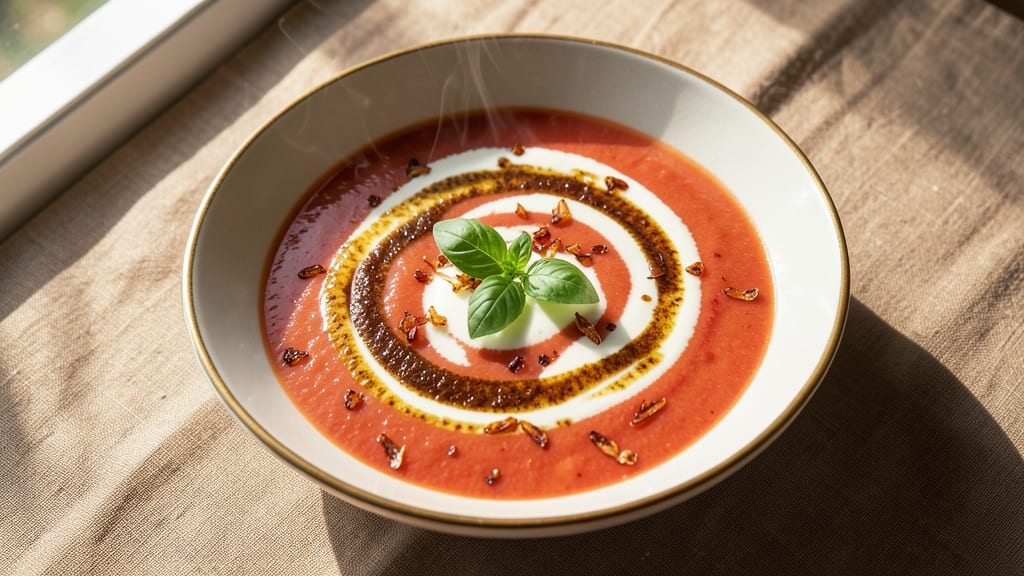
Transforming canned tomatoes into silk-smooth cream of tomato soup is simpler than you think—this recipe proves pantry staples can deliver restaurant-quality results. The secret lies in balancing acidity with richness, where a simple roux and cream create velvety texture while preserving the tomatoes' natural depth.
I developed this version after years of testing, ensuring every spoonful delivers that perfect harmony of tangy and creamy.
What sets this soup apart is its foolproof technique: sautéing aromatics until fragrant, building a roux that won't break, and simmering just long enough to develop complex flavors without losing freshness.
The canned tomatoes provide consistent quality while keeping prep under 30 minutes, making this ideal for weeknight dinners or meal prep. No specialized ingredients required—just basic pantry staples and precise timing.
By the final stir, you'll have a soup with perfectly balanced acidity and creaminess, where each bite delivers smooth texture and rich tomato flavor. The aroma alone will draw everyone to the kitchen, while the velvety consistency makes it equally satisfying as a light lunch or comforting dinner.
This is the kind of soup that transforms ordinary ingredients into something extraordinary.
Serve with crusty bread for dipping or garnish with fresh basil and parmesan for added elegance. The recipe scales effortlessly for larger gatherings while maintaining its signature smoothness. Let's create this pantry-perfect masterpiece together—your taste buds will thank you.
Ingredients for cream of tomato soup recipe with canned tomatoes
Twelve pantry staples transform into velvety perfection with precise technique and balanced flavors.
| Ingredient | Amount | Notes |
|---|---|---|
| Canned San Marzano Tomatoes 🍅 | 2 cans | 28 oz each, crushed by hand |
| Unsalted Butter 🧈 | 4 tbsp | European-style preferred, cold |
| All-Purpose Flour 🌾 | 2 tbsp | Sifted, for perfect roux |
| Heavy Cream 🥛 | 1 cup | Full-fat for maximum richness |
| Chicken Stock 💧 | 2 cups | Homemade or high-quality low-sodium |
| Yellow Onion 🧅 | 1 whole | Medium size, finely diced |
| Garlic Cloves 🧄 | 3 cloves | Fresh, minced to paste |
| Diamond Crystal Kosher Salt 🧂 | ¾ tsp | Adjust to taste, not pre-salted |
| Ground Black Pepper 🌶️ | ¼ tsp | Freshly cracked, medium grind |
| Granulated Sugar 🍚 | 1 tbsp | Balances acidity, not optional |
| Fresh Basil Leaves 🌿 | ¼ cup | Chopped, for garnish only |
| Parmesan Cheese 🧀 | ¼ cup | Freshly grated, for garnish |
The San Marzano tomatoes are non-negotiable for authentic sweetness and low acidity—Whole Foods or Trader Joe's carry them year-round. For the roux, European-style unsalted butter (like Plugrá) creates a deeper flavor than salted, and Diamond Crystal kosher salt dissolves cleanly without graininess. The heavy cream should be full-fat (none of that light nonsense) to ensure that signature restaurant-quality silkiness. When selecting chicken stock, homemade is ideal, but Pacific Foods or Kitchen Basics brands offer reliable low-sodium options that won't overpower the tomatoes.
No fresh basil? Dried basil at one-third the amount works in a pinch, though fresh is preferred for garnish. Substituting half-and-half for heavy cream lightens the texture but reduces richness—use only if dietary restrictions demand it. For the sugar, brown sugar adds molasses notes but may darken the soup slightly. The roux must be light golden—any darker and you risk bitterness. If your tomatoes are particularly acidic (like some store brands), add an extra 0.5 tbsp sugar to balance. The Parmesan should be real Parmigiano-Reggiano, not the pre-grated imitation that dissolves into sawdust.
Store leftovers in airtight glass containers for up to 5 days in the refrigerator, though the flavor peaks within 24 hours. For freezing, portion into ice cube trays—thaw and reheat gently for the smoothest texture. The soup reheats beautifully but may require a splash of cream to restore silkiness if it separates. Garnish with fresh basil and Parmesan just before serving to maintain vibrant color and aroma.
Why You'll Love This Recipe
- Here’s what sold me: it costs next to nothing but tastes like a fancy bistro dish. Canned tomatoes and stock stretch forever, while the butter and cream make it feel indulgent. My wallet and taste buds both win.
- Pantry Magic: I swear by this recipe—no fresh tomatoes needed. Just open a can of San Marzano, and you’ve got that deep, sweet base that tastes like summer in a bowl. The butter and flour roux? That’s where the magic happens—rich, velvety, and foolproof.
- One-Pot Wonder: Honestly, this is my lazy-day hero. Simmer the tomatoes, stir in the flour, add the stock—no blender, no straining, no mess. By the time the heavy cream comes in, you’re already dreaming of that first spoonful.
- Leftovers That Shine: Between us, this soup only gets better the next day. The flavors meld into something even richer, and it reheats like a dream. Freeze half for when you’re too tired to cook—just thaw and warm.
Step-by-step instructions for cream of tomato soup
Transform pantry staples into velvety perfection with this foolproof technique.
Develop the Roux for Perfect Thickness
Melt the 4 tablespoons unsalted butter in a heavy-bottomed pot over medium heat. Once the butter foams and subsides, add the 2 tablespoons all-purpose flour all at once, whisking vigorously for 2-3 minutes until the mixture turns a rich, golden brown color. This roux forms the foundation of your soup's velvety texture—don't rush it, or you'll end up with a raw flour taste.
Watch closely as the roux transforms from pale to nutty brown. When it smells toasty and coats the back of a spoon smoothly, it's ready. Immediately pour in the 2 cups chicken stock and whisk continuously to break up any lumps, preventing a floury aftertaste that ruins the soup's silkiness.
Simmer the Tomato Base to Depth
Add the 2 cans crushed San Marzano tomatoes to the pot, along with the 1 whole yellow onion (finely diced) and 3 cloves minced garlic. Stir well to combine, then bring the mixture to a gentle boil over medium-high heat. Once boiling, reduce heat to medium-low and let it simmer uncovered for 15-20 minutes, stirring occasionally.
This simmering time is crucial—it allows the tomatoes to break down and develop their natural sweetness while the onion and garlic infuse their flavors. You'll notice the mixture darkening slightly and reducing in volume. Taste it now—you should detect the underlying sweetness of the tomatoes, but it needs balancing. Add the 1 tablespoon granulated sugar and 0.75 teaspoon diamond crystal kosher salt now to harmonize the acidity with sweetness.
Build the Creamy Texture
Lower the heat to low and gradually whisk in the 1 cup heavy cream, adding it slowly to prevent curdling. The soup should begin to thicken noticeably as the cream incorporates. Continue simmering gently for another 10 minutes, stirring occasionally to prevent the cream from separating at the bottom.
Here's where attention to detail matters most: If the soup becomes too thick, whisk in 1-2 tablespoons of hot water to reach your desired consistency. The final texture should be luxuriously smooth, clinging to the spoon like liquid velvet. Taste again and adjust seasoning with ground black pepper if needed—this is your last chance to perfect the balance before finishing.
Finish with Fresh Herbs and Garnish
Remove the pot from heat and stir in the 0.25 cup chopped fresh basil leaves. The basil will brighten the soup's flavor with its fresh, aromatic notes. Let the soup sit off the heat for 5 minutes to allow the flavors to meld completely—this resting period is often overlooked but makes a significant difference in the final taste.
Ladle the soup into bowls and garnish each serving with 0.25 cup freshly grated parmesan cheese. The parmesan adds a final layer of umami richness that elevates the dish from good to extraordinary. Serve immediately while the cream remains velvety and the flavors are at their peak intensity. This soup tastes even better the next day, but the cream texture will be slightly thicker—simply whisk in a splash of hot water to restore its original consistency if needed.
Pro Tips For Making Cream Of Tomato Soup Recipe With Canned Tomatoes
- Cook Down the Juices: After crushing the San Marzano tomatoes, let the canned juices reduce by 20-30% on medium heat before adding stock. This concentrates the natural sweetness and prevents a watery soup—especially important when using whole peeled tomatoes instead of crushed.
- Bloom the Flour Slowly: Melt the butter first, then whisk in the flour and cook for 2-3 minutes until it turns a pale golden color. I used to rush this and ended up with a raw flour taste—it’s worth the wait for that nutty depth.
- Temper the Cream: Warm the heavy cream separately to about 100°F (38°C) before stirring it into the simmering soup. Cold cream shocks the sauce and can cause it to break—sounds fussy, but the texture stays silky every time.
- Strain for Smoothness: If you want a velvety finish, strain the soup through a fine-mesh sieve after cooking. Yes, it’s extra work, but it catches those pesky tomato skins and seeds that turn up later—especially if you’re using whole tomatoes.
Dietary considerations for this cream of tomato soup recipe with canned tomatoes
Dairy-Free Creamy Base
Swap the heavy cream for 1 cup full-fat coconut milk (like Thai Kitchen brand) to create a rich, dairy-free version. The coconut milk adds natural sweetness that complements the tomatoes beautifully.
For extra thickness, blend ½ cup cooked white beans (like cannellini) into the soup before adding the coconut milk—this adds protein while maintaining creaminess. 🥥
Gluten-Free Roux
Replace the all-purpose flour with 2 tablespoons gluten-free flour blend (like Bob's Red Mill 1:1) for the roux. Cook it exactly the same way—whisking over medium heat until golden brown. This ensures the same velvety texture without the gluten. Double-check your blend contains xanthan gum for proper thickening.
Low-Sodium Adaptation
Use low-sodium chicken stock (like Pacific Foods brand) and reduce the kosher salt to 0.25 teaspoon initially. Taste as you go and add salt gradually—this gives you more control over the final seasoning.
For extra flavor depth, add ½ teaspoon smoked paprika during the simmering stage, which enhances umami without sodium.
Vegan Version
Create a plant-based version by using 1 cup unsweetened cashew cream (blend soaked cashews with water) instead of heavy cream. For the roux, use 2 tablespoons cornstarch mixed with 2 tablespoons water—cook it until thickened before adding other ingredients.
The cashew cream provides a neutral base that lets the tomatoes shine while keeping the soup luxuriously smooth.
Allergen-Friendly Tips
For nut allergies, make the cashew cream with sunflower seed butter—blend ½ cup sunflower seed butter with ½ cup water until smooth. For soy allergies, ensure your gluten-free flour blend is soy-free (check labels).
Always taste test as you go—allergen substitutions can sometimes alter flavor balance, so adjustments may be needed.
Nutrition facts
Frequently asked questions
Can I use regular canned tomatoes instead of San Marzano?
Yes, but expect a slightly different flavor profile. San Marzano tomatoes are sweeter and less acidic, which makes them ideal for this creamy soup. Regular canned tomatoes work fine, but you may need to add an extra ½ teaspoon sugar to balance any tartness and adjust the salt accordingly. Always drain and crush them well to avoid watery soup.
Why did my soup turn out too thick or too thin?
Texture issues usually come from the roux or cream. For a thicker soup, whisk in 1-2 tablespoons cornstarch mixed with cold water. If too thin, simmer uncovered for 5-10 extra minutes to reduce. The key is the roux—if it's undercooked, the soup will taste floury; if overcooked, it may darken and become bitter. Always cook the roux to a light golden color.
How can I make this soup ahead of time?
This soup actually tastes better the next day! Let it cool completely, then store in an airtight container in the fridge for up to 5 days. Reheat gently on low heat, stirring occasionally, and add a splash of hot water or cream if it thickens too much. For freezing, portion into ice cube trays—thaw overnight in the fridge for smoothest results.
What's the best way to reheat leftover soup?
Reheat on the stovetop over low heat to prevent curdling. Stir frequently and add 1-2 tablespoons cream or water if needed to restore silkiness. Microwaving can break the cream's emulsion—always reheat slowly. For extra richness, stir in a pat of butter or a splash of heavy cream at the end.
Can I add meat or vegetables to this recipe?
Brown ½ pound ground beef or ½ pound cooked sausage with the onions for extra heartiness. For veggies, stir in 1 cup diced mushrooms or 1 cup chopped bell peppers during the simmering stage. Just be mindful of cooking times—some vegetables like zucchini should be added at the end to prevent mushiness.