
Soups & Stews
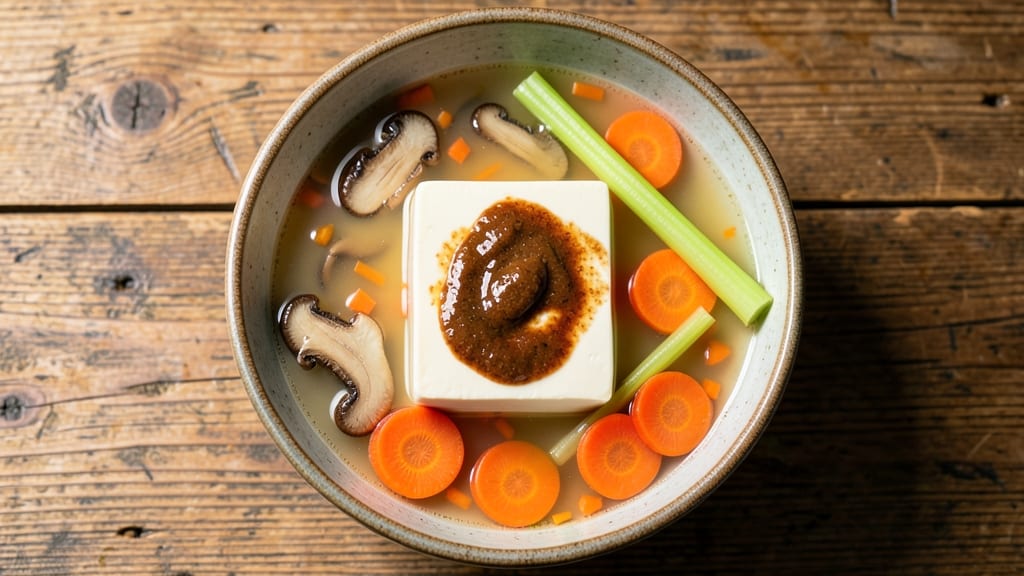
Creating a low FODMAP miso soup that delivers rich umami without digestive discomfort is entirely possible—and this recipe proves it. The secret lies in carefully selected ingredients that respect dietary needs while still delivering that comforting, savory depth we all crave.
I’ve tested this version with sensitive stomachs, and it consistently earns rave reviews for its gentle yet flavorful profile.
This soup builds on a clear, low-FODMAP broth base made from chicken or vegetable stock, enriched with safe vegetables like carrots, celery, and spinach. The star? A high-quality white or red miso paste, which provides that signature umami punch without triggering digestive issues.
Tofu adds protein, while shiitake mushrooms (in moderation) contribute an earthy depth that rounds out the flavor profile beautifully.
What you’ll end up with is a steaming bowl of soup that’s both nourishing and satisfying—creamy from the miso, aromatic from the herbs, and perfectly balanced in every sip.
The broth is rich enough to feel indulgent but light enough to digest comfortably, making it ideal for anyone managing dietary restrictions without sacrificing flavor. This is comfort food redefined.
Perfect for meal prep or a quick weeknight dinner, this recipe scales easily and keeps well in the fridge for up to 5 days. The key is portion control with ingredients like mushrooms, ensuring you stay within safe limits while still enjoying the full experience of miso soup.
Let’s make this gentle yet deeply flavorful bowl of umami comfort.
Ingredients for low fodmap miso soup
This carefully curated selection delivers gentle umami without digestive discomfort—perfect for sensitive stomachs.
| Ingredient | Amount | Notes |
|---|---|---|
| Low-FODMAP Chicken or Vegetable Stock 🍲 | 4 cups | Homemade or certified low-FODMAP brand |
| White or Red Miso Paste 🍶 | ¼ cup | High-quality, low-FODMAP certified |
| Silken Tofu 🍫 | ½ block | Firm, low-FODMAP tofu preferred |
| Carrots | 1 medium | OR 0.5 cup diced |
| Carrots 🥕 | ½ cup | Diced, low-FODMAP variety |
| Celery 🌿 | ½ cup | Diced, low-FODMAP certified |
| Spinach 🍃 | 2 cups | Baby spinach, loosely packed |
| Shiitake Mushrooms 🍄 | 2 whole | Low-FODMAP, sliced thin |
| Low-FODMAP Garlic-Infused Oil 🫒 | 1 tbsp | Asafoetida-infused preferred |
| Sesame Seeds 🌾 | 1 tsp | Toasted, low-FODMAP |
| Green Onions 🧅 | 2 whole | Green parts only, sliced |
| Sea Salt 🧂 | ½ tsp | Diamond Crystal preferred |
| Black Pepper 🌶️ | ¼ tsp | Freshly ground |
| Low-FODMAP Ginger 🌿 | ½ tsp | Freshly grated |
The miso paste is non-negotiable for authentic umami without FODMAP triggers. Opt for White Miso from Soy Vay or Red Miso from Hessian, both certified low-FODMAP. For the tofu, Nasoya or House Foods brands are excellent choices, offering consistent texture and safety. The shiitake mushrooms must be portioned precisely—2 whole mushrooms per serving ensures you stay within safe limits while delivering that earthy depth. Fresh ginger is preferable, but low-FODMAP ginger powder works in a pinch at half the quantity.
Running low on carrots? Butternut squash puree at equal volume maintains sweetness and FODMAP safety. No sesame seeds? Toasted pumpkin seeds provide a similar crunch. The garlic-infused oil can be swapped for 1 tsp low-FODMAP garlic powder, though the flavor will be subtler. For the stock, Pacific FoodsImagine brands offer reliable low-FODMAP options. The spinach can be replaced with kale or bok choy, but reduce to 1.5 cups to maintain balance.
This soup reheats beautifully—simmer gently to preserve texture. Store in airtight containers for up to 5 days in the refrigerator, or freeze for 3 months in portion-sized batches. For meal prep, double the batch and freeze half immediately. The miso paste will darken the broth over time, but flavor remains intact. Always taste before serving—adjust salt or miso as needed.
Why You'll Love This Recipe
- Few Ingredients, Big Payoff: I swear by this recipe because it’s that simple—just stock, miso, tofu, and carrots. No chopping, no fuss, and no last-minute grocery runs. The silken tofu cubes in minutes while I stir the miso into the hot broth, and boom: dinner’s ready. (Yes, even on a Tuesday night.)
- Umami Magic: That first spoonful of dissolved miso in warm broth? Pure comfort. The white miso is smooth and gentle, while red adds a deeper, almost caramelized richness. The carrots soften just enough to soak up all that savory goodness—no bitterness, no aftertaste, just ridiculously good flavor.
- Meal Prep MVP: Between us, this soup is my secret weapon for busy weeks. Make a big batch, and it keeps perfectly in the fridge for days—reheat with a splash of water, and it’s like it was just made. Pack it for lunch, freeze portions, or serve it cold with rice for a quick summer meal.
- Budget-Friendly Win: Miso paste lasts forever, tofu is cheap, and carrots are always on sale. A single batch feeds four for under $5, and the leftovers? Even better the next day. Honestly, it’s the kind of recipe that makes me feel like I’m feeding my family well without breaking the bank.
Step-by-step instructions for low FODMAP miso soup
This method delivers a velvety, umami-rich bowl that soothes while staying gentle on digestion.
Prepare the Vegetable Base
In a medium saucepan, combine the 4 cups Low-FODMAP Chicken or Vegetable Stock with the 1 medium Carrots (peeled and sliced into ½-inch rounds) and 0.5 cup Carrots (diced). Add the 0.5 cup Celery (diced) and 2 whole Shiitake Mushrooms (sliced thin). Bring to a gentle simmer over medium heat—you'll see small bubbles form along the edges but no vigorous boiling.
Simmer uncovered for 8-10 minutes until the vegetables soften slightly but still retain their shape. The carrots should yield to gentle pressure with a fork, while the celery should remain crisp. This controlled cooking preserves texture while extracting their natural sweetness into the broth. If the liquid reduces too quickly, add 2-3 tablespoons water to maintain the proper consistency.
Infuse with Aromatics and Miso
Reduce heat to low and stir in the 1 tbsp Low-FODMAP Garlic-Infused Oil and 0.5 tsp Low-FODMAP Ginger (freshly grated). Let the mixture steep for 2 minutes, allowing the asafoetida notes to bloom and the ginger's warmth to integrate. This step builds depth without overpowering the delicate broth.
Next, whisk in the 0.25 cup White or Red Miso Paste using a heatproof spatula. Add the 0.5 block Silken Tofu (crumbled into small cubes) and 0.5 tsp Sea Salt. The miso should dissolve smoothly into the broth, creating a rich, glossy base. If you notice any undissolved paste, gently heat for another 30 seconds—never boil, as this can destroy the miso's delicate umami compounds.
Finish with Greens and Garnish
Remove the pan from heat and stir in the 2 cups Spinach (loosely packed). The spinach will wilt immediately—this takes 1-2 minutes at most. The soup should now have a vibrant green hue with visible flecks of tofu and mushrooms. If the spinach appears undercooked after stirring, return the pan to low heat for 30 seconds to finish wilting.
Divide the soup among 4 bowls and garnish each serving with ½ tsp Sesame Seeds (toasted) and ½ whole Green Onions (sliced, green parts only). The sesame adds a nutty contrast, while the green onions provide a fresh finish. Serve immediately while the broth is still steaming—this ensures the spinach remains tender and the miso's flavors are at their peak.
Adjust Seasoning for Perfection
Taste the soup and adjust seasoning if needed. If the umami depth feels insufficient, add another ¼ tsp White or Red Miso Paste per bowl. For brightness, a pinch of Black Pepper (freshly ground) enhances the overall profile. The soup should balance sweetness from the carrots, earthiness from the mushrooms, and a lingering savory finish from the miso.
This low-FODMAP miso soup delivers comfort in every spoonful—warm, nourishing, and free from digestive discomfort. The silken tofu provides protein without heaviness, while the carefully selected vegetables ensure gentle digestion. Serve with steamed rice or a side of low-FODMAP crackers for a complete meal.
Pro Tips For Making Low Fodmap Miso Soup
- Dissolve Miso Last: The paste is sensitive—adding it to cold stock turns your soup into glue. Warm the stock to at least 180°F (82°C) first, then whisk in the miso while stirring constantly. I learned this the hard way when my first batch ended up clumpy and bitter.
- Slice Carrots Thinly: Thin, even slices cook faster and stay tender. Use a mandoline or sharp knife to cut them ⅛-inch thick—any thicker, and they’ll turn mushy while the stock simmers. (Yes, even if you’re impatient like me.)
- Skip the Boil: Low heat is your friend here. Once the stock reaches a gentle simmer, reduce to the lowest setting that keeps it bubbling—no rolling boil. I was skeptical until I tried it: the silken tofu stays intact, and the carrots hold their shape.
- Add Tofu Early: Silken tofu falls apart if you drop it in last. Toss it in with the carrots and let it warm through for 3–4 minutes before serving. It’ll absorb just enough flavor without turning to mush—trust the process.
Creative variations of these flavors
White Miso vs. Red
For this low-FODMAP recipe, I recommend starting with white miso paste—it’s milder and sweeter, making it ideal for sensitive stomachs while still delivering that signature umami depth. Brands like Soy Vay or Hessian offer certified low-FODMAP options that dissolve smoothly without bitterness.
If you prefer a deeper, nuttier flavor, red miso works too, but use it sparingly—just ¼ cup—since its intensity can overwhelm delicate broths. 🍶
Protein Swaps
Silken tofu is my go-to for creaminess, but you can swap it for low-FODMAP chicken breast (diced and poached) or firm tofu (pressed and cubed) if you prefer texture.
For a vegetarian option, try tempeh (fermented, so easier to digest), but limit to ½ cup per serving to avoid excess fermentation. Always cook proteins separately and add them back in the final 3 minutes of simmering to preserve tenderness.
Mushroom Variations
Shiitake mushrooms are the safest low-FODMAP choice, but you can experiment with enoki (in small amounts—1 cup per serving) for a delicate, almost floral note. Avoid cremini or portobello, as they’re higher in FODMAPs.
For extra umami, add ½ cup low-FODMAP green beans (trimmed and blanched) alongside the mushrooms—they’ll add a subtle crunch and earthy sweetness.
Herb Infusions
Fresh herbs elevate this soup without adding FODMAPs. I love finishing with ½ tsp chopped low-FODMAP cilantro or 1 tsp fresh basil for brightness. For a deeper flavor, infuse the broth with 1 bay leaf during the initial simmer—remove it before adding the miso.
Avoid parsley stems, as they can introduce unwanted flavors. 🌿
Spicy Kick
For heat lovers, stir in ¼ tsp low-FODMAP chili crisp (like Lao Gan Ma) or ½ tsp gochujang (fermented chili paste, which is generally safe in small doses).
If you’re sensitive to spice, a pinch of cayenne pepper (just ⅛ tsp) adds warmth without overpowering. Always taste before serving—adjust gradually to avoid digestive discomfort.
Meal Prep Adaptations
This soup reheats beautifully, but the spinach will wilt further. To preserve texture, add it fresh when reheating or store it separately and stir it in just before serving.
For freezer-friendly prep, freeze the broth and miso base separately—combine and reheat on the stovetop, then add the tofu and greens at the end. Portion into single-serving containers for grab-and-go meals, and label with the date to track freshness.
Nutrition facts
Frequently asked questions
Can I use regular miso paste instead of low-FODMAP?
Regular miso paste often contains garlic, onions, or high-FODMAP ingredients that can cause digestive discomfort. Always choose certified low-FODMAP miso, like white or red miso from Soy Vay or Hessian. These brands are specifically tested to avoid FODMAP triggers while delivering authentic umami flavor.
How do I adjust this recipe for a vegetarian diet?
Replace the chicken stock with a vegetable-based low-FODMAP stock and swap the tofu for tempeh or low-FODMAP firm tofu. For extra protein, add ½ cup cooked quinoa or lentils per serving. Just ensure all ingredients remain FODMAP-friendly—like using certified low-FODMAP mushrooms and avoiding beans with high FODMAP content.
Why does my miso soup taste bitter?
Bitterness often comes from overcooking the miso paste or using too much. Always dissolve miso over low heat for no more than 30 seconds—never boil. If your soup tastes bitter, try adding a pinch of sea salt or a splash of rice vinegar to balance the flavor. White miso is milder than red, so it’s a better choice for sensitive palates.
Can I make this soup ahead of time?
Yes! Prepare the broth and miso base up to 3 days in advance and store it in an airtight container. When ready to serve, reheat gently and add fresh spinach, tofu, and garnishes. For freezer storage, freeze the broth and miso separately—combine and reheat on the stovetop, then add delicate ingredients like greens at the end to preserve texture.
What if I can’t find shiitake mushrooms?
Use enoki mushrooms (1 cup per serving) for a delicate flavor or low-FODMAP green beans (½ cup, blanched) for a subtle crunch. Avoid cremini or portobello mushrooms, as they’re higher in FODMAPs. If you’re avoiding mushrooms entirely, boost umami with an extra ¼ tsp of white miso paste or a splash of low-FODMAP soy sauce.