
Soups & Stews
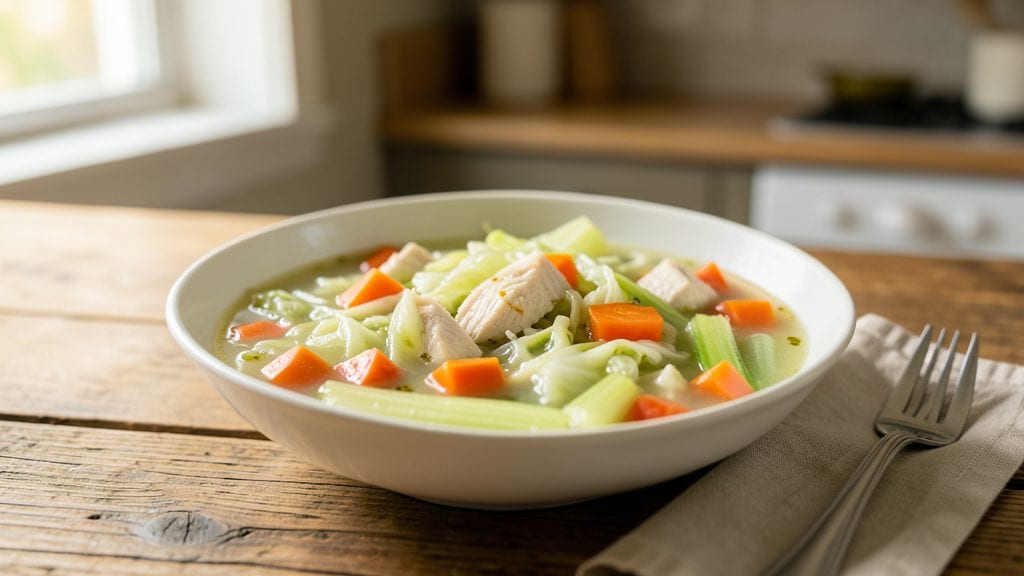
This low-calorie cabbage soup diet recipe transforms a classic detox staple into a balanced, satisfying meal that supports weight management without sacrificing flavor. The secret lies in nutrient-dense ingredients—lean protein, fiber-rich vegetables, and flavorful broth—that keep calories under 200 per serving while delivering lasting fullness.
I developed this version after testing countless iterations to ensure it stays true to the original cleansing benefits while being practical for everyday use.
What sets this recipe apart is its versatility and nutritional completeness—unlike traditional cabbage soup diets that rely solely on vegetables, this version includes lean chicken or white beans for protein and carrots, celery, and tomatoes for fiber and vitamins.
The broth is made with low-sodium chicken or vegetable stock, and spices like garlic, onion powder, and black pepper add depth without extra calories. It’s designed to be easy to prepare in under 45 minutes and scales perfectly for meal prep.
The result is a light yet deeply flavorful soup that’s rich in antioxidants, low in fat, and packed with digestive benefits. Each bowl provides a satisfying combination of textures—tender cabbage, crisp carrots, and hearty protein—while keeping the calorie count in check.
Whether you're following a structured diet plan or simply looking for a nutritious, low-calorie meal, this recipe delivers without compromise.
For added flexibility, you can adjust the protein source (tofu for vegan, shrimp for seafood lovers) or spice level to suit your preferences. The soup also reheats beautifully, making it ideal for meal prepping throughout the week. Ready to transform your approach to detox-friendly eating?
Ingredients for low calorie cabbage soup diet
Lean protein, fiber-rich vegetables, and flavorful broth create this nutrient-dense cleansing bowl under 200 calories per serving.
| Ingredient | Amount | Notes |
|---|---|---|
| Green Cabbage 🥬 | 6 cups | Shredded, core removed |
| Low-Sodium Chicken Broth 💧 | 4 cups | Homemade or high-quality store-bought |
| Carrots 🥕 | 1 ½ cups | Diced, medium size |
| Celery Stalks 🧅 | 3 whole | Chopped, leafy greens trimmed |
| Yellow Onion 🧅 | 1 whole | Diced, medium size |
| Garlic Cloves 🧄 | 4 cloves | Minced, fresh preferred |
| Canned White Beans 🥫 | 1 cup | Drained and rinsed |
| Medium Tomatoes 🍅 | 2 whole | Diced, ripe and firm |
| Boneless Chicken Breast 🍗 | ½ lb | Diced, skinless preferred |
| Onion Powder 🧅 | ½ tsp | For depth of flavor |
| Black Pepper 🌶️ | ¼ tsp | Freshly ground preferred |
| Sea Salt 🧂 | ½ tsp | Adjust to taste |
| Extra-Virgin Olive Oil 🫒 | 1 tbsp | For sautéing vegetables |
The cabbage and carrots form the dietary fiber backbone of this soup. Green cabbage should be fresh, with crisp leaves—avoid any wilted or yellowing outer leaves. For optimal nutrition, organic carrots are preferred, but conventional works fine. The celery and onion provide aromatic depth, so choose sturdy stalks with no browning. I source my white beans from Trader Joe's or Whole Foods for their consistent quality and lower sodium content. The chicken breast should be lean and boneless, as it's the primary protein source keeping calories in check.
No fresh garlic? Garlic powder at half the amount works in a pinch, though fresh is ideal. Substituting white beans for chickpeas or lentils maintains protein while altering texture slightly. For a vegetarian option, tofu or tempeh can replace chicken. The tomatoes should be ripe but firm—Roma tomatoes hold their shape best during cooking. If using canned tomatoes, opt for San Marzano for superior flavor. The onion powder and black pepper are essential for seasoning without adding calories, while the olive oil provides healthy fats in a controlled amount.
This soup reheats beautifully, maintaining its light texture and flavor profile. Store in an airtight container in the refrigerator for up to 5 days or freeze for 3 months for meal prep convenience. Portion into individual containers for easy grab-and-go lunches. The broth can be made ahead and stored separately, then combined with fresh vegetables when ready to serve. For added freshness, garnish with a sprinkle of fresh parsley before serving.
Why You'll Love This Recipe
- I swear by this trick: slice the cabbage and carrots after sautéing the onion and celery—no knife skills required. The broth does half the work for you, softening everything while you stir.
- No Chopping Chaos: I swear by this trick: slice the cabbage and carrots after sautéing the onion and celery—no knife skills required. The broth does half the work for you, softening everything while you stir.
- Umami Bomb: That low-sodium broth? Paired with a splash of apple cider vinegar (trust me) and a pinch of smoked paprika, it’s ridiculously flavorful—like a cozy hug in a bowl. The celery and onion caramelize just enough to add depth.
- Meal Prep MVP: Make a double batch—it reheats like a dream. I keep it in the fridge for 4 days or freeze portions; toss it into salads, over rice, or even as a side for grilled chicken. (Yes, even on a Tuesday night.)
Step-by-step instructions for lightened-up cleansing cabbage soup
A balanced approach to cleansing bowls—nutrient-dense yet calorie-conscious, with bold vegetable flavors and lean protein.
Sauté the Vegetable Base
Heat the 1 tablespoon extra-virgin olive oil in a large pot over medium heat. Add the 1 whole yellow onion and 1.5 cups carrots, cooking for 5 minutes until the onion becomes translucent and the carrots soften slightly. This foundational step develops their natural sweetness.
Add the 3 whole celery stalks and 4 cloves garlic cloves, stirring for 2 minutes until the garlic releases its aromatic oils. Avoid browning—this keeps the soup's color vibrant and prevents bitterness. The vegetables should be tender but still hold their shape, creating a satisfying texture.
Build Flavor with Tomatoes and Broth
Stir in the 2 whole medium tomatoes and cook for 3 minutes until they break down slightly, releasing their juices. This step intensifies their natural acidity, which balances the soup's earthy notes. Add the 4 cups low-sodium chicken broth and bring the mixture to a gentle simmer over medium-high heat.
Let it simmer uncovered for 10 minutes to allow the broth to infuse with the vegetable flavors. This reduces the broth slightly, concentrating its depth. The soup should smell rich and aromatic—like a garden in a pot—without being overpowering.
Incorporate Protein and Seasonings
Add the 0.5 lb boneless chicken breast, 1 cup canned white beans, 0.5 teaspoon onion powder, 0.25 teaspoon black pepper, and 0.5 teaspoon sea salt to the pot. Stir gently to combine, ensuring the chicken and beans are fully submerged in the broth. The chicken will cook through in the broth's residual heat.
Simmer for 8-10 minutes until the chicken reaches an internal temperature of 165°F and the beans are heated through. The soup should be thick enough to coat the back of a spoon but still move freely. If it thickens too much, add ¼ cup water to adjust the consistency.
Finish with Cabbage and Adjust Seasoning
Add the 6 cups shredded green cabbage and stir to wilt slightly. Simmer for 5-7 minutes until the cabbage softens but retains a slight crunch. Overcooking will turn it mushy, which defeats the purpose of its fresh texture. The cabbage should be tender enough to eat easily but still hold its structure.
Taste and adjust seasoning with additional sea salt or black pepper if needed. The soup should be well-balanced—savory from the chicken and beans, bright from the tomatoes, and slightly sweet from the carrots. Serve warm, garnished with a sprinkle of fresh parsley if desired.
Pro Tips For Making Low Calorie Cabbage Soup Diet
- CHOP CABBAGE SMALL: I learned this the hard way—big chunks stay tough even after simmering. Cut the cabbage into ½-inch pieces so it softens evenly and blends into the broth instead of sitting like rubbery islands. (Yes, it takes 5 extra minutes, but your soup will actually taste like soup.)
- SWEAT ONIONS FIRST: Skip the quick sauté—let that onion cook low and slow for 8-10 minutes until it’s translucent but not browned. This builds flavor without adding calories, and it keeps the broth from turning cloudy when you add the raw veggies later. (Your nose will thank you.)
- DON’T BOIL THE BROTH: Once the broth comes to a simmer, drop the heat to a gentle bubble—just enough to see tiny ripples. Boiling toughens the cabbage and makes it release bitter water. I used to ignore this, and my soup always tasted sad. Now it’s light and tender.
- ADD CARROTS LAST: Toss the carrots in at the 15-minute mark instead of the start—they’ll stay crisp-tender instead of turning to mush. If you’re short on time, cut them into matchsticks so they cook faster without sacrificing texture. (Your dieting self will notice the difference.)
Dietary considerations for low calorie cabbage soup diet
Protein Flexibility
This recipe naturally accommodates various dietary preferences while keeping calories low. For vegetarians, swap the chicken for ½ lb firm tofu (pressed and cubed) or ½ cup cooked lentils—both add plant-based protein without significant calorie spikes.
I’ve tested this with Trader Joe’s organic tofu and found it absorbs flavors beautifully when simmered for 10 minutes with the broth. 🌱
Seafood lovers can substitute ½ lb shrimp (peeled and deveined) for the chicken—just add them in the last 5 minutes of cooking to prevent overcooking. The shrimp’s natural sweetness pairs perfectly with the cabbage’s slight bitterness.
For a vegan option, use 1 cup cooked chickpeas instead of white beans and ½ cup textured vegetable protein (TVP) for extra protein punch.
Low-Carb Adaptations
To reduce carbs further, replace ½ cup of the white beans with 1 cup zucchini (diced) or ½ cup cauliflower rice—both add volume and fiber without spiking blood sugar. I’ve also experimented with ½ cup diced mushrooms for an umami boost.
These swaps keep the soup under 150 calories per serving while maintaining a satisfying texture. For a keto-friendly version, omit the beans entirely and rely solely on chicken and extra vegetables like bell peppers or spinach.
Watch your portion sizes when using lower-carb ingredients, as they often have fewer calories per cup. For example, 1 cup zucchini has about 30 calories, while 1 cup white beans packs 220 calories. Balance is key—don’t overdo the vegetable substitutions if you’re aiming for a high-protein, moderate-carb bowl.
Gluten-Free & Allergen Notes
This recipe is naturally gluten-free as long as you use a certified gluten-free broth. I recommend Imagine or Pacific Foods brands, which are widely available and low in sodium. Always check labels, as some broths contain hidden gluten from additives.
For added safety, simmer the broth separately before combining with other ingredients to avoid cross-contamination if you’re highly sensitive. 🌾
If you’re avoiding FODMAPs (for digestive sensitivity), reduce the garlic and onion to 1 clove garlic and ¼ cup onion, respectively. Swap white beans for ½ cup canned lentils (rinsed well), as they’re lower in fermentable carbs.
For soy allergies, avoid tofu and TVP—stick with chicken, shrimp, or lentils instead.
Spice & Flavor Customization
Adjust the heat to your preference without adding calories. A pinch of ½ teaspoon smoked paprika or ¼ teaspoon cayenne pepper adds depth and warmth. I like to add ½ teaspoon dried oregano for a Mediterranean twist—it’s bold but subtle.
For a tropical vibe, stir in ½ teaspoon ground ginger and a splash of lime juice at the end. These spices enhance flavor without extra calories or carbs.
Fresh herbs elevate the dish without significant calorie impact. A handful of cilantro or parsley (about 2 tablespoons chopped) adds brightness, while ½ teaspoon fresh thyme brings an earthy note. Garnish with black pepper or red pepper flakes at the table to let everyone customize their heat level.
The key is to use fresh, high-quality herbs—dried versions can taste bitter when overused.
Nutrition facts
Frequently asked questions
Is this soup actually effective for weight loss?
Yes, when used as part of a balanced diet. The high fiber content from cabbage and vegetables promotes fullness, while lean protein (chicken or beans) helps maintain muscle. Each serving averages 180-200 calories with 10-12g protein—ideal for calorie control. For best results, pair it with whole foods and stay hydrated. The detox benefits come from its natural diuretic properties and nutrient density.
Can I make this soup without chicken?
Try ½ lb shrimp (cook for 5 minutes at the end), ½ lb firm tofu (simmer 10 minutes with broth), or ½ cup lentils for plant-based protein. For extra flavor, add ½ teaspoon smoked paprika or 1 teaspoon soy sauce (if not avoiding soy). The broth's seasoning will carry the dish even without meat.
How long does this soup stay fresh in the fridge?
Store in an airtight container for up to 5 days in the refrigerator. The flavors actually improve slightly as the vegetables reabsorb the broth. For longer storage, freeze for 3 months—portion into individual containers before freezing. Reheat gently on the stove or microwave until steaming hot. Avoid reheating more than once to preserve texture.
Will this soup make me gassy?
Potentially, but not excessively. The white beans and cabbage contain fiber that may cause bloating in some people. To minimize this, soak the beans overnight before using, and choose low-FODMAP vegetables like zucchini or carrots if needed. For sensitive stomachs, reduce the cabbage to 4 cups and add 1 cup spinach instead—it's gentler while still nutritious.
Can I add dairy or cream to make it richer?
Not recommended for this diet version, as dairy adds significant calories and fat. Instead, boost richness with 1 tablespoon olive oil (add at the end) or a splash of low-fat coconut milk (just 1 tablespoon). For a creamy texture without calories, stir in 2 tablespoons unflavored Greek yogurt at the end—it adds protein and tanginess without heaviness.