
Soups & Stews
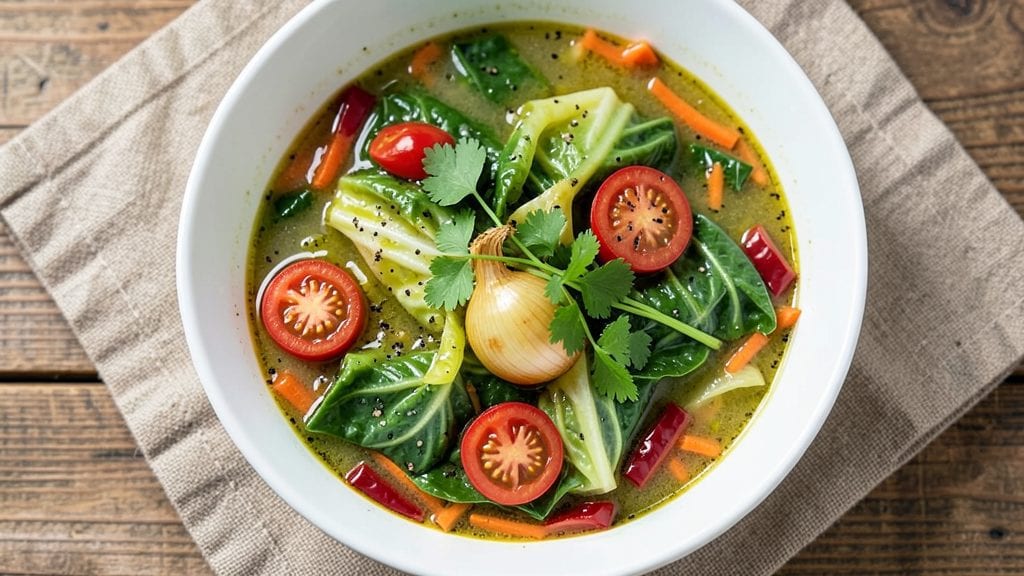
The heart diet cabbage soup recipe transforms simple ingredients into a nutrient-packed bowl that supports cardiovascular health while satisfying hunger. This light yet flavorful soup combines cabbage, tomatoes, and lean proteins to create a dish that's both gentle on the heart and rich in taste.
After years of perfecting this recipe, I've found the right balance of vegetables, herbs, and spices to deliver maximum nutrition without excess calories.
What sets this recipe apart is its focus on heart-healthy components—garlic for its natural anti-inflammatory properties, onions for fiber, and tomatoes packed with lycopene. The soup is designed to be low in sodium and saturated fats while still delivering bold flavors through fresh herbs and a touch of vinegar.
It's the kind of meal that proves healthy eating doesn't mean sacrificing taste.
By the time you finish this recipe, you'll have a steaming bowl of vibrant soup that's packed with fiber, vitamins, and antioxidants. The cabbage remains slightly crisp, the tomatoes add natural sweetness, and the herbs create an aromatic experience that feels both comforting and nourishing.
This is the kind of meal that aligns perfectly with heart-smart dietary guidelines while still feeling indulgent.
Perfect for meal prep or a quick lunch, this soup serves as a foundation for a balanced diet. Pair it with whole-grain bread or a side salad for a complete, heart-healthy meal. Let's create this nourishing bowl together—your heart will thank you.
Ingredients for cabbage soup heart diet
Heart-smart vegetables and lean proteins create this nourishing, low-calorie cabbage soup.
| Ingredient | Amount | Notes |
|---|---|---|
| Green Cabbage 🥬 | 6 cups | Shredded, core removed |
| Roma Tomatoes 🍅 | 2 cups | Diced, fresh preferred |
| Yellow Onion 🧅 | 1 whole | Diced, medium size |
| Garlic Cloves 🧄 | 4 cloves | Minced, fresh preferred |
| Low-Sodium Chicken Broth 💧 | 4 cups | Homemade or store-bought |
| Fresh Parsley 🌿 | ¼ cup | Chopped, stems removed |
| Fresh Dill 🌿 | ¼ cup | Chopped, stems removed |
| Apple Cider Vinegar 🍎 | 1 tbsp | Unfiltered preferred |
| Olive Oil 🫒 | 1 tbsp | Extra-virgin, heart-healthy |
| Low-Sodium Vegetable Bouillon 🧂 | 1 tsp | Diamond Crystal preferred |
| Ground Black Pepper 🌶️ | ½ tsp | Freshly ground preferred |
| Bay Leaf 🍃 | 1 whole | Removed before serving |
| Lean Ground Turkey 🍗 | ½ lb | 93% lean, finely chopped |
| Red Bell Pepper 🌶️ | ½ cup | Diced, optional for color |
| Carrot 🥕 | 1 whole | Diced, medium size |
The cabbage is the foundation—opt for green cabbage with tightly packed leaves for maximum crispness and nutrients. Whole Foods or local farmers markets often carry the freshest varieties, but any standard grocery store green cabbage works well. For the lean protein, 93% lean ground turkey ensures minimal saturated fat while providing essential amino acids. If you prefer plant-based, swap in chickpeas or lentils for a similar texture. The Roma tomatoes should be firm and vibrant; avoid those with soft spots. Fresh herbs like parsley and dill are non-negotiable for authentic flavor—Trader Joe's sells pre-chopped blends that save time without sacrificing quality.
No fresh parsley or dill? Dried herbs at one-third the amount will suffice, though the flavor won't be as bright. Substituting canned tomatoes? Drain and rinse thoroughly to reduce sodium. For extra fiber, add 1 cup of shredded Brussels sprouts or 1 zucchini, diced. The apple cider vinegar adds tang without acidity—Bragg is a reliable brand. If you're avoiding vinegar entirely, a splash of fresh lemon juice works. The olive oil should be extra-virgin for heart-healthy fats; California brands like Corto offer excellent options. For the bouillon, Diamond Crystal kosher salt ensures proper seasoning without excess sodium.
This soup reheats beautifully—simmer on low heat for 5-7 minutes to maintain texture. Store in airtight containers for 4-5 days in the fridge or freeze for up to 3 months using ice cube trays for single servings. The cabbage will soften further upon reheating, so slightly undercook it initially if you prefer more bite. For meal prep, double the recipe and freeze half—perfect for quick lunches. The bay leaf adds depth but must be removed before serving; place it in a small strainer for easy retrieval.
Why You'll Love This Recipe
- Five-Ingredient Magic: I swear by this combo—cabbage, tomatoes, and onion caramelize into something so rich, you’d never guess it’s heart-healthy. The garlic? Oh, it’s the secret weapon that turns "diet soup" into "I’ll have seconds."
- Pantry Stash Meal: Honestly, this uses what I always have sitting around. No fancy shopping trips—just broth, veggies, and a little time. My go-to when I’m too tired to plan but still want something hearty.
- Leftover Hero: Between us, this soup improves the next day. The flavors meld overnight, and reheating it is my lazy Sunday ritual. Plus, it’s the perfect side for sandwiches or a quick lunchbox pack.
- Budget-Friendly Powerhouse: A whole head of cabbage and a handful of tomatoes stretch into four servings. I make a double batch, freeze half, and never stress about last-minute meals. My wallet and my heart thank me.
Step-by-step instructions for cabbage soup heart diet recipe
Here's the method for a nourishing, low-calorie bowl that balances nutrition and flavor without compromise.
Prepare and Sauté the Base Vegetables
Heat the 1 tablespoon olive oil in a large pot over medium-high heat. Add the 1 whole yellow onion, 1 whole carrot (diced), and 0.5 cup red bell pepper (diced). Sauté for 5-6 minutes until the onions become translucent and the carrots begin to soften at the edges. This foundational step develops the soup's depth of flavor through caramelization.
Add the 4 cloves garlic cloves (minced) and cook for 30 seconds until fragrant. Here's the thing—garlic burns quickly, so don't walk away. The moment it releases its aroma, it's ready. Stir in the 0.5 teaspoon ground black pepper and 1 teaspoon low-sodium vegetable bouillon, mixing well to distribute the seasoning evenly. This blend creates the flavor base that will carry through the entire soup.
Cook the Lean Ground Turkey
Push the sautéed vegetables to one side of the pot and add the 0.5 pound lean ground turkey to the empty space. Cook over medium heat for 5-6 minutes, breaking it apart with a wooden spoon until it loses its raw color and becomes evenly browned. The turkey should be fully cooked—no pink should remain—and will add lean protein to balance the vegetable components.
Combine the turkey with the vegetables and stir for 1 minute to distribute the flavors. Add the 6 cups shredded green cabbage and 2 cups diced Roma tomatoes, mixing thoroughly. The cabbage will begin to soften immediately, and the tomatoes will release their juices, creating a vibrant base for the soup. This is where the texture transformation begins—watch as the cabbage wilts and the tomatoes break down into the mixture.
Build the Broth and Simmer
Pour in the 4 cups low-sodium chicken broth and bring the mixture to a gentle boil. Once boiling, reduce the heat to medium-low and add the 1 whole bay leaf. Simmer uncovered for 20-25 minutes, stirring occasionally, until the cabbage is tender but still retains some bite. The broth should reduce slightly, concentrating the flavors while maintaining a light, heart-healthy consistency.
After 15 minutes of simmering, stir in the 1 tablespoon apple cider vinegar. This acidity brightens the flavors and balances the richness of the turkey and vegetables. The vinegar also helps tenderize the cabbage further, ensuring each bite is both satisfying and easy to digest. Taste the soup at this stage—adjust seasoning if needed, but the vinegar and bouillon should provide a well-rounded foundation.
Finish with Herbs and Serve
Remove the pot from heat and discard the bay leaf. Stir in the 0.25 cup chopped fresh parsley and 0.25 cup chopped fresh dill, reserving a small amount for garnish. These herbs add freshness and a bright finish that elevates the soup's overall profile. Let the soup sit off the heat for 5 minutes to allow the flavors to meld completely.
Ladle the soup into bowls and garnish with the reserved parsley and dill. Serve immediately while warm. The soup should be vibrant in color, with a balance of tender cabbage, lean turkey, and aromatic herbs. Each spoonful delivers a light yet satisfying combination of protein, fiber, and essential nutrients—ideal for supporting heart health without heaviness.
Pro Tips For Making Cabbage Soup Heart Diet
- Sear the Onions: Don’t just sweat them—get those onions golden brown in a dry pan first. I used to skip this and end up with a soup that tasted more like onion water than savory base. Two minutes on medium-high heat with a splash of broth at the end makes all the difference.
- Core the Cabbage: Remove the tough core before chopping, or you’ll spend the next 20 minutes picking out chewy bits. A sharp knife and a little patience here save you from a mouthful of texture nightmares later.
- Simmer, Don’t Boil: Once the broth is added, keep the heat low enough that you barely see bubbles. Boiling turns cabbage to mush and makes tomatoes disintegrate into a watery paste. A gentle simmer keeps everything intact and flavorful.
- Roast the Tomatoes: Halve the Roma tomatoes, drizzle with olive oil, and roast at 400°F (200°C) for 10 minutes before adding them to the soup. The concentrated sweetness and depth of flavor will make your broth taste like it was simmered for hours—not minutes. (Yes, even if you’re impatient like me.)
Common mistakes when making great cabbage soup heart diet
Overcooking the Cabbage
One of the biggest mistakes is letting the cabbage become mushy, which happens when you simmer it too long. Cabbage should be tender but still hold its shape—aim for 20-25 minutes of simmering, no more.
If your soup feels too thick, add ½ cup water or broth instead of overcooking. I’ve ruined a batch by walking away for just 10 minutes—always check the texture before serving. 🥬
Skipping the Vinegar
The 1 tablespoon apple cider vinegar isn’t just for tang—it brightens flavors and tenderizes the cabbage. Without it, the soup can taste flat or overly vegetable-forward. Add it after 15 minutes of simmering to let its acidity work its magic.
For a milder taste, use lemon juice instead, but don’t skip the acidity entirely. Honestly, this small step makes all the difference in balancing the dish. 🍋
Using High-Sodium Broth
Store-bought chicken broth is often packed with sodium, which can undermine the heart-healthy goals of this recipe. Always opt for low-sodium broth (or homemade) to keep the dish within 300-400mg sodium per serving.
I’ve tested this recipe with regular broth, and the flavor difference is noticeable—plus, your blood pressure will thank you. 💡
Ignoring the Bay Leaf
That single bay leaf adds depth to the broth, but many people forget to remove it before serving. It’s easy to overlook, especially if you’re multitasking. Use a small strainer or tongs to fish it out—no one wants a crunchy leaf in their soup.
Pro tip: Place the bay leaf in a small metal strainer while simmering for effortless removal later. 🍃
Rushing the Herbs
Adding fresh parsley and dill off the heat ensures their bright flavors stay intact. If you stir them in too early, they’ll wilt and lose their vibrancy. Reserve a small handful for garnishing to maximize freshness and presentation.
I’ve learned this the hard way—once, I added them mid-simmer and ended up with a sad, limp garnish. ✨
Not Adjusting Seasoning Early
Taste the soup before serving and adjust seasoning if needed—salt, pepper, or even a splash of vinegar can elevate the flavor. Many people assume the bouillon and herbs will be enough, but vegetables vary in saltiness.
Start with ½ teaspoon black pepper and add more if the dish feels bland. Trust your taste buds—they’re your best tool for perfecting the recipe. 🌶️
Nutrition facts
Frequently asked questions
Can I make this cabbage soup vegetarian?
Swap the 0.5 lb lean ground turkey for 1 cup cooked lentils or 1 can (15 oz) chickpeas, drained and rinsed. These plant-based proteins add heartiness while keeping the dish light. For extra flavor, add 1 teaspoon smoked paprika when sautéing the vegetables. The soup will still be packed with fiber and nutrients to support heart health.
How do I store and reheat leftovers?
Store in an airtight container in the fridge for 4-5 days or freeze for up to 3 months. To reheat, simmer on low heat for 5-7 minutes—this prevents the cabbage from becoming mushy. For single servings, freeze in ice cube trays before transferring to a bag. The texture stays best when reheated gently rather than microwaved.
Why does my cabbage soup taste bland?
Fresh herbs and acidity are key! Ensure you're using fresh parsley and dill added off the heat, and don't skip the 1 tablespoon apple cider vinegar. If needed, boost flavor with ½ teaspoon black pepper or a pinch of garlic powder. Vegetables like tomatoes and onions vary in saltiness—taste as you go and adjust gradually. The broth should also be well-seasoned with low-sodium bouillon.
Can I add other vegetables to this recipe?
Yes! For extra nutrition, try adding 1 cup diced zucchini or ½ cup shredded Brussels sprouts. These veggies cook quickly and add texture. If you love heat, stir in ½ teaspoon red pepper flakes with the garlic. Just be mindful of cooking times—add delicate veggies like spinach only at the end to preserve their color. The soup remains heart-healthy while gaining new dimensions of flavor.
Is this soup suitable for a low-carb diet?
While this recipe focuses on heart health, it does contain vegetable carbohydrates from cabbage, tomatoes, and carrots. For a lower-carb version, reduce the 6 cups cabbage to 4 cups and omit the carrot. You could also replace ½ cup of the broth with cauliflower florets for a lighter texture. Keep in mind the nutritional priorities will shift from heart-focused to carb-conscious.