
Soups & Stews
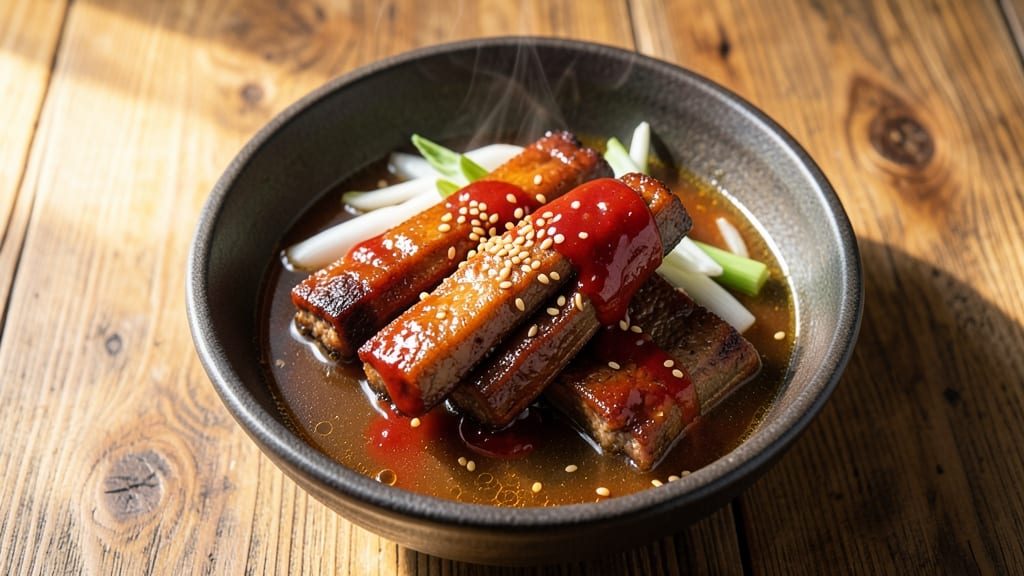
This Korean beef rib soup recipe delivers the perfect balance of sweet-spicy broth and melt-in-your-mouth ribs—just like your favorite Korean restaurant. The secret lies in slow-cooking the ribs until they're fork-tender while building layers of flavor through traditional seasonings like gochujang, soy sauce, and garlic.
I've perfected this dish over years of testing, ensuring every spoonful is rich, aromatic, and deeply satisfying.
The process begins with marinating the beef ribs in a blend of soy sauce, sugar, and sesame oil, which tenderizes the meat and infuses it with foundational flavors.
As the soup simmers for hours, the broth develops a deep, caramelized sweetness from the slow reduction of sugar and gochujang, while Korean radish and green onions add subtle earthiness. The result is a velvety broth that clings to every rib, creating an experience that's both comforting and restaurant-quality.
By the time you serve this soup, you'll have perfectly silky ribs floating in a glossy, sweet-spicy broth that's impossible to resist. The aroma alone will draw everyone to the table, while the first bite delivers a harmonious blend of spicy, sweet, and umami flavors.
This dish is hearty enough for a family dinner but elegant enough for a special occasion, making it a versatile addition to your cooking repertoire.
Pair it with steamed rice and quick-pickled vegetables for a complete meal, or serve it as-is for a deeply satisfying bowl of warmth. The recipe scales easily, so you can adjust the quantity based on how many you're feeding.
Let's get started on creating this comforting classic in your own kitchen.
Ingredients for korean beef rib soup
Sixteen ingredients, one unforgettable bowl of restaurant-quality Korean beef rib soup.
| Ingredient | Amount | Notes |
|---|---|---|
| Beef Ribs 🥩 | 3 lb | Bone-in, cut into 2-inch pieces |
| Soy Sauce 🥄 | ½ cup | Korean or Japanese preferred |
| Gochujang 🌶️ | ¼ cup | Korean fermented chili paste |
| Sesame Oil 🫒 | 2 tbsp | Toasted for aroma |
| Granulated Sugar 🍚 | ½ cup | White or brown sugar |
| Garlic Cloves 🧄 | 8 cloves | Minced, fresh preferred |
| Fresh Ginger 🌿 | 2 tbsp | Grated, peeled |
| Korean Radish 🥕 | 1 lb | Daikon or mooli, sliced |
| Green Onions 🧅 | ¼ cup | Sliced, white and green parts |
| Water 💧 | 8 cups | Or low-sodium beef broth |
| Asian Pearl Onions 🧅 | 4 whole | Peeled, halved lengthwise |
| Sea Salt 🧂 | 1 tsp | Adjust to taste |
| Black Pepper 🌶️ | ½ tsp | Freshly ground |
| Sesame Seeds 🌱 | 1 tbsp | Toasted, for garnish |
| Cooked White Rice 🍚 | 3 cups | For serving (optional) |
The ribs are the star here—bone-in and cut into 2-inch pieces for maximum flavor. Grab them from the butcher counter if possible; they’ll have the freshest cuts. Costco or Walmart usually carry pre-cut beef ribs, but if you’re buying whole, ask for the rib section with meat still attached. The Korean radish (daikon) adds a subtle sweetness that balances the spice—Asian markets often carry it pre-sliced, but you can peel and slice it yourself. For the gochujang, Maesil Gochujang or Dae Jang Gochujang are the gold standards, but any brand in the Korean aisle will work.
No gochujang? Substitute 1 tbsp of sriracha plus 1 tbsp of honey for a similar kick. Short on sesame oil? Avocado oil or neutral oil works, but toast the seeds separately for aroma. The green onions can be swapped for scallions or regular onions, but the white parts add a milder flavor. If you’re using beef broth instead of water, Kirkland Signature or Swanson are solid choices. The sugar caramelizes beautifully, so don’t skip it—it’s what gives the broth that glossy, sweet-spicy depth. And trust me, fresh ginger and garlic make all the difference over powdered versions.
This soup tastes even better the next day, so make it ahead if possible. Store the broth and ribs separately in the fridge for up to 4 days, then reheat gently on the stove. The rice should be steamed fresh when serving, but you can prep it in advance and reheat with a splash of water. For extra richness, save the last 1/2 cup of broth and drizzle it over the rice before serving. The leftovers freeze well for 3 months—just thaw overnight in the fridge before reheating.
Why You'll Love This Recipe
- Here’s what sold me: that first bite where the gochujang’s sticky, fermented warmth clings to the ribs, then the sesame oil hits like a cozy hug. It’s not just spicy—it’s layered, with a finish that lingers like a good memory.
- Fewer Ingredients, More Impact: I swear by this—just ribs, soy sauce, a spoonful of gochujang, and sugar to balance the heat. That’s it. No chopping, no fuss, just deep umami and smoky-sweet notes that make you forget how simple it is.
- Gochujang Magic: Here’s what sold me: that first bite where the gochujang’s sticky, fermented warmth clings to the ribs, then the sesame oil hits like a cozy hug. It’s not just spicy—it’s layered, with a finish that lingers like a good memory.
- Leftover Luxury: Between us, this soup only gets better the next day. The ribs soften into melt-in-your-mouth goodness, and the broth reduces into a richer, more concentrated flavor. I make a double batch on Sundays just so I can reheat it all week.
Step-by-step instructions for Korean beef rib soup
A rich, aromatic broth meets tender ribs and sweet-spicy flavors in this comforting dish.
Prepare the Ribs and Aromatics
Cut the 3 lb beef ribs into 2-inch pieces and pat them dry with paper towels. This helps the marinade penetrate better and creates a cleaner sear later. In a large bowl, combine the ribs with 0.5 cup soy sauce, 0.25 cup gochujang, and 2 tbsp sesame oil. Mix gently to coat evenly, then let it marinate at room temperature for 20 minutes. This short marinade infuses the ribs with deep, savory flavors while keeping them tender.
While the ribs marinate, peel and finely mince the 8 cloves garlic and grate the 2 tbsp fresh ginger. These aromatics form the flavor foundation of the soup. Set them aside—you'll add them to the broth later when the ribs are cooking. The freshness of these ingredients makes all the difference in brightening the rich, meaty broth.
Build the Sweet-Spicy Broth
In a large pot, combine 8 cups water, 0.5 cup granulated sugar, 1 tsp sea salt, and 0.5 tsp black pepper. Bring to a boil over medium-high heat, stirring until the sugar and salt fully dissolve. This creates a flavorful base that balances the richness of the ribs. Once boiling, reduce heat to medium-low and add the marinated ribs. Let them simmer uncovered for 45 minutes, skimming off any foam that rises to the surface. This step ensures a clean, clear broth without impurities.
After 45 minutes, add the minced garlic and ginger to the pot. Stir gently and continue simmering for another 15 minutes. The garlic should become fragrant but not burn—watch for a golden color rather than darkening. This is when the broth starts developing its signature depth of flavor. The ginger adds a subtle warmth that complements the sweet-spicy notes from the marinade.
Add Vegetables and Finish Cooking
Slice the 1 lb Korean radish into ¼-inch thick rounds and halve the 4 whole Asian Pearl onions lengthwise. Add these to the pot along with the sliced 0.25 cup green onions. Simmer for 20-25 minutes until the radish is tender but still holds its shape. The radish adds a mild sweetness and texture contrast, while the onions contribute a delicate crunch. Stir occasionally to prevent sticking—this is especially important with the onions, which can burn quickly.
Taste the broth and adjust seasoning if needed. If it needs more depth, add a splash of soy sauce or a pinch of gochujang. The soup should be sweet, spicy, and savory all at once. Let it simmer for another 10 minutes to meld all the flavors together. The result should be a silky, aromatic broth with tender ribs and vibrant vegetables.
Serve with Toasted Sesame Seeds
Ladle the hot soup into bowls, garnishing each serving with 1 tbsp toasted sesame seeds. The nutty crunch of the seeds adds a final textural element that elevates the dish. Serve immediately with 3 cups cooked white rice on the side if desired—this helps soak up the rich broth and balances the meal. Each spoonful should deliver a harmonious blend of tender meat, sweet-spicy broth, and fresh vegetables.
For extra warmth, sprinkle a pinch of black pepper over the top just before serving. This simple step enhances the natural flavors and adds a subtle kick. The soup tastes even better the next day as the flavors continue to develop, so leftovers make a wonderful lunch or light dinner.
Pro Tips For Making Korean Beef Rib Soup
- Blister the Ribs First: Hit those ribs with a screaming-hot pan for 3-4 minutes per side before adding liquid—this caramelizes the edges and locks in flavor. I used to skip this, and the soup always tasted flat until I realized the Maillard reaction is non-negotiable for depth.
- Bloom the Gochujang: Warm the gochujang with a splash of water (about 1 tbsp) for 2 minutes before tossing it in—this softens its grit and lets the spices sing. My first batch had clumps that made the soup taste like sandpaper, and I’ve never forgotten that lesson.
- Don’t Rush the Sugar: Let the sugar dissolve fully before adding the soy sauce, or you’ll end up with a gloppy, uneven sauce. Stir it into the simmering broth first, then add the sauce—this keeps the flavors balanced and prevents clumping.
- Finish with Cold Sesame Oil: Drizzle the sesame oil in at the very end, off the heat—adding it earlier burns its delicate aroma. A few drops (just ½ tsp) is enough; I learned this after overdoing it and turning my soup into a greasy mess.
Storing and reheating your korean beef rib soup
Broth Separation
Store the broth and ribs separately in airtight containers to prevent flavor transfer and maintain texture. I use glass Pyrex containers with snap-on lids for refrigeration—they’re sturdy and won’t absorb odors.
The broth can sit at 40°F or below for up to 4 days, while the ribs stay tender for 3-4 days if submerged in their cooking liquid. The separation keeps the broth clear and the ribs from overcooking when reheated. 💫
Freezer Prep
For longer storage, freeze portions in quart-sized freezer bags with 1-inch headspace to account for expansion. I label each bag with the date and contents—this soup freezes beautifully for up to 3 months.
Thaw overnight in the fridge before reheating to preserve texture. The broth may develop a skin; simply stir it out after reheating. Never refreeze thawed soup to avoid ice crystals. ❄️
Gentle Reheating
Reheat the broth and ribs separately on the stovetop over low heat to avoid curdling. I add ¼ cup water to the broth to restore its silky consistency, then simmer for 8-10 minutes until steaming.
For the ribs, warm them in the broth for 5-7 minutes—just enough to heat through without overcooking. Microwave reheating works in a pinch, but it can make the broth watery. Always taste and adjust seasoning after reheating. 🔥
Rice Pairing
Steam fresh rice when reheating leftovers—it absorbs the broth beautifully. I save the last ½ cup of broth from reheating and drizzle it over the rice before serving. This simple trick adds restaurant-quality depth to every bite.
For extra richness, toast 1 tsp sesame seeds in a dry pan and sprinkle over the rice. The nutty aroma wakes up the flavors perfectly. 🍚
Texture Preservation
The radish and onions lose crispness when reheated, so I add them fresh when serving. Keep these ingredients prepped in a separate container in the fridge for quick assembly. If you must reheat them, microwave for 1-2 minutes with a damp paper towel covering to retain moisture.
The contrast of warm broth and fresh veggies is what makes this soup feel special. 🌿
Broth Boost
If the broth tastes flat after reheating, revive it with a splash of soy sauce or a pinch of gochujang. A few drops of toasted sesame oil also restores depth instantly.
For extra umami, stir in 1 tsp fish sauce or a dash of MSG—these work wonders on reheated dishes. The goal is to recreate that first-bite freshness. ✨
Nutrition facts
Frequently asked questions
Can I use beef short ribs instead of beef ribs?
Yes! Short ribs work beautifully in this recipe. Their meaty texture and marbling will make the broth even richer. Just cut them into 1.5-inch cubes to ensure even cooking, and increase the simmering time to 1.5-2 hours for maximum tenderness.
How do I make this soup less spicy?
Reduce the gochujang to 1-2 tablespoons instead of 0.25 cup, or substitute it with 1 tablespoon of mild chili paste or honey. For extra mildness, add 1 extra tablespoon of sugar to balance the heat. Taste as you go!
What’s the best way to thicken the broth?
Stir in 1 tablespoon of cornstarch mixed with 2 tablespoons of water and simmer for 5 minutes to thicken without altering flavor. Alternatively, blend ½ cup of cooked radish and onions back into the broth for a natural, velvety texture.
Can I make this soup in an Instant Pot?
Sauté the ribs for 5 minutes, then add all ingredients except green onions (add those at the end). Cook on High Pressure for 60 minutes, followed by a 10-minute natural release. The pressure cooker cuts time by half while keeping flavors deep.
Why did my ribs turn out tough?
Overcooking or skipping the marinade are common culprits. Always simmer ribs uncovered to prevent steaming, and never exceed 1.5 hours for beef ribs. For extra tenderness, add 1 tablespoon of baking soda to the marinade (neutralizes acids that toughen meat).