
Soups & Stews
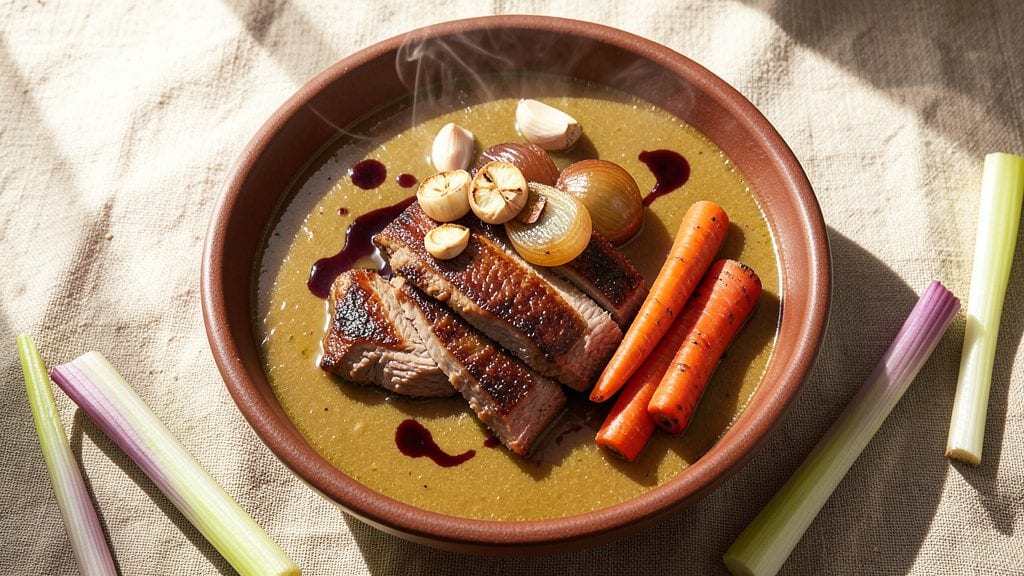
Transforming a simple rib roast into a slow-simmered rib roast soup is one of those cooking adventures that turns ordinary ingredients into something extraordinary.
The secret lies in extracting deep, rich flavors from the meat through hours of gentle simmering, creating a broth so robust it tastes like a hug in a bowl.
I perfected this recipe after years of testing—balancing the right amount of beefy depth with barley’s hearty texture and aromatic herbs that elevate every spoonful.
This recipe starts with a pre-cooked rib roast, which you’ll slow-cook until the meat falls apart, yielding tender chunks that dissolve into the broth.
Deglazing the pot with red wine and aromatics like onions, carrots, and celery builds a flavor foundation, while fresh thyme and bay leaves add layers of complexity. The barley adds a satisfying chew, soaking up the rich broth while keeping the soup hearty and satisfying.
The result is a velvety, deeply flavorful soup with tender beef pieces suspended in a golden broth, where every spoonful delivers a perfect balance of richness and comfort.
The slow simmering process ensures the meat stays tender while infusing the broth with unmatched depth, making this more than just soup—it’s a meal that feels like a celebration.
Ready in about 3 hours, it’s perfect for chilly evenings or when you want to impress without spending hours in the kitchen.
Serve it with crusty bread to soak up every last bit of that luxurious broth, or pair it with a simple green salad for a complete, satisfying dinner.
The beauty of this recipe is its versatility—it works as a standalone dish or alongside roasted vegetables for a full meal. Let’s create something truly special together.
Ingredients for rib roast soup
Sixteen ingredients transform a simple rib roast into velvety luxury through slow simmering.
| Ingredient | Amount | Notes |
|---|---|---|
| Pre-Cooked Rib Roast 🥩 | 3 lb | Pre-cooked, bone-in preferred |
| Yellow Onion 🧅 | 2 whole | Chopped, medium dice |
| Carrots 🥕 | 4 whole | Peeled, cut into chunks |
| Celery Stalks 🌿 | 4 whole | Trimmed, chopped |
| Garlic Cloves 🧄 | 6 cloves | Peeled, smashed |
| Dry Red Wine 🍷 | 1 cup | Bold variety like Cabernet |
| Beef Broth 💧 | 6 cups | Low-sodium preferred |
| Pearl Barley 🌾 | 1 cup | Uncooked, rinsed |
| Fresh Thyme 🌿 | 2 tbsp | Leaves only, chopped |
| Bay Leaves 🍃 | 2 whole | Dried, standard size |
| Tomato Paste 🍅 | 2 tbsp | Smooth, not chunky |
| Olive Oil 🫒 | 2 tbsp | Extra-virgin preferred |
| Salt 🧂 | 1 ½ tsp | Kosher or sea salt |
| Black Pepper 🌶️ | ½ tsp | Freshly ground |
| Fresh Parsley 🌿 | ¼ cup | Chopped, for garnish |
The rib roast is the foundation of this soup—choose a pre-cooked bone-in roast for maximum flavor extraction. Costco or Whole Foods carry excellent options, or ask your butcher for a roast that’s already been cooked and cooled. The bone adds depth to the broth, so don’t skip it if you can find one. For aromatics, Trader Joe's has pre-chopped onion, carrot, and celery mixes that save time, though fresh is always better. Fresh thyme and bay leaves are non-negotiable—they’re what transform this from a simple beef broth to something truly special. Look for thyme with vibrant green leaves, not wilted stems.
No red wine? Dry sherry or beef broth with a splash of balsamic vinegar works in a pinch. Pearl barley is key for texture—Pearl Barley by Bob’s Red Mill is my go-to, but any pearl barley will do. If you can’t find it, wild rice or farro add a nice chew, though the flavor profile shifts slightly. The tomato paste can be skipped entirely if you prefer a more classic beef broth flavor, but it adds a subtle sweetness that balances the richness. For the olive oil, California Extra Virgin Olive Oil from Trader Joe's is a reliable choice—it’s fruity but not overpowering.
This soup tastes even better the next day as the flavors meld. Store in an airtight container in the fridge for up to 5 days, or freeze for 3 months—it reheats beautifully. For serving, I like to portion it into bowls with a sprinkle of fresh parsley and a dollop of crème fraîche on top. The broth reduces slightly as it sits, so plan to add a splash of water or beef broth when reheating if it’s too thick. Leftovers make fantastic lunches—just reheat and enjoy with crusty bread.
Why You'll Love This Recipe
- I swear by this trick: tossing pre-cooked rib roast into simmering veggies turns yesterday’s dinner into today’s soup. No waste, no stress—just rich, meaty flavor that tastes like you planned it all along.
- Leftover Hero: I swear by this trick: tossing pre-cooked rib roast into simmering veggies turns yesterday’s dinner into today’s soup. No waste, no stress—just rich, meaty flavor that tastes like you planned it all along.
- Garlic Bomb Depth: That first whiff of caramelized garlic cloves hitting the broth? Pure satisfaction. The onions and celery mellow out just enough to let the garlic shine—like a secret weapon in every spoonful.
- Weeknight Wonder: Between us, this is my go-to when I’m too tired to think. Chop the veggies while the pot heats, add the roast, and let it melt in. Twenty minutes later, dinner’s served—and I didn’t even break a sweat.
Step-by-step instructions for slow-simmered beef and barley soup
This rich, hearty soup builds flavor layer by layer—start with the vegetables, then develop the depth with wine and broth.
Sauté the Aromatic Vegetables
Heat the olive oil in a large Dutch oven over medium heat. Add the chopped yellow onion, carrots, and celery stalks, stirring occasionally for 8-10 minutes until softened and beginning to caramelize. The vegetables should release their moisture and develop a golden hue before moving forward.
Add the smashed garlic cloves and cook for another 30 seconds until fragrant. This step forms the flavor base—don't rush it. If the vegetables stick, reduce the heat slightly but keep them cooking until tender. The deeper color they develop here will translate into richer soup flavor later.
Build the Flavor Foundation
Stir in the tomato paste and cook for 1 minute until it darkens slightly and blends completely with the vegetables. Pour in the dry red wine and scrape up any browned bits from the bottom of the pot—this deglazing captures all the concentrated flavors you've built so far.
Add the beef broth, pearl barley, fresh thyme, bay leaves, salt, and black pepper. Bring the mixture to a gentle boil, then immediately reduce heat to low. The barley should be fully submerged—if not, add a small amount of water. This is where patience pays off; simmer uncovered for 25 minutes to allow the barley to soften and the flavors to meld.
Incorporate the Pre-Cooked Rib Roast
Carefully add the 3 lb pre-cooked rib roast to the simmering broth. The meat should be fully submerged—if not, add enough water to cover. Return to a gentle simmer and cook for 1 hour. You'll notice the meat releases its rich, beefy juices into the broth, deepening the flavor with each passing minute.
After 1 hour, use tongs to remove the rib roast and let it cool slightly before shredding it with two forks. Return the shredded meat to the pot and stir gently to distribute it evenly. The soup should now have a velvety texture with chunks of tender beef throughout. If the soup is too thick, add a little water to reach your preferred consistency.
Finish and Serve
Continue simmering for another 20-30 minutes to allow all the flavors to fully develop. Taste and adjust seasoning with additional salt or pepper if needed. Remove and discard the bay leaves before serving.
Ladle the soup into bowls and garnish each serving with chopped fresh parsley. Serve immediately while hot, with crusty bread on the side to soak up every last drop of that rich, beefy broth. The combination of tender beef, chewy barley, and aromatic vegetables makes this soup a true comfort food classic.
Pro Tips For Making Rib Roast Soup
- SHRED BEFORE SIMMERING: Cut the pre-cooked rib roast into 1.5-inch chunks—no smaller, or they’ll turn to mush. I used to leave them whole, thinking they’d break down naturally, but they just sat like cold, chewy bricks in the broth. Big pieces stay tender and release flavor properly.
- CHAR THE AROMS: Sear the onions, carrots, and celery in batches over medium-high heat until they’re deeply browned, not just softened. I skipped this once and ended up with soup that tasted like a sad, watery stew. A few minutes of browning builds real depth—just don’t walk away.
- SALT THE BROTH: Taste the broth before adding the meat and adjust the salt—pre-cooked roast is often already seasoned. I’ve ruined batches by assuming the meat’s seasoning would carry the soup, only to end up with something bland. A pinch of salt now saves a whole lot of regret later.
- SKIP THE BOIL: Let the soup simmer gently, not roll, to keep the meat from turning rubbery. After burning three batches trying to rush it, I learned: low and slow is the only way to get that melt-in-your-mouth texture. Cover it and let it do its thing—it’s not a race.
Common mistakes when making this dish
Skipping the Prep Work
Rushing the vegetable prep is a rookie mistake. I’ve seen people toss in roughly chopped onions and carrots, but those uneven pieces caramelize at different rates, leaving some raw and others burnt. Take 10 minutes to chop everything into even ½-inch dice—this ensures consistent cooking and flavor extraction.
Use a sharp chef’s knife and a cutting board with a grid guide for precision. 🔪
Under-Simmering the Meat
Adding the rib roast too early or not simmering it long enough results in tough, chewy meat instead of tender, flavorful chunks. The key is the 1-hour simmer**—any less, and the meat won’t break down properly.
I’ve learned the hard way: if you’re impatient, shred the meat before adding it back to the pot (after the initial 1-hour cook), but even then, don’t rush below 45 minutes of simmering.
Ignoring the Deglaze
Skipping the wine deglaze means missing out on layers of depth. Those browned bits on the pot’s bottom—called the fond—are packed with flavor. After adding the wine, use a wooden spoon to scrape every last bit off the bottom.
If you’re in a hurry, a splash of beef broth or even apple cider vinegar can mimic the acidity, but wine’s complexity is unmatched. Don’t skip this step!
Overcrowding the Pot
Filling the Dutch oven past the ⅔ capacity mark before adding the broth forces the barley and meat to steam instead of simmer. This leads to uneven cooking and a watery soup. Start with the vegetables and wine, then add just enough broth to cover everything by 1 inch.
The barley will expand as it cooks, so leave room for that too. If needed, add more broth later—better to have a slightly looser soup than a mushy one.
Neglecting Taste Adjustments
Assuming the soup is seasoned correctly after 1 hour of simmering is a common trap. Flavors deepen as the soup cooks, so always taste before serving. I usually add a pinch of salt and a crack of black pepper at the 20-minute mark before the final simmer.
If the wine’s acidity feels too sharp, a splash of heavy cream (just ¼ cup) can smooth it out. Trust your palate—this soup should sing with balanced flavors.
Using Low-Quality Broth
Store-bought broth with high sodium or artificial flavors will ruin the depth of your soup. I swear by low-sodium beef broth—brands like Swanson or Pacific Foods are reliable. For extra richness, make your own by simmering beef bones with aromatics for 4-6 hours**.
Homemade broth adds a complexity you can’t replicate with pre-packaged versions. If you must use canned, dilute it with water to cut the saltiness.
Nutrition facts
Frequently asked questions
Can I use raw rib roast instead of pre-cooked?
You can, but it requires longer cooking time—about 3-4 hours total to ensure the meat becomes tender. Start with a 3 lb raw bone-in roast and simmer until it easily shreds with a fork. The broth will develop deeper flavor, but the meat may become slightly tougher than pre-cooked. For best results, sear the roast first to lock in juices before adding to the pot.
How do I adjust this recipe for a slow cooker?
Transfer all ingredients to a 6-quart slow cooker after sautéing the vegetables and deglazing. Cook on low for 6-7 hours or high for 4-5 hours, adding the rib roast during the last 2 hours of cooking. The low-and-slow method enhances tenderness without risking overcooking. Stir occasionally to prevent sticking, and adjust seasoning at the end.
What can I substitute for pearl barley?
For a gluten-free option, use quinoa or farro (cook time may vary). Wild rice adds a nutty flavor but requires 45 minutes of simmering. If you prefer a creamier texture, swap barley for ½ cup diced potatoes (add with the broth). For a lighter soup, omit the barley entirely and add 1 cup cooked lentils instead.
Why does my soup taste too salty?
Most likely, your broth or pre-cooked roast was high in sodium. To fix it, stir in ½ cup additional beef broth or water, then simmer for 10 minutes to dilute the flavor. For a richer taste, balance the salt with 1 tbsp lemon juice or a splash of heavy cream. Always taste as you go—this soup should be savory, not salty.
Can I make this soup ahead of time?
This soup tastes even better the next day as flavors meld. Store in an airtight container in the fridge for up to 5 days. Reheat gently on the stove, adding a splash of water or broth if it thickens. For freezing, portion into containers and freeze for up to 3 months. Thaw overnight in the fridge before reheating.