
Soups & Stews
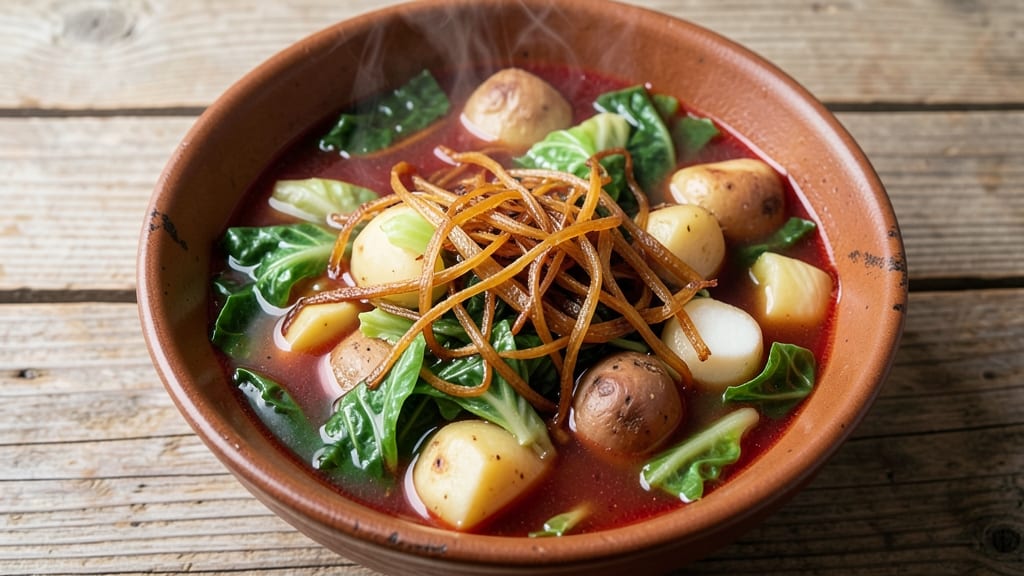
This Jewish sweet and sour cabbage soup brings comfort and tradition to your table with its perfect balance of tangy vinegar and caramelized onions. The recipe blends time-honored techniques with simple ingredients to create a hearty, flavorful dish that feels both nostalgic and fresh.
I first discovered this soup while visiting family gatherings, where it was always the centerpiece—warm, aromatic, and packed with layers of flavor that linger long after the last spoonful.
The secret lies in the caramelized onions, which form the rich, sweet foundation, while the vinegar and sugar create that signature sweet-and-sour harmony. This soup is designed to be foolproof, requiring just a few hours of simmering time to develop deep, satisfying flavors.
The cabbage softens just enough to absorb the broth while maintaining a satisfying bite, and the addition of potatoes adds heartiness that makes it a complete meal.
By the end, you’ll have a rich, aromatic soup with tender cabbage, caramelized onions, and a tangy-sweet broth that’s perfect for chilly days. It’s the kind of dish that feels like a hug in a bowl—warm, comforting, and deeply satisfying.
Serve it with crusty bread to soak up every last drop of that flavorful broth, or pair it with a simple green salad for a balanced meal.
This recipe stays true to tradition while offering flexibility—adjust the sweetness or tang to your taste, or add a splash of apple cider vinegar for extra depth.
Whether you’re making it for a family dinner or a cozy weeknight meal, it’s a dish that delivers warmth and tradition with every spoonful. Let’s get cooking!
Ingredients for jewish sweet and sour cabbage soup
Simple ingredients transform into a nostalgic, tangy-sweet cabbage soup with deep caramelized onion flavor.
| Ingredient | Amount | Notes |
|---|---|---|
| Yellow Onions 🧅 | 4 whole | Thinly sliced for caramelizing |
| Green Cabbage 🥬 | 2 lb | Shredded, core removed |
| Russet Potatoes 🥔 | 2 lb | Peeled, cut into chunks |
| White Vinegar 🍋 | ½ cup | White or apple cider |
| Granulated Sugar 🍚 | ½ cup | Adjust to taste |
| Chicken Broth 💧 | 6 cups | Low-sodium preferred |
| Fresh Dill 🌿 | ¼ cup | Chopped, stems removed |
| Bay Leaves 🌿 | 2 whole | Fresh if possible |
| Black Peppercorns 🌶️ | 1 tsp | Freshly cracked |
| Salt 🧂 | 1 ½ tsp | Diamond Crystal preferred |
| Garlic Cloves 🧄 | 4 cloves | Minced for depth |
| Olive Oil 🫒 | ¼ cup | Extra-virgin for richness |
| Apple Cider Vinegar 🍎 | ¼ cup | Optional for depth |
| Fresh Parsley 🌿 | 0.15 cup | Chopped for garnish |
The onions are the foundation—yellow onions caramelize best here. Grab a 2-pound bag from the grocery store's fresh produce section, where they're usually cheaper than pre-sliced. Costco sells them in bulk if you're making this often. Thinly slice them while they're still cold (they'll soften as they sit), and don't rush the caramelizing—45 minutes of slow cooking brings out their natural sweetness. The green cabbage should be firm, with crisp outer leaves. Avoid wilted heads, and if you can't find green, red cabbage works too—just add an extra 15 minutes to the simmering time.
No white vinegar? Apple cider vinegar works one-to-one, though it adds subtle fruit notes. Fresh dill is ideal, but dried dill at one-third the amount gets you close—just toast it in the pot for 30 seconds to wake up the flavor. Running low on chicken broth? Vegetable broth plus a bouillon cube is fine, but add an extra pinch of salt. The sugar can be adjusted—brown sugar adds molasses depth, while honey gives floral notes. For extra richness, stir in 1 tbsp of butter at the end (trust me on this).
This soup tastes even better the next day as flavors meld. Keeps 5 days in the fridge, or freeze for 3 months in portion-sized containers. I always double the batch—leftovers make perfect lunches. The broth reduces slightly when reheated, so add 1/4 cup water if it's too thick. For serving, crusty bread (like a baguette or rye) is traditional—pick up a loaf from the bakery section, or toast slices in olive oil for extra flavor. Garnish with fresh parsley right before serving (it wilts fast).
Why You'll Love This Recipe
- One-Pot Magic: I swear by this recipe when I’m too tired to scrub pots—just chop, simmer, and let the onions and vinegar do their thing. The potatoes thicken the broth naturally, so no extra starches or thickeners needed.
- Tangy-Sweet Balance: That first bite? Crisp cabbage with a bite, then the slow caramelization of onions and sugar—like a sweet-and-sour punch in every spoonful. The vinegar cuts through the richness, and honestly? It’s the kind of flavor that sticks with you.
- Crowd-Pleaser Any Day: I’ve served this at Shabbat dinners, potlucks, and even as a side for my picky teen (yes, she ate it). The sweetness makes it kid-friendly, while the tangy depth keeps adults happy—no one’s left searching for their own dish.
- Budget-Friendly Pantry Staples: Russet potatoes and green cabbage are cheap, and this recipe stretches for days. I’ll be real: I’ve had it for lunch, dinner, and even cold the next day—just add a sprinkle of salt and a drizzle of oil. Zero waste, all flavor.
Step-by-step instructions for Jewish sweet and sour cabbage soup
Here's how to build layers of caramelized sweetness and tangy depth in this classic dish.
Caramelize the Yellow Onions to Golden Perfection
Heat the olive oil in a large Dutch oven over medium-low heat. Add the 4 whole yellow onions, sliced thinly, and cook slowly for 45-50 minutes. Stir occasionally, resisting the urge to rush—this gradual cooking transforms the onions into sweet, golden strands. You're aiming for a deep amber color with a jam-like consistency that forms at the bottom of the pot.
The reason for this patience is simple: caramelization develops complex flavors that form the soul of this soup. If the onions start to brown too quickly, reduce the heat slightly. They're ready when you can smell that rich, sweet aroma filling your kitchen—this is your signal to proceed.
Build the Sweet-Sour Base with Potatoes and Vinegars
Add the 2 lb russet potatoes cut into 1-inch chunks to the caramelized onions. Stir to coat them in that sweet onion mixture, then add the 0.5 cup granulated sugar and 0.5 cup white vinegar. Bring everything to a gentle simmer over medium heat, then reduce to low and let it cook for 15 minutes, stirring occasionally. This creates a syrupy base that balances the acidity with natural sweetness.
Here's where the magic happens: the sugar and vinegar combination begins breaking down the potato starches, creating a velvety texture. Taste the mixture now—it should be pleasantly sweet with a bright tang. If it's not quite balanced, adjust with more sugar or vinegar, but this initial combination usually hits the mark perfectly.
Incorporate the Cabbage and Aromatics
Add the 2 lb green cabbage, shredded, along with the 4 cloves garlic minced, 2 whole bay leaves, 1 tsp black peppercorns, and 1.5 tsp salt. Stir everything together, then pour in the 6 cups chicken broth. Bring to a boil, then immediately reduce heat to maintain a gentle simmer. Cover partially and cook for 30 minutes, stirring occasionally to prevent sticking.
The cabbage should soften but still retain some bite—this soup isn't about mushy vegetables. After 30 minutes, check the texture. You want the potatoes fork-tender and the cabbage just beginning to wilt. If the soup appears too thick, add a splash of water or broth to reach your desired consistency.
Finish with Vinegar and Fresh Herbs
Remove the Dutch oven from heat and stir in the 0.25 cup apple cider vinegar. This final addition brightens all the flavors and creates that signature sweet-and-sour balance. Return to low heat and let it simmer uncovered for 5 minutes to allow the vinegar to mingle with the other flavors. The soup should now have a glossy sheen and vibrant color.
Stir in the 0.25 cup fresh dill and 0.15 cup fresh parsley, both chopped. These herbs add freshness that cuts through the richness of the caramelized onions and balances the acidity. Taste and adjust seasoning—you might need a touch more salt or vinegar to perfect the balance. The soup should sing with sweetness, acidity, and herbal notes.
Rest and Serve with Confidence
Let the soup rest for 10 minutes off the heat. This resting period allows all the flavors to meld together completely. Skim any excess fat from the surface if desired, then ladle into bowls. The soup should be thick enough to coat the back of a spoon but still have a pleasant mouthfeel.
Garnish each serving with an additional sprinkle of fresh parsley. Serve immediately with crusty bread or matzo balls to soak up every last drop of that flavorful broth. The contrast between the warm, sweet-sour soup and the cool bread makes this dish truly special.
Pro Tips For Making Jewish Sweet And Sour Cabbage Soup
- CHAR THE ONIONS: Get those onions deep golden, not just soft—this is where the flavor lives. I used to rush this step and wondered why my soup tasted flat. Simmer them uncovered on medium-low for 10-12 minutes, stirring occasionally, until they’re almost caramelized. The longer they cook, the sweeter and richer the base.
- COOK POTATOES SEPARATELY: Don’t toss the potatoes in raw—they’ll turn to mush and make the soup gluey. Boil them whole in salted water until fork-tender (about 15 minutes), then slice them thin. Adding them pre-cooked keeps the texture crisp-tender and prevents a watery mess.
- BALANCE THE SOUR: Vinegar alone can overpower the dish. After adding it, taste and adjust with sugar—aim for a bright, tangy sweetness, not a mouth-puckering fight. I learned this the hard way when I used too much vinegar and had to salvage the batch with extra sugar and a splash of broth.
- SHRED CABBAGE FINE: Thin, even shreds cook faster and stay intact. Use a sharp knife or mandoline for uniformity—no thick chunks. If you’re short on time, pulse it in a food processor, but don’t overdo it or it’ll turn to cabbage paste. The goal is tender-crisp, not mushy.
Serving suggestions for jewish sweet and sour cabbage soup
Crusty Bread Pairings
Serve this soup with a warm, crusty bread to soak up every last drop of that rich, tangy broth. I love using a fresh baguette from the bakery section—its crisp exterior contrasts beautifully with the soup's soft textures.
For a more traditional Jewish touch, try rye bread or challah, both of which complement the caramelized onions and vinegar perfectly. 🥖
Matzo Ball Contrast
For an authentic Ashkenazi twist, serve the soup with homemade matzo balls. Their light, pillowy texture contrasts wonderfully with the hearty cabbage and potatoes.
I make mine with 1 egg, ½ cup matzo meal, ¼ cup chicken broth, and a pinch of salt—simmer them in the soup for the last 15 minutes of cooking. The broth will become even more flavorful as they absorb the soup's essence.
Light Green Salad
A simple arugula salad with a light vinaigrette balances the soup's richness. Toss 4 cups baby arugula with 2 tbsp olive oil, 1 tbsp apple cider vinegar, and a pinch of salt.
The peppery bite cuts through the sweet-sour flavors beautifully. For extra crunch, add ¼ cup toasted walnuts or shaved fennel.
Pickled Vegetable Garnish
Add a tangy contrast by serving the soup with pickled vegetables on the side. Quick-pickle ½ cup red onion and ½ cup radishes in ½ cup apple cider vinegar, 1 tbsp sugar, and a pinch of salt for 30 minutes.
The bright acidity enhances the soup's sweet-and-sour profile while adding a refreshing crunch. 🥒
Warm Beverage Pairings
Pair this comforting soup with a warm drink to enhance the cozy experience. A cup of chamomile tea or hot apple cider complements the vinegar and caramelized flavors beautifully.
For something heartier, try a dark roast coffee—the bitterness balances the soup's sweetness. If you prefer alcohol, a glass of dry Riesling or light beer works wonderfully.
Leftovers Reinvented
Transform leftover soup into a delicious creamy matzo ball soup the next day. Add ½ cup sour cream or Greek yogurt to the reheated soup and stir gently. Top with extra fresh dill and a drizzle of olive oil for a restaurant-quality dish.
The richness of the dairy pairs perfectly with the tangy broth, making it an even more satisfying meal. 💫
Nutrition facts
Frequently asked questions
Can I use red cabbage instead of green?
Yes, red cabbage works beautifully! It adds a lovely pink hue to the soup and holds up well during cooking. Just note that red cabbage may require 5-10 extra minutes of simmering time to soften completely. For best results, shred it slightly thicker than green cabbage to maintain texture.
How can I make this soup vegetarian?
Swap the chicken broth for vegetable broth> and add 1 cup cooked lentils> or 1 cup crumbled tempeh> for protein. For extra depth, stir in 1 tbsp soy sauce> or 1 tsp miso paste> when adding the vinegar at the end. The caramelized onions and vinegar balance will still shine through!
Why does my soup taste too sweet or too sour?
The key is balance! If it's too sweet, add 1-2 tbsp more vinegar> (start with white vinegar first). For too sour, stir in 1-2 tsp more sugar> or a pinch of salt to round out the flavors. Taste as you go—adjust gradually. The caramelized onions should be the star, so don't overpower them with either sweetness or acidity.
Can I prepare this soup ahead of time?
This soup tastes even better the next day as flavors meld. Store in an airtight container> in the fridge for up to 5 days>. For freezing, portion into containers and freeze for 3 months>. When reheating, add 1/4 cup water> if the soup thickens too much during storage.
What's the secret to perfect caramelized onions?
Patience and low heat are key! Cook the onions over medium-low heat> for 45-50 minutes>, stirring occasionally. The goal is deep amber color with jam-like consistency at the bottom. If they brown too quickly, reduce heat immediately. Never rush—this step builds the soup's soulful flavor foundation!