
Soups & Stews
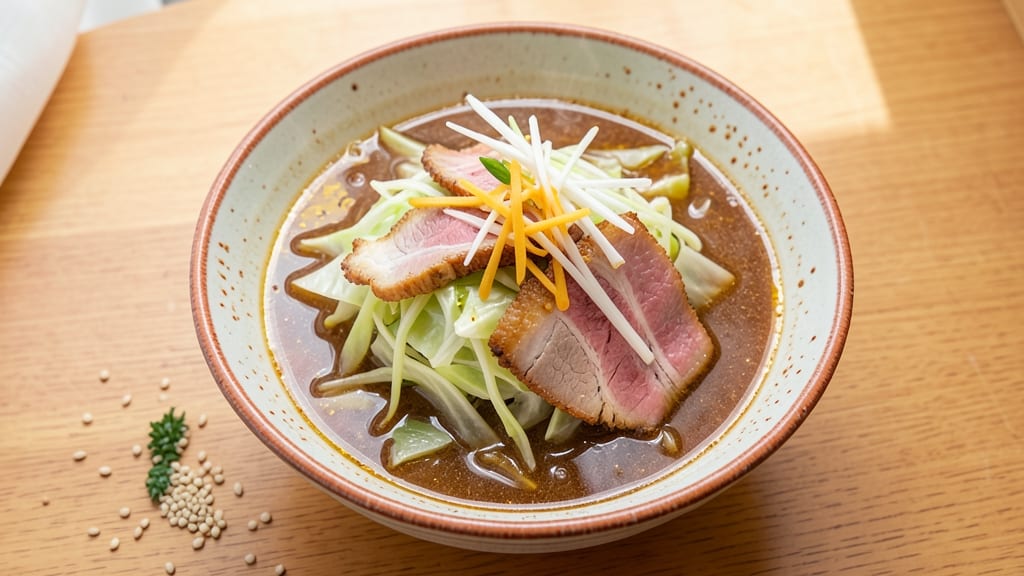
This Japanese cabbage soup recipe transforms simple ingredients into a light, comforting one-pot meal that balances freshness and warmth—perfect for chilly days or quick weeknight dinners. The secret lies in a delicate broth, tender cabbage, and subtle seasonings that create harmony in every spoonful.
I’ve refined this version to stay true to traditional flavors while adapting it for modern kitchens, ensuring it’s both authentic and approachable.
The beauty of this soup is its one-pot simplicity: no chopping stress, no cleanup chaos. A rich dashi or miso broth forms the foundation, while thinly sliced cabbage and delicate aromatics like scallions and ginger infuse the liquid with layers of flavor.
The result is a soup that’s light enough to enjoy on its own but hearty enough to satisfy when paired with rice or toasted bread. Every ingredient plays a role—from the umami depth of the broth to the crisp-tender cabbage that holds its shape beautifully.
What makes this recipe truly special is how it captures the essence of Japanese home cooking—comforting yet refined, with just enough depth to feel intentional.
The broth simmers until fragrant, the cabbage softens just enough to melt in your mouth, and the final touch of sesame oil or a sprinkle of bonito flakes adds that signature Japanese brightness.
It’s the kind of soup that feels like a warm hug in a bowl, yet requires minimal effort to prepare.
Whether you’re serving it as a light lunch or a starter for a larger meal, this Japanese cabbage soup delivers restaurant-quality comfort with just a few pantry staples.
Ready in under 30 minutes, it’s the perfect way to bring a taste of Japan to your table without the fuss. Let’s get started!
Ingredients for japanese cabbage soup
Pantry staples plus a few fresh finds for this comforting Japanese cabbage soup.
| Ingredient | Amount | Notes |
|---|---|---|
| Japanese Cabbage 🥬 | 1 lb | Thinly sliced, core removed |
| Dashi Broth 🍜 | 4 cups | Homemade or quality store-bought |
| Miso Paste 🧈 | 1 tbsp | White or red miso preferred |
| Fresh Ginger 🧅 | 1 tbsp | Grated, finely chopped |
| Scallions 🌱 | 3 whole | Thinly sliced, green parts included |
| Sesame Oil 🫒 | 1 tbsp | Toasted for aroma |
| Bonito Flakes 🐟 | 1 tbsp | Optional garnish |
| White Rice 🍚 | 1 cup | Cooked, for serving |
| Low-Sodium Soy Sauce 🥄 | 1 tbsp | For depth of flavor |
| Tofu 🍲 | ½ lb | Silken, cubed optional |
| Green Tea ☕ | ½ tsp | Loose or bagged |
| Sea Salt 🧂 | ½ tsp | Adjust to taste |
| Vegetable Oil 🫒 | 1 tbsp | For gentle cooking |
The cabbage is the star, so pick a head with crisp, vibrant leaves—Asian markets usually have the freshest. If you can't find Japanese cabbage, Napa cabbage works in a pinch, but it's got a slightly sweeter flavor. For the dashi, Hondashi from Trader Joe's is my go-to shortcut, but homemade with kombu and bonito flakes is worth it if you're making this often. The miso? White miso gives a cleaner taste, while red adds depth—both work here. Fresh ginger is a must for that bright, zesty kick, but if you're using dried, reduce to half the amount.
No sesame oil? Toasted sesame seeds in the same amount will give you that nutty flavor, though it won't coat the soup like oil. Skipping the tofu? Add extra cubed shiitake mushrooms for umami. The green tea isn't just for garnish—it adds a subtle earthiness to the broth. If you've got matcha powder, a pinch in the broth takes it to the next level. For the bonito flakes, buy them fresh from an Asian market—they lose their pop after a few weeks. And if you're feeling fancy, a sprinkle of furikake on top adds that restaurant touch.
This soup tastes even better the next day—3-4 days in the fridge, honestly. I like to make a big batch and portion it into containers for quick lunches. The broth freezes beautifully too—just thaw and reheat. Store the tofu separately if you're freezing, as it can get soggy. For serving, keep the rice in a rice cooker or pot nearby—it stays warm and ready. Leftovers? Toss with a fried egg for a quick Japanese-style ramen bowl.
Why You'll Love This Recipe
- Here’s what sold me: a whole head of cabbage, a block of miso, and fresh ginger last me weeks. Dashi is cheap if you make it from scratch, and scallions stretch across multiple meals. It’s the kind of soup that makes grocery bills feel lighter while filling your kitchen with good smells.
- Fewer Ingredients, More Impact: Honestly, I’m obsessed with how little you need to make this soup sing. Just chop the cabbage, simmer it in dashi, and stir in that rich miso—no fancy techniques, no hidden spices. The ginger and scallions add just enough punch to make it feel special, even though it’s basically foolproof.
- Umami Bomb: Between us, that miso paste is where the magic happens. It’s salty, earthy, and deep—like a hug in a bowl. The dashi broth lifts it without overpowering, and the cabbage soaks up all the flavor until every bite tastes like a little Japanese comfort food victory.
- Lunchbox Hero: I’ll never forget the day I packed this warm for my kid’s school lunch. It stayed hot in their thermos, the cabbage held its crunch, and they devoured it—no sad leftovers in the trash. Works for picnics, office meals, or just reheating when you’re too tired to cook.
Step-by-step instructions for Japanese cabbage soup
This one-pot wonder delivers comforting flavors with minimal cleanup—perfect for any cozy meal.
Prepare the Base Ingredients
Start by thinly slicing the 1 lb Japanese cabbage, removing the core as you go. I like to cut it into bite-sized pieces—about 1-inch wide—so it cooks evenly and stays tender. Set it aside in a large bowl.
In a separate small bowl, combine the 1 tbsp miso paste, 0.5 tsp green tea, and 0.5 tsp sea salt. Mix well until the green tea dissolves completely and the miso forms a smooth paste. This blend will infuse the soup with depth of flavor. If using loose green tea, steep it in 2 tablespoons of hot water first, then strain and add to the miso mixture.
Sauté Aromatics and Build Flavor
Heat the 1 tbsp vegetable oil in a large pot over medium heat until shimmering. Add the 1 tbsp finely chopped fresh ginger and let it sizzle for 30 seconds—you'll smell that bright, zesty aroma. Add the 3 whole scallions, sliced thinly, and cook for another 1 minute until softened but still vibrant.
Pour in the 4 cups dashi broth and bring to a gentle simmer. Stir in the miso-green tea mixture, letting it dissolve completely. The broth should take on a subtle umami richness—this is where the magic happens. If you notice any miso clumps, whisk vigorously until smooth. Keep the heat at a low simmer to prevent the broth from boiling over.
Add Tofu and Vegetables
Add the 0.5 lb tofu to the simmering broth. If using silken tofu, gently press it with a spoon to break it into smaller pieces—this ensures even cooking. Let it simmer for 5 minutes, allowing the tofu to absorb some of the broth's flavor while remaining tender.
Next, add the sliced Japanese cabbage and stir gently to distribute it evenly. The cabbage should float just below the surface of the broth. Simmer uncovered for 8-10 minutes, until the cabbage is tender but still holds its shape. You'll know it's ready when a knife slides in easily—this ensures it stays crisp rather than turning mushy.
Finish with Umami and Serve
Stir in the 1 tbsp low-sodium soy sauce and 1 tbsp sesame oil. The soy sauce adds a savory depth, while the sesame oil brings a nutty aroma that ties everything together. Taste and adjust seasoning—you might want to add a pinch more sea salt if needed, depending on your broth's saltiness.
Let the soup simmer for another 2 minutes, allowing the flavors to meld. Serve hot over 1 cup cooked white rice, spooning the broth and vegetables directly onto the rice. Garnish with 1 tbsp bonito flakes just before serving—they add a delicate, smoky crunch that elevates the dish. Each bite should balance the tender cabbage, silky tofu, and rich broth.
Pro Tips For Making Japanese Cabbage Soup
- Simmer Slow and Steady: Japanese cabbage needs time to soften without turning to mush—keep the broth at a gentle simmer (small bubbles, not a rolling boil) for 15–20 minutes. I used to rush it, and the cabbage would either stay crunchy or fall apart. Trust the process; the texture will be perfect when the leaves are tender but still hold their shape.
- Prep Ginger Like a Pro: Thinly slice the ginger (about 1/8-inch thick) and toast it in the pot for 30 seconds before adding broth—this deepens the aroma without bitterness. I learned this the hard way by just throwing in raw ginger and wondering why the flavor felt flat. A quick sear makes all the difference.
- Dissolve Miso Properly: Mix miso paste with a splash of hot (not boiling) broth first, then stir into the pot to avoid clumps. I’ve seen people just toss it in, and it turns into a gloopy mess. Take 10 seconds to emulsify it—your soup will be silky, not grainy.
- Salt the Cabbage First: Toss the cabbage wedges with a pinch of salt (about ½ tsp) and let them sit for 5 minutes before cooking. This softens the edges and draws out bitterness—my grandmother swore by this, and she was right. Skip it, and the cabbage will taste harsher no matter how long you simmer.
Pro cooking tips for this recipe
Broth Perfection
Start with a gentle simmer—never a rolling boil—to preserve the delicate flavors of your dashi broth. I use a wide, shallow pot (like a Le Creuset Dutch oven) to maximize surface area and prevent scorching.
If your broth tastes flat after simmering, it’s likely because you boiled it too vigorously, which can make it bitter. For extra depth, add a small piece of kombu (dried kelp) to the broth while simmering—remove it before serving to avoid a fishy aftertaste. 💫
Cabbage Texture Control
The key to crisp-tender cabbage is timing and technique. Cut the cabbage into even, thin slices (about ¼-inch thick) so they cook uniformly. If your cabbage turns mushy, you’ve overcooked it—aim for 8-10 minutes of simmering.
For extra crispness, I like to add the cabbage 2 minutes before serving and cover the pot to trap steam. This keeps the edges slightly crisp while the centers soften. 🥬
Miso Magic
Dissolve miso paste gradually into warm (not boiling) broth to avoid activating its bacteria and creating a bitter taste. I whisk it into a small cup of broth first, then stir it into the pot.
For a smoother texture, blend the miso with a splash of broth before adding it. If you’re using red miso, simmer it for 5-10 minutes longer to deepen its flavor—white miso cooks faster and can turn bitter if overcooked. 🧈
Tofu Handling
Silken tofu is delicate, so handle it gently to avoid breaking it apart. Press it lightly with a spoon to create smaller, even pieces that cook faster. If your tofu absorbs too much broth and becomes waterlogged, drain it briefly before adding it to the pot.
For extra flavor, marinate the tofu in 1 tbsp soy sauce + 1 tsp sesame oil for 10 minutes before adding it to the soup. 🍲
Garnish Like a Pro
Bonito flakes should be added just before serving—they lose their crunch and smoky aroma if left in the soup too long. Toast them in a dry pan over medium heat for 10-15 seconds before sprinkling to intensify their flavor.
For a modern twist, drizzle with 1 tsp toasted sesame oil and a pinch of furikake (Japanese seasoning blend) for extra texture and umami. 🌟
One-Pot Efficiency
Use a heavy-bottomed pot (like All-Clad) to distribute heat evenly and prevent hot spots that can burn the broth. If your pot isn’t large enough, cook the cabbage in batches—add it in two portions, 5 minutes apart, to avoid overcrowding.
For leftovers, store the soup in an airtight container and reheat gently on the stovetop over low heat to preserve texture. 🔥
Nutrition facts
Frequently asked questions
Can I substitute Napa cabbage for Japanese cabbage?
Yes, but expect a slightly sweeter flavor. Napa cabbage has broader leaves and a milder taste, so it works well in a pinch. For best results, thinly slice the outer leaves and use the core for texture. The cooking time remains the same, but Napa may hold its shape slightly longer.
How do I make this soup vegetarian?
Skip the dashi (use vegetable broth instead) and bonito flakes. Replace tofu with extra mushrooms or chickpeas for protein. A splash of mirin or extra miso adds umami depth. The broth will still be flavorful—just focus on balancing the miso and soy sauce for that savory kick.
Why does my cabbage turn mushy?
Overcooking or thick slices are usually the culprits. Cut cabbage into even ¼-inch slices and simmer for no more than 8-10 minutes. For extra crispness, add cabbage only 2 minutes before serving and cover the pot to trap steam.
Can I make this soup ahead of time?
The flavors actually improve overnight. Store in an airtight container for up to 3-4 days in the fridge. Reheat gently on the stovetop over low heat—never microwave—to preserve texture. Add fresh bonito flakes before serving for that smoky aroma.
What's the best way to serve this soup?
Pair it with steamed white rice or toasted milk bread for a classic Japanese meal. For extra richness, top with a soft-boiled egg or crispy fried shallots. The soup's lightness makes it perfect as a starter or light lunch.