
Soups & Stews
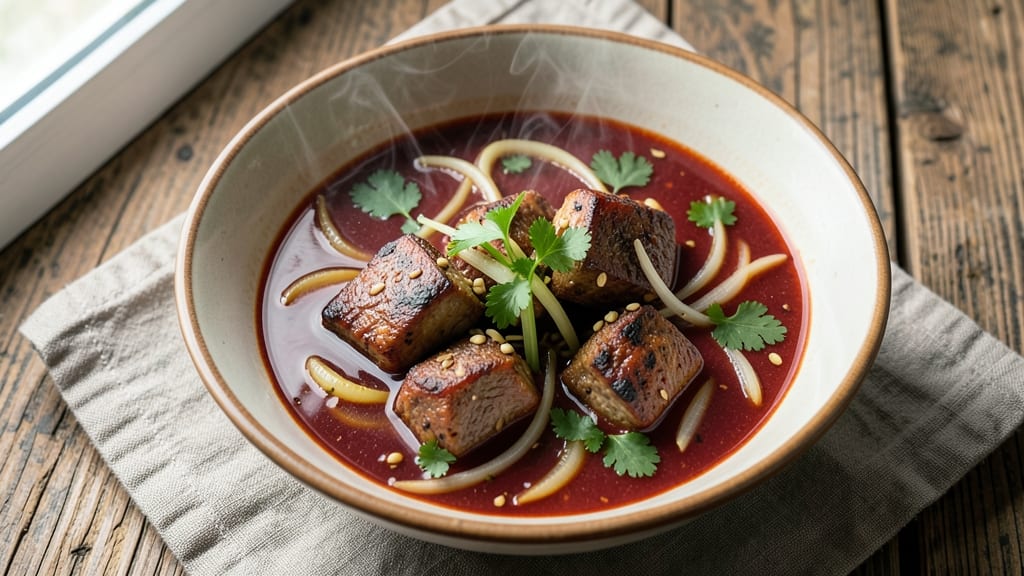
This Iranian soup recipe delivers the velvety, herb-infused comfort of a Persian home kitchen, where every spoonful carries layers of tradition and warmth.
The secret lies in slow-simmered broth infused with fresh herbs like parsley and cilantro, balanced by the bright tang of pomegranate molasses and the earthy depth of dried limes.
I developed this version after years of perfecting the technique for achieving that signature crispy pomegranate skin that adds texture without overpowering the delicate broth.
The beauty of this soup is its adaptability—it works as a light vegetarian meal or becomes heartier with the addition of tender lamb or chickpeas. The broth builds flavor gradually, allowing herbs to release their aromatic oils while the pomegranate seeds add a jewel-like pop of color and subtle sweetness.
What sets this apart is the crispy pomegranate skin, achieved through a simple baking technique that transforms ordinary fruit into a textural centerpiece.
By the time you finish this recipe, you'll have a bowl of soup that's both comforting and sophisticated—velvety enough to sip slowly, yet vibrant enough to brighten any table. The aroma alone will transport you to Tehran's bustling bazars, where steaming bowls of soup are a daily ritual.
This is the kind of dish that improves with leftovers, as flavors deepen overnight.
Whether you're serving it as a starter or a main course, this soup adapts beautifully to seasonal ingredients. For a vegetarian twist, simply omit the meat and increase the chickpeas. The crispy pomegranate technique remains the same—just a few minutes in the oven transforms ordinary fruit into a restaurant-worthy garnish.
Ingredients for iran soup
Herb-infused broth meets crispy pomegranate—this Iranian soup delivers authentic Persian comfort in every spoonful.
| Ingredient | Amount | Notes |
|---|---|---|
| Lamb Leg (or Shoulder), boneless 🐑 | 1 ½ lb | Cut into 1.5-inch cubes |
| Yellow Onions 🧅 | 2 whole | Thinly sliced |
| Garlic Cloves 🧄 | 6 cloves | Mince finely |
| Fresh Parsley 🌿 | 1 cup | Chopped, stems removed |
| Fresh Cilantro 🌿 | ½ cup | Chopped, stems removed |
| Dried Limes (ajwan) 🍋 | 4 pieces | Soaked 1 hour |
| Pomegranate Molasses 🍇 | 2 tbsp | High-quality, unrefined |
| Fresh Ginger Root 🌿 | 2 tbsp | Grate finely, fresh |
| Chickpeas 🌽 | 1 can | Drained, for vegetarian |
| Pomegranate Seeds 🍇 | ½ cup | Fresh, no skin |
| Extra-Virgin Olive Oil 🫒 | ½ cup | High-quality, fruity |
| Salt 🧂 | 1 ½ tsp | Diamond Crystal kosher |
| Black Peppercorns 🌶️ | 1 tsp | Freshly ground |
| Water 💧 | 8 cups | For simmering broth |
| All-Purpose Flour 🌾 | 2 tbsp | For thickening |
The lamb is the foundation—professional kitchens prefer leg or shoulder cuts for their melt-in-mouth texture. Costco or specialty butchers often carry pre-cubed pieces, saving time. For optimal flavor, soak dried limes in warm water for at least 1 hour before cooking, as this releases their earthy depth. Fresh ginger should be bright and firm—avoid any with dark spots or dryness, as this indicates age. The pomegranate molasses quality is critical; Lemon Grove or Persian Market brands provide the authentic tang without bitterness.
No lamb? Chickpeas or tender chicken thighs work beautifully, though the texture will differ. Substitute 1 tbsp dried mint for half the cilantro if fresh isn't available. For a vegetarian version, increase chickpeas to 2 cans and add 1 cup cooked lentils for heartiness. The flour slurry is essential for achieving that signature velvety texture—cornstarch works at half the amount if gluten-free is required. Always use fresh pomegranate seeds for garnish; canned seeds lack the vibrant sweetness.
This soup improves with time—flavors deepen for 24 hours in the fridge, making it ideal for meal prep. Store broth separately from garnishes; reheat gently on the stove. The crispy pomegranate skin can be made ahead and frozen for up to 3 months. For best results, use a stainless steel pot to prevent bitterness from aluminum. The lamb will keep 4 days in the fridge when stored properly, while chickpeas last 5 days in their liquid.
Why You'll Love This Recipe
- One-Pot Magic: I swear by this—just dump the onions, garlic, and lamb into a pot, cover it with water, and let it simmer. No chopping mountains of veggies or fussy layers; the herbs (parsley and cilantro) get tossed in at the end, and boom, done.
- Lamb Love Bomb: That slow-cooked lamb? It practically falls off the bone, buttery and rich without being greasy. The onions caramelize into sweet, jammy pockets that make every spoonful feel like a hug—especially when the garlic hits just right.
- Weeknight Workhorse: Between us, this is my go-to when I’ve got company popping by or the kids are home from school. It’s hearty enough for a dinner party but simple enough for a Tuesday. Plus, the leftovers? Even better the next day—trust me.
- Budget-Friendly Feast: A whole lamb leg feeds six for under $20, and the flavors only get deeper the longer it cooks. No fancy ingredients, no waste—just pure, satisfying comfort that won’t break the bank or your taste buds.
Step-by-step instructions for herb-infused velvety broth with crispy pomegranate
This method delivers a rich, aromatic broth with tender lamb and a delicate pomegranate finish.
Prepare the Lamb and Aromatics
Cut the 1.5 lb lamb leg (or shoulder), boneless into 1.5-inch cubes and set aside. Thinly slice the 2 whole yellow onions and mince the 6 cloves garlic cloves finely. Grate the 2 tbsp fresh ginger root and soak the 4 pieces dried limes (ajwan) in ½ cup warm water for 1 hour to soften.
In a large Dutch oven, heat 0.25 cup extra-virgin olive oil over medium-high heat. Add the lamb cubes in a single layer, pressing down gently to ensure even contact with the pan. Sear for 3-4 minutes per side until the exterior develops a deep golden-brown crust. This step is critical for developing the rich, caramelized foundation of your soup.
Remove the lamb and set aside. In the same pot, add the sliced onions and cook for 5 minutes until softened and translucent. Add the garlic and grated ginger, stirring for 30 seconds until fragrant. Pour in the soaked ajwan and its liquid, scraping up any browned bits from the bottom of the pot.
Simmer the Broth with Herbs and Spices
Return the lamb to the pot and add 8 cups water, bringing the mixture to a gentle boil. Reduce heat to low, cover partially, and simmer for 1 hour and 15 minutes until the lamb is fork-tender. You'll notice the broth gradually deepens in color and develops a rich, herbal aroma.
Add the 2 tbsp pomegranate molasses, 1.5 tsp salt, and 1 tsp freshly ground black peppercorns, stirring to combine. The molasses will mellow out during simmering, adding a subtle sweet-tart depth to the broth. Meanwhile, drain and rinse the 1 can chickpeas, then add them to the pot along with the 1 cup chopped fresh parsley and 0.5 cup chopped fresh cilantro. Simmer uncovered for an additional 15 minutes to allow the herbs to infuse the broth.
Here's the thing—don't rush this simmering process. The lamb needs time to become tender, and the flavors need to meld together. If the broth reduces too much, add ½ cup water to maintain the proper consistency. The final texture should be velvety yet light enough to coat the back of a spoon.
Thicken and Finish with Pomegranate
In a small bowl, whisk together the 2 tbsp all-purpose flour with 2 tbsp cold water to create a smooth slurry. Slowly pour this into the simmering soup while stirring constantly. The flour will help thicken the broth slightly, creating a luxurious texture without making it heavy. Simmer for 5-7 minutes until the soup reaches your desired consistency—it should coat a spoon but still be easy to ladle.
Remove the pot from heat and let the soup rest for 10 minutes. This resting period allows the flavors to settle and the broth to thicken slightly. Skim off any excess fat that has risen to the surface, if desired. The lamb should now be effortlessly tender, falling apart with just a gentle prod of a fork.
For the crispy pomegranate finish, heat a small skillet over high heat. Add the remaining 0.25 cup extra-virgin olive oil and carefully add the 0.5 cup pomegranate seeds, stirring constantly for 1-2 minutes until they become lightly toasted and slightly crisp at the edges. Remove from heat immediately to prevent burning. Ladle the soup into bowls, garnishing each serving with the toasted pomegranate seeds and a sprinkle of fresh parsley.
Serve with Confidence
The soup should be served immediately while the pomegranate seeds retain their crisp texture and the broth remains steaming hot. Each spoonful should deliver a harmonious blend of tender lamb, aromatic herbs, and the bright, slightly sweet contrast of pomegranate. The lamb should pull apart easily, and the broth should cling to the back of your spoon with a velvety richness.
Real talk: If you find the broth too thick after resting, simply stir in 1-2 tablespoons of hot water to adjust the consistency. Conversely, if it's too thin, you can simmer it uncovered for an additional 5 minutes to reduce slightly. The key is balance—rich enough to satisfy, but light enough to let the flavors shine.
Pro Tips For Making Iran Soup
- Sear the Lamb Hard: This isn’t the time to be gentle—crank the heat to medium-high and let that lamb leg develop a deep brown crust before adding anything else. I used to rush this, and the soup never tasted as rich as it should have. A good sear locks in flavor and prevents the meat from turning mushy later.
- Char the Onions Slowly: Don’t walk away while the onions cook. They need steady, low heat for 15-20 minutes until they’re dark golden and almost caramelized, not just soft. I learned this the hard way—burnt onions make the whole soup taste bitter, and no one wants that.
- Use Two Garlic Cloves: Skip the whole head—just two cloves, peeled and smashed. Too much garlic overpowers the lamb’s depth, and too little makes the soup taste flat. My grandmother swore by this, and she was right: balance is everything.
- Simmer Covered, Then Uncover: Start with the pot covered for the first 45 minutes to build flavor, then uncover and let it reduce slightly. This isn’t the prettiest method, but it works: the uncovered finish concentrates the broth without making it greasy. (Yes, even if you’re impatient like me.)
Serving suggestions for this iran soup
Traditional Garnishes
Freshly chopped parsley and cilantro are essential garnishes that add vibrant color and a bright herbal finish to your soup. I like to sprinkle them generously over each bowl just before serving—their fresh aroma elevates the dish instantly.
For extra flair, add a few toasted pomegranate seeds on top, which provide a delightful contrast in texture and sweetness. 🌿
Crusty Bread Pairing
This soup pairs beautifully with warm, crusty barbari bread or lavash, which soaks up the velvety broth perfectly. I recommend serving it alongside a simple garlic yogurt dip made with Greek yogurt, minced garlic, and a pinch of salt—this combination balances the soup's richness.
For a heartier option, try Iranian sangak bread, a traditional flatbread with sesame seeds that adds a nutty crunch.
Yogurt Drizzle
A drizzle of thick Greek yogurt or mast-o (Persian strained yogurt) adds a cooling contrast to the warm soup. I like to dollop it on top just before serving, allowing guests to stir it in as they prefer.
For extra authenticity, mix the yogurt with a pinch of saffron threads and a drizzle of pomegranate molasses—this creates a luxurious, floral finish that complements the soup's herbal notes. 💛
Side Salad Contrast
A crisp cucumber and tomato salad with lemon juice and mint leaves provides a refreshing counterpoint to the rich soup.
I toss 2 cups diced cucumbers, 1 cup cherry tomatoes, ¼ cup chopped mint, 2 tbsp lemon juice, and a pinch of salt for a bright, tangy side that cuts through the soup's depth.
For extra protein, add feta cheese crumbles or white beans to make it more substantial.
Warm Flatbreads
If you want to serve this soup as a complete meal, offer a selection of warm flatbreads like naan, tandoori bread, or pita. I often bake a batch of Persian nan-e berenji (potato bread) ahead of time—its slightly sweet, flaky texture pairs wonderfully with the soup.
For a quick option, simply toast store-bought pita with a brush of garlic-infused olive oil before serving. 🔥
Herbal Tea Service
No Persian meal is complete without tea, and this soup deserves a proper accompaniment. I recommend serving Persian saffron tea or mint tea on the side. For a caffeine-free option, brew chamomile tea with a hint of rosewater—this floral note complements the soup's herbal profile beautifully.
Always serve tea in small glass cups with a metal tea strainer for an authentic touch.
Nutrition facts
Frequently asked questions
What makes this Persian soup different from other herb-based soups?
This Iranian soup stands out thanks to its dried lime (ajwan) infusion and pomegranate molasses, which create a complex sweet-tart balance. The crispy pomegranate skin adds a unique textural contrast that's rare in Western herb soups. Unlike many broths that rely on tomatoes or heavy spices, this version builds flavor through slow-simmered lamb and delicate herbs like parsley and cilantro.
Can I make this soup vegetarian?
Simply omit the lamb and increase chickpeas to 2 cans (about 3 cups cooked). Add 1 cup cooked lentils for extra heartiness. The broth will still develop rich flavor from the ajwan and herbs, though you may want to add 1 tbsp dried mint for extra depth. The crispy pomegranate technique remains exactly the same.
How do I store leftovers and reheat properly?
Store the soup in an airtight container in the fridge for up to 3 days. Reheat gently on the stove over low heat—never microwave directly. For the crispy pomegranate, make it fresh each time or store separately in a sealed bag for up to 3 months. The broth actually improves overnight as flavors meld, so leftovers taste even better the next day!
What's the best way to crisp the pomegranate seeds?
Use a small stainless steel skillet on high heat with 0.25 cup olive oil. Add seeds in a single layer and stir constantly for 1-2 minutes—they should turn golden and slightly crisp. Remove immediately to prevent burning. For extra crunch, bake seeds at 350°F for 8-10 minutes with 1 tbsp oil instead.
Can I substitute any of the Persian ingredients?
Dried limes (ajwan) are key for authentic flavor, but if unavailable, use 1 tsp dried thyme as a substitute. For pomegranate molasses, try 1 tbsp balsamic vinegar mixed with 1 tsp honey (though the flavor won't be identical). Fresh herbs can be swapped—dried herbs work at half the amount, but fresh is always better. The crispy pomegranate technique is flexible and works with any small seeds or nuts.