
Main Courses
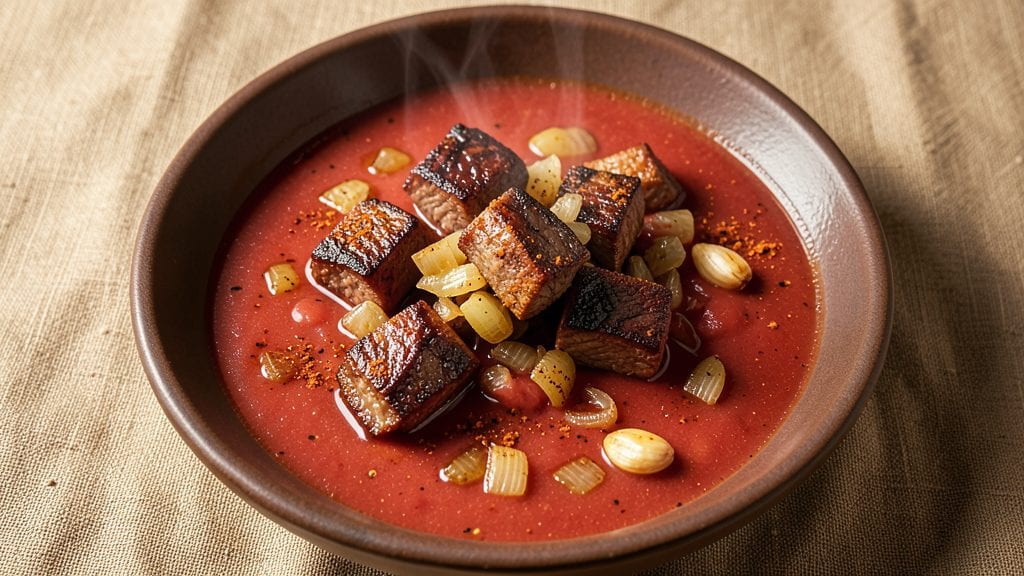
This goulash recipe using tomato soup transforms a simple pantry staple into a rich, velvety stew that tastes like it simmered all day. The secret lies in blending canned tomato soup with beef broth and paprika to create a deeply flavorful base that builds complexity as it cooks.
I first discovered this method during a particularly busy week when I needed hearty comfort food without the fuss of traditional goulash recipes.
The beauty of this approach is how tomato soup replaces the need for fresh tomatoes while still delivering that signature tangy-sweet depth. A slow simmer allows the flavors to meld—paprika deepens, onions caramelize, and beef becomes fork-tender—resulting in a sauce that's creamy without heavy cream.
This version cuts prep time by half while maintaining all the cozy, satisfying qualities of classic goulash.
What you'll end up with is a pot of deeply aromatic stew where tender beef and smoky paprika shine against the velvety tomato base. The texture is rich but not heavy, with just enough body to coat each bite.
Serve it over buttered egg noodles or crusty bread to soak up every last drop of that flavorful sauce.
Leftovers reheat beautifully, making this perfect for meal prep or feeding a crowd. The technique is simple enough for weeknights but impressive enough for company—no one will guess it started with a can of tomato soup. Let's make this goulash!
Ingredients for goulash recipe using tomato soup
Pantry staples and a few fresh ingredients create this velvety goulash.
| Ingredient | Amount | Notes |
|---|---|---|
| Chuck Roast Beef 🥩 | 2 lb | Cut into 1-inch cubes |
| Canned Tomato Soup 🍅 | 1 can | Condensed, 19 oz can |
| Beef Broth 💧 | 2 cups | Low-sodium preferred |
| Yellow Onion 🧅 | 1 whole | Diced, medium size |
| Garlic Cloves 🧄 | 3 cloves | Minced, fresh preferred |
| Sweet Paprika 🌶️ | 2 tbsp | Smoked preferred for depth |
| Ground Black Pepper 🌶️ | 1 tsp | Freshly ground |
| Bay Leaves 🍃 | 2 whole | Dried, standard size |
| Extra-Virgin Olive Oil 🫒 | 2 tbsp | For searing beef |
| All-Purpose Flour 🌾 | 2 tbsp | For thickening sauce |
| Salt 🧂 | 1 ½ tsp | Kosher or sea salt |
| Egg Noodles 🍝 | 8 oz | Uncooked, medium width |
The chuck roast is non-negotiable for texture—it breaks down beautifully during the long simmer. Costco or Walmart typically carry it pre-cubed, which saves time, but if you're buying a whole roast, ask the butcher to cut it into 1-inch pieces. For tomato soup, Campbell's or Progresso work well, but check the label for added salt. The beef broth should be low-sodium to balance the flavors—Swanson or Pacific Foods are reliable choices. Fresh garlic and onions are worth the extra minute to dice properly, as they form the aromatic base of the dish. Sweet paprika adds color and mild sweetness, but smoked paprika deepens the flavor profile significantly.
No sweet paprika? Substitute with smoked paprika plus 1/4 tsp sugar for a similar effect. Short on beef broth? Water plus 1 tsp beef bouillon powder works in a pinch, though the flavor won't be as rich. Using pre-minced garlic or onion? Drain and rinse to remove excess moisture, which can dilute the sauce. For a gluten-free version, replace the flour with cornstarch or arrowroot powder. The egg noodles can be swapped for rice noodles or zucchini noodles if preferred, though the texture will differ slightly. If you're making this ahead, cook the noodles separately and add them just before serving to prevent sogginess.
This goulash tastes even better the next day as the flavors meld further. Store leftovers in an airtight container in the fridge for up to 5 days or freeze for 3 months. For meal prep, portion the sauce into containers and freeze it without the noodles—just reheat and toss with cooked noodles when ready to serve. The sauce thickens as it cools, so add a splash of broth if it seems too stiff when reheating. Serve with a sprinkle of fresh parsley or a dollop of sour cream for added brightness.
Why You'll Love This Recipe
- Pantry Powerhouse: I swear by this when my fridge is bare—just a can of tomato soup, a beefy chuck roast, and a few pantry staples. No fancy prep, no last-minute grocery runs.
- One-Pot Magic: That tomato soup base does all the work—simmering the onions and garlic right into the beef until it’s fork-tender. Honestly, the slow cooker makes me feel like a lazy hero.
- Leftover Luxury: The flavors only deepen overnight, so I double the batch and freeze half. My family fights over the leftovers, and I don’t even have to cook again for days.
- Budget Beef Boost: Chuck roast is cheap, but it turns into something restaurant-worthy with just broth and a can of soup. Here’s what sold me—it feeds six for under $15, and no one complains.
Step-by-step instructions for goulash recipe using tomato soup
This method transforms simple pantry staples into a rich, velvety goulash with minimal effort.
Sear the Chuck Roast Beef
Heat the 2 tablespoons extra-virgin olive oil in a large Dutch oven over medium-high heat. Cut the 2 lb chuck roast beef into 1-inch cubes and add them to the pot in a single layer, working in batches if needed. Let them sear undisturbed for 3-4 minutes until deep golden brown forms on all sides.
This step is crucial for building deep flavor. Don't crowd the pan—searing too many pieces at once will steam them instead of crisping. Once browned, transfer the beef to a plate and set aside. You'll notice the oil will darken slightly from the caramelization, which adds richness to the final dish.
Develop the Flavor Base
In the same Dutch oven, add the diced yellow onion and cook over medium heat for 5 minutes until softened and translucent. Stir occasionally to prevent burning. Add the 3 minced garlic cloves and cook for an additional 30 seconds until fragrant.
Here's where the magic begins. The onions should release their natural sweetness while the garlic adds aromatic depth. If the onions start to brown too quickly, reduce the heat slightly. Next, sprinkle in the 2 tablespoons sweet paprika and stir for 1 minute to toast the spices—this enhances their flavor significantly.
Build the Creamy Sauce
Pour in the 1 can canned tomato soup and 2 cups beef broth, scraping up any browned bits from the bottom of the pot. Add the 2 whole bay leaves, 1.5 teaspoons salt, and 1 teaspoon ground black pepper. Bring the mixture to a gentle simmer over medium-low heat. Return the seared beef to the pot and stir to combine.
The canned tomato soup acts as a convenient base that still delivers rich, concentrated flavor. Simmer uncovered for 45-50 minutes, stirring occasionally, until the beef is fork-tender and the sauce has thickened slightly. You'll know it's ready when the beef easily pulls apart with minimal resistance and the sauce coats the back of a spoon.
Thicken and Finish
Remove the bay leaves and increase heat to medium. Sprinkle the 2 tablespoons all-purpose flour over the sauce and stir vigorously for 1-2 minutes until the mixture thickens noticeably. This creates that signature creamy texture while maintaining the dish's rustic character.
Taste and adjust seasoning if needed—this is your last chance to balance flavors. The sauce should be velvety but not gluey, with the beef fully coated. If it's too thick, add 1-2 tablespoons beef broth to reach your desired consistency. Here's the thing—this thickening step transforms the dish from ordinary to exceptional.
Cook the Noodles and Combine
While the goulash simmers, cook the 8 oz egg noodles according to package instructions until al dente. Drain and set aside. Return the goulash to a gentle simmer and stir in the cooked noodles until fully coated with sauce. Let it heat through for 2-3 minutes, stirring occasionally.
Serve immediately while hot. The noodles will absorb the rich, creamy sauce beautifully, creating a hearty, comforting bowl. Each bite should deliver tender beef, velvety sauce, and perfectly cooked noodles. This method proves that pantry staples can create restaurant-quality results with the right technique.
Pro Tips For Making Goulash Recipe Using Tomato Soup
- Sear the Roast First: I learned this the hard way—skipping the sear makes the soup taste like it was assembled in a microwave. Brown the chuck roast in batches over medium-high heat for 3-4 minutes per side until deep golden. The crust locks in flavor and keeps the meat from turning out dry later.
- Use Two Onions: One onion just doesn’t cut it for this dish. Dice two medium yellow onions—one goes straight into the pot with the garlic, while the second gets sautéed until caramelized (about 15 minutes on low heat) and stirred in at the end. The extra sweetness balances the acidity of the tomato soup.
- Deglaze Aggressively: After searing the meat, don’t just splash in broth and call it a day. Scrape the browned bits from the bottom of the pot with a wooden spoon while adding the beef broth—this adds layers of flavor that’ll make your goulash taste homemade, not shortcut. Use about 1 cup of broth for this step alone.
- Simmer Low and Slow: This isn’t a race. After adding the tomato soup, reduce the heat to a bare simmer (tiny bubbles, not rolling) and cover the pot. Let it cook for at least 2.5 hours—3 hours if your roast is thick. The meat needs time to break down, and rushing it turns the soup into a sad, watery stew.
Make-ahead tips for goulash recipe using tomato soup
Freezer Prep Strategy
After the goulash sauce is fully cooked but before adding noodles, let it cool to room temperature (about 30 minutes). Portion into quart-sized freezer bags or airtight containers, leaving 1-inch headspace for expansion.
I like using Stasher bags because they’re reusable and prevent freezer burn beautifully. Label each bag with the date—this goulash keeps for 3 months without losing flavor. 🧊
Reheating Like a Pro
For the best texture, thaw overnight in the fridge. Once thawed, transfer to a pot and reheat over medium-low heat with 2 tablespoons beef broth to restore moisture. Stir frequently to prevent sticking—this sauce thickens as it cools, so adding broth ensures a velvety consistency.
If using frozen directly, add 1 extra tablespoon broth per serving to compensate for ice crystals.
Noodle Prep Shortcut
Cook your noodles separately and store them in a separate airtight container in the fridge for up to 3 days. When ready to serve, simply reheat the sauce and toss in the noodles—no soggy texture here!
For extra convenience, freeze the noodles in a single layer on a tray first to prevent clumping, then transfer to a bag. This keeps them fresh for 2 months in the freezer.
Meal Prep Timeline
Here’s my foolproof schedule: Make the goulash sauce on Sunday, portion and freeze half, then refrigerate the other half. On Wednesday, reheat the fridge portion for an easy weeknight dinner. The frozen portion can be reheated for Thursday’s lunch.
This way, you’re never stuck without a hearty meal. The sauce actually tastes better after a day or two—flavors meld beautifully over time. ✨
Serving Suggestions
Serve with a sprinkle of fresh parsley or a dollop of sour cream to cut through the richness. For extra crunch, toast crusty bread and serve on the side. I also like adding a handful of shredded cheddar while reheating for a cheesy twist.
The noodles absorb the sauce perfectly, so don’t skip this step—it’s what makes the dish feel complete and satisfying.
Leftovers Reinvention
Got extra goulash? Transform it into goulash-stuffed peppers by mixing with cooked rice and baking in bell peppers for 25 minutes at 375°F. Or turn it into goulash soup by adding extra broth and diced potatoes, then simmering until tender.
The possibilities are endless—this versatile sauce adapts to whatever you’re craving. 💡
Nutrition facts
Frequently asked questions
Why does this goulash recipe use tomato soup instead of fresh tomatoes?
Tomato soup creates a concentrated, velvety base that's easier to control than fresh tomatoes. The canned version provides consistent flavor without the need for peeling/seeding, while still delivering that signature tangy-sweet depth. Plus, it cuts prep time by 20 minutes while maintaining rich texture.
Can I substitute chicken or pork for the beef?
For chicken, use 2 boneless thighs and 2 breasts cut into chunks, and reduce simmering time to 30 minutes. For pork, try 2 pork chops cut into strips and cook for 25-30 minutes. The sauce will adapt to any meat, but beef gives the most traditional texture. Adjust seasoning to taste after cooking.
What if my goulash turns out too thin?
Simmer uncovered for 5-10 extra minutes to reduce the sauce naturally. If still too thin, mix 1 tablespoon cornstarch with 2 tablespoons cold water, stir into the sauce, and simmer for 2 minutes until thickened. For a gluten-free fix, use arrowroot powder instead of flour.
How can I make this vegetarian?
Replace the beef with 1 lb mushrooms (cremini or portobello) and 1 cup lentils. Sauté the mushrooms first to develop flavor, then proceed with the recipe. Add 1 teaspoon soy sauce or 1/2 teaspoon liquid smoke to mimic the meaty depth. The texture will be hearty and satisfying without meat.
Can I make this in a slow cooker?
Yes! Brown the beef first, then transfer everything to the slow cooker. Cook on low for 6-7 hours or high for 3-4 hours. The slow cooker enhances tenderness but may need 1 extra tablespoon flour to thicken the sauce at the end. Stir occasionally to prevent sticking.