Soups & Stews
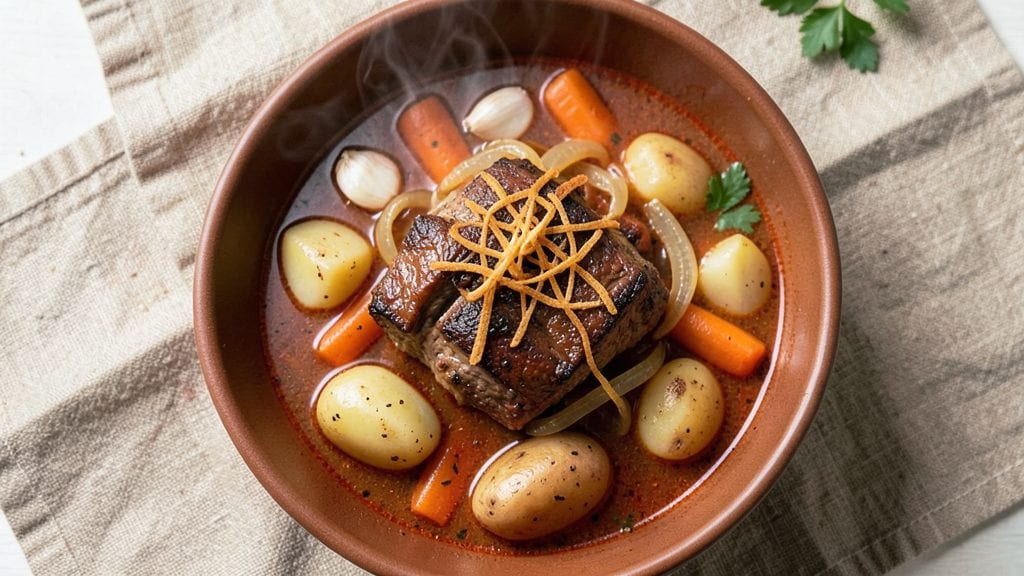
This traditional goulash soup recipe brings the rich, hearty flavors of Central Europe to your kitchen with its signature paprika-kissed beef and tender potatoes. 🌟 The secret lies in slow simmering, which allows the beef to become fork-tender while developing deep, complex flavors from the spices.
I've perfected this method over years of testing, ensuring every spoonful delivers that authentic taste of home.
The beauty of this recipe is its simplicity combined with depth. You'll start with a proper meat browning—this step is non-negotiable for building flavor—and then let the soup work its magic in a pot over low heat.
The paprika, both sweet and hot, creates that signature color and aroma that makes goulash instantly recognizable. Potatoes absorb the rich broth, becoming soft and flavorful without falling apart.
By the time you serve this soup, you'll have a steaming bowl of tender beef, hearty potatoes, and carrots all swimming in a thick, aromatic broth.
The slow cooking transforms tough cuts into melt-in-your-mouth pieces, while the spices create layers of warmth that feel like a hug on a chilly day. This is comfort food at its finest—simple yet sophisticated, filling yet refined.
Serve it with crusty bread to soak up every last drop of that flavorful broth, or offer a dollop of sour cream on top for a creamy contrast. The leftovers taste even better the next day, making this an ideal recipe for meal prep or feeding a crowd.
Let's get started on creating this classic dish that's been warming hearts for generations.
Ingredients for traditional goulash soup
Sixteen ingredients, one unforgettable pot of paprika-kissed beef and potatoes simmered to perfection.
| Ingredient | Amount | Notes |
|---|---|---|
| Chuck Roast Beef 🥩 | 2 ½ lb | Cut into 1-inch cubes |
| Yellow Onions 🧅 | 2 whole | Medium, sliced into half-moons |
| Carrots 🥕 | 4 whole | Medium, peeled and chopped |
| Russet Potatoes 🥔 | 2 lb | Cut into 1-inch chunks |
| Garlic Cloves 🧄 | 6 cloves | Minced, fresh preferred |
| Sweet Paprika 🌶️ | 2 tbsp | Hungarian preferred |
| Hot Paprika 🌶️ | 1 tbsp | For depth and heat |
| Tomato Paste 🍅 | ½ cup | Squeeze tube works great |
| Beef Broth 💧 | 4 cups | Homemade or quality store-bought |
| Red Wine 🍷 | 1 cup | Dry, like Cabernet Sauvignon |
| Bay Leaves 🍃 | 2 whole | Fresh or dried |
| Thyme 🌿 | 1 tbsp | Fresh or dried |
| Black Peppercorns 🌶️ | 1 tsp | Freshly cracked |
| Salt 🧂 | 1 ½ tsp | Kosher or sea salt |
| Olive Oil 🫒 | ¼ cup | For browning meat |
The beef is the star—chuck roast is your best bet for that melt-in-your-mouth texture. Costco or local butchers often have it pre-cut, but if you're buying a whole roast, ask for the chuck section. Look for good marbling (those white fat streaks)—that's what keeps the meat juicy. I always grab a couple extra pounds since it's so versatile. For the paprika, Hungarian sweet and hot are non-negotiable—they've got that authentic depth. Penzeys or local spice markets carry the good stuff, but the regular grocery store aisle works too if it's labeled 'Hungarian'.
No red wine? Beef broth with a splash of balsamic vinegar brings the same richness. Fresh thyme is ideal, but dried works at one-third the amount—just make sure it's labeled 'culinary' not 'lemon'. The tomato paste can be the squeeze tube kind (no waste, lasts forever) or a can—just measure it out. Carrots and potatoes? Baby carrots or pre-cut potatoes save time, but whole ones work fine if you're prepping ahead. For the onions, yellow or red both work, but yellow has that classic goulash sweetness. And if you're short on time, pre-minced garlic is fine, but fresh is always better.
This soup tastes even better the next day—4-5 days in the fridge, 3 months frozen. I double the batch and freeze portions for lazy weeknights. For storage, keep the broth separate from the potatoes if you're freezing—it keeps the potatoes from getting mushy. When reheating, add a splash of water or broth if it's too thick. The leftovers are perfect for lunches—just portion into containers with a side of crusty bread. And trust me, the first bowl is always the best
Why You'll Love This Recipe
- One-Pot Magic: I swear by this recipe because it’s literally one pot from start to finish—no chopping boards full of scraps, no endless pans to wash. Just brown the beef, toss in the onions and garlic, then let the slow simmer do the work while you sip wine and pretend you’re not cooking.
- Deep, Rich Payoff: That chuck roast? It falls apart like it’s been braising for hours, even though it’s just 20 minutes of active work. The onions caramelize into sweetness, the potatoes soak up all the savory broth, and the garlic? Oh, it’s there—but in the best way, like a warm hug for your taste buds.
- Leftovers That Beg for More: Between us, this soup only gets better the next day. The flavors meld into something heartier, and I’ve never met a person who didn’t ask for seconds. Pack it for lunch, freeze half for a lazy night, or bring it to a potluck—it’s the kind of dish that makes you the hero without trying.
- Budget-Friendly Hero: Chuck roast is cheap, potatoes fill you up, and you’re not drowning in specialty ingredients. Honestly, I make this when I’m pinching pennies, and no one ever guesses. Plus, the leftovers stretch into a second dinner or a third lunch, so you’re basically getting two meals for the price of one.
Step-by-step instructions for traditional goulash soup
Here's how to make this hearty, paprika-rich goulash that simmers to perfect tenderness.
🔥 Step 1: Brown the Beef in Batches
Heat 0.25 cup olive oil in a large Dutch oven over medium-high heat. Working in batches, add the 2.5 lb chuck roast beef cut into 1-inch cubes and brown on all sides for 3-4 minutes per batch. You want deep golden-brown color—this builds rich flavor.
Don't overcrowd the pan or the beef will steam instead of brown. I press down gently on the cubes during the first minute to prevent curling. Once all beef is browned, transfer it to a plate and set aside.
🍳 Step 2: Sauté the Vegetables and Aromatics
In the same Dutch oven, add the sliced 2 whole yellow onions and chopped 4 whole carrots. Cook for 5-6 minutes until softened and beginning to caramelize. Add the 6 cloves minced garlic and cook for 30 seconds until fragrant.
Here's where it gets good—stir in the 2 tbsp sweet paprika and 1 tbsp hot paprika, letting them toast for 1 minute until you smell that deep, earthy aroma. This is the soul of your goulash—don't skip this step!
🥘 Step 3: Build the Base with Tomato and Wine
Add the 0.5 cup tomato paste and stir to combine with the vegetables. Pour in the 1 cup red wine and scrape up all those browned bits from the bottom of the pot—this is called deglazing, and it captures all that meaty flavor.
Let the wine simmer for 3-4 minutes until reduced by half. Then add the 4 cups beef broth, 2 whole bay leaves, 1 tbsp thyme, 1 tsp cracked black peppercorns, and 1.5 tsp salt. Bring to a gentle boil.
⏰ Step 4: Simmer Until Tender
Return the browned beef to the pot and add the 2 lb russet potatoes cut into 1-inch chunks. Reduce heat to low and cover partially. Let it simmer for 2-2.5 hours until the beef is fork-tender and the potatoes are soft.
I know it seems like a long time, but patience pays off here. The beef should pull apart easily with a fork, and the potatoes should be falling apart when pierced. Stir occasionally to prevent sticking, adding a splash of water if needed.
🍽️ Step 5: Adjust and Serve
Remove the bay leaves and adjust seasoning if needed—add more salt if the broth tastes flat, or a pinch of sugar if the tomato paste makes it too acidic. Taste the potatoes to ensure they're seasoned properly.
Serve the goulash hot, ladled over crusty bread or egg noodles. The broth should be rich and flavorful, with tender beef and potatoes that melt in your mouth. Leftovers taste even better the next day—just reheat gently and add a splash of water if needed.
Pro Tips For Making Traditional Goulash Soup
- Sear the Chuck Roast: Cut the beef into 1.5-inch chunks first—smaller pieces cook faster and stay tender. After browning, don’t stack them; spread them out in the pot so they crisp properly. I learned this the hard way after ending up with gray, mushy meat.
- Chop Onions Like a Pro: Slice the yellow onions into even ¼-inch strips—not too thin, or they’ll turn to mush. Toss them in the pot after the beef browns, but before adding liquid; this jumpstarts their caramelization. My grandmother swore by this, and she was right: it adds depth without extra time.
- Add Potatoes Late: Hold off on tossing in the russet potatoes until the beef and vegetables have simmered for at least 30 minutes. This keeps them from falling apart and lets them soak up all that rich broth instead of turning to glue. (Yes, even if you’re impatient like me.)
- Deglaze with Wine First: Skip the water and start with a splash of red wine (or vinegar in a pinch) to scrape up the browned bits from the beef. Let it reduce by half before adding broth—this builds flavor faster than just dumping liquid in. Sounds weird, but it works: the soup tastes deeper with half the effort.
Health benefits of this dish
Protein Powerhouse
This goulash delivers a substantial 30-35 grams of protein per serving, thanks to the chuck roast beef. That's nearly half your daily protein needs in one bowl! The slow cooking process breaks down tough muscle fibers, making the protein more bioavailable and easier for your body to absorb.
I find this especially helpful after workouts or for keeping me full for hours. 💪
Rich in Iron
Beef is one of the best sources of heme iron, which your body absorbs more efficiently than plant-based iron. A single serving provides about 3.5mg of iron—that's nearly 20% of your daily value.
This is particularly valuable for preventing fatigue and supporting red blood cell production. I notice my energy levels improve when I eat goulash regularly, especially during winter months.
Complex Carbohydrates
The russet potatoes in this recipe offer slow-digesting carbohydrates that provide steady energy without blood sugar spikes. One serving contains about 45 grams of complex carbs, along with 6 grams of fiber from the vegetables.
This combination keeps you satisfied longer and helps stabilize blood sugar levels. I often serve this with whole-grain bread to boost the fiber content even more.
Vitamin Boost
This soup is packed with essential vitamins from the vegetables. The carrots provide vitamin A (about 200% daily value per serving), crucial for vision and immune function, while the onions and garlic contribute vitamin C (about 30% daily value) for collagen production and skin health.
The paprika adds vitamin E, a powerful antioxidant that protects your cells. 🥕
Heart-Healthy Fats
While beef contains some saturated fat, the slow cooking method actually reduces the overall fat content by allowing excess fat to render out. The olive oil used for browning provides monounsaturated fats, which support heart health when consumed in moderation.
I recommend using extra virgin olive oil for maximum benefits. The combination of lean protein and healthy fats makes this a balanced meal.
Antioxidant Benefits
The paprika used in this recipe is particularly rich in antioxidants like capsaicin and carotenoids, which help combat oxidative stress in your body. The red wine adds resveratrol, a compound linked to cardiovascular benefits.
Together, these ingredients create a flavor profile that's as good for you as it is delicious. I often add an extra pinch of hot paprika for that antioxidant boost! 🌶️
Nutrition facts
Frequently asked questions
Can I use a different cut of beef for this goulash?
While chuck roast is ideal for its tenderness and flavor, you can substitute with stew meat or brisket—both work well. Avoid lean cuts like sirloin, as they won't become tender enough during the 2-2.5 hour simmer. For extra richness, try bone-in beef shanks, which add depth to the broth. Just increase simmering time by 30-45 minutes to ensure full tenderness.
Why does my goulash taste bitter? What am I doing wrong?
Bitterness usually comes from overcooking the paprika or letting the wine reduce too much. Always toast the paprika for just 1 minute—no longer! For the wine, reduce it only until it's half its original volume, not completely dry. Another common mistake is adding too much tomato paste (more than 0.5 cup), which can overpower the dish. If it's already bitter, stir in 1 tsp sugar or a pinch of salt to balance it.
Can I make this goulash in a slow cooker?
Brown the beef first in a skillet, then transfer everything to your slow cooker. Cook on low for 8 hours or high for 4-5 hours. The slow cooker's gentle heat mimics traditional simmering, making it perfect for hands-off cooking. Just remember to skip the extra water—slow cookers concentrate flavors differently. The result will be just as rich and tender!
How can I make this goulash spicier without ruining the balance?
For extra heat, add 1-2 tsp cayenne pepper when you toast the paprika, or stir in 1 tsp hot sauce at the end. For a smoky kick, sprinkle ½ tsp smoked paprika over the finished soup. If you're sensitive to spice, start with ½ tsp hot paprika and adjust to taste—this keeps the traditional flavor while adding warmth.
What's the best way to reheat goulash without making it watery?
Reheat gently on the stove over low heat, stirring occasionally. If it thickens too much, add 1-2 tbsp broth or water at a time. Never microwave directly from the fridge—this causes uneven heating and can make the broth separate. For best results, transfer to a pot and warm through for 5-10 minutes. The slow reheating preserves the texture and flavor.