
Soups & Stews
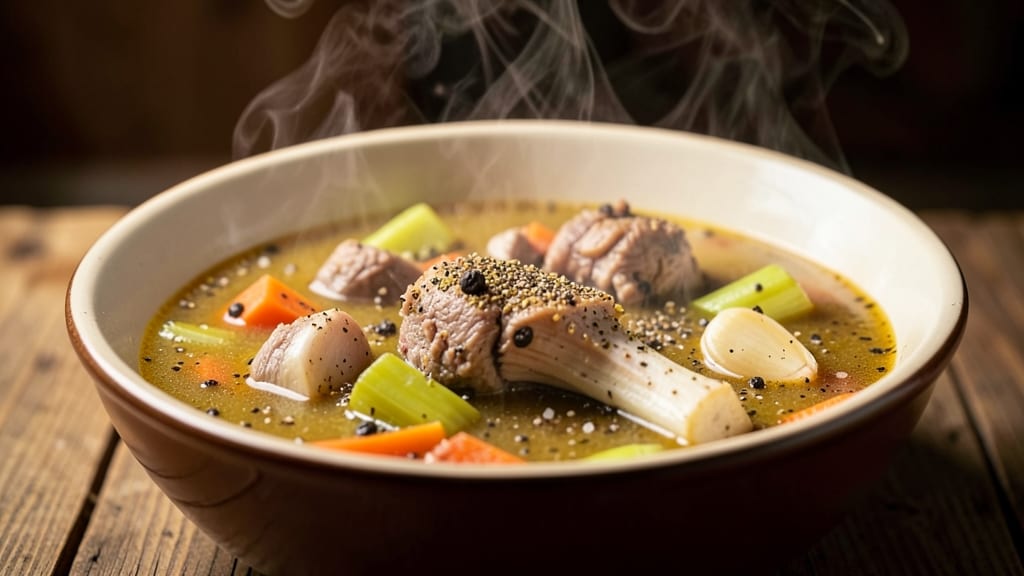
Mastering Uzbek-style goat head soup transforms a humble bone broth into a nutrient-dense centerpiece of Central Asian cuisine, where every spoonful carries tradition and healing properties.
The process begins with meticulous preparation—cleaning the goat head thoroughly to remove impurities before simmering it for hours, extracting collagen-rich gelatin that thickens into a velvety broth. This isn’t just soup; it’s a labor of love, steeped in cultural significance as both a medicinal tonic and celebratory dish.
The key to success lies in patience and precision: 4+ hours of simmering at low heat unlocks deep umami flavors while tenderizing the meat into bite-sized morsels.
Traditional recipes often include aromatic spices like cumin and coriander, but the real magic happens in the slow reduction of the broth, which intensifies its savory depth. Safety is critical—always handle raw meat with gloves and sanitize surfaces thoroughly to prevent contamination.
What you’ll achieve is a rich, golden broth with tender meat that practically melts in your mouth, served steaming hot in deep bowls. The gelatinous texture coats your palate, while the meat—now fall-off-the-bone tender—adds hearty substance.
This dish is a staple for gatherings, but its nourishing properties make it perfect for recovery meals too.
Pair it with flatbread or fresh herbs for a complete meal, or store leftovers in the fridge for up to 5 days. The broth freezes beautifully, allowing you to recreate restaurant-quality results anytime. Let’s begin with the foundational steps that make this recipe unforgettable.
Ingredients for goat head soup
Sixteen ingredients transform humble bones into Uzbek-style broth gold, rich with tradition and healing depth.
| Ingredient | Amount | Notes |
|---|---|---|
| Goat Head 🐐 | 1 whole | Fresh, cleaned thoroughly |
| Goat Leg Bones 🦴 | 2 lb | Cut into 3-inch pieces |
| Yellow Onions 🧅 | 3 whole | Quartered, skins on |
| Garlic Cloves 🧄 | 8 cloves | Smashed, skins on |
| Carrots 🥕 | 4 whole | Large, cut into chunks |
| Celery Stalks 🌿 | 4 whole | Cut into 2-inch pieces |
| Fresh Cilantro Roots 🌱 | 2 whole | Including stems, chopped |
| Ground Cumin 🌶️ | 2 tsp | Freshly toasted preferred |
| Ground Coriander 🌿 | 1 ½ tsp | Freshly ground preferred |
| Black Peppercorns 🌶️ | 1 tbsp | Crushed, not ground |
| Salt 🧂 | 1 ½ tsp | Diamond Crystal kosher |
| Fresh Dill 🌿 | ¼ cup | Chopped, stems included |
| Fresh Parsley 🌿 | ¼ cup | Chopped, flat-leaf preferred |
| Apple Cider Vinegar 🍎 | ½ cup | For initial cleaning |
| Olive Oil 🫒 | ¼ cup | Extra-virgin for searing |
The goat head is the soul of this dish—source it from a trusted butcher who handles game meat regularly. Look for vibrant, pinkish hues and avoid any with a strong ammonia smell. If you can't find goat, lamb head or beef marrow bones work in a pinch, but the gelatinous texture won't be identical. The bones should be cracked open to release marrow—Costco or specialty ethnic markets often carry pre-cracked options. For the spices, Penzeys or bulk bins at Whole Foods offer the freshest ground varieties. Toast your cumin and coriander in a dry pan for 30 seconds before adding to deepen their aroma—trust me, it makes all the difference.
No goat head? Substitute with 3 lbs lamb neck bones, though the broth will be slightly lighter. Running short on fresh herbs? Dried dill at one-third the amount works, but fresh is ideal. The vinegar is non-negotiable for cleaning—apple cider vinegar cuts through impurities better than white vinegar. For the aromatics, leeks or fennel can replace half the onions if needed. The olive oil matters here—use something with a high smoke point like avocado oil if searing the bones. And if you're worried about the goat head's smell, soak it in cold water with a bay leaf for 30 minutes before cooking.
This broth gets better with time—4+ hours of simmering is minimum for maximum flavor. Store in airtight containers in the fridge for up to 5 days, or freeze for 3 months. The gelatinous texture thickens as it cools, so reheat gently on low. I always make double batches—one for immediate use, one to freeze for quick meals. The meat will pull away from the bones beautifully once fully cooked, making it easy to strain or serve as-is for a heartier presentation. The broth freezes beautifully in ice cube trays for portion control later.
Why You'll Love This Recipe
- One-Pot Wonder: I swear by this—just toss the goat head and bones into a pot with onions, garlic, and carrots, cover with water, and let it simmer. No chopping, no fuss, just pure, hands-off magic while the flavors develop.
- Umami Bomb: That goat head isn’t just for show—it’s the secret weapon. When it renders down, the broth turns rich and deeply savory, with the bones adding a melt-in-your-mouth texture. Honestly, the first sip makes you forget about store-bought stock.
- Leftovers That Shine: This soup only gets better the next day. The flavors meld into something even more complex, and reheating it is a breeze. I’ve had it for breakfast with rice, lunch with a side of plantains—it’s my go-to for lazy days.
- Budget Feast: Goat is often cheaper than beef or chicken, and you’re using the whole animal—head, bones, everything. For the price of one fancy cut, you get a whole pot of soulful, hearty soup that feeds a crowd without breaking the bank. (Yes, even on a Tuesday night.)
Step-by-step instructions for Uzbek-style goat head soup
Transform humble ingredients into deeply flavorful Uzbek bone broth with this precise method.
Prepare and Clean the Goat Head
Begin by thoroughly cleaning the 1 whole goat head under cold running water, ensuring all blood and debris are removed. This is crucial for preventing off-flavors in your broth. Use a sharp knife to carefully remove any remaining meat from the bones, discarding it for other uses or compost. The bones should be clean and white when finished.
Place the cleaned goat head in a large stockpot and cover it completely with the 0.5 cup apple cider vinegar. Bring to a boil over high heat, then immediately reduce to a simmer for 10 minutes. This vinegar bath helps extract impurities and prepares the bones for the long cook. Drain and rinse the goat head thoroughly under cold water before proceeding.
Sear the Bones and Build the Aromatic Base
Heat a large Dutch oven over medium-high heat and add the 0.25 cup olive oil. Working in batches, carefully sear the 2 lb goat leg bones (cut into 3-inch pieces) until deeply golden brown on all sides, about 5-7 minutes per batch. This step develops rich, caramelized flavors that form the foundation of your soup.
Remove the seared bones and set aside. In the same pot, add the quartered 3 whole yellow onions with skins on, the 4 whole carrots cut into chunks, and the 4 whole celery stalks cut into 2-inch pieces. Sauté until the vegetables begin to soften and release their natural juices, about 5 minutes. Add the smashed 8 cloves garlic cloves (skins on) and cook for another 30 seconds until fragrant.
Combine All Ingredients and Simmer
Return the seared goat bones and goat head to the pot. Add 12 cups of cold water (enough to cover all ingredients by about 2 inches). Bring to a rolling boil, then immediately reduce heat to maintain a gentle simmer. Skim off any foam or impurities that rise to the surface during the first 30 minutes of cooking.
Add the 2 tsp ground cumin, 1.5 tsp ground coriander, 1 tbsp crushed black peppercorns, and 1.5 tsp salt. Stir well to combine. The broth should smell rich and aromatic—like a combination of earthy spices and sweet caramelized bones. Cover the pot and let it simmer gently for 3 hours, maintaining a steady temperature.
Add Vegetables and Herbs for Depth
After 3 hours of simmering, add the chopped 2 whole fresh cilantro roots (including stems) to the pot. This adds a bright, herbal note that balances the richness of the bones. Continue simmering uncovered for another 2 hours, until the broth has reduced slightly and the flavors have melded together.
In the final 30 minutes of cooking, stir in the 0.25 cup chopped fresh dill and 0.25 cup chopped flat-leaf parsley. These herbs should infuse the broth with their vibrant flavors without overpowering the delicate bone broth essence. The soup is ready when the meat easily pulls away from the bones and the broth has a velvety texture.
Strain and Serve
Carefully strain the soup through a fine-mesh sieve or cheesecloth-lined colander, pressing gently on the solids to extract all the flavorful liquid. Discard the bones and vegetables, or save them for another use if desired. The resulting broth should be deep amber in color with a rich, complex aroma that fills your kitchen.
Taste and adjust seasoning with additional salt or pepper if needed. Serve the Uzbek-style goat head soup hot, ladled over steamed rice or flatbread, and garnished with extra fresh herbs. This nourishing broth captures the essence of Uzbek home cooking, delivering deep umami flavors in every spoonful.
Pro Tips For Making Goat Head Soup
- Blister the Onions: Start with a dry, screaming-hot pot—no oil needed—and let those yellow onions char until the edges blacken slightly before adding anything else. I used to rush this, and the soup never got that deep, caramelized backbone. Take your time here; the flavor payoff is huge.
- Parboil the Goat Head: Drop the goat head in boiling water for 10 minutes first, then shock it in ice water. This loosens the connective tissue so it breaks down cleaner during the long simmer—no more chewing through tough bits. (Yes, it’s extra work, but your jaw will thank you.)
- Skip the Crowding: Add carrots and garlic in stages—don’t dump them all in at once. If you crowd the pot, the carrots steam instead of caramelize, and the garlic burns before it infuses. Layer them in: carrots first, garlic later, like you’re building a flavor tower.
- Simmer Low and Long: Once the broth is bubbling, turn the heat to the lowest setting you can tolerate and walk away. Goat bones need 3–4 hours to render their marrow; rushing this turns the soup into a sad, watery broth. Set a timer and let it do its thing—no peeking.
Serving suggestions for leftovers
Traditional Serving Style
In Uzbekistan, this goat head soup is traditionally served in deep, earthenware bowls called tandyr—though any sturdy ceramic or stoneware bowl will work. The broth is ladled over steamed basmati rice or flatbread (like lepinya) to create a hearty, filling meal.
I always serve mine with a side of pickled vegetables to cut through the richness—think cucumbers, carrots, and radishes in a tangy vinegar brine. 🥣
Herb Garnishes
Fresh herbs elevate the dish at the table. I scatter chopped flat-leaf parsley and dill over each serving for a burst of color and brightness. For extra flair, add a drizzle of high-quality olive oil or a sprinkle of toasted cumin seeds just before serving.
These finishing touches make the soup feel restaurant-worthy while keeping it simple. 🌿
Bread Pairings
No Uzbek meal is complete without bread. Fresh naan or lavash are ideal—their soft, pillowy texture soaks up the flavorful broth beautifully. For a rustic touch, serve with crusty sourdough or pita bread warmed in the oven.
I often tear the bread into pieces and place it directly in the bowl for easy dipping. 🍞
Modern Twists
For a contemporary twist, serve the soup with roasted potatoes or sautéed mushrooms on the side. A sprinkle of crumbled feta cheese adds a salty contrast, while avocado slices bring a creamy element.
I’ve also seen it paired with grilled lamb chops for a full-course meal. These additions make the dish feel fresh while honoring its roots. 🥔
Leftovers Strategy
This soup tastes even better the next day! Store leftovers in airtight containers in the fridge for up to 5 days or freeze for 3 months. To reheat, warm gently on the stovetop over low heat—never microwave, as it can break down the gelatinous texture.
I often repurpose the broth into soup-based stews or use it as a base for risotto or grain bowls. ❄️
Cultural Etiquette
In Uzbek tradition, the host serves the soup first, symbolizing hospitality. Guests are encouraged to eat heartily, as the dish is believed to restore health and vitality. For a special occasion, present the soup in a copper or brass bowl—these metals are thought to enhance the broth’s flavor.
Always serve with a warm smile and a toast of green tea or fermented mare’s milk (kumis). 🥖
Nutrition facts
Frequently asked questions
Why do I need to simmer goat head soup for so long?
The extended 4+ hour simmering is essential to extract collagen from the bones, creating a rich, gelatinous texture that defines traditional Uzbek bone broth. This slow process also tenderizes the meat and develops deep umami flavors that can't be achieved through quick cooking methods. Patience is key for that signature velvety consistency!
Can I substitute goat head with other bones?
While goat head provides unique gelatinous richness, you can use lamb neck bones or beef marrow bones as substitutes. For best results, use 3 lbs of bones to maintain similar volume. However, the broth will be slightly lighter in texture compared to traditional goat head soup.
How do I remove the strong smell from goat head?
The 0.5 cup apple cider vinegar soak before cooking is crucial for neutralizing odors. After the initial 10-minute boil, rinse thoroughly under cold water. For extra freshness, add fresh herbs like parsley and dill in the final cooking stages—they'll brighten the flavor profile while masking any lingering gamey notes.
What's the best way to store leftover broth?
Store in airtight containers in the fridge for 5 days or freeze for 3 months. For freezing, portion into ice cube trays before transferring to bags for easy thawing. Always reheat gently on low heat to preserve the gelatinous texture—never microwave, as it can break down the collagen.
Can I make this soup in an Instant Pot?
Yes! Use the "High Pressure" setting for 2 hours after searing the bones and building the base. The pressure cooker reduces cooking time while still extracting flavors. However, the texture will be slightly less gelatinous than traditional stovetop methods. For best results, finish with an additional 30-minute simmer on the stovetop after pressure cooking.