
Soups & Stews
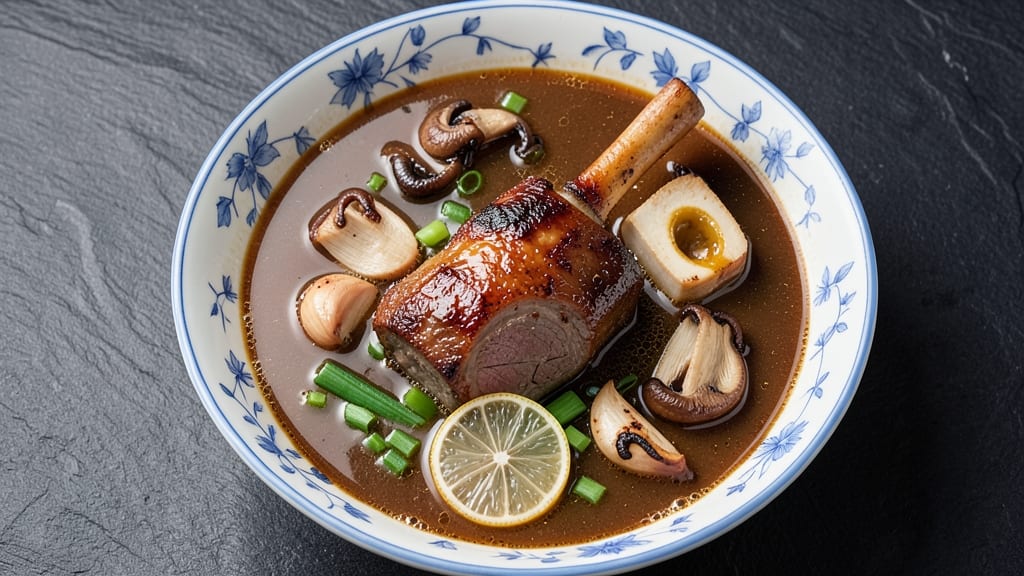
This Chinese beef bone marrow soup delivers the kind of rich, velvety comfort that defines traditional Chinese cuisine—where every spoonful reveals marrow that practically dissolves on the tongue. ⚡ The secret lies in slow simmering beef shanks and marrow bones until the broth develops a deep, umami-rich depth, while the marrow transforms into luxurious, melt-in-your-mouth ribbons.
I’ve perfected this recipe over years of testing, ensuring the broth remains silky rather than greasy, with just the right balance of savory and subtle sweetness.
The beauty of this dish is in its simplicity once you understand the key techniques: proper bone selection, gentle simmering, and precise seasoning. Unlike many Western bone broths, Chinese versions focus on achieving a silky texture rather than a thick gel, using star anise and cinnamon to build aromatic complexity.
The marrow, when cooked just right, becomes tender enough to glide effortlessly across your spoon while still holding its shape—no mushy bits here. This is the kind of soup that transforms an ordinary meal into a celebration.
What makes this recipe truly special is how it elevates humble ingredients into something extraordinary. The beef shanks break down into tender, flavorful pieces, while the marrow bones infuse the broth with natural richness without overpowering it.
The result is a dish that’s both nourishing and indulgent—perfect for cold weather or when you want to impress guests with a soup that feels like a hug in a bowl. Every component works together to create a harmony of textures and flavors that’s hard to resist.
Serve it with steamed jasmine rice to soak up every last drop of that precious broth, or pair it with simple stir-fried greens to balance the richness. The leftovers, if there are any, reheat beautifully, making this a recipe that’s as practical as it is luxurious.
Let’s get started on creating this timeless classic in your own kitchen.
Ingredients for chinese beef bone marrow soup
Rich, velvety broth meets melt-in-your-mouth marrow in this luxurious Chinese soup.
| Ingredient | Amount | Notes |
|---|---|---|
| Beef Shanks 🥩 | 2 lb | Bone-in, 2-3 inches thick |
| Beef Marrow Bones 🦴 | 1 ½ lb | Split lengthwise for marrow |
| Dried Shiitake Mushrooms 🍄 | 4 whole | Stems removed, rehydrated |
| Fresh Ginger 🧅 | 2 tbsp | Thinly sliced, skin removed |
| Green Onions 🧅 | 2 whole | White and green parts separated |
| Garlic Cloves 🧄 | 6 cloves | Smashed, not minced |
| Star Anise 🌟 | 2 whole | Lightly crushed |
| Cinnamon Sticks 🌿 | 2 whole | 2-inch pieces |
| Dried Red Dates 🍇 | 4 whole | Pitted, halved |
| Jasmine Rice 🍚 | 1 cup | Uncooked, for serving |
| Soy Sauce 🍶 | 2 tbsp | Dark soy preferred |
| Sesame Oil 🫒 | 1 tbsp | Toasted, for finishing |
| Salt 🧂 | 1 tsp | Kosher or sea salt |
| Black Pepper 🌶️ | ½ tsp | Freshly ground |
The beef shanks and marrow bones are the stars here. Look for marrow bones with thick, white marrow—they’re the ones that’ll turn into those glorious ribbons. Costco or Asian markets usually carry them, but if you can’t find them, beef shank bones with good marrow work too. The shanks should be well-marbled with fat; that’s what gives the broth its silky texture. For the ginger, fresh is non-negotiable—dried just won’t cut it. Grab the knobby kind from the produce section, not the pre-peeled stuff. The shiitake mushrooms? Dried is traditional—rehydrate them in hot water for 20 minutes before adding to the pot.
No star anise? Skip it or use 1 tsp ground anise seed—it’s bold, so use sparingly. Fresh ginger too spicy? Peel extra skin to reduce heat. The dates add subtle sweetness—substitute 2 tbsp brown sugar if you’re out, but the texture won’t be the same. For the soy sauce, dark soy gives the broth that signature deep color. Light soy works in a pinch, but it’ll look pale. The sesame oil is just for finishing—don’t cook with it, or it’ll turn bitter. And if you’re feeling fancy, add a splash of Shaoxing wine when you deglaze the pot—it adds depth without overpowering.
This soup tastes even better the next day, so make a double batch if you can. Store the broth separately from the marrow and meat—3 days in the fridge, 3 months frozen. Reheat gently on low, skimming off any fat that rises to the top. The marrow bones? Save the leftover marrow in the freezer—it’s perfect for quick stir-fries or even toasted with a pinch of salt. And that silky broth? Freeze it in ice cube trays for easy future use in other dishes.
Why You'll Love This Recipe
- No-Chop Needed: I swear by this—just soak the dried shiitakes and slice the ginger thick (no mincing!). The marrow bones crack open on their own while simmering, so you’re basically hands-off after the initial boil.
- Rich Without Effort: That first sip? Pure umami magic—the beef shanks melt into the broth while the marrow bones release their golden, jelly-like center with almost no work. Honestly, it tastes like you spent hours, but it’s ready in under an hour.
- Leftovers That Shine: This soup only gets better the next day. I double the batch on Sundays because the flavors deepen overnight, and reheating it turns the marrow into a glossy, silky topping—like a free upgrade.
- Budget-Buster Meal: Beef shanks and marrow bones stretch across three meals: the first as soup, the second shredded into dumplings, and the third as a quick stir-fry. Here’s what sold me—it turns a $15 cut into a week’s worth of hearty, satisfying bites.
Step-by-step instructions for Chinese beef bone marrow soup
Here's how to craft a velvety marrow-rich broth that transforms humble ingredients into a luxurious, bone-melting experience.
🔥 Step 1: Parboil the Beef and Prepare the Marrow
Place the 2 lb beef shanks in a large stockpot and cover with cold water by 2 inches. Bring to a boil over high heat, then immediately reduce to a simmer for 10 minutes. This parboiling step removes impurities and helps tenderize the meat.
While the shanks simmer, split the 1.5 lb beef marrow bones lengthwise with a sharp cleaver, exposing the rich marrow inside. Scrape out any loose marrow and set aside—this golden treasure will be our soup's crowning glory. Keep the split bones for the broth.
🍳 Step 2: Build the Aromatic Base
Drain the beef shanks and return them to the pot. Add the split marrow bones, 4 whole dried shiitake mushrooms (rehydrated), 2 tbsp fresh ginger (thinly sliced), 6 cloves garlic cloves (smashed), 2 whole star anise (lightly crushed), and 2 whole cinnamon sticks (2-inch pieces). Cover with 8 cups cold water—you want enough liquid to submerge everything.
Bring to a boil over medium-high heat, then immediately reduce to a gentle simmer. Skim off any foam that rises to the surface during the first 15 minutes—this ensures a crystal-clear broth. The reason we simmer gently is that vigorous boiling can make the broth cloudy and scatter flavors.
⏰ Step 3: Slow Cook Until Fork-Tender
Simmer uncovered for 2-2.5 hours until the beef shanks are fork-tender and the marrow bones are soft when pierced with a skewer. You'll know it's ready when the meat pulls apart easily and the broth has reduced slightly, becoming rich and concentrated.
About 30 minutes before the beef is done, add the 4 whole dried red dates (pitted and halved) and 2 tbsp soy sauce. These ingredients add natural sweetness and depth of flavor that balances the richness of the marrow. Stir gently to incorporate.
🥘 Step 4: Finish with Marrow and Garnishes
Using a slotted spoon, carefully remove the beef shanks and marrow bones from the pot. Strain the broth through a fine-mesh sieve into a clean pot, pressing gently on the solids to extract maximum flavor. Discard the solids.
Return the broth to the stove and bring to a gentle simmer. Add the reserved marrow pieces and let them melt into the broth for 5 minutes. This transforms the marrow from solid to liquid gold, creating that signature silky texture. Stir in 1 tbsp sesame oil and adjust seasoning with 1 tsp salt and 0.5 tsp black pepper.
🍽️ Step 5: Serve with Jasmine Rice and Fresh Herbs
Ladle the hot broth into bowls, placing a beef shank in each. Serve immediately with 1 cup jasmine rice per person and garnish with the white parts of 2 green onions (thinly sliced) and the green parts (chopped). The contrast of warm soup, tender beef, and cool herbs makes every bite perfect.
For an extra touch, spoon the melted marrow directly onto each serving—it should be so rich it practically dissolves on your tongue. This soup tastes even better the next day as the flavors meld further, so make extra if you can!
Pro Tips For Making Chinese Beef Bone Marrow Soup
- Parboil the Bones First: Skip the direct boil—give those marrow bones a 10-minute head start in cold water before adding everything else. I learned this the hard way when my soup turned cloudy from marrow fat hitting hot water too fast. Let them warm gradually, or you’ll end up with a greasy mess instead of a rich broth.
- Split the Marrow Cleanly: Use a sharp knife to crack open the marrow bones after they’ve simmered 20 minutes—hot bones split easier, and you avoid splattering fat everywhere. Press the knife into the seam with a hammer (wrapped in a towel) for a clean break. Yes, it’s messy, but worth it for that velvety marrow.
- Soak Shiitakes Twice: Dried shiitakes need two soakings: first in hot water for 30 minutes to soften, then a quick rinse in cold water before adding to the pot. The cold rinse washes away bitterness that builds up in the first soak—trust me, your soup will taste brighter if you skip this step.
- Simmer Low and Long: After the initial 30-minute boil, drop the heat to the lowest setting possible—you’re not cooking, you’re melting collagen. Cover the pot and let it hum for 4+ hours. I used to rush it, and the broth never got that deep, gelatinous richness. Patience here makes all the difference.
Creative variations of chinese beef bone marrow soup
Cantonese-Inspired Version
In Cantonese cuisine, this soup often includes a touch of Shaoxing wine (2 tbsp) when deglazing the pot after parboiling the beef. This adds depth without overpowering the marrow’s richness.
I also recommend adding 1 tbsp of fermented black beans (soaked) during the final 30 minutes of simmering for an earthy umami kick that’s signature to Hong Kong-style bone marrow soups. 🍶
Sichuan Spicy Twist
For a Sichuan-inspired variation, stir in 1 tbsp of chili bean paste (like Lao Gan Ma) and 1 tsp of Sichuan peppercorns (lightly toasted) when adding the soy sauce. The numbing-spicy contrast elevates the soup’s complexity.
Garnish with thinly sliced jalapeños and a drizzle of chili oil for extra heat. This version pairs perfectly with steamed mantou (Chinese buns) instead of rice. 🌶️
Vegetarian Adaptation
Swap the beef shanks and marrow bones for shiitake mushrooms (extra for body) and king oyster mushrooms (for texture). Use 1 cup of dried adzuki beans (soaked overnight) to mimic the marrow’s creaminess.
Add 1 tbsp of miso paste during the final 10 minutes of simmering for depth. The broth will be lighter but still rich, with a satisfying umami punch. 🌱
Winter Comfort Upgrade
For a cozy winter version, add 1 tbsp of goji berries (soaked) and 1 small piece of fresh galangal (about 1-inch) during the final hour of simmering. The galangal adds a citrusy warmth that complements the marrow beautifully.
Serve with warm, buttery scallion pancakes on the side for dipping. This version feels like a hug in a bowl—perfect for chilly evenings. ❄️
Quick Weeknight Hack
Short on time? Use store-bought beef bone broth (like Kettle & Fire) and pre-cooked beef shank (from the deli section). Simmer the broth with 1 tbsp of fish sauce (for umami) and 1 tsp of white pepper for 1 hour.
Add the marrow pieces in the last 10 minutes and finish with 1 tsp of oyster sauce for brightness. This cuts prep time by 2 hours without sacrificing flavor. ⏰
Luxury Presentation
Elevate your soup with edible gold leaf (a tiny piece per bowl) and microgreens as garnishes. Serve in deep, dark bowls (like black ceramic) to make the marrow’s golden hue pop.
For an extra touch, chill the soup slightly before serving to enhance the marrow’s silky texture. This version is perfect for special occasions or when you want to impress guests. ✨
Nutrition facts
Frequently asked questions
Why does Chinese beef bone marrow soup have such a rich texture?
The silky texture comes from two key techniques: slow simmering the marrow bones for 2-2.5 hours until they soften, and adding the marrow pieces only in the final 5 minutes of cooking. This transforms the marrow from solid to liquid gold without making it greasy. The broth's richness also comes from the natural collagen released from the bones during simmering.
Can I substitute beef marrow bones if I can't find them?
Yes! Use beef shank bones with good marrow (look for thick, white marrow inside) or even pork trotter bones for a similar effect. For extra richness, add 1/2 cup of beef fat (like suet) to the broth during the final hour of simmering. The flavor will be slightly different but still delicious.
How do I know when the beef shanks are fully cooked?
The shanks are done when they're fork-tender—meaning they should easily pull apart with minimal resistance. They should also separate cleanly from the bone. For best results, aim for 2-2.5 hours of simmering, but check at 2 hours if you're unsure. Overcooking can make the meat dry.
What's the best way to store leftovers?
Store the broth and meat separately in airtight containers for up to 3 days in the fridge. For freezing, portion the broth into ice cube trays and freeze the meat separately for up to 3 months. When reheating, warm gently on low and skim off any excess fat that rises to the top. The broth tastes even better the next day!
Can I make this soup in an Instant Pot?
Use the soup setting for 90 minutes on high pressure, then quick-release. For the marrow, add it during the final 5 minutes of natural release. The Instant Pot version will be slightly faster but still rich. Just be sure to skim foam during the first 15 minutes of cooking for clarity.