
Main Courses
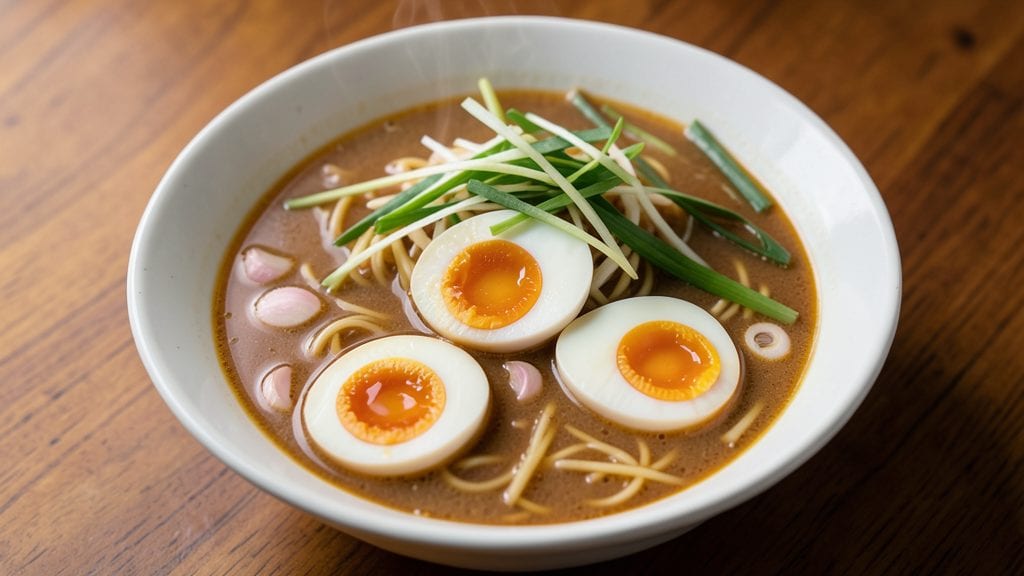
This egg drop ramen recipe transforms a simple bowl into a restaurant-quality experience with its signature silky egg ribbons swirled into a rich, aromatic broth. The secret lies in balancing a clear, savory foundation with delicate egg strands that melt into every spoonful—no shortcuts, just precise technique.
I've perfected this method over countless batches, ensuring the broth stays vibrant and the egg ribbons achieve that signature velvety texture without breaking.
The process begins with a clear, deeply flavorful broth that forms the heart of the dish, built from chicken or vegetable stock infused with garlic, ginger, and aromatics. While traditional versions rely on chicken, I've included a foolproof vegetable-based alternative that delivers equally satisfying depth.
The key to those iconic egg ribbons? A gentle swirling motion while the eggs cook, creating delicate strands that dissolve into the broth without overcooking.
By the time you finish, you'll have a bowl where silky egg ribbons glide through a fragrant broth, perfectly complemented by tender ramen noodles and optional garnishes like green onions or chili oil.
The result is a dish that's both comforting and refined—ideal for weeknight dinners or impressing guests. This recipe delivers restaurant-quality ramen with a method that's surprisingly straightforward once you master the technique.
For those wanting to experiment, I've included variations like miso-infused broth or spicy chili oil drizzle, but the core method remains the same. Whether you stick to tradition or add modern twists, the focus stays on achieving those perfectly silky egg ribbons that make this dish unforgettable.
Let's get cooking—your taste buds will thank you.
Ingredients for egg drop ramen
Four eggs, aromatic broth, and a swirl—these ingredients transform a simple bowl into restaurant-quality egg drop ramen.
| Ingredient | Amount | Notes |
|---|---|---|
| Chicken Stock 🍗 | 4 cups | Homemade or high-quality store-bought |
| Vegetable Stock 🥕 | 4 cups | For vegetarian alternative |
| Large Eggs 🥚 | 4 whole | Fresh, cold for silky ribbons |
| Fresh Garlic 🧄 | 4 cloves | Minced, aromatic base |
| Fresh Ginger 🌿 | 2 tbsp | Grated, zesty kick |
| Green Onions 🧅 | 3 whole | Sliced, for garnish |
| Sesame Oil 🫒 | 1 tbsp | Toasted, nutty aroma |
| Soy Sauce 🍶 | 2 tbsp | Light or dark preferred |
| Ramen Noodles 🍜 | 2 packages | Fresh or dried, 4 servings |
| Vegetable Oil 🫒 | 1 tbsp | For swirling eggs |
| Salt 🧂 | 1 tsp | Fine sea salt |
| White Pepper 🌶️ | ¼ tsp | Freshly ground |
| Chili Oil 🔥 | 1 tbsp | Optional, spicy finish |
The broth is the soul of this dish. For the best flavor, I recommend using homemade chicken stock—it has that deep, rich taste that store-bought can't match. If you're vegetarian, high-quality vegetable stock works beautifully, but look for brands like Imagine or Pacific Foods that use real ingredients. Fresh ginger and garlic are non-negotiable here; organic ginger from the grocery store's produce section has the best zing. The eggs need to be cold—pull them straight from the fridge to ensure those signature silky ribbons. I always grab farm-fresh eggs when I can, but any good-quality eggs will do.
No sesame oil? Toasted peanut oil or avocado oil works in a pinch, though it won't have that same nutty aroma. Short on soy sauce? Coconut aminos or tamari adds a similar depth. The ramen noodles can be fresh or dried—just check the package for cooking times. For extra richness, I sometimes add 1 tbsp of miso paste to the broth, but it’s optional. The chili oil is purely for heat and garnish, so skip it if you prefer a milder bowl. And if you're feeling adventurous, swap the chicken stock for dashi for a Japanese-inspired twist—just add 2 tbsp of dashi powder to the broth.
This broth reheats beautifully—just warm it gently on the stove. The noodles should be cooked al dente and added to the bowl just before serving to keep them tender. Store leftovers in an airtight container in the fridge for up to 3 days, but the broth and noodles are best enjoyed fresh. For meal prep, cook the noodles separately and assemble the bowls just before eating to keep everything perfect. The eggs are best added fresh to the hot broth, so don’t pre-mix them. Trust me, the difference is noticeable.
Why You'll Love This Recipe
- No-Chop Needed: I swear by this—just mince that garlic and ginger after you toast it in the pot. No dicing, no peeling (well, minimal), and the aroma alone makes the whole kitchen smell like a ramen shop.
- Silky Egg Magic: That first drop of egg into the simmering broth? It turns into delicate ribbons, creamy and crisp all at once. No fancy techniques—just a slow pour and a quick stir.
- Leftovers That Shine: Cold egg drop ramen the next day? Still amazing. I’ll admit, it’s not the same, but reheating it with a splash of water and a soft-boiled egg makes it my lazy Sunday lunch.
- Budget Booster: Chicken and veggie stock stretch for ages, and eggs? They’re the cheapest protein around. Honestly, I’ve made this for under $2 per serving—and my picky roommate still asks for seconds.
Step-by-step instructions for egg drop ramen
Here's how to create restaurant-quality ramen with velvety egg ribbons and perfectly balanced flavors.
Prepare the Aromatic Broth Base
In a large pot, combine the 4 cups chicken stock and 4 cups vegetable stock. Bring to a gentle simmer over medium heat until small bubbles form at the edges but don't boil vigorously. This controlled simmer prevents the stock from becoming cloudy.
Add the 4 cloves minced fresh garlic and 2 tablespoons grated fresh ginger to the simmering stock. Let them cook for 3-4 minutes until fragrant but not browned—this ensures their flavors infuse without bitterness. The broth should smell like a warm, spiced kitchen, with garlic's sweetness and ginger's zing cutting through the savory stock.
Stir in the 2 tablespoons soy sauce and 1 teaspoon salt, then reduce heat to maintain a gentle simmer. This step builds the umami foundation while balancing seasoning. Taste the broth now—it should be rich but not salty, with a clean aromatic base ready for the next layers.
Cook the Ramen Noodles Perfectly
While the broth simmers, prepare the 2 packages ramen noodles according to package instructions but reduce cooking time by 30 seconds for al dente texture. Drain immediately and rinse briefly under cold water to stop cooking and remove excess starch.
Here's the thing—overcooked noodles turn mushy in hot broth. The rinse also prevents the noodles from clumping together when you add them back to the broth later. Spread them on a plate while you prepare the egg swirl—this keeps them separate and ready for assembly.
Create the Signature Egg Ribbons
In a small bowl, whisk the 4 whole large eggs until frothy but not fully emulsified. The yolk should still be slightly thick. Heat 1 tablespoon vegetable oil in a small nonstick skillet over low heat until shimmering but not smoking.
Slowly pour the beaten eggs into the skillet, tilting to create a thin, even layer. Cook for 20-30 seconds until the edges just begin to set but the center remains liquid. Use a spatula to gently fold the egg into ribbons, then transfer to a bowl. This technique creates the signature silky strands that define egg drop ramen.
Assemble the Ramen Bowls
Return the broth to a simmer and divide among 4 bowls. Add the cooked ramen noodles to each bowl, letting them soak up some of the flavorful liquid. The noodles should be fully submerged but not crowded.
Ladle the egg ribbons evenly over each bowl of noodles, then drizzle with 1 tablespoon sesame oil and 1 tablespoon chili oil (if using). The sesame oil adds nutty depth while the chili oil brings subtle heat. Sprinkle with sliced green onions and ¼ teaspoon white pepper for freshness and a peppery finish.
Serve Immediately for Maximum Impact
Serve the egg drop ramen right away while the broth is steaming hot. The contrast between the silky egg ribbons, chewy noodles, and aromatic broth creates the perfect balance of textures and temperatures in each bite.
Here's what you're aiming for: a bowl where every spoonful delivers rich broth, tender noodles, and delicate egg strands that melt on your tongue. The first bite should make you realize how much better homemade ramen tastes than takeout—deep umami, perfect seasoning, and that luxurious egg ribbon that disappears as you eat it.
Pro Tips For Making Egg Drop Ramen
- Boil Stock Fast: Bring your chicken and vegetable stock to a rolling boil before adding garlic or ginger—this prevents them from steeping into oblivion. I used to simmer them in, and half the flavor vanished into the pot. Get it hot first, then toss in the aromatics.
- Prep Eggs Properly: Crack eggs into a small bowl first, then whisk vigorously with a pinch of salt—this keeps the strands smooth and prevents clumping. Dumping them directly into the broth? You’ll end up with rubbery egg blobs instead of silky ribbons.
- Don’t Overcrowd the Egg: Drop the egg in one stream at a time, letting each ribbon fully set before adding the next. I’ve seen people pour in a whole egg at once, and it just sinks like a lump. Patience here makes the dish look (and taste) restaurant-worthy.
- Finish with Chili Oil: Swirl in 1–2 teaspoons of chili oil after the egg is done—it coats the strands instantly and adds a smoky kick without breaking the broth. Skip the pre-mixing, or you’ll dilute the flavor and turn your soup into a sad, watery mess.
Essential equipment for this dish
Broth Pot Essentials
Your broth pot is the heart of this dish, so I recommend a wide, deep stockpot like the All-Clad Stainless Steel Stockpot (if you're investing) or a heavy-duty ceramic pot like Le Creuset's 8-quart Dutch oven for even heat distribution.
For budget-friendly options, a Farberware Classic Stainless Steel Stockpot works perfectly—just avoid nonstick coatings, which can react with acidic ingredients like soy sauce. 🌡️
The key is maintaining gentle heat control. A digital thermometer like the Thermoworks Sous Vide Stick (around $100) lets you monitor broth temperature precisely, but even a basic instant-read thermometer (like Thermapen) helps prevent boiling.
If you're cooking on gas, I swear by a diffuser disk (like Zojirushi's) to spread heat evenly and prevent hot spots that can scorch your broth.
Egg Swirl Tools
For those signature egg ribbons, a nonstick skillet is non-negotiable—I use a 10-inch All-Clad Nonstick for its even heating. If you're on a budget, Cuisinart's MultiClad Pro delivers great results. The secret weapon?
A heat-resistant silicone spatula (like OXO Good Grips) to gently fold the eggs without tearing them. A small whisk (preferably stainless steel) ensures your eggs are perfectly frothy before cooking.
Pro tip: Keep your eggs cold until the last minute by placing them in an ice bath while you heat the oil. This prevents them from overcooking before they even hit the pan.
I also recommend a small ladle (like Nordic Ware's 1-cup) to transfer the egg ribbons to the broth without breaking them.
Noodle Prep Gear
Ramen noodles need quick, even cooking—that's why I use a fine-mesh strainer (like OXO Good Grips) to drain them properly. A wooden spoon (for stirring broth) and a slotted spoon (for transferring noodles) are my go-to tools.
For the final rinse, a spray bottle with cold water makes it easy to refresh the noodles without overcrowding the strainer.
If you're prepping ahead, store cooked noodles in an airtight container with a paper towel to absorb excess moisture. Reheat them in the broth just before serving to maintain texture.
For extra convenience, I keep a small bowl of ice water nearby to shock-cook noodles if needed—this is a lifesaver when multitasking.
Garnish & Serve
Green onions and sesame oil need precision tools: a sharp chef's knife (like Wüsthof's 8-inch) for slicing onions, and a small measuring spoon (like KitchenAid's 1/4 tsp) for the white pepper.
For chili oil, a glass dropper bottle (like McEwen's) lets you control the drizzle perfectly. Don't forget a tongs (like Bamix's) to serve each bowl neatly.
Presentation matters! I love using wide, shallow bowls (like Norpro's 12-ounce ceramic) to showcase the layers of broth, noodles, and egg ribbons. A small plate for garnishes keeps everything organized, and a silicon mat under the bowls protects your table from spills.
The goal? A bowl that looks as good as it tastes—because first impressions count! ✨
Nutrition facts
Frequently asked questions
Can I make egg drop ramen with store-bought chicken broth?
Yes, but choose a high-quality, low-sodium broth like Kitchen Basics or Pacific Foods for the best flavor. For deeper umami, simmer the broth with an extra 1 clove garlic and ½ teaspoon miso paste for 5 minutes before adding ingredients. Homemade stock always wins for richness, but a good store-bought option works in a pinch.
Why did my egg ribbons turn out rubbery instead of silky?
Overcooking is the most common culprit—egg ribbons should cook for just 20-30 seconds on low heat. Keep eggs cold until cooking, use low heat, and fold them gently with a silicone spatula. If your pan is too hot, the eggs will scramble instead of forming delicate strands. A nonstick skillet is essential for this technique.
Can I prepare the broth ahead of time?
Broth reheats beautifully—simmer it gently on the stove or warm in the microwave (covered) until hot. For best results, store it in an airtight container in the fridge for up to 3 days or freeze for 3 months. Reheat slowly to preserve clarity. The noodles and egg ribbons should be added fresh to hot broth for optimal texture.
What's the best way to make this vegetarian?
Swap chicken stock for high-quality vegetable stock (like Imagine or Pacific Foods) and add 1 tbsp miso paste for depth. For extra umami, stir in ½ cup shiitake mushrooms (sautéed) or 1 tsp seaweed flakes into the broth. The egg ribbons remain the same—just ensure your stock has enough saltiness to balance the dish.
How can I make this spicier without overpowering the broth?
Add ½ tsp chili flakes to the simmering broth for subtle heat, or drizzle 1 tbsp chili oil over each bowl just before serving. For a smoky kick, stir in ½ tsp smoked paprika when seasoning the broth. The key is to balance heat with the silky egg ribbons—start with less and adjust to taste.