
Soups & Stews
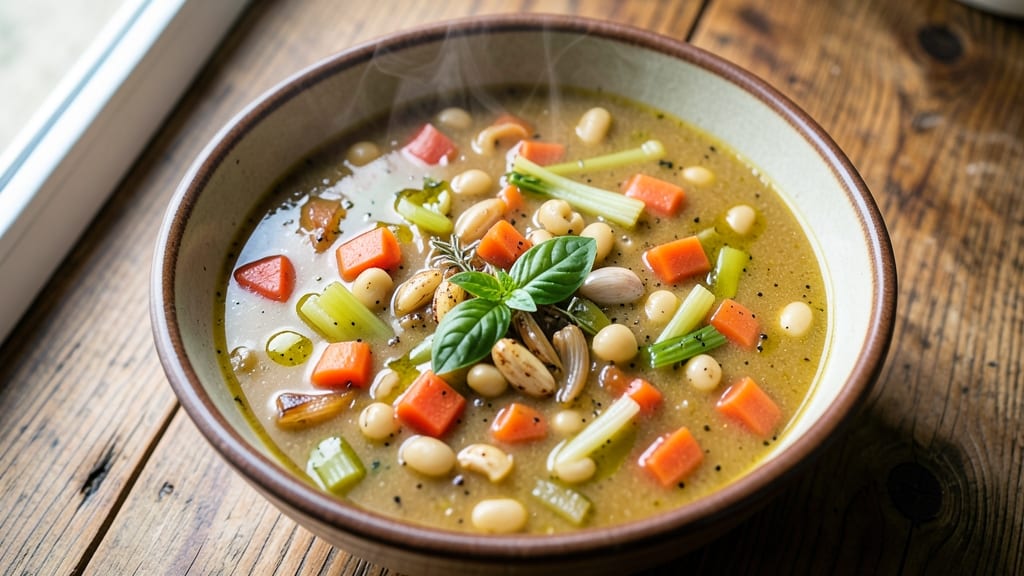
This Cook’s Illustrated minestrone soup recipe proves you can craft restaurant-quality flavor with just pantry staples and vegetables that melt into a deep, savory broth. The secret lies in layering flavors—first with sautéed aromatics, then building depth through slow simmering and strategic seasoning adjustments.
I’ve refined this recipe over years to ensure every spoonful packs both comfort and nutrition, proving that homemade soup can outshine takeout.
The beauty of this version is its flexibility—it’s vegetarian by design but easily adaptable to vegan preferences by omitting cheese or using dairy-free alternatives. Traditional techniques like toasting beans and vegetables before adding them to the broth create a depth of flavor that canned ingredients simply can’t match.
With one-pot simplicity and a 30-minute active prep time, it’s perfect for weeknight dinners or meal prep.
By the time you ladle the first bowl, you’ll taste the harmony of caramelized onions, earthy mushrooms, tender beans, and fresh herbs all melded into a velvety broth. The optional garnish of grated cheese or fresh basil adds a finishing touch that elevates it from everyday soup to something special.
This recipe proves that pantry staples can deliver restaurant-quality results—without the fuss.
Store leftovers in the fridge for up to 5 days, or freeze for 3 months, making it an ideal make-ahead solution for busy schedules. Whether you’re feeding a family or prepping for the week, this minestrone stands up to any occasion while keeping ingredients accessible and flavors bold.
Ingredients for cook's illustrated minestrone soup
Pantry staples and fresh vegetables blend into a rich, savory vegetarian minestrone that rivals restaurant versions.
| Ingredient | Amount | Notes |
|---|---|---|
| Extra-Virgin Olive Oil 🫒 | ½ cup | High-quality, fruity variety preferred |
| Yellow Onions 🧅 | 2 whole | Yellow or red, medium size |
| Garlic Cloves 🧄 | 4 cloves | Freshly peeled, minced |
| Carrots 🥕 | 3 whole | Medium size, peeled and chopped |
| Celery Stalks 🌿 | 4 whole | Fresh, stringy parts trimmed |
| Canned Cannellini Beans 🌱 | 2 cups | Drained and rinsed, 15 oz can |
| Canned Kidney Beans 🌱 | 1 ½ cups | Drained and rinsed, 15 oz can |
| Ditalini Pasta 🍝 | 1 ½ cups | Uncooked, dried pasta |
| Zucchini 🍆 | 1 ½ cups | Diced, medium size |
| Mushrooms 🍄 | 8 oz | Cremini or white, sliced |
| Tomato Paste 🍅 | ½ cup | High-quality, no sugar added |
| Dried Oregano 🌿 | 1 tsp | Italian or Mediterranean blend |
| Dried Basil 🌿 | 1 tsp | Sweet, not perilla |
| Vegetable Broth 💧 | 4 cups | Low-sodium, homemade preferred |
| Parmesan Cheese 🧀 | ½ cup | Freshly grated, for garnish |
| Fresh Basil Leaves 🌿 | ¼ cup | Chopped, for garnish |
| Salt 🧂 | 1 ½ tsp | Diamond Crystal kosher salt |
| Black Pepper 🌶️ | ½ tsp | Freshly ground |
The foundation of this minestrone lies in the aromatic vegetables—yellow onions, carrots, and celery—often called the 'holy trinity' of Italian cooking. For optimal flavor, source fresh, firm vegetables from your local farmers market or well-stocked grocery store like Whole Foods or Trader Joe's. The garlic cloves should be firm and free of sprouts, while the mushrooms should be plump and dry. When selecting canned beans, opt for low-sodium varieties from brands like Bush's or Great Northern—their consistent quality ensures reliable results. The extra-virgin olive oil should have a fruity aroma and peppery finish; California Olive Ranch or Colavita are reliable choices for professional results.
Vegetable broth is the heart of this soup, so homemade is ideal—simmer vegetable scraps with herbs for maximum depth. No time for homemade? Pacific Foods or Imagine brands offer low-sodium options that won't overpower the dish. The dried herbs (oregano and basil) should be stored in airtight containers away from light to preserve their potency. For the tomato paste, avoid brands with added sugar or salt—Barilla or Rao's are excellent choices. Substituting zucchini? Yellow summer squash works equally well, while mushrooms can be swapped for hearts of palm for a different texture. The ditalini pasta should be al dente when cooked—test a piece early to avoid overcooking.
This minestrone maintains its rich flavor for 5 days when refrigerated in an airtight container, with the broth developing even deeper complexity overnight. For longer storage, freeze individual portions in ziplock bags for up to 3 months. The Parmesan cheese should be grated fresh before serving to prevent clumping, while the fresh basil leaves add a bright finish—store them in a sealed container with a damp paper towel to keep them vibrant. Leftovers reheat beautifully on the stove over medium heat, with a splash of vegetable broth to restore moisture. Portion into thermos containers for easy weeknight lunches.
Why You'll Love This Recipe
- One-Pot Magic: I swear by this recipe because it’s literally one pot—no chopping boards, no extra pans. Sauté those onions and garlic in extra-virgin olive oil until they’re golden and sweet, then toss in the carrots and celery. By the time the beans and tomatoes simmer, you’ve got a full meal with zero cleanup.
- Garlic Bomb: That first hit of garlic in the olive oil? Chef’s kiss. The recipe lets it bloom just enough to caramelize without burning, then melds into the broth for layers of savory depth. Honestly, I’ve made minestrone before, but this version makes me pause mid-stir and take a sip—yes, it’s that good.
- Lunchbox Hero: Between us, this is my secret weapon for meal prep. Make a big batch on Sunday, and you’ve got hearty lunches for the week. The flavors actually improve overnight—those celery and carrot strands soften just right, and the broth gets richer. Pack it in jars, and you’ve got a restaurant-quality takeaway.
- Pocketbook Friendly: Carrots, celery, onions—these are the kind of ingredients that don’t break the bank, but they add up to something ridiculously good. I’ll be real: I’ve spent $20 on a soup at a café that tasted half as good. This recipe feeds four for under $10, and the leftovers? Even better the next day.
Step-by-step instructions for cook's illustrated minestrone soup
Master this hearty soup with a methodical approach that balances flavor development and texture.
Sauté the Aromatic Vegetable Base
Heat the 0.5 cup extra-virgin olive oil in a large Dutch oven over medium heat. Add the 2 whole yellow onions, 3 whole carrots (cut into ½-inch pieces), and 4 whole celery stalks (sliced on the bias). Cook for 8-10 minutes, stirring occasionally, until the vegetables soften and the onions become translucent.
Add the 4 cloves minced garlic cloves and cook for another 1 minute until fragrant. This foundational step builds flavor through the Maillard reaction - the golden browning of the vegetables. If the vegetables begin to stick before softening, reduce heat slightly and continue cooking. The goal is to develop a rich, caramelized base before adding any liquids.
Develop the Tomato-Broth Foundation
Stir in the 0.5 cup tomato paste and cook for 2 minutes until it darkens slightly. This intensifies the tomato flavor and removes its raw taste. Immediately pour in the 4 cups vegetable broth, scraping up any browned bits from the bottom of the pot - these contain concentrated flavor.
Add the 1 tsp dried oregano, 1 tsp dried basil, 1.5 tsp salt, and 0.5 tsp black pepper. Bring the mixture to a gentle boil, then reduce heat to maintain a steady simmer. Let it cook uncovered for 15 minutes, allowing the flavors to meld and the broth to develop depth. The soup should smell rich and aromatic at this stage - like a cross between Italian herbs and roasted vegetables.
Incorporate the Beans and Mushrooms
Add the 2 cups cannellini beans and 1.5 cups kidney beans (drained and rinsed) along with the 8 oz sliced mushrooms. Simmer for 10 minutes, stirring occasionally. The beans will begin to absorb some of the broth while the mushrooms release their umami-rich juices into the soup.
Add the 1.5 cups diced zucchini and continue simmering for another 5 minutes. The zucchini should soften but retain some texture - it should be tender yet still hold its shape slightly. This stage is crucial for balancing the hearty beans and mushrooms with fresh, bright vegetable flavor. Taste the soup at this point and adjust seasoning if needed, adding more salt or pepper as necessary.
Cook the Pasta to Al Dente
Add the 1.5 cups ditalini pasta and cook for 8-10 minutes, stirring occasionally, until the pasta is al dente - firm to the bite with a slight resistance. The pasta should absorb some of the broth but leave it slightly saucy rather than completely dry.
To check doneness, taste a piece of pasta - it should be cooked through but still have a slight bite. If the soup appears too thick, add ½ cup water to loosen it slightly. The pasta should be fully submerged in the broth to cook evenly. This step transforms the soup from a vegetable broth into a complete meal with satisfying texture.
Finish and Garnish
Remove the soup from heat and let it rest for 5 minutes. This allows the flavors to settle and the pasta to finish cooking slightly from residual heat. Ladle the soup into bowls and garnish each serving with 0.5 cup freshly grated parmesan cheese and 0.25 cup chopped fresh basil leaves.
The parmesan adds a salty, umami richness while the fresh basil provides a bright, aromatic finish. Serve immediately while the pasta is hot and the flavors are at their peak. Each spoonful should deliver a perfect balance of hearty beans, tender vegetables, and rich broth with a satisfying bite from the al dente pasta.
Pro Tips For Making Cook'S Illustrated Minestrone Soup
- SWIM THE VEGETABLES: The recipe calls for simmering carrots and celery until tender, but I learned the hard way—if you let them get mushy, the soup turns into a sad, watery mess. Instead of boiling them to oblivion, keep the heat at a gentle simmer (think tiny bubbles, not rolling) and check them at 15 minutes. They should yield slightly but still hold shape—like a firm handshake, not a limp noodle.
- SWEAT THE AROMATICS LOW: That first step where you cook onions, garlic, and celery in olive oil? Don’t rush it. I used to blast the heat and end up with bitter, browned garlic that tasted like it lost a fight. Instead, keep the pan on medium-low and let those onions release their sweetness for at least 8 minutes—until they’re soft enough to squish between your fingers. That’s when you know the garlic’s ready to join without overpowering.
- SALT THE WATER LIKE THE SEA: The recipe says to salt the broth, but trust me, this is where most home cooks undershoot. If you’re using 8 cups of water, toss in 1½ teaspoons of salt before adding the beans or pasta—yes, even if it seems excessive. Taste it later; you’ll likely need another ½ teaspoon. Under-salted soup is the fastest way to make your minestrone taste bland, and no amount of Parmesan will fix it.
- TOAST THE PASTA FIRST: Skipping this step is a rookie move. Before adding the pasta to the simmering broth, give it a quick toast in a dry pan over medium heat for 1-2 minutes until it’s lightly golden. It might seem weird, but this locks in the starches and gives the soup a deeper, nuttier flavor. Plus, the pasta holds up better during the long simmer—no more mushy, sad noodles at the end.
Wine and beer pairings for cook's illustrated minestrone soup
Italian White Wine
For this rich, herbaceous minestrone, I reach for a Vermentino from Sardinia—its crisp acidity and citrus notes cut through the hearty vegetables beautifully. A Pinot Grigio from Alto Adige also works perfectly, offering bright apple and pear undertones that complement the tomato base.
Avoid heavy, oaky whites like Chardonnay, which would overpower the delicate herbs and vegetables. 🍷
Crisp Italian Lager
A chilled Peroni or Moretti provides the ideal beer pairing, with their light, effervescent quality cleansing the palate between each flavorful spoonful. The subtle malt sweetness enhances the caramelized onions and mushrooms without competing.
For craft beer lovers, a Belgian witbier like Hoegaarden adds a refreshing citrus and coriander note that pairs surprisingly well with the earthy beans and pasta. 🍺
Red Wine Option
If you prefer red, a Chianti Classico with its bright acidity and cherry notes stands up to the tomato-rich broth. Look for a Sangiovese-based wine from Tuscany with moderate tannins—avoid heavy, full-bodied reds that would clash with the soup's delicate herbs.
A 12-14% ABV wine balances the dish's richness without overwhelming it. 🍇
Seasonal Adjustments
In summer, opt for a dry Riesling with its zesty acidity to refresh the palate against the warm soup. For winter, a Barbera from Piedmont offers bolder fruit flavors that stand up to the heartier vegetable medley.
Always serve wine slightly cooler than room temperature—around 50-55°F for whites and 60-65°F for reds—to enhance their aromatic qualities. ❄️
Non-Alcoholic Pairings
For a non-alcoholic option, try a sparkling blood orange soda like San Pellegrino Aranciata—its citrus notes mirror the wine pairings while adding effervescence. Alternatively, a chilled hibiscus iced tea with a squeeze of lemon provides a refreshing contrast to the soup's richness.
Both options work beautifully with the dish's herbal and vegetable-forward profile. 🍋
Nutrition facts
Frequently asked questions
Can I make this minestrone soup vegan?
Yes! Simply omit the Parmesan cheese garnish and use vegan vegetable broth instead of regular vegetable broth. For extra richness, stir in 1 tablespoon nutritional yeast when serving. All other ingredients remain the same, keeping the dish hearty and flavorful.
How do I adjust the recipe for fewer servings?
For 4 servings, halve all ingredients. Use 0.25 cup olive oil, 1 onion, 1.5 cups broth, and 0.75 cup pasta. Keep the same cooking times, but reduce simmering to 10 minutes total after adding beans and mushrooms. The flavor concentration will be even richer!
Why does my minestrone taste bland compared to restaurant versions?
Restaurant soups often use homemade stock and slow-cooked vegetables for deeper flavor. Boost yours by toasting the beans in olive oil for 5 minutes before adding broth, and simmer uncovered to let flavors concentrate. A splash of red wine or extra tomato paste can also add complexity.
Can I substitute canned tomatoes for tomato paste?
Yes, but adjust the cooking time. Replace 0.5 cup tomato paste with 1 can (14.5 oz) crushed tomatoes and add them with the broth. Simmer for an extra 10 minutes to thicken the soup naturally. The texture will be slightly different but still delicious!
How do I prevent the pasta from getting mushy?
Cook the pasta in the soup for just 8-10 minutes (not until fully al dente in water) and remove it 2 minutes early if needed. The residual heat will finish cooking it while keeping it firm. For extra insurance, use bronze-die pasta—it holds up better to long simmering.