
Soups & Stews
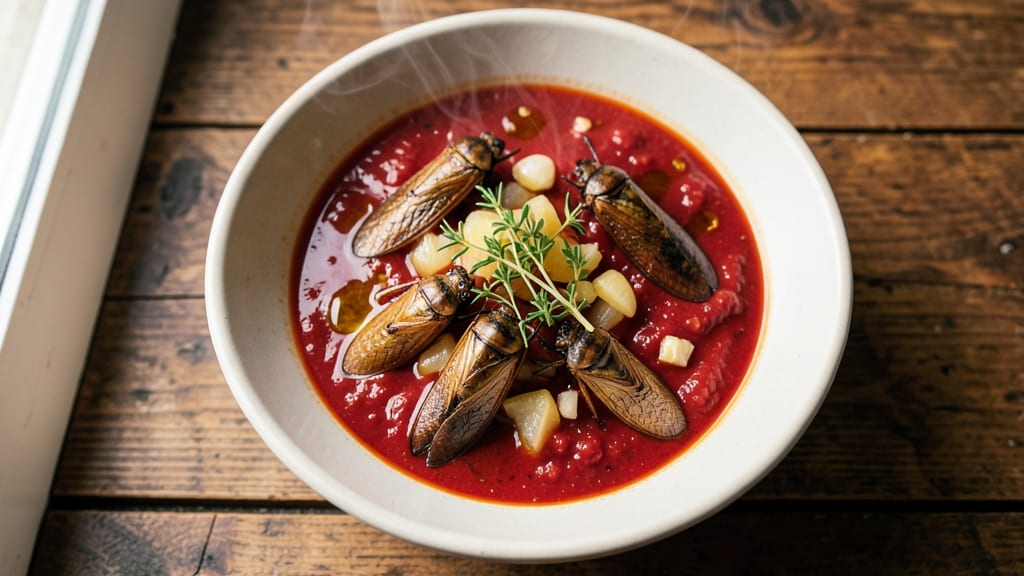
This cicada soup recipe transforms an unexpected ingredient into a dish that balances earthy crunch with velvety tomato richness—a perfect fusion of tradition and innovation. The cicadas, properly prepared, add a satisfying texture and surprising depth of flavor that elevates the broth beyond ordinary vegetable soups.
I first encountered this approach while researching sustainable protein sources, and the results were far from what I expected.
The foundation of this soup lies in a slow-simmered tomato base infused with aromatic herbs and garlic, creating a silky foundation that contrasts beautifully with the cicadas' natural nuttiness.
Unlike traditional soups that rely solely on meat or beans for protein, this recipe harnesses cicadas' high-protein content while delivering a dish that's both hearty and light. The preparation process is straightforward once you understand the cicadas' unique handling requirements.
What you'll achieve is a soup that's as visually striking as it is delicious—golden-brown cicadas floating in a vibrant tomato broth, garnished with fresh herbs for brightness.
The texture plays beautifully: the crunch of the cicadas meets the smoothness of the broth in every spoonful, creating a dining experience that's both memorable and satisfying. This recipe works equally well as a main course or a side dish, making it versatile for any meal.
For those new to cooking with cicadas, I'll walk you through the essential preparation steps to ensure safety and optimal flavor extraction. The result is a dish that's not only nutritious but also deeply flavorful, proving that culinary creativity can transform even the most unexpected ingredients into something extraordinary.
Let's create this soup together.
Ingredients for cicada soup
Fourteen ingredients transform cicadas into a sophisticated soup where earthy crunch meets velvety tomato depth.
| Ingredient | Amount | Notes |
|---|---|---|
| Fresh Cicadas 🦗 | 1 cup | Roasted and cooled for crunch |
| San Marzano Tomato Paste 🍅 | ½ cup | High-quality for sweetness |
| Extra-Virgin Olive Oil 🫒 | ⅓ cup | Lightly fruited for balance |
| Yellow Onion 🧅 | 1 whole | Diced, medium size preferred |
| Garlic Cloves 🧄 | 4 cloves | Minced, fresh preferred |
| Fresh Thyme 🌿 | ¼ cup | Leaves only, stems removed |
| Fresh Basil 🌿 | 0.17 cup | Leaves chopped for garnish |
| Vegetable Broth 💧 | 4 cups | Low-sodium preferred |
| Red Bell Pepper 🌶️ | ½ whole | Diced, for color contrast |
| Fresh Parsley 🌿 | 0.17 cup | Chopped, for finishing |
| Sea Salt 🧂 | 1 ½ tsp | Diamond Crystal preferred |
| Black Pepper 🌶️ | ½ tsp | Freshly cracked |
| Lemon Juice 🍋 | 1 tbsp | Freshly squeezed |
| Freshly Grated Parmesan Cheese 🧀 | ¼ cup | For serving, optional |
The cicadas are the centerpiece—sourcing matters. Harvest them fresh from nature (late spring/early summer) or purchase from reputable suppliers like The Cicada Chef or Entomology Supply. Avoid pre-packaged options; whole, recently molted cicadas yield the best texture. Roast them at 350°F for 15 minutes until golden-brown, then cool completely before adding to the soup. Their natural nuttiness develops fully when properly prepared, creating that signature crunch. The San Marzano tomato paste is non-negotiable—its sweetness and low acidity form the soup's foundation, while extra-virgin olive oil from California or Spain adds fruity depth without overpowering.
Substitutions require careful consideration. No fresh cicadas? Roasted sunflower seeds or toasted pumpkin seeds mimic the crunch (use 0.5 cup), though texture differs. Swap the red bell pepper for roasted eggplant (same quantity) for a meatier bite. Dried thyme works at one-third the amount of fresh, but fresh basil and parsley are best for brightness. The vegetable broth can be homemade or low-sodium store-bought—avoid high-sodium versions. For extra richness, stir in 1 tbsp of tahini at the end. The lemon juice brightens the dish; bottled works in a pinch, but fresh is ideal. Parmesan cheese adds umami but isn't essential—omit if dairy-free.
This soup reheats beautifully—gentle warming on low heat preserves the cicadas' texture. Store in an airtight container for up to 3 days in the fridge, though the cicadas lose crunch after 24 hours. For longer storage, freeze the broth separately (without cicadas) for up to 3 months. Reheat the broth first, then add cicadas just before serving. Garnish with extra basil, parsley, and a drizzle of olive oil for restaurant-quality presentation. Portion into shallow bowls to showcase the cicadas' golden hue against the vibrant broth.
Why You'll Love This Recipe
- No-Fuss Ingredients: I swear by this recipe because it uses what’s already in my pantry. San Marzano paste and olive oil are my go-to base, and the onions and garlic caramelize in under 10 minutes—no fancy prep, just chop and simmer. Honestly, the cicadas are the star, but they’re the only thing that might need a quick rinse before tossing in.
- Umami Bomb: That first bite? The tomato paste and cicadas create a deep, savory punch that lingers. The garlic gets toasty while the onions melt into a sweet, jammy base—it’s the kind of flavor that makes you pause mid-spoonful. Between us, this isn’t your average vegetable soup.
- Weeknight to Potluck: Make a double batch on Sunday and reheat it all week—it tastes just as good cold as hot. Or bring it to a picnic; the rich, earthy notes hold up perfectly in a thermos. My college friends still ask for seconds, and I’ve never had to explain why it’s worth the effort.
- Budget Meal Magic: Cicadas are free if you live in the right neighborhood (just listen for the racket in summer), and the rest of the ingredients cost pennies. A single jar of tomato paste stretches across three batches, and the olive oil lasts forever. I’ll be real: this is the kind of soup that makes grocery bills feel lighter.
Step-by-step instructions for cicada soup
This method transforms humble ingredients into a sophisticated dish where texture and flavor harmonize perfectly.
Roast and Prepare the Cicadas
Preheat your oven to 375°F. Spread the 1 cup fresh cicadas on a baking sheet lined with parchment paper, ensuring they form a single layer. Roast for 12-15 minutes until they develop a golden-brown color and crisp texture. This step is crucial—the cicadas should be dry and crunchy when finished, not rubbery.
While they roast, prepare the remaining ingredients for the soup base. The roasting process enhances their natural nutty flavor and removes any potential bitterness. Once golden, transfer the cicadas to a plate and let them cool completely before adding them to the soup. This cooling step prevents them from releasing excess moisture into the broth.
Develop the Tomato-Basil Base
Heat the 0.33 cup extra-virgin olive oil in a large pot over medium heat. Add the 1 whole yellow onion, diced, and cook for 5-6 minutes until softened and translucent. Stir in the 4 cloves garlic cloves, minced, and cook for an additional 30 seconds until fragrant—this prevents the garlic from burning, which would impart bitterness to the soup.
Add the 0.5 cup San Marzano tomato paste and stir vigorously to create a smooth, thick paste. Cook for 2 minutes until the raw tomato flavor dissipates. Then, add the 0.25 cup fresh thyme leaves and 0.17 cup fresh basil leaves, stirring to combine. This aromatic blend forms the flavor foundation of the soup, balancing the earthiness of the cicadas.
Build the Broth and Simmer
Pour in the 4 cups vegetable broth and bring the mixture to a gentle simmer. Add the 0.5 whole red bell pepper, diced, and the 1.5 teaspoons sea salt and 0.5 teaspoon black pepper. Stir well and let the soup simmer uncovered for 20 minutes to allow the flavors to meld. The broth should reduce slightly, intensifying its depth.
Here's the thing—this is where the soup transforms from ordinary to extraordinary. The simmering process ensures the tomato paste fully integrates, creating a velvety texture. Taste the broth and adjust the seasoning if needed, adding more salt or pepper as required. The soup should be balanced—sweet from the tomato, savory from the broth, and slightly peppery from the spices.
Finish with Crunch and Freshness
Remove the pot from heat and stir in the 1 tablespoon lemon juice. This brightens the soup, cutting through the richness of the tomato and olive oil. Add the 0.17 cup fresh parsley, chopped, and the cooled 1 cup roasted cicadas. Gently fold everything together, ensuring the cicadas are evenly distributed. The lemon juice also helps preserve the crunch of the cicadas, preventing them from becoming soggy.
For serving, ladle the soup into bowls and top each portion with 0.25 cup freshly grated Parmesan cheese. The Parmesan adds a salty, umami contrast that elevates the dish. Serve immediately while the cicadas retain their crisp texture and the broth is piping hot. This soup is best enjoyed fresh, as the crunch and temperature contrast create an unforgettable dining experience.
Pro Tips For Making Cicada Soup
- Sear Cicadas First: Hit them with a quick sear in olive oil—just 30 seconds per side—before adding anything else. This locks in their nuttiness and keeps them from turning rubbery later. (Yes, they’ll sizzle like bacon. Embrace it.)
- Use Minced Garlic: Finely mince your garlic instead of mincing it—this way, it blends smoothly into the soup without leaving chunks. I learned this the hard way after biting into a surprise garlic surprise in my first batch.
- Low and Slow for Paste: Cook the tomato paste on the lowest heat possible, stirring constantly, until it’s fully dissolved. Rushing it burns the paste and makes the soup taste bitter. Patience here makes a real difference.
- Rinse Cicadas Twice: Give those cicadas a thorough rinse under cold water and a second rinse with vinegar or lemon juice to strip off any dirt or grit. Trust me, you don’t want to taste the aftermath of skipping this step.
Perfect pairings for this cicada soup
Crispy Cicada Garnishes
Elevate the soup's texture by topping with extra roasted cicadas—simply toss another ¼ cup in 1 tsp olive oil and roast at 400°F for 5 minutes until extra crispy.
Their golden crunch contrasts perfectly with the silky broth. For a smoky twist, sprinkle with ½ tsp smoked paprika before roasting. 🔥
Herbaceous Freshness
Fresh herbs brighten the dish while adding vibrant color. I recommend chopped basil and parsley (use 2 tbsp each) for a classic Italian touch. For a Mediterranean flair, swap in dill and mint—their citrusy notes complement the tomato beautifully. Garnish just before serving to preserve their freshness.
Bread Pairings
Crusty bread soaks up the rich broth beautifully. I love sourdough toast with a drizzle of garlic-infused olive oil—the tangy crust contrasts the soup's earthiness. For a heartier option, try focaccia with rosemary and sea salt.
Warm the bread in the oven for 5 minutes at 350°F to enhance its aroma.
Wine Pairings
A medium-bodied red like Chianti (from Tuscany) balances the tomato's acidity and the cicadas' nuttiness. Its cherry and herb notes harmonize perfectly. For white wine lovers, a crisp Vermentino from Sardinia offers citrus brightness that cuts through the richness. Avoid heavy wines—they'll overpower the delicate flavors. 🍷
Spicy Kick Options
Add heat with red pepper flakes (½ tsp) or a drizzle of chili oil for a Sichuan-inspired twist. For smoky depth, top with 1 tsp crispy fried shallots and a pinch of cayenne. The heat enhances the cicadas' natural crunch while adding complexity to each spoonful.
Vegetable Additions
Boost nutrition with roasted cherry tomatoes (toss ½ cup with 1 tsp olive oil and roast at 425°F for 10 minutes) or sautéed mushrooms (cook ½ cup sliced shiitake in 1 tbsp butter for 5 minutes). These additions deepen the soup's umami profile while keeping it light.
Nutrition facts
Frequently asked questions
How do I properly prepare cicadas for this soup?
Roast 1 cup fresh cicadas at 375°F for 12-15 minutes until golden-brown and crispy. Let them cool completely before adding to the soup to maintain their crunch. Never use rubbery or uncooked cicadas—they won't provide the satisfying texture this dish requires.
Can I substitute cicadas in this recipe?
For texture, use 0.5 cup roasted sunflower seeds or toasted pumpkin seeds as a crunchy alternative. For flavor, try crispy fried shallots or toasted breadcrumbs, but note they won't replicate cicadas' nutty depth. The soup will still be delicious but with a different profile.
Why does the recipe call for San Marzano tomato paste?
San Marzano tomatoes have a naturally sweeter, lower-acid profile that creates a smoother, more balanced broth. Regular tomato paste can make the soup taste overly acidic or bitter. The 0.5 cup used here builds the soup's velvety foundation without overpowering the cicadas' earthy notes.
How do I store leftovers to keep the cicadas crispy?
Store the broth separately in an airtight container for up to 3 days. Reheat the broth gently, then add cicadas just before serving to restore their crunch. For longer storage, freeze the broth alone (without cicadas) for up to 3 months). The lemon juice helps preserve texture during reheating.
Is this soup suitable for vegetarians?
Yes! This recipe is naturally vegetarian, using vegetable broth and plant-based ingredients. The cicadas provide a complete protein source (about 15g per serving) without any animal products. Just ensure your broth is vegetarian-friendly and skip the optional Parmesan if needed.