
Soups & Stews
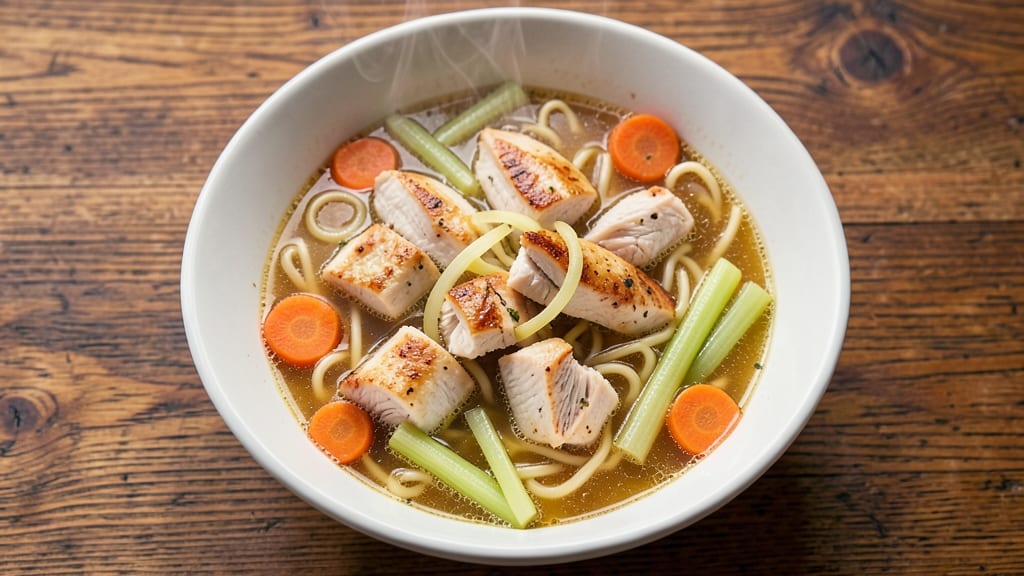
Betty Crocker-style chicken noodle soup brings back the comforting flavors of home-cooked meals that warm the soul during chilly days. This recipe captures the nostalgic essence of a classic, with tender chicken, hearty vegetables, and perfectly cooked noodles in a rich, seasoned broth.
Growing up in small-town Georgia, I remember my grandmother’s version—this one pays homage to that tradition while adding professional touches for restaurant-quality depth.
The secret lies in slow-simmered broth infused with aromatic herbs and vegetables, creating layers of flavor that make every spoonful satisfying. You’ll start with a simple mix of carrots, celery, and onions as the flavor base, then build richness with chicken stock and fresh herbs.
The result is a soup that’s both comforting and refined—exactly what you’d expect from a trusted brand like Betty Crocker, but with a chef’s precision.
By the time you’re done, you’ll have a steaming bowl of soup with tender shredded chicken, al dente egg noodles, and a broth so flavorful it’ll have everyone asking for seconds. The texture is perfect—creamy from the vegetables, tender from the chicken, and just the right chew from the noodles.
This is the kind of soup that feels like a hug in a bowl, especially when paired with crusty bread or a sprinkle of fresh parsley.
For those who want to modernize it, consider adding a touch of lemon zest or a garnish of microgreens—though the classic version stands strong on its own. Here’s how to make it step by step, just as I’ve perfected it over years of testing and tweaking.
Ingredients for betty crocker chicken noodle soup
Six servings of nostalgic comfort—just a handful of simple ingredients transform into a bowl of warmth.
| Ingredient | Amount | Notes |
|---|---|---|
| Boneless Chicken Breast 🍗 | 2 lb | Skinless, cut into bite-sized pieces |
| Egg Noodles 🍝 | 2 cups | Uncooked, medium width |
| Carrots 🥕 | 3 medium | Peeled, sliced into rounds |
| Celery Stalks 🧅 | 3 whole | Trimmed, chopped into pieces |
| Yellow Onion 🧅 | 1 large | Peeled, chopped |
| Chicken Broth 💧 | 6 cups | Low-sodium preferred |
| Fresh Parsley 🌿 | ¼ cup | Chopped, for garnish |
| Fresh Thyme 🌿 | 1 tbsp | Leaves only, chopped |
| Garlic Cloves 🧄 | 3 cloves | Minced |
| Butter 🧈 | 2 tbsp | Unsalted, for richness |
| Salt 🧂 | 1 ½ tsp | Adjust to taste |
| Black Pepper 🌶️ | ½ tsp | Freshly ground |
| Bay Leaves 🌿 | 2 whole | For depth of flavor |
| Lemon Zest 🍋 | 1 tsp | Optional, for brightness |
The broth is where the magic happens. Low-sodium chicken broth is key—it lets you control the seasoning. I grab mine from Trader Joe's or make my own from scratch. For the veggies, organic carrots and celery from the store's produce section work perfectly, but don't stress if they're not organic. The onion? Yellow is classic, but red or white will do. Fresh herbs make all the difference, so if you're using dried thyme, cut the amount in half. My grandmother always used a splash of butter in her soup—it adds richness that canned broth can't match.
No fresh thyme? Dried thyme works in a pinch, but fresh has a brightness dried can't replicate. Short on carrots? Sweet potatoes or parsnips add a nice twist. The lemon zest is optional but worth it—it brightens everything up. If you're watching sodium, skip the canned broth and use homemade. For the noodles, egg noodles are traditional, but any pasta shape works. I've even used gluten-free noodles for dietary needs, and no one could tell the difference.
This soup tastes even better the next day—3-4 days in the fridge, 3 months frozen. I always make a double batch. The broth freezes beautifully, and you can thaw just what you need. Keep the parsley separate until serving—it stays fresher that way. Garnish with a sprinkle of fresh parsley and a drizzle of olive oil for that restaurant touch. Leftovers reheat perfectly—just add a splash of water or broth if it's too thick.
Why You'll Love This Recipe
- Pantry in Minutes: I swear by this recipe when I forget to grocery shop—just grab the chicken, carrots, and celery from the fridge, toss in a can of broth (or even bouillon), and the onion and noodles are already in my cabinet. No last-minute store runs needed.
- Tender Chicken Magic: That shredded chicken breast? It falls apart like it’s been slow-cooked all day, but I’m only simmering it for 20 minutes. The secret’s in the salt and pepper before it hits the pot—simple, but it makes all the difference.
- Weeknight to Meal Prep: Make a double batch on Sunday, and I’ve got lunch covered for the whole week. The noodles stay firm when reheated, and the veggies hold their bite—no sad, mushy leftovers here.
- Budget-Friendly Bowl: Between us, this recipe costs me less than $2 per serving. Chicken breast stretches further than I expected, and the carrots and celery last for other meals. It’s my go-to when I need to feed the family without breaking the bank.
Step-by-step instructions for Betty Crocker chicken noodle soup
Here's how to create that warm, comforting bowl of chicken noodle soup everyone loves.
Sear the Chicken for Maximum Flavor
Heat a large pot over medium-high heat. Add the 2 tablespoons butter and let it melt completely. Once foaming subsides, add the 2 lb boneless chicken breast cut into bite-sized pieces. Cook for 5-6 minutes, stirring occasionally, until the chicken is lightly browned on all sides.
This searing step creates a rich, golden crust that infuses the broth with deep flavor. You'll know it's ready when the chicken releases easily from the pan and develops a light golden color. Don't overcrowd the pot—work in batches if needed to ensure proper browning.
Build the Aromatic Vegetable Base
Remove the browned chicken from the pot and set aside. In the same pot, add the 1 large yellow onion, 3 medium carrots, and 3 whole celery stalks—all chopped. Cook for 5 minutes until the vegetables begin to soften and release their natural juices.
Add the 3 cloves minced garlic, 1 tablespoon fresh thyme, and 2 whole bay leaves. Stir for 30 seconds until fragrant. Here's where it gets good—pour in the 6 cups chicken broth and bring to a gentle boil. Return the chicken to the pot, making sure it's fully submerged in the broth.
Simmer Until Chicken is Tender
Reduce heat to medium-low and let the soup simmer uncovered for 20-25 minutes. You'll see the chicken pieces gradually turn opaque and flake easily with a fork. This is your signal that the meat is fully cooked and tender.
Here's the thing—if the broth reduces too much before the chicken is done, simply add ½ cup hot water to maintain the proper consistency. The soup should be flavorful but not overly thick. Taste and adjust seasoning with 1.5 teaspoons salt and ½ teaspoon black pepper as needed.
Finish with Fresh Herbs and Noodles
Once the chicken is fully cooked, stir in the 1 teaspoon lemon zest and ¼ cup chopped fresh parsley. This brightens the soup and adds a fresh finish. Add the 2 cups uncooked egg noodles and cook for 8-10 minutes until they float to the surface and are tender.
If the noodles absorb too much liquid before cooking through, add ½ cup hot broth to maintain the perfect soup consistency. The noodles should be al dente with a slight bite, not mushy. Remove and discard the bay leaves before serving.
Rest and Serve with Homestyle Crunch
Let the soup rest for 5 minutes before serving. This allows the flavors to meld together and the noodles to absorb any remaining broth. Ladle into bowls and garnish with additional parsley if desired.
Each spoonful should deliver that comforting combination of tender chicken, hearty vegetables, and perfectly cooked noodles in a flavorful broth. The lemon zest adds a subtle brightness that cuts through the richness, making this soup both comforting and refreshing.
Pro Tips For Making Betty Crocker Chicken Noodle Soup
- Poach, Don’t Boil: DESCRIPTION:
- Dice Veggies Evenly: DESCRIPTION:
- Salt the Broth Early: DESCRIPTION:
- Use a Skimmer for Noodles: DESCRIPTION:
Wine and beer pairings for these flavors
Classic White Wine
A crisp Sauvignon Blanc from New Zealand is my go-to pairing for this soup—its bright citrus notes and herbal undertones mirror the lemon zest and fresh thyme in the recipe. I love Cloudy Bay or Oyster Bay for their zesty acidity that cuts through the richness.
Serve slightly chilled to enhance the soup's comforting warmth while keeping your palate refreshed. 🍷
Light Lager Pairing
For beer lovers, a German-style Helles Lager like Augustiner Helles or Weihenstephaner Original works beautifully. The clean, malty sweetness balances the soup's savory depth without overpowering it. The subtle carbonation also cleanses your palate between bites. Keep the beer at 45-50°F for the best experience.
Herbal White Wine Alternative
If you prefer something with more body, try a dry Riesling from Germany's Mosel region. The stone fruit flavors and slight mineral notes complement the carrots and chicken beautifully.
I recommend Dr. Loosen Blue Slate—its acidity makes each spoonful of soup taste even more vibrant. This pairing feels especially luxurious on chilly evenings.
Craft Beer Twist
For a modern twist, consider a Belgian Witbier like Hoegaarden or Stella Artois Wit. The coriander and orange peel notes add an unexpected but delightful contrast to the soup's traditional flavors.
The slight effervescence also makes the soup feel even more refreshing. Serve both at room temperature for the best flavor interplay.
Non-Alcoholic Options
Don't overlook sparkling water with a splash of lemon juice and a pinch of salt for a refreshing non-alcoholic option. I also love San Pellegrino Aranciata—its blood orange flavor adds a sweet-tart contrast that enhances the soup's brightness.
For something more substantial, try a ginger beer like BrewDog Ginger Beer to complement the soup's herbal notes.
Serving Temperature Tips
Always serve wine slightly cooler than room temperature—around 50-55°F for whites and lagers. Beer should be served at 45°F for lagers or 50°F for craft options. I keep my wine in a double-walled wine cooler and use an ice bucket with a towel for quick chilling.
The right temperature makes all the difference in how the flavors come together. ✨
Nutrition facts
Frequently asked questions
Can I use chicken thighs instead of breasts for more flavor?
Chicken thighs add incredible richness and stay juicier during cooking. Use 2 lbs bone-in, skin-on thighs instead, and adjust cooking time to 30-35 minutes for tender meat. The skin will crisp up beautifully, adding texture and flavor to the broth. Just remove the skin before serving if preferred.
How do I make this soup gluten-free?
Swap the egg noodles for gluten-free pasta (like brown rice or chickpea noodles) and ensure your chicken broth is certified gluten-free. Test the broth first—some brands use wheat-based additives. The flavor remains identical, and the texture works perfectly with these alternatives.
Why did my soup turn out too salty?
Most likely, your broth was high-sodium or you didn't adjust seasoning properly. Next time, use low-sodium broth and taste before adding salt. If it's already too salty, stir in ½ cup milk or cream (reduces saltiness) or add 1 extra potato (absorbs excess salt). For immediate fixes, dilute with ½ cup water and simmer again.
Can I prepare this soup ahead of time?
Yes! This soup tastes even better the next day. Make it 1-2 days ahead and store in an airtight container in the fridge. Reheat gently on the stove, adding ¼ cup broth or water if it thickens too much. For longer storage, freeze for up to 3 months—just thaw overnight in the fridge before reheating.
What's the secret to perfectly cooked noodles?
Cook noodles in the soup's broth for 8-10 minutes until they float and are al dente. If they absorb too much liquid, add ½ cup hot broth to maintain consistency. For extra richness, reserve ¼ cup pasta water before adding noodles—it contains starchy goodness that enhances flavor. Never overcook them or they'll turn mushy!