
Soups & Stews
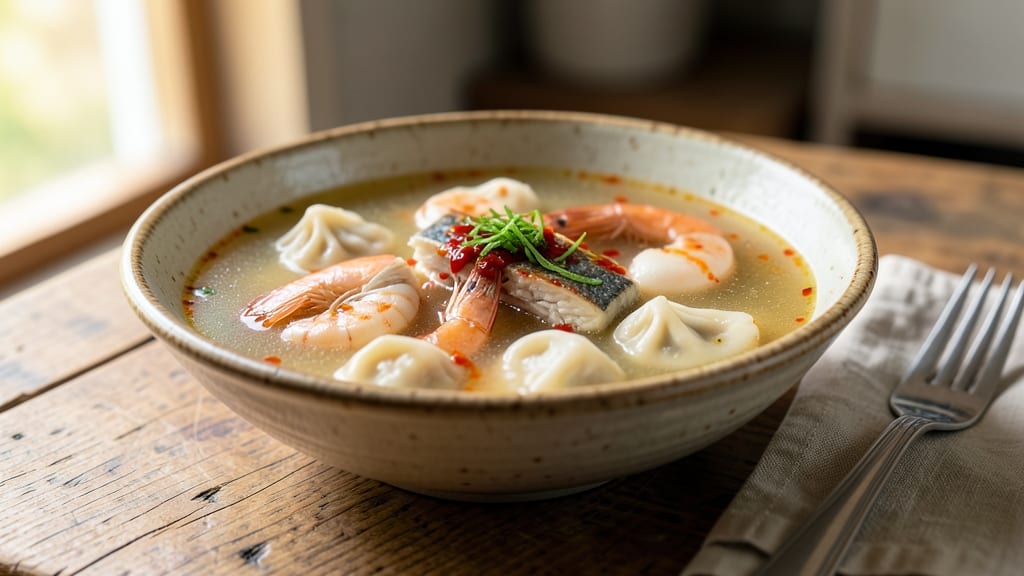
This Chinese seafood soup recipe delivers the perfect balance of fragrant ginger, bright lemon, and delicate seafood in every spoonful—a dish that transports you to bustling Cantonese kitchens with just one bite.
The secret lies in layering aromatics slowly, allowing their flavors to meld into a silky broth that cradles shrimp, scallops, and fish. I developed this version after years of testing regional styles, refining it to be both authentic and approachable for home cooks.
The soup begins with a rich broth built from chicken or vegetable base, where ginger and garlic are sautéed until fragrant before adding seafood. Silky won ton dumplings—lightly poached in the broth—add texture without overpowering the delicate flavors.
A finishing touch of chili oil and lime zest elevates the dish, creating a harmonious blend of spice and brightness that’s impossible to resist.
What makes this recipe stand out is its versatility—serve it as a light lunch with steamed buns, a comforting dinner with jasmine rice, or even as a refreshing appetizer with fresh herbs.
The broth’s depth and the seafood’s tenderness ensure every bowl tastes like a restaurant-quality meal, yet it’s simple enough for weeknight cooking.
For those who love regional variations, this recipe bridges Cantonese elegance with Sichuan heat—adjust the chili oil to taste. The key is patience: letting the broth simmer until every ingredient shines.
Ready in under an hour, this soup proves that authentic Chinese flavors are well within reach for any home cook.
Ingredients for chinese seafood soup
Fourteen ingredients blend fragrant ginger, bright citrus, and delicate seafood for an authentic Cantonese-inspired dish.
| Ingredient | Amount | Notes |
|---|---|---|
| Chicken or Vegetable Broth 🍲 | 6 cups | Homemade or high-quality store-bought |
| Fresh Ginger Root 🧅 | 3 tbsp | Finely grated, aromatic and fresh |
| Garlic Cloves 🧄 | 6 cloves | Minced, for deep aromatic base |
| Green Onions 🧅 | 3 whole | Thinly sliced, white and green parts |
| Lemon Juice 🍋 | 2 tbsp | Freshly squeezed, bright acidity |
| Shrimp 🦐 | 1 lb | Medium size, peeled and deveined |
| Scallops 🦪 | 12 whole | Fresh or frozen, patted dry |
| White Fish Fillets 🐟 | 8 oz | Cod or halibut, skinless |
| Won Ton Dumplings 🥟 | 12 whole | Fresh or frozen, for texture |
| Sesame Oil 🫒 | 1 tbsp | Toasted, for nutty aroma |
| Chili Oil 🌶️ | 1 tbsp | Adjust for spice preference |
| Lime Zest 🍋 | 1 tsp | Bright citrus finish |
| Cilantro Leaves 🌿 | ¼ cup | Chopped, for fresh herb garnish |
| Salt 🧂 | 1 tsp | Kosher or sea salt |
| White Peppercorns 🌶️ | ¼ tsp | Freshly ground, subtle warmth |
The broth is the foundation—homemade chicken or vegetable broth delivers the deepest flavor, but store-bought brands like Knorr or Pacific Foods work in a pinch. Fresh ginger and garlic are non-negotiable; look for vibrant, firm ginger root and plump garlic cloves with no sprouting. For seafood, frozen shrimp and scallops from Trader Joe's or Costco save time without sacrificing quality. The won ton dumplings should be silky, not chewy—H Mart or Asian markets carry the best fresh varieties, but frozen T&T brand is reliable. Pat seafood dry before cooking to ensure even cooking and crisp edges.
No fresh ginger? Substitute with 1 tbsp ginger juice from a bottle, but expect less complexity. Swap shrimp for squid or mussels if preferred, though cooking times vary. Vegetable broth works for a lighter version, but chicken broth adds richness. The sesame oil should be toasted—Kadoya brand is ideal, but any toasted sesame oil works. For heat, adjust chili oil to taste; Lao Gan Ma is a trusted brand. If cilantro isn’t available, basil or parsley adds a similar freshness. Always rinse shrimp and scallops under cold water to remove any grit or excess moisture before cooking.
Broth and seafood keep best in the fridge for 3 days, while dumplings can be frozen for up to 3 months. Portion broth into containers for easy reheating—simmer gently to preserve texture. Store seafood in airtight containers with a paper towel to absorb moisture. Chili oil and lime zest can be prepped ahead and stored in the fridge for up to 1 week. For best results, reheat soup gently—microwaving can make dumplings rubbery. Double the broth if making for a crowd, as it’s perfect for leftovers.
Why You'll Love This Recipe
- No-Chop Needed: I swear by this trick—just slice the ginger root thinly (no peeling!) and smash the garlic with the side of my knife. Five minutes max, and the broth transforms from basic to ridiculously aromatic without any fuss.
- Bright & Bold: That lemon juice at the end? It’s the secret weapon. The ginger and garlic give it depth, but the citrus cuts through the richness—like a fresh breeze after a hearty meal. Honestly, it’s the kind of flavor that makes you want to eat it straight from the pot.
- Meals for Days: Make a big batch on Sunday, and you’ve got lunch or dinner covered for the week. The broth stays rich even reheated, and I always keep a jar of prepped ginger-garlic paste in the fridge to toss in later. (Yes, even on a Tuesday night.)
- Budget-Friendly Catch: Seafood’s expensive, but this soup lets you stretch a little shrimp or scallops way further. Use chicken broth for half the cost, and the green onions add that fresh touch without breaking the bank. My wallet and my freezer both thank me.
Step-by-step instructions for Chinese seafood soup
Here's the method for a fragrant, aromatic seafood broth that balances heat, citrus, and umami perfectly.
Prepare the Aromatic Base
In a large pot, combine the 6 cups Chicken or Vegetable Broth with the 3 tablespoons Fresh Ginger Root and 6 cloves Garlic Cloves. Bring to a gentle simmer over medium heat until the mixture reaches 180°F. You'll notice the broth immediately begins to perfume the kitchen with bright, zesty ginger and garlic aromas.
Here's the thing—don't rush this step. Let the aromatics steep for 5 minutes before adding anything else. This allows their flavors to fully infuse into the broth, creating the foundation for your soup. The ginger should be finely grated so it dissolves completely, while the garlic should be minced for even distribution.
Add Citrus and Seafood
Stir in the 2 tablespoons Lemon Juice and 1 teaspoon Lime Zest, then add the 1 pound Shrimp and 12 whole Scallops. Simmer gently for 3-4 minutes until the shrimp turns opaque and the scallops develop a slight sheen on their surfaces. You want them just cooked through—any longer and they'll turn rubbery.
While the seafood cooks, add the 8 ounces White Fish Fillets to the pot. They'll cook quickly, so don't let them linger. The fish should flake easily with a fork when done, indicating perfect doneness. If you notice the broth is getting too thick, add ½ cup hot water to maintain the right consistency.
Incorporate Dumplings and Seasoning
Add the 12 whole Won Ton Dumplings to the simmering broth. They'll cook through in 4-5 minutes, so keep an eye on them. Stir in the 1 tablespoon Sesame Oil and 1 tablespoon Chili Oil at this stage—the sesame oil adds nutty depth while the chili oil introduces subtle heat. Taste and adjust seasoning with the 1 teaspoon Salt and ¼ teaspoon White Peppercorns as needed.
Real talk: The dumplings are the texture anchor in this soup. They should be tender but still hold their shape slightly when served. If you're using frozen dumplings, give them an extra minute or two to ensure they're fully cooked through.
Finish with Fresh Herbs
Remove the pot from heat and stir in the ¼ cup chopped Cilantro Leaves and 3 whole Green Onions, sliced thinly. The cilantro adds freshness that cuts through the richness of the seafood, while the green onions provide a bright, oniony finish. Let the soup sit for 2-3 minutes off the heat to allow the flavors to meld completely.
This is the moment that matters: The soup should have a vibrant, aromatic broth with distinct layers of ginger, garlic, citrus, and seafood. Each spoonful should deliver a balance of heat, acidity, and umami. If the soup seems too thin, reduce it by simmering uncovered for another 5 minutes to concentrate the flavors.
Serve Immediately
Ladle the soup into bowls, ensuring each serving contains a mix of shrimp, scallops, fish, and dumplings. Garnish with additional green onions and cilantro if desired. Serve with steamed rice or crusty bread to soak up every last drop of that fragrant broth.
Don't skip this: The soup is best enjoyed immediately while the seafood is still warm and the dumplings are tender. If you need to reheat leftovers, do so gently over low heat with a splash of water to prevent the broth from becoming too thick.
Pro Tips For Making Chinese Seafood Soup
- Simmer Slow and Steady: After years of rushing this step, I learned the hard way—Chinese seafood soup needs a gentle simmer, not a rolling boil. Once your broth hits the pot, keep it at a low bubble (just tiny ripples) to avoid clouding the broth or breaking down delicate seafood too fast.
- Mince Ginger Like You Mean It: Skip the lazy slicing—grate or finely mince fresh ginger into a paste. This releases more flavor and blends seamlessly into the broth. (Yes, even if you’re impatient like me, trust the process.)
- Save the Garlic Oil: Sauté your garlic in a little oil first, then pour the fragrant oil into the broth. It’s the easiest way to avoid bitter, overcooked garlic and add a rich depth to every sip.
- Finish with Bright Acid: Toss in lemon juice last—right before serving. It cuts through the richness of the broth and seafood, balancing the dish like a wake-up call. (Your future self will thank you.)
Dietary considerations for this dish
Gluten-Free Adaptation
This soup is naturally gluten-free since it relies on seafood, broth, and fresh ingredients. However, always double-check your broth—Knorr or Pacific Foods gluten-free versions are reliable choices. For dumplings, opt for gluten-free won ton wrappers (brands like T&T offer gluten-free options) or make your own with rice flour.
The key is ensuring all added ingredients, like soy sauce or chili oil, are certified gluten-free. 🌱
Shellfish-Free Swaps
If shrimp or scallops are off-limits, swap them for firm white fish like cod or halibut (already in the recipe) or add mushrooms for umami depth. Use 8 oz sliced shiitake or oyster mushrooms—they absorb broth beautifully.
For extra texture, include tofu cubes (firm or extra-firm) that simmer until tender. The broth’s flavor will still shine through, just with a different protein profile. 🍄
Low-Sodium Options
To reduce sodium, skip added salt and use low-sodium chicken or vegetable broth (brands like Imagine or Swanson offer great options). Boost flavor with extra fresh ginger, garlic, and lime zest—these brighten the broth naturally.
For dashi lovers, replace broth with homemade kombu or bonito-based dashi (simmer 1 piece kombu in water for 30 minutes before adding other ingredients). The result is a lighter but still deeply flavorful soup. ❄️
Vegetarian-Friendly
Transform this into a vegetarian dish by omitting all seafood and adding tofu, mushrooms, and bamboo shoots. Use 1 block (14 oz) firm tofu, pressed and cubed, along with 8 oz sliced shiitake mushrooms and 1 cup sliced bamboo shoots.
The won ton dumplings (gluten-free if needed) add texture, while the broth’s ginger and citrus keep it vibrant. Garnish with extra herbs for freshness. 🥬
Allergy Considerations
For nut allergies, ensure your sesame oil is nut-free (some brands process in facilities with nuts). If cilantro is problematic, substitute with basil or parsley. For seafood allergies, replace all seafood with extra-firm tofu or chickpeas—simmer 1 cup chickpeas for 10 minutes until tender.
Always check labels on chili oil and broth for hidden allergens like soy or fish derivatives. Safety first! 🛡️
Nutrition facts
Frequently asked questions
What's the best seafood to use in this Chinese seafood soup?
This recipe works beautifully with a mix of shrimp, scallops, and white fish fillets like cod or halibut. For extra richness, add clams or mussels (simmer for 5-6 minutes until fully open). If you prefer lighter flavors, use only fish and mushrooms. Always buy fresh seafood—look for bright color and no fishy odor.
Can I make this soup spicier?
Start with 1 tablespoon chili oil and adjust to taste—add up to 2 tablespoons for more heat. For a Sichuan-style kick, stir in ½ teaspoon Sichuan peppercorns (toasted and crushed) with the sesame oil. For a smoky depth, add ½ teaspoon smoked paprika when finishing the soup.
How do I prevent the dumplings from turning mushy?
Cook dumplings in the broth for only 4-5 minutes—they’ll finish cooking from residual heat. Use fresh won ton wrappers (not pre-cooked) for better texture. If using frozen dumplings, give them an extra 1-2 minutes to ensure they’re fully cooked. Pro tip: Remove dumplings 30 seconds early and let them soak up broth in bowls.
Can I prepare this soup ahead of time?
Yes! Make the broth and aromatics 1 day ahead—store in the fridge. Reheat gently, then add seafood and dumplings fresh. For make-ahead dumplings, freeze cooked ones in broth (they’ll last 3 months). Reheat frozen dumplings in the broth for 2-3 minutes until warmed through.
What’s the secret to the most flavorful broth?
Simmer the ginger and garlic for 5-7 minutes before adding seafood—this extracts maximum aroma. Use homemade chicken broth (simmer bones for 4 hours) for deeper flavor. For umami, add 1 teaspoon fish sauce or ½ teaspoon MSG (optional). A splash of dry sherry (1 tbsp) when adding seafood enhances complexity.