
Soups & Stews
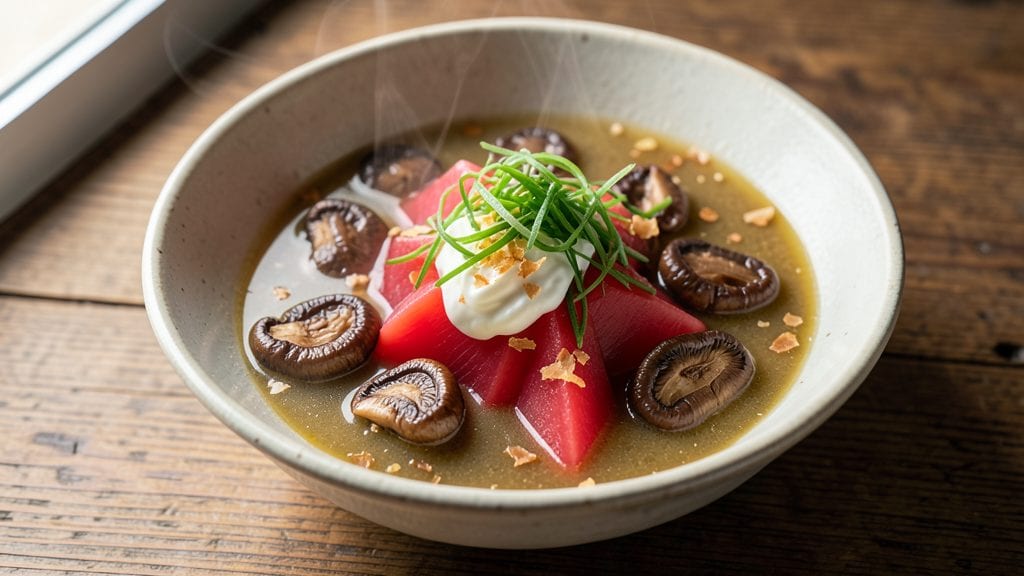
This Japanese radish soup recipe delivers the perfect balance of silky dashi broth and crisp-tender daikon bites—comfort in every spoonful. The secret lies in slow-simmered dashi, which transforms simple ingredients into a deeply aromatic foundation that's both light and satisfying.
I've refined this recipe over years of testing, ensuring the daikon maintains its satisfying crunch while absorbing just enough flavor to complement rather than overpower the delicate broth.
The beauty of this dish is its versatility—traditionalists will appreciate the classic miso-infused dashi, while modern cooks can experiment with added mushrooms or tofu for extra depth. What makes it truly special is how the daikon's natural sweetness shines through, creating a harmonious contrast with the umami-rich broth.
The result is a soup that's equally at home as a light starter or a hearty main when paired with steamed rice.
By the time you finish this recipe, you'll have a bowl of soup that's impossibly smooth yet texturally intriguing—each bite offers the velvety dashi followed by the satisfying snap of daikon.
The aroma alone will transport you to a Japanese izakaya, but the taste proves you don't need to travel for restaurant-quality comfort food. Perfect for chilly evenings or as a palate-cleansing accompaniment to richer dishes.
While traditional versions rely on kombu and bonito flakes for the dashi, I've included a simplified version that delivers equally impressive results using readily available ingredients. The key technique is patience—letting the broth develop its complex flavors through gentle simmering rather than rushing the process.
This is the kind of recipe that improves with each batch as you refine your technique.
Ingredients for japanese radish soup
Eleven ingredients transform into a velvety dashi broth with satisfying daikon crunch—authentic Japanese comfort in every spoonful.
| Ingredient | Amount | Notes |
|---|---|---|
| Daikon Radish 🥕 | 1 ½ lb | Cut into 1-inch thick slices |
| Dried Kombu 🍃 | 4 oz | High-quality, thin sheets |
| Bonito Flakes 🐟 | ¼ cup | High-grade for authentic flavor |
| White Miso Paste 🧈 | 2 tbsp | Premium quality, smooth texture |
| Dried Shiitake Mushrooms 🍄 | 4 whole | Rehydrated for depth of flavor |
| Green Onions 🧅 | 3 whole | Thinly sliced, white and green parts |
| Sesame Oil 🫒 | 1 tsp | Toasted sesame for aroma |
| Rice Vinegar 🍶 | 1 tbsp | For subtle acidity balance |
| Dried Shiso Leaves 🌿 | 2 tsp | Crumbled for delicate flavor |
| Diamond Crystal Kosher Salt 🧂 | 1 tsp | For seasoning dashi broth |
| Water 💧 | 8 cups | Filtered for best results |
The daikon's quality is non-negotiable for this recipe. Opt for organic daikon radish with firm texture and no soft spots—Matsya or Sakuraba brands at specialty Asian markets excel. For kombu, seek thin, dark sheets from reputable sources like Koyo or Makura, as thicker varieties can impart bitterness. Bonito flakes should be high-grade, light-colored, not the cheap, yellowed kind that dominates budget stores. The miso paste must be white (shiro) miso, as red or awase varieties will overpower the delicate broth. Dried shiitake mushrooms should be plump and dark, indicating proper drying and storage.
Substitutions must preserve the dish's delicate balance. If kombu is unavailable, dashi powder at half the amount works in a pinch, though traditionalists will notice the difference. For bonito flakes, dried sardines at double the quantity provide a similar umami punch. White miso can be replaced with red miso at one-third the amount, though the color will darken noticeably. Fresh shiitake mushrooms can substitute dried at a 1:1 ratio if rehydrated properly. The daikon can be swapped for regular white radish, though it lacks the same sweetness. For sesame oil, toasted sesame seeds at double the amount offer a similar aromatic profile when toasted.
This soup's magic lies in its freshness. The dashi base should be prepared no more than 3 days ahead and refrigerated, though it's best consumed immediately for peak flavor. Daikon slices can be prepped 1 day ahead and stored in water to maintain crispness. The broth reheats beautifully—simmer gently for 5-7 minutes to restore its silky texture. For optimal presentation, garnish with fresh shiso leaves just before serving, as they wilt quickly when exposed to heat. Leftovers keep for 3 days in the refrigerator, though the daikon's texture will soften noticeably after 24 hours.
Why You'll Love This Recipe
- No-Chop Necessary: I swear by this—just slice the daikon into thick chunks, no peeling, no fuss. The kombu and shiitake soak while you simmer, so by the time you’re stirring in the miso, the prep’s already done.
- Umami Bomb: That first spoonful of miso and bonito flakes hitting the broth? Pure satisfaction. The daikon stays crisp, the mushrooms melt into savory depth, and the kombu adds this oceanic richness that makes it taste like a hug in a bowl.
- Leftovers That Shine: Between us, this soup improves overnight. The flavors meld, the daikon softens just enough to be silky, and I’ve reheated it for days without a single complaint. Perfect for meal prep when you’re too busy to cook twice.
- Pantry Powerhouse: Honestly, if you’ve got miso and kombu, you’re golden. All the other ingredients are either dried (shiitake) or shelf-stable (bonito), so it’s my go-to when the fridge is bare but the wallet isn’t. Tastes like a restaurant, costs like a grocery run.
Step-by-step instructions for Japanese radish soup
Mastering this soup requires precision in layering flavors and textures—here's how to achieve the perfect balance.
Prepare the Dashi Base
Begin by combining the 8 cups water with the 4 oz dried kombu in a clean stockpot. Bring to a gentle simmer over medium-low heat—never boil vigorously, as this can make the kombu bitter. Let it steep for 20-30 minutes, allowing the umami-rich compounds to infuse the water. You'll notice the kombu sheets will soften and release their delicate oceanic flavor into the liquid.
Remove the kombu sheets immediately after steeping—they should be pliable but still hold their shape. Discard them and return the broth to a simmer. Add the 0.25 cup bonito flakes and simmer for an additional 5 minutes, allowing the flakes to dissolve completely. The broth should now have a golden hue and a deep, savory aroma. Strain through a fine-mesh sieve into a clean pot to remove any remaining debris, ensuring your dashi is crystal clear.
Rehydrate Shiitake and Season the Broth
While the dashi simmers, place the 4 whole dried shiitake mushrooms in a heatproof bowl and cover with hot (not boiling) water. Let them soak for 20 minutes until fully rehydrated and pliable. Drain, reserving the soaking liquid, and finely chop the mushrooms. Add them back to the dashi along with the reserved soaking liquid and the 1 tsp diamond crystal kosher salt. Simmer gently for 10 minutes to meld the earthy shiitake flavor with the dashi base.
This is where the foundation of your soup's depth is built. The mushrooms contribute a meaty texture and umami that complements the delicate kombu flavor. Taste the broth now—it should be clean, salty, and subtly sweet with a hint of funk from the shiitake. If needed, adjust the salt to taste, but be cautious as the miso will add additional saltiness later.
Incorporate Miso and Acid Balance
Reduce the heat to low and whisk in the 2 tbsp white miso paste using a heatproof spatula or wooden spoon. Stir continuously for 2-3 minutes until the miso is completely dissolved and the broth becomes slightly thicker. The miso should blend seamlessly without any visible lumps—this is critical for achieving a silky texture. Here's the thing—miso contains live cultures that activate when heated, so don't let the broth simmer vigorously or the miso may develop a bitter aftertaste.
Next, add the 1 tbsp rice vinegar and 2 tsp dried shiso leaves. The vinegar brightens the broth with subtle acidity, cutting through the richness of the miso, while the shiso adds a delicate, slightly minty aroma. Let the mixture steep for 5 minutes off the heat to allow all flavors to fully integrate. The shiso leaves will infuse their essence into the broth, so don't strain them out—they'll be crumbled into the final soup for texture and flavor.
Prepare the Daikon Radish
While the broth develops, cut the 1.5 lb daikon radish into 1-inch thick slices, removing any fibrous outer skin. The radish should be firm and crisp—this is what will provide the satisfying crunch in your soup. Arrange the slices on a baking sheet and broil for 3-4 minutes on each side until they develop a slight golden color and become tender when pierced with a knife. This partial cooking ensures they'll be perfectly al dente when added to the hot broth.
Real talk: don't overcook the radish slices or they'll turn mushy. You want them to soften just enough to be palatable but still maintain their structural integrity. The broiling step also enhances their natural sweetness, which will shine through in the finished soup.
Assemble and Finish the Soup
Return the broth to a gentle simmer, then add the broiled daikon radish slices. Simmer for 5-7 minutes, allowing the radish to absorb some of the broth's flavor while maintaining its texture. In the last 2 minutes, add the 1 tsp sesame oil and 3 whole green onions, thinly sliced. The sesame oil will bloom with aroma as it heats, adding a nutty depth, while the green onions provide a fresh contrast to the rich broth.
Ladle the soup into bowls and serve immediately. Each spoonful should deliver a harmonious blend of silky dashi, umami from the miso and shiitake, bright acidity from the vinegar, and the satisfying crunch of perfectly cooked daikon radish. The green onions and crumbled shiso leaves should be visible throughout, adding both visual appeal and layers of flavor with each bite.
Pro Tips For Making Japanese Radish Soup
- SOAK THE KOMBU LONG: Dried kombu needs at least 10 minutes in cold water before simmering—don’t rush it. I learned this the hard way when my soup tasted bitter because the kombu didn’t hydrate properly.
- SLICE DAIKON THIN: Use a mandoline or sharp knife for ¼-inch slices—thicker pieces stay tough. If you’re lazy like me, freeze the radish for 20 minutes first to make slicing easier.
- DON’T BOIL THE MISO: Stir miso paste into the hot broth off the heat or it’ll turn bitter. I used to add it too early and wondered why my soup lost that rich, umami depth.
- REHYDRATE SHIITAKES FAST: Break dried shiitake into chunks and soak in hot water for 10 minutes—they’ll plump up and infuse flavor faster than cold soaking. Skip the cold water unless you’re patient.
Perfect pairings for this japanese radish soup
Rice Pairings
This soup's delicate broth makes it the perfect companion to steamed Japanese short-grain rice—the ideal balance of textures and flavors. I like using sushi rice (like Koshihikari brand) for its slightly sticky texture that soaks up the broth beautifully.
For an extra touch, sprinkle toasted sesame seeds over the rice before serving to echo the soup's nutty notes. 🍚
Noodle Complements
For a lighter option, serve with udon or soba noodles (about 2 oz per person). The chewy texture contrasts wonderfully with the soup's silky broth. I recommend fresh udon from an Asian market—it cooks in just 3 minutes and pairs perfectly with the daikon's crunch.
Add a few drops of chili oil to the noodles for a spicy kick that cuts through the richness.
Protein Additions
Transform this into a heartier meal by adding soft-boiled eggs (6-7 minutes) or sliced grilled chicken (marinated in 1 tbsp soy sauce + 1 tsp mirin). The egg's creamy yolk contrasts beautifully with the daikon's crunch, while chicken adds a savory depth.
For vegetarians, tofu cubes (pan-fried in 1 tsp sesame oil) work perfectly—just press them lightly to remove excess water first. 🍳
Garnish Upgrades
Elevate your presentation with fresh shiso leaves (torn by hand) and thinly sliced cucumber for a refreshing contrast. A drizzle of yuzu kosho (citrus-chili paste) adds a bright, spicy finish that enhances the soup's umami. For a smoky touch, sprinkle crumbled furikake (Japanese seasoning) over the top before serving.
Beverage Pairings
A crisp green tea (like Sencha) complements the soup's delicate flavors without overpowering them. For something stronger, try a light sake (chilled Junmai Ginjo)—its clean finish cleanses the palate between bites.
If you prefer beer, a Japanese lager (like Asahi Super Dry) provides a refreshing contrast to the rich broth. 🍶
Seasonal Variations
In summer, add cucumber ribbons and edamame for freshness, while winter calls for thinly sliced lotus root and dried hijiki for earthy depth. For spring, incorporate bamboo shoots and bean sprouts—their crisp texture mirrors the daikon's crunch.
Each seasonal twist keeps the soup exciting year-round while maintaining its core balance of flavors. ✨
Nutrition facts
Frequently asked questions
Can I make this soup without kombu or bonito flakes?
For kombu, use 2 tbsp dashi powder dissolved in the broth. Replace bonito flakes with 1 tbsp dried sardines (crumbled) or 1/4 cup dried shiitake soaking liquid for umami depth. The flavor will differ slightly but still deliver satisfying results.
How do I store leftovers without losing the daikon's crunch?
Store the broth and daikon separately in airtight containers. Reheat only the broth (up to 195°F) and add the daikon fresh when serving. For extra crunch, chill the daikon slices in ice water for 10 minutes before adding to reheated broth.
What's the secret to perfectly crisp daikon slices?
Broil the daikon for exactly 3-4 minutes per side until just tender. The key is partial cooking—they should yield slightly to pressure but still hold shape. For extra crispness, soak slices in cold water for 15 minutes before broiling. Overcooking turns them mushy!
Can I use regular white radish instead of daikon?
While possible, daikon's milder sweetness and crisp texture make it ideal. White radish will be more pungent and may turn mushy faster. If substituting, reduce cooking time by 1-2 minutes and increase vinegar to 1.5 tbsp to balance flavors.
Why did my miso paste turn bitter?
Overheating or boiling miso activates its enzymes too aggressively. Always whisk it in on low heat and never let the broth bubble. For extra insurance, remove from heat 1 minute before adding miso and let it cool slightly first. This preserves the smooth, sweet flavor.