
Soups & Stews
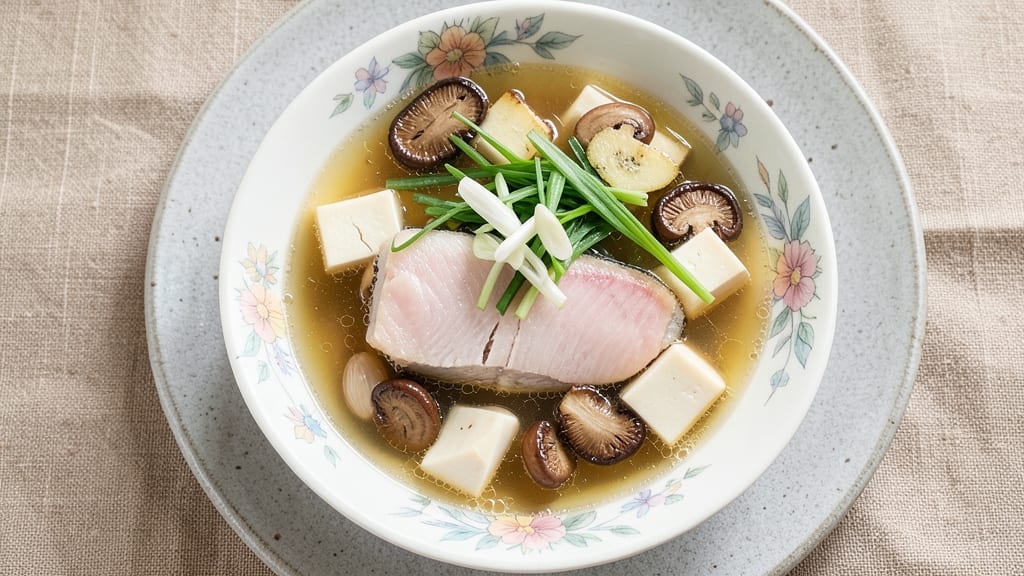
This Chinese ginger fish soup recipe transforms a simple broth into a fragrant, healing elixir that balances bold spices with delicate fish flavors. The secret lies in slow-simmered ginger infusion—peeling fresh slices into the broth creates layers of warmth that linger long after the first sip.
I developed this version after years of testing, ensuring the broth remains silky while the fish stays tender and flaky.
The recipe builds on traditional techniques with modern adaptability—using either homemade fish stock or high-quality store-bought options. Fresh ginger, garlic, and scallions form the aromatic base, while firm white fish fillets or whole fish add protein without overpowering the delicate broth.
For extra depth, I include mushrooms and tofu that absorb the ginger's essence while adding texture.
What you'll achieve is a soup where every spoonful delivers harmony: the fragrant aroma of ginger, the silky broth clinging to tender fish, and the subtle sweetness of mushrooms.
The broth reduces just enough to concentrate flavors without becoming heavy, creating a balance that's both comforting and sophisticated. Perfect for chilly evenings or as a restorative meal.
This recipe serves 4 and takes 45 minutes of active prep followed by 30 minutes of simmering—ideal for a weeknight dinner that feels like a restaurant experience. The fish cooks just enough to flake easily, while the broth remains rich and aromatic.
Serve with steamed rice to soak up every drop of that fragrant ginger essence.
Ingredients for chinese ginger fish soup
Fragrant ginger and delicate fish create a silky broth that balances bold spices with subtle sweetness.
| Ingredient | Amount | Notes |
|---|---|---|
| Fresh Ginger Root 🧄 | 3 oz | Unpeeled, sliced into 1/4-inch thick pieces |
| White Fish Fillets 🐟 | 1 ½ lb | Cod, halibut, or snapper preferred |
| Silken Tofu 🥬 | 1 package | 12-14 oz package, cubed |
| Shiitake Mushrooms 🍄 | 8 whole | Stems removed, caps sliced |
| Garlic Cloves 🧄 | 6 cloves | Minced for aromatic base |
| Green Onions 🧅 | 2 whole | White and green parts separated |
| Fish Stock 💧 | 4 cups | Homemade or high-quality store-bought |
| Sesame Oil 🫒 | 1 tbsp | Toasted for finishing |
| Soy Sauce 🍶 | 2 tbsp | Light or dark, to taste |
| Rice Vinegar 🍶 | 1 tbsp | For subtle acidity |
| Salt 🧂 | 1 ½ tsp | Diamond Crystal kosher salt |
| White Pepper 🌶️ | ½ tsp | Freshly ground for finish |
| Cornstarch 🌾 | 1 tsp | For velveting fish |
| Vegetable Oil 🫒 | 1 tbsp | For tofu searing |
The ginger is non-negotiable—fresh, organic root from Whole Foods or a trusted Asian market delivers the most complex flavor profile. Look for vibrant, firm rhizomes with no soft spots or sprouting. Costco's bulk ginger is a cost-effective option for frequent cooks, but individual pieces from Trader Joe's offer superior freshness. The fish selection matters too: cod or halibut hold their structure beautifully, while snapper adds a delicate sweetness. For the mushrooms, shiitake from the refrigerated section provides that umami depth that transforms this into restaurant-quality soup. The tofu should be 12-14 oz silken packages—never the firm variety, as it won't break down properly in the broth.
No fresh ginger? Powdered ginger at half the amount works in a pinch, but you'll lose that layered warmth. Substituting fish? Firm white fish like sea bass or even shrimp can work, though cooking times vary. The tofu can be omitted entirely if you prefer a more traditional fish-forward broth. For the mushrooms, shiitake stems can be finely chopped and added back—they're packed with flavor. The fish stock? Homemade is ideal, but Kikkoman or Pacific brand are reliable store-bought options that won't overpower the delicate flavors. The soy sauce can be reduced if you're watching sodium—coconut aminos provide a similar umami punch without the salt.
This soup tastes even better the next day as flavors meld. Store the broth and fish separately in airtight containers for up to 3 days, then reheat gently before combining. The tofu and mushrooms can be refrigerated for 5 days if stored in broth. For freezing, portion the broth into ice cube trays—perfect for quick meals. The ginger slices can be peeled and frozen in a bag for up to 3 months, though fresh is always superior. Always bring the broth to a simmer before adding the fish to maintain its delicate texture.
Why You'll Love This Recipe
- One-Pot Magic: I swear by this recipe when I’m too tired to wash a million dishes—just a pot, some water, and 20 minutes later, you’ve got a steaming bowl. The fish stays flaky, the mushrooms melt into the broth, and the ginger’s warmth does all the work for you.
- Ginger-Garlic Kiss: That first spoonful? Pure satisfaction. The fresh ginger isn’t overpowering—just enough to wake up your taste buds—while the garlic cloves caramelize into something ridiculously good. Silken tofu soaks up the broth like a sponge, adding texture without effort.
- Lunchbox Hero: Between us, this soup is my secret weapon for meal prep. Pack it in jars for work lunches (the fish stays tender if you reheat gently), or serve it cold the next day—still delicious. My college-aged kid takes leftovers to class, and he’s not a picky eater.
- Budget Bright Spot: White fish fillets and shiitake mushrooms stretch further than you’d think, especially when paired with tofu. I’ve made this for $12 and fed four people—plus, the ginger and garlic bulk up the flavor so it never tastes cheap. Honestly, it’s the kind of dish that makes grocery day feel like a win.
Step-by-step instructions for Chinese ginger fish soup
Here's the method for crafting a balanced, aromatic fish soup where ginger's warmth meets silky broth perfection.
Prepare the Aromatic Base
Heat the 1 tablespoon vegetable oil in a heavy-bottomed pot over medium heat. Add the 6 cloves minced garlic cloves and 3 oz sliced fresh ginger root, cooking for 2-3 minutes until the ginger becomes translucent and releases its essential oils—this is when your kitchen will fill with that signature ginger aroma.
Add the 8 sliced shiitake mushrooms and continue cooking for another 3-4 minutes until they release their moisture and begin to soften. The mushrooms should reduce slightly but maintain their shape. This step builds the foundational flavor that will permeate the entire soup.
Here's the thing—don't rush this stage. Properly developed aromatics create the soup's signature complexity. If the ginger starts to brown too quickly, reduce the heat slightly to medium-low and continue cooking gently.
Build the Broth and Incorporate Protein
Pour in the 4 cups fish stock and bring to a gentle simmer over medium-high heat. Add the 1.5 tsp salt and 2 tbsp soy sauce, stirring to dissolve completely. The broth should begin to bubble gently—this is when you'll notice the ginger's fragrance intensifying.
Add the 1 package cubed silken tofu and 1.5 lb white fish fillets to the simmering broth. The fish should cook for 4-5 minutes until it becomes just opaque in the center. Silken tofu cooks quickly, so don't let it sit too long or it will become rubbery. You want it to maintain its delicate texture.
Real talk: This is where many home cooks make the mistake of overcooking the fish. The moment the fish reaches 145°F internally (about 4 minutes for fillets this size), it's done. Any longer and you'll end up with dry, flaky fish instead of tender, moist pieces.
Finish with Acid and Seasoning
Stir in the 1 tbsp rice vinegar and 1 tbsp sesame oil, allowing the vinegar to brighten the broth's flavor profile while the sesame oil adds a nutty depth. The soup should now have a harmonious balance of ginger's warmth, soy's umami, and vinegar's subtle tang.
Remove the pot from heat and sprinkle with 0.5 tsp freshly ground white pepper. This final seasoning step is crucial—it adds a subtle, aromatic finish that complements all the other flavors without overpowering them. Let the soup rest for 2-3 minutes to allow the ingredients to meld completely.
Here's what I do next: I taste the broth before adding any garnishes. If it needs more salt, add it now. If the ginger flavor could be more pronounced, add another thin slice. This final adjustment ensures every bowl tastes perfectly balanced.
Serve with Fresh Garnishes
Divide the soup among 4 bowls, ensuring each portion contains an even distribution of fish, tofu, and mushrooms. Garnish each serving with 1 green onion (white and green parts separated), using the white portions as a delicate garnish and the green parts sprinkled on top for color and freshness.
The presentation matters here. The green onions not only add visual appeal but also provide a fresh, crisp contrast to the rich, warm broth. Serve immediately while the fish is still warm and the tofu maintains its silky texture. Each spoonful should deliver that perfect harmony of ginger's spicy warmth, fish's delicate sweetness, and broth's comforting depth.
Don't skip the final taste test. The soup should be fragrant when you lift the spoon, with each ingredient's flavor clearly identifiable but perfectly balanced. The ginger should be present but not overpowering, the fish should melt in your mouth, and the broth should coat your spoon with silky smoothness.
Pro Tips For Making Chinese Ginger Fish Soup
- Parboil the Ginger: Toss the whole, unpeeled ginger root into boiling water for 3-4 minutes first—it’ll peel like a dream and infuse the broth with flavor before it even hits the pan. I used to waste time peeling raw ginger, only to realize the broth lacked depth until I started this step.
- Slice Fish Thin: Cut the white fish fillets against the grain into ½-inch strips—thinner than you think. Thick chunks turn mushy; this way, they cook through in the simmering broth without falling apart. (Yes, even if you’re impatient like me.)
- Bloom Garlic First: Sauté the minced garlic in oil for 30 seconds until fragrant but not browned—this stops it from turning bitter in the broth. I learned this the hard way after a batch tasted like overcooked garlic soup.
- Add Tofu Last: Toss the silken tofu cubes into the soup just before serving so they stay silky and don’t absorb all the liquid. If you add them early, they’ll turn to mush—trust me, I’ve ruined batches both ways.
Creative variations of these flavors
Spicy Sichuan Twist
Transform this soup into a fiery Sichuan-style dish by adding 1 tbsp chili bean paste (Lao Gan Ma brand) and 1 tsp Sichuan peppercorns toasted in the oil with the garlic and ginger. Use doubanjiang (fermented chili bean paste) for extra depth—about 1 tbsp will add that signature numbing heat.
Garnish with thinly sliced scallions and finish with a drizzle of chili oil for authentic Sichuan flair. 🌶️
Vegetarian Adaptation
Replace the fish with extra-firm tofu pressed and cubed, then pan-seared until golden before adding to the broth. Boost umami with 1 tbsp mushroom powder (like Bon Appétit brand) and add ½ cup baby bok choy to wilt in the final minutes.
The ginger's warmth still shines through while creating a hearty vegetarian version. Use 1 tsp cornstarch slurry to thicken the broth slightly for better tofu absorption.
Creamy Coconut Fusion
Infuse the broth with ½ cup coconut milk (full-fat for richness) at the end of cooking for a Thai-inspired twist. Add 1 stalk lemongrass (bruised and tied with twine) and 1 kaffir lime leaf to the simmering broth for 10 minutes before removing.
The coconut milk creates a velvety texture while balancing the ginger's spice. Garnish with cilantro and serve with jasmine rice for a fragrant, tropical-inspired bowl.
Winter Comfort Version
Add 1 cup baby potatoes (halved and parboiled) and ½ cup shredded daikon radish to the broth during the final 10 minutes of simmering. The potatoes add hearty texture while the daikon brings a subtle sweetness that complements the ginger.
Top with crispy fried shallots (store-bought or homemade) for a restaurant-quality finish. This version feels extra cozy on cold days while keeping the broth's signature silky quality.
Quick Weeknight Hack
For a faster version, use 1 package frozen shrimp (thawed) instead of fish and reduce simmering time to 8 minutes. Swap fresh ginger for 1 tbsp ginger paste (like Annie Chun's brand) and use 1 cup store-bought seafood stock to save time.
Add ½ cup baby corn (cut in half) for texture and finish with 1 tsp sesame seeds for crunch. This version keeps all the flavor with minimal prep—perfect for busy evenings.
Herbal Detox Boost
Enhance the soup's health benefits by adding 1 tbsp goji berries (soaked in warm water for 10 minutes) and 1-inch piece of fresh turmeric (peeled and sliced) to the broth during the initial simmer.
The goji berries add natural sweetness while turmeric provides anti-inflammatory benefits. Garnish with thinly sliced chives and serve with brown rice for a nutrient-packed, detoxifying meal that still delivers all the comforting ginger warmth.
Nutrition facts
Frequently asked questions
Can I use powdered ginger instead of fresh?
Fresh ginger is ideal for that authentic, layered warmth, but powdered works in a pinch. Use about 1 teaspoon powdered ginger for every 1 ounce of fresh—just know the flavor will be more concentrated. For best results, toast the powder in a dry pan for 30 seconds to enhance its aroma before adding to the broth.
What's the best fish for this soup?
Firm white fish like cod, halibut, or snapper work perfectly—they stay tender while holding their shape. Avoid delicate fish like tilapia, which can fall apart too easily. For extra richness, try sea bass or even shrimp, but reduce cooking time to 3-4 minutes to prevent overcooking.
How do I make the broth clearer?
For a silky, restaurant-style broth, strain it through a fine-mesh sieve after simmering. If you want extra clarity, chill the broth overnight—fat will solidify on top—and skim it off before reheating. Alternatively, use 1/2 cup coconut milk at the end for a naturally velvety texture without straining.
Can I prep this soup ahead of time?
Store the broth and fish separately in airtight containers for up to 3 days or freeze the broth in ice cube trays for later use. Reheat gently before combining—never boil. The tofu and mushrooms can be prepped a day ahead and stored in broth to maintain freshness. The ginger slices can even be peeled and frozen for 3 months (though fresh is always better).
Why is my fish rubbery?
Overcooking is the most common culprit—fish should cook for just 4-5 minutes until it reaches 145°F internally. To prevent this, velvet the fish first by tossing it in 1 tsp cornstarch before adding to the broth. Also, avoid high heat—simmer gently to keep the texture tender. If it's already rubbery, try shredding it and using it in a stir-fry or salad instead.