
Soups & Stews
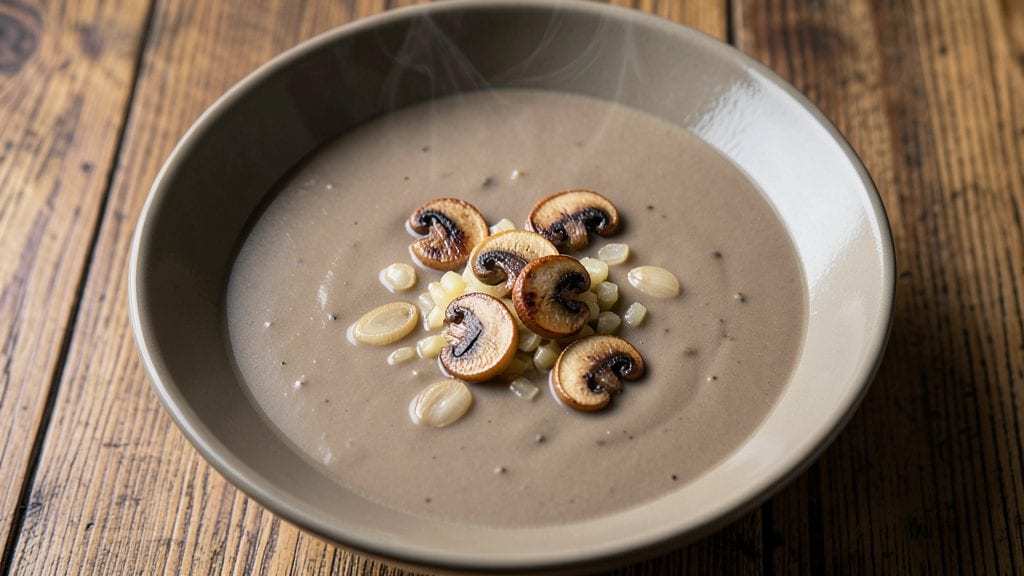
Transforming canned cream of mushroom soup into a velvety, restaurant-quality sauce is simpler than you think—this recipe proves it. The secret lies in balancing the canned base with rich ingredients like heavy cream and butter, while fresh mushrooms add depth that elevates it beyond the can.
I’ve perfected this method after years of testing, and the results are consistently smooth, flavorful, and far more satisfying than store-bought versions.
This recipe delivers a creamy, velvety sauce that pairs perfectly with pasta, chicken, or mashed potatoes—all in under 30 minutes. The process is straightforward: simmer the soup with fresh mushrooms, garlic, and herbs until the flavors meld, then finish with cream and butter for a luxurious texture.
No complicated techniques required, just precise timing and quality ingredients to ensure a professional outcome every time.
The finished sauce is rich yet balanced, with a velvety consistency that coats every bite without being overly heavy. Fresh mushrooms add an earthy complexity, while the cream and butter create a silky finish that’s impossible to resist.
This is the kind of dish that transforms a simple weeknight meal into something special—elegant enough for company but easy enough for any night of the week.
Whether you’re serving it over fettuccine, stuffing chicken breasts, or drizzling it over roasted vegetables, this upgraded sauce delivers restaurant-quality results at home. The best part? You’ll have leftovers that reheat beautifully, making it a go-to recipe for busy nights.
Let’s get started with this foolproof method that turns a pantry staple into a gourmet masterpiece.
Ingredients for canned cream of mushroom soup
Pantry staples meet gourmet technique for a velvety sauce upgrade that rivals restaurant quality.
| Ingredient | Amount | Notes |
|---|---|---|
| Canned Cream of Mushroom Soup 🍄 | 1 can | High-quality brand preferred |
| Heavy Cream 🥛 | ½ cup | Full-fat for optimal richness |
| Unsalted Butter 🧈 | 2 tbsp | Cold, cubed for finishing |
| Fresh White Button Mushrooms 🍄 | 8 oz | Sliced thin for even cooking |
| Garlic Cloves 🧄 | 2 cloves | Minced for aromatic depth |
| Shallots 🧅 | ¼ cup | Finely diced, for subtle sweetness |
| Fresh Thyme Leaves 🌿 | ½ tbsp | Or 1 tsp dried thyme |
| Diamond Crystal Kosher Salt 🧂 | ½ tsp | Adjust to taste |
| Freshly Ground Black Pepper 🌶️ | ¼ tsp | For balanced seasoning |
| Extra-Virgin Olive Oil 🫒 | 1 tbsp | For sautéing mushrooms |
| Whole Grain Mustard 🍯 | 1 tsp | Optional, for tangy contrast |
| Chicken or Vegetable Stock 💧 | ¼ cup | Low-sodium preferred |
The canned soup forms the base, but Campbell’s Premium or French’s Classic deliver the smoothest texture—avoid the generic store brands. Fresh mushrooms are non-negotiable for depth; Wegmans or Whole Foods carry the best quality, or use cremini mushrooms for richer flavor. The heavy cream should be full-fat—none of that reduced-fat nonsense that ruins the velvety finish. For the shallots, organic is ideal to avoid bitterness, though regular works fine if you peel and rinse them well. Fresh thyme is preferable, but dried works at one-third the amount if that’s all you’ve got. The butter matters too—Plugrá or Land O’Lakes are reliable choices for consistent results.
No fresh mushrooms? Canned mushrooms (drained well) work in a pinch, though they lack the earthy complexity. Short on shallots? Extra-fine onion powder at half the amount gets you close. The stock can be swapped for extra broth from the soup can if you’re in a hurry, but adding a splash of white wine or lemon juice brightens the flavor significantly. Mustard is optional but recommended—it cuts through the richness beautifully. For a dairy-free version, full-fat coconut milk replaces the cream, though the texture will be slightly lighter. Always taste before finishing with butter—sometimes the soup needs a touch more salt or pepper to balance the cream’s richness.
This sauce reheats beautifully—simply warm over medium heat with a splash of stock or water to restore creaminess. Store leftovers in an airtight container for up to 5 days in the fridge or 3 months frozen. For freezing, portion into ice cube trays before transferring to a bag—perfect for single-use portions. The sauce thickens as it cools, so adding a splash of stock when reheating ensures that signature velvety consistency. If making ahead, withhold the butter until reheating to prevent separation.
Why You'll Love This Recipe
- No Chopping Needed: I swear by this when I’m too tired to slice anything—just sauté whole mushrooms in butter until golden, then stir in the soup and cream. The canned base does all the work while you sip your wine (or coffee).
- Umami Bomb: That first spoonful? Rich, earthy, and satisfying. The mushrooms caramelize into something deeper than the can alone, and the garlic? It’s the secret weapon—just two cloves make the whole thing sing.
- Leftovers That Beg for More: Between us, this reheats better than most restaurant dishes. The cream stays velvety, the mushrooms don’t turn to mush, and my kids ask for it all week (even though it’s technically "mushroom soup").
- Budget-Friendly Luxury: You’re basically making gourmet mushroom risotto for pennies. Heavy cream and butter feel fancy, but the canned soup keeps costs low—perfect for when you want to impress without breaking the bank.
Step-by-step instructions for creamy mushroom sauce upgrade
Transform canned soup into a restaurant-worthy sauce using these precise techniques.
Develop Deep Mushroom Flavor
Heat the 1 tablespoon extra-virgin olive oil in a medium saucepan over medium heat. Add the 8 ounces sliced fresh white button mushrooms and cook for 8-10 minutes until they release their moisture and develop golden-brown edges. This slow cooking process creates a rich, umami-packed base for your sauce.
Add the 0.25 cup finely diced shallots and cook for another 3 minutes until softened and translucent. Stir in the 2 cloves minced garlic cloves and cook for 30 seconds until fragrant. The garlic should be just barely golden—don't let it brown or it will turn bitter. Immediately add the 0.5 tablespoon fresh thyme leaves and stir for 10 seconds to infuse the flavors. 2
Build the Sauce Foundation
Pour in the 0.25 cup chicken or vegetable stock and scrape up any browned bits from the bottom of the pan. These flavorful fond bits contain concentrated umami that will elevate your sauce. Bring the mixture to a gentle simmer and cook for 3 minutes until the liquid reduces by about half. This reduction intensifies the flavors and creates a thicker base for your sauce.
Add the 1 can canned cream of mushroom soup and stir to combine. The soup will immediately begin to thicken as it incorporates with the mushroom mixture. Keep the heat at medium-low and let the sauce simmer for 5 minutes to allow the flavors to meld together. This step ensures your sauce develops a cohesive, velvety texture rather than remaining disjointed.
Step 3: Refine with Cream and SeasoningReduce the heat to low and gradually whisk in the 0.5 cup heavy cream. Add the 2 tablespoons unsalted butter, cut into small cubes, and stir until completely melted and incorporated. The butter adds richness and helps create a luxurious mouthfeel. Add the 1 teaspoon whole grain mustard and stir for 1 minute to distribute evenly.
Season with 0.5 teaspoon diamond crystal kosher salt and 0.25 teaspoon freshly ground black pepper. Taste and adjust the seasoning if needed—the sauce should be rich and savory with a balanced acidity from the mustard. Keep the sauce warm over low heat or transfer to a heatproof bowl set over a pot of simmering water to maintain its velvety consistency.
Step 4: Finish with Professional TechniquesFor an ultra-smooth texture, transfer the sauce to a blender and puree until completely smooth. If you prefer a slightly textured sauce, skip this step. Return the sauce to the saucepan and simmer gently for 2-3 minutes to allow any excess moisture to evaporate. This final reduction creates a sauce with perfect body and consistency.
This velvety mushroom sauce pairs beautifully with pasta, grilled meats, or as a luxurious topping for mashed potatoes. The technique of building flavor through slow cooking and reduction ensures every bite delivers depth and complexity that far exceeds the original canned product.
Step 5: Serve ImmediatelyServe the sauce immediately over your chosen protein or carbohydrate base. The sauce should coat the back of a spoon with a luxurious, velvety texture. If the sauce thickens too much while serving, thin it with a splash of warm chicken or vegetable stock to achieve your desired consistency.
This upgraded sauce transforms a simple canned product into a gourmet creation through careful technique and attention to detail. The combination of fresh mushrooms, rich cream, and proper seasoning creates a sauce that rivals homemade versions in both flavor and texture.
Pro Tips For Making Canned Cream Of Mushroom Soup
- Sauté Mushrooms First: I learned this the hard way—adding raw mushrooms to the soup base makes it watery and bland. Sear sliced mushrooms in butter until golden (about 5-6 minutes) before mixing in the soup. The texture and flavor will be richer, and you’ll taste the difference.
- Use Cold Heavy Cream: Sounds weird, but it works: stir the heavy cream into the warm soup last, right off the fridge. The cold fat coats the back of your throat better and prevents curdling. Skip the microwave—just grab it straight from the fridge.
- Don’t Boil the Garlic: After burning three batches, I finally figured out: minced garlic should sizzle, not brown. Add it to the butter with mushrooms, but pull it out before it turns nutty (about 30 seconds). Overcooked garlic turns bitter, and no one wants that in creamy soup.
- Temper the Soup Slowly: This isn’t the prettiest method, but it’s the tastiest. Warm the canned soup in a saucepan over medium-low heat for 3-4 minutes before adding cream. Rushing it to high heat makes the cream separate like a sad, greasy mess. Patience here guarantees a silky finish.
Storing and reheating this recipe
Fridge Storage Secrets
Store your velvety mushroom sauce in an airtight glass container (I prefer Pyrex with snap-on lids) and refrigerate for up to 5 days. The sauce thickens naturally as it cools, so add 1-2 tablespoons of warm stock when reheating to restore that signature silky texture.
Always let the sauce cool completely before sealing to prevent condensation buildup. 🥫
Freezer Prep Tips
For long-term storage, portion the sauce into 1-cup ice cube trays before transferring to a freezer bag. This makes single-use servings perfect for quick meals. Label with the date—sauce stays fresh for 3 months at 0°F or below.
The ice cube method also prevents freezer burn by minimizing air exposure. Thaw overnight in the fridge before reheating. ❄️
Reheating Like a Pro
Stovetop reheating is my go-to method: warm the sauce over medium-low heat with 2 tablespoons of stock or water to prevent curdling. Stir constantly for 3-5 minutes until reaching 165°F.
For microwave reheating, use 50% power for 1-2 minutes, stirring halfway. Always withhold the butter until reheating to maintain that velvety finish. 🔥
Sauce Consistency Fixes
If your reheated sauce is too thick, thin with warm stock (start with 1 tablespoon). For separated cream, whisk vigorously or blend briefly. Overly thin? Simmer uncovered for 2-3 minutes to reduce.
The key is patience—never rush the process. A splash of lemon juice can also brighten flavors if the sauce tastes flat after reheating. 💡
Make-Ahead Sauce
Prepare the sauce up to 2 days ahead and store in the fridge. The flavors actually deepen overnight! When ready to use, simply reheat with stock and finish with fresh butter.
For freezer prep, I often make double batches—perfect for busy weeknights. Just remember to withhold the butter until reheating to prevent separation. 📅
Sauce Pairing Storage
If using your sauce for stuffed chicken or pasta, store the cooked protein separately and assemble just before serving. For mashed potatoes, reheat the sauce separately and drizzle over hot potatoes to maintain texture.
The sauce reheats beautifully on its own, so plan accordingly to keep everything at peak quality. 🍽️
Nutrition facts
Frequently asked questions
Can I use this sauce for dishes other than pasta?
This velvety sauce works beautifully over grilled chicken, roasted vegetables, or even as a creamy filling for stuffed potatoes. For extra flavor, toss it with cooked quinoa or drizzle over garlic mashed potatoes for a restaurant-worthy dish. The rich texture elevates any protein or starch base you choose.
Why does my sauce get grainy when I add the cream?
This usually happens when the sauce isn't heated enough before adding cream. Always bring your soup mixture to a gentle simmer for 5 minutes to fully incorporate flavors, then whisk in the cream gradually over low heat. For ultra-smooth results, blend the sauce after adding cream or strain it through a fine-mesh sieve. Cold cream can also cause separation, so warm it slightly before adding.
What's the best way to make this sauce dairy-free?
Replace the heavy cream with full-fat coconut milk and use dairy-free butter or olive oil for richness. For extra thickness, add 1 tablespoon cornstarch mixed with water to the simmering soup before adding the coconut milk. The sauce will still be creamy but with a slightly lighter texture. A splash of lemon juice helps balance the richness.
Can I make this sauce in a slow cooker?
Yes! Sauté the mushrooms, shallots, and garlic first, then transfer everything to a 3-4 quart slow cooker on low heat. Add all remaining ingredients except butter, cook for 2-3 hours until thickened, then stir in butter at the end. The slow cooking enhances the flavors, but watch the sauce closely to prevent over-reduction. For best results, use the stovetop method for quicker control.
How do I prevent the sauce from separating when reheating?
Always reheat over low heat and add 1-2 tablespoons of stock or water to help emulsify the sauce. Stir constantly and avoid boiling. If separation occurs, whisk vigorously or blend briefly. For extra insurance, withhold the butter until reheating—it helps stabilize the sauce. A splash of lemon juice can also help re-emulsify if needed.