
Soups & Stews
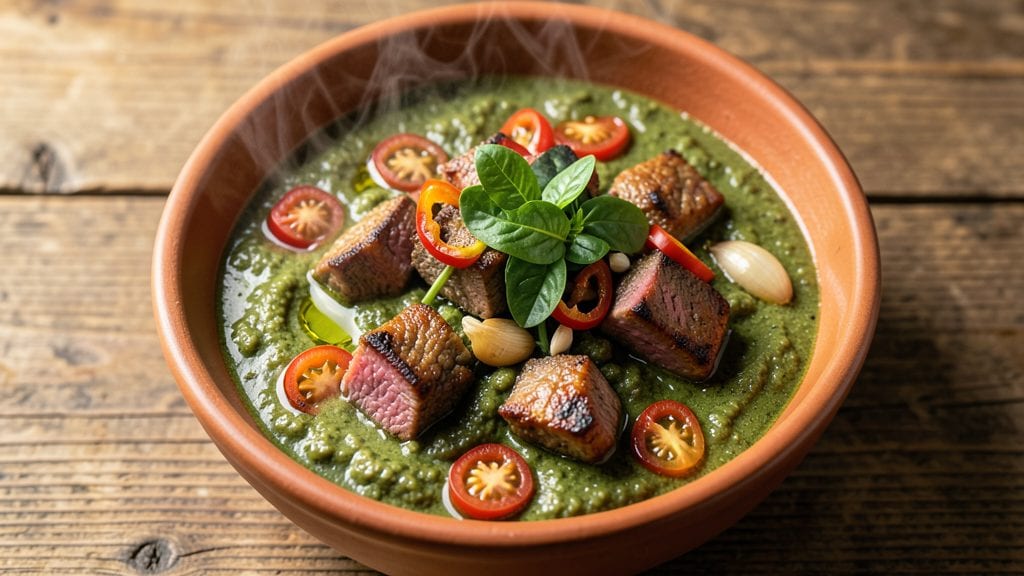
This authentic egusi soup recipe brings the rich, nutty comfort of West African home cooking to your kitchen—one pot, deep flavors, and no shortcuts.
After years of perfecting this dish alongside my grandmother, I’ve honed a method that delivers the perfect balance of earthy egusi seeds, tender meat, and vibrant vegetables, all simmered into a velvety, melanin-rich broth that tastes like home.
The key lies in proper blending, slow simmering, and layering flavors just as traditional cooks do.
What makes this recipe truly special is its authenticity—no store-bought blends or rushed techniques here.
We start with freshly ground egusi seeds (or high-quality pre-ground seeds) for that signature nutty depth, then build the soup layer by layer: meat first for deep flavor, then vegetables that soften perfectly, and finally the egusi paste that thickens the broth into a luscious, comforting texture.
It’s a dish that demands patience but rewards you with a meal that feels like a hug in a bowl.
The result is a soup that’s hearty enough to stand alone but pairs beautifully with staples like pounded yam, fufu, or even steamed rice. Each spoonful delivers a symphony of flavors—smoky from the blended spices, rich from the meat, and velvety from the egusi.
This is the kind of recipe that transforms a simple weeknight dinner into a celebration of culture and comfort, all while keeping the process straightforward and foolproof.
Ready to make this dish your new go-to? Let’s get cooking—step by step, just as my grandmother taught me. The aroma alone will have everyone at the table asking for seconds before you even serve it.
Ingredients for authentic egusi soup
Sixteen ingredients for a soup that tastes like home—earthy, nutty, and full of tradition.
| Ingredient | Amount | Notes |
|---|---|---|
| Beef (Chuck Roast) 🥩 | 2 lb | Cut into 1-inch cubes, trimmed of fat |
| Egusi Seeds 🌰 | 1 cup | Freshly ground or high-quality pre-ground |
| Fresh Tomatoes 🍅 | 4 whole | Ripe, Roma or vine tomatoes preferred |
| Onions 🧅 | 2 whole | Yellow or red, roughly chopped |
| Garlic Cloves 🧄 | 6 cloves | Peeled, lightly crushed |
| Scotch Bonnet Peppers 🌶️ | 2 whole | Seeds removed for mild heat |
| Fresh Spinach 🌿 | 2 cups | Chopped, loosely packed |
| Fresh Okra 🥒 | 1 lb | Sliced into 1-inch pieces |
| Fresh Uli Leaves (Spinach) 🌿 | 1 cup | Chopped, optional for authenticity |
| Locust Beans (Iru) 🌱 | ½ cup | Fermented, rinsed and chopped |
| Groundnut Oil 🫒 | ½ cup | For frying meat, or substitute vegetable oil |
| Salt 🧂 | 1 ½ tbsp | Adjust to taste |
| Ground Black Pepper 🌶️ | 1 tbsp | Freshly ground preferred |
| Dried Shrimp 🦐 | ¼ cup | Rinsed and chopped, optional |
| Stock Cubes 💧 | 2 whole | Beef or vegetable, dissolved in 4 cups water |
The egusi seeds are the soul of this soup. Freshly ground delivers the best flavor, but if you can't find them, high-quality pre-ground seeds from African markets work too—just make sure they're not rancid. The beef should be chuck roast for tenderness, and I always ask the butcher to cut it into 1-inch cubes. For the tomatoes, Roma or vine tomatoes hold up better than beefsteak when simmering. The scotch bonnet peppers add heat, but you can swap them for habanero or even bell peppers if you prefer mild. If you're lucky enough to find uli leaves (also called African spinach), they bring an extra layer of authenticity—otherwise, regular spinach works just fine.
No groundnut oil? Vegetable or peanut oil is a perfect substitute. The locust beans (iru) are key for that signature tangy depth—if you can't find them, sour oranges or lemon juice can mimic the flavor, though it won't be exactly the same. For the dried shrimp, rinse them well to remove excess salt. The stock cubes are a shortcut, but if you're feeling ambitious, homemade beef stock takes this soup to the next level. Fresh okra is ideal, but frozen works in a pinch—just thaw and slice it before adding. And trust me on the spinach: add it last so it doesn’t turn to mush.
This soup tastes even better the next day—the flavors meld and deepen. Store it in the fridge for up to 5 days, or freeze portions for 3 months. I like to portion it into containers so I can grab a bowl whenever cravings hit. The broth reduces as it sits, so you might need to add a splash of water when reheating. And if you're serving it with pounded yam or fufu, make extra—it disappears fast.
Why You'll Love This Recipe
- No Chopping Marathon: The chuck roast practically melts into tender shreds with just a simmer—no knife skills required. Honestly, I throw in whole garlic cloves and let the pot do the work while I prep the sides.
- Deep Umami Magic: That toasted egusi paste? It’s where the real flavor lives—nutty, earthy, and rich enough to make the beef taste like it’s been slow-cooking for hours. (Between us, I add a splash of palm oil just to take it over the top.)
- Leftovers That Beg Repeat: This soup only gets better the next day. The flavors meld into something so hearty, I’ll often save half for lunch—no reheating drama, just pure satisfaction.
- Budget-Friendly Feast: A single chuck roast stretches to feed four, and egusi seeds cost pennies per serving. I’ll be real: my grocery bill stays low, but my dinner table stays full.
Step-by-step instructions for authentic egusi soup
Here's how to create a rich, nutty egusi soup that brings comfort to every bite.
Brown the Beef for Deep Flavor
Heat the 0.5 cup groundnut oil in a large pot over medium-high heat. Add the 2 lb beef (chuck roast) cut into 1-inch cubes and brown on all sides—this takes about 5-7 minutes. You'll know it's ready when the beef develops a rich, caramelized crust and releases easily from the pot.
Remove the beef and set it aside. In the same pot, add the 2 whole onions and 6 cloves garlic cloves, cooking for 3-4 minutes until the onions soften and the garlic becomes fragrant. This aromatic base forms the foundation of your soup's flavor.
Build the Soup Base with Tomatoes and Spices
Add the 4 whole fresh tomatoes (chopped) and 2 whole scotch bonnet peppers (seeds removed and chopped) to the pot. Cook for 5 minutes until the tomatoes break down and the mixture thickens slightly. Season with 1.5 tablespoons salt and 1 tablespoon ground black pepper.
Stir in the 2 whole stock cubes dissolved in 4 cups water and bring the mixture to a gentle boil. Add the browned beef back into the pot, along with the 0.25 cup dried shrimp (rinsed and chopped). Reduce heat to low and let it simmer for 30 minutes—this allows the beef to tenderize and the flavors to meld.
Incorporate the Egusi and Okra
While the beef simmers, prepare the 1 cup egusi seeds by grinding them into a fine powder (if not pre-ground). Gradually whisk the egusi into the soup, stirring continuously to prevent clumping. The soup will thicken noticeably as the egusi absorbs liquid—this is normal and essential for texture.
Add the 1 lb fresh okra (sliced into 1-inch pieces) and the 0.5 cup locust beans (iru) (fermented, rinsed, and chopped). Simmer for another 15 minutes until the okra softens slightly and the locust beans break down, releasing their earthy flavor. The soup should now have a rich, nutty aroma and a thick, velvety consistency.
Finish with Leafy Greens and Adjust Seasoning
Stir in the 2 cups fresh spinach and 1 cup fresh uli leaves (spinach) (chopped). Cook for 2-3 minutes until the greens wilt completely. The soup should now be vibrant green with a deep, earthy hue—this is your signal that the greens are fully incorporated.
Taste and adjust the seasoning if needed. The soup should be rich, nutty, and slightly spicy from the scotch bonnet peppers. Serve immediately with pounded yam, fufu, or eba to complete the meal.
Pro Tips For Making Authentic Egusi Soup
- Sear the Beef Hard: Don’t just brown the chuck roast—get it deep golden and slightly crusty on all sides. I learned this the hard way when my soup tasted bland because the beef barely touched the pan. Use medium-high heat and let it sit undisturbed for 2-3 minutes per side. (Yes, even if it sticks a little—it’s worth it.)
- Toast the Egusi: Dry-roast the egusi seeds in a hot, empty pan for 1-2 minutes until they smell nutty and fragrant. This removes bitterness and deepens the flavor—skipping this step means your soup will taste raw and grassy. Stir constantly or they’ll burn faster than you think.
- Blend Tomatoes Smooth: Peel and deseed the tomatoes before blending, then strain the pulp through a fine-mesh sieve to remove skins and seeds. I used to skip this, and my soup ended up with a weird, watery texture. A smooth, seedless blend ensures a rich, velvety base—no one wants chunky tomato bits in their egusi.
- Simmer Low and Slow: After adding the egusi paste and beef stock, reduce heat to the lowest setting possible and let it cook uncovered for at least 45 minutes. Rushing this step means the egusi won’t fully bloom, and the soup will taste thin and unfinished. Patience here makes all the difference—trust me, it’s worth the wait.
Wine and beer pairings for authentic egusi soup
Malty African Beers
Egusi soup’s rich, nutty depth pairs beautifully with malty African lagers like Nigerian Guinness or Star Lager. The beer’s caramel notes complement the egusi’s earthiness while cutting through the soup’s richness.
I’ve found that Guinness, with its roasted barley flavor, mirrors the soup’s deep umami perfectly. Serve slightly chilled to balance the dish’s warmth. 🍺
Light-Bodied Whites
For a refreshing contrast, try a crisp South African Chenin Blanc or Kenyan Pinot Grigio. These wines have bright acidity that cleanses your palate between hearty spoonfuls. The citrus notes in Chenin Blanc also echo the scotch bonnet peppers in the soup.
I like to serve it at 50°F—just cool enough to refresh without overpowering. 🍷
Spiced Rum Cocktails
For a festive touch, mix dark rum with a splash of pineapple juice and a dash of nutmeg. The rum’s caramel undertones enhance the egusi’s nuttiness, while the pineapple adds a tropical brightness.
Serve in a tiki mug for that extra West African-inspired flair. This pairing works especially well for Sunday family dinners. 🌴
Local Nigerian Options
If you’re serving this soup in Nigeria, pair it with Chibuku (a traditional sorghum beer) for an authentic experience. The beer’s earthy, slightly sour profile balances the soup’s richness beautifully.
For a modern twist, try Heineken—its crispness contrasts nicely with the soup’s depth. Both options are widely available at local markets. 🍻
Non-Alcoholic Pairings
For a family-friendly option, serve hibiscus tea (zobo) or ginger-infused water. The tartness of zobo complements the soup’s savory notes, while ginger water adds a refreshing zing. These drinks also help cleanse the palate between bites, making them perfect for all ages. 🌿
Pro Tip: Temperature Matters
Always serve drinks slightly cooler than room temperature—around 50-55°F—to enhance their refreshing qualities. I like to chill my beer for 20 minutes in the fridge before serving, while wines should breathe for 10 minutes after opening. This small step makes a big difference in flavor harmony. ❄️
Nutrition facts
Frequently asked questions
Can I substitute beef with another protein in this recipe?
This soup works beautifully with chicken thighs (for tenderness), goat meat (traditional in many regions), or even smoked fish like mackerel. If using fish, reduce simmering time to 15 minutes to avoid overcooking. The key is choosing a protein that can withstand long cooking without turning mushy.
How do I prevent the egusi from clumping when adding it to the soup?
Always mix the egusi seeds with a small amount of hot water or broth first to create a smooth paste before adding it to the pot. Stir continuously while pouring to prevent lumps. For extra insurance, sift the dry egusi through a fine-mesh strainer before blending. This ensures even distribution and that signature velvety texture.
What's the best way to store leftovers and reheat?
Store in an airtight container in the fridge for up to 5 days or freeze for 3 months. To reheat, add 2-3 tablespoons of water per serving and simmer gently over low heat for 5-10 minutes—never microwave directly from frozen. The soup thickens as it cools, so adjust with water as needed.
Why does my egusi soup taste bitter?
Bitterness usually comes from overcooking the egusi or using rancid seeds. Always use freshly ground or high-quality pre-ground egusi, and simmer the soup for no longer than 1 hour total. If needed, balance the flavor with a pinch of sugar or extra tomatoes. The scotch bonnet peppers can also contribute bitterness—remove seeds completely for milder heat.
Can I make this soup without okra?
Yes, but you'll miss the soup's signature texture! If skipping okra, add 1 extra cup of spinach or 1 cup of chopped green beans for body. For a similar thickening effect, blend 1/4 cup of the soup (including some spinach) and stir it back in. The soup will still be delicious, just slightly less viscous.