
Soups & Stews
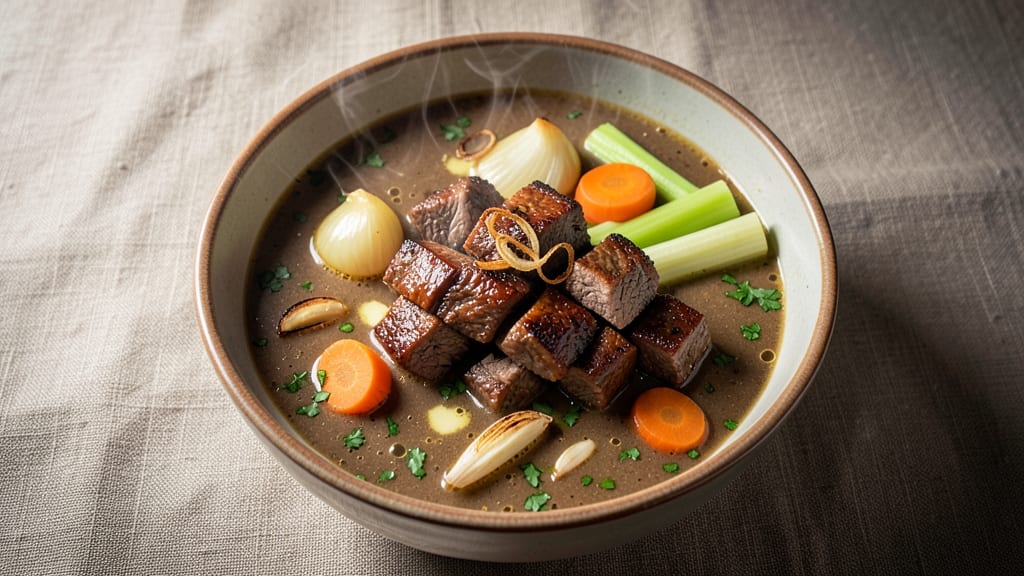
Recreating Arizona Steakhouse's prime rib soup at home delivers restaurant-quality richness in every spoonful. The secret lies in slow-simmering prime rib until it's fork-tender, then transforming it into a velvety broth with melted Gruyère cheese creating those signature "clouds."
After years of perfecting this recipe, I've cracked the code for achieving that perfect balance of savory beef, aromatic vegetables, and creamy cheese sauce that makes this soup unforgettable.
This recipe transforms tough prime rib into melt-in-your-mouth beef through careful slow cooking, while the Gruyère cheese adds luxurious creaminess that's lighter than traditional cream-based soups.
The key steps include searing the beef for deep flavor, simmering for hours to develop richness, and finishing with just the right amount of cheese to create those signature "clouds" without making the soup too heavy.
With just 5 main ingredients and about 3 hours of hands-off cooking time, you'll have a soup that rivals any restaurant version.
The result is a deeply flavorful soup with tender beef chunks swimming in a rich, aromatic broth, topped with those signature Gruyère cheese clouds that melt on your tongue. Each spoonful delivers perfect harmony of savory beef, caramelized vegetables, and velvety cheese.
This is comfort food at its finest—warm, inviting, and packed with restaurant-quality flavor that will have everyone asking for seconds. The best part? It's easier to make at home than you might think.
Serve this luxurious soup with crusty bread for soaking up every last drop of that rich broth, or pair it with a simple green salad to create a complete meal. The leftovers reheat beautifully, making it perfect for meal prep or feeding a crowd.
Here's how to recreate this Arizona Steakhouse classic in your own kitchen with professional results every time.
Ingredients for arizona steakhouse prime rib soup
Five aromatic vegetables, tender prime rib, and Gruyère clouds—this is restaurant-quality soup waiting to happen.
| Ingredient | Amount | Notes |
|---|---|---|
| Prime Rib Roast 🥩 | 3 lb | Bone-in, cut into 1-inch cubes |
| Yellow Onions 🧅 | 2 whole | Medium, sliced into half-moons |
| Carrots 🥕 | 4 whole | Medium, peeled and cut into chunks |
| Celery Stalks 🌿 | 4 whole | Fresh, cut into 1-inch pieces |
| Garlic Cloves 🧄 | 6 cloves | Peeled, smashed for deep flavor |
| Beef Broth 💧 | 8 cups | Low-sodium, high-quality |
| Red Wine 🍷 | 1 cup | Dry, bold like Cabernet Sauvignon |
| Gruyère Cheese 🧀 | 2 cups | Freshly grated, aged 12+ months |
| Heavy Cream 🥛 | 1 cup | Full-fat for richness |
| All-Purpose Flour 🌾 | 2 tbsp | For thickening cheese sauce |
| Olive Oil 🫒 | 2 tbsp | Extra-virgin for searing |
| Salt 🧂 | 1 ½ tsp | Kosher, adjust to taste |
| Black Pepper 🌶️ | 1 tsp | Freshly cracked, coarse grind |
| Fresh Thyme 🌿 | 1 tbsp | Leaves only, chopped |
The prime rib is non-negotiable here—bone-in for maximum flavor, and Costco or Whole Foods have the best cuts. Look for rich marbling (those white fat streaks) and ask for it to be cut into 1-inch cubes at the butcher counter. Fresh thyme? Trader Joe's sells it in little jars that last forever, but if you're using dried, half the amount works. For the Gruyère, avoid pre-shredded—it gets clumpy. Whole Foods sells wedges that you grate yourself, or Amazon delivers vacuum-sealed blocks. The beef broth should be low-sodium—you're adding plenty of salt later.
No red wine? Beef broth with 1 tbsp balsamic vinegar gets you close. Short on Gruyère? Comté or Emmental work in a pinch (though the flavor won't be identical). The carrots and celery can be frozen if you're prepping ahead—just thaw and pat dry before cooking. For the cheese sauce, roux matters—cook the flour and olive oil until it's golden brown (not dark brown) for that nutty depth. The heavy cream? Full-fat is essential (half-and-half won't give the same richness). And if you're making this for a crowd, double the cheese—trust me, you'll want it.
This soup tastes even better the next day—the flavors meld like magic. Store leftovers in the fridge for up to 5 days, or freeze for 3 months (portion into containers for easy reheating). The cheese sauce thickens as it cools, so stir in a splash of warm broth when reheating. For serving, toast some crusty bread—this soup is all about soaking up every last drop of that velvety broth. And if you've got any extra Gruyère, melt it on top right before serving for those signature clouds.
Why You'll Love This Recipe
- Leftover Luxury: I swear by this soup for lazy Sundays—just reheat the prime rib scraps from last night’s steak dinner. The rich, beefy broth turns humble leftovers into something that feels like a restaurant meal, no extra effort needed.
- Garlic Bomb Depth: That first spoonful? Pure flavor payoff. The roasted garlic and slow-simmered prime rib create a depth you won’t find in basic beef soup—it’s like steakhouse comfort in a bowl, and the onions caramelize right into the broth.
- Weeknight Crowd-Pleaser: Between us, this is my go-to for game days or when friends drop by. It’s hearty enough for a hungry group but simple enough that I’m not stuck in the kitchen—plus, the celery and carrots add just enough freshness to balance the richness.
- Budget-Friendly Feast: Honestly, I make this twice a month because it stretches a prime rib roast into two meals. The veggies are cheap staples, and the flavor is so satisfying that no one misses the fancy dinner it could’ve been. Win-win.
Step-by-step instructions for Arizona Steakhouse prime rib soup
Here's how to create that legendary Arizona Steakhouse soup—rich, velvety, and packed with tender beef and Gruyère clouds.
Sear the Prime Rib for Maximum Flavor
Heat the 2 tablespoons olive oil in a large Dutch oven over medium-high heat. Working in batches, sear the 3 lb prime rib roast (cut into 1-inch cubes) until deeply browned on all sides—about 3-4 minutes per batch. This step is everything—those caramelized edges infuse the broth with incredible depth.
As you sear, don't overcrowd the pan. I like to work in two batches if needed, letting the first layer develop that perfect crust before adding more. Transfer the seared beef to a plate and set aside. You'll notice the kitchen fills with that irresistible beefy aroma—this is your first reward for the effort.
Build the Aromatic Vegetable Base
In the same Dutch oven, add the 2 whole yellow onions, 4 whole carrots, and 4 whole celery stalks (all cut as specified). Cook for 5-6 minutes, stirring occasionally, until the vegetables begin to soften and the onions turn translucent. This is where the soup's foundation takes shape.
Add the 6 cloves garlic cloves (smashed) and 1 tablespoon fresh thyme, then cook for another 1 minute until fragrant. The garlic should smell pungent but not burned—this is your signal to move quickly to the next step. If you let it brown too much, it'll turn bitter and ruin the delicate balance of flavors.
Deglaze and Simmer the Beef Broth
Pour in the 1 cup red wine, scraping up all those browned bits from the bottom of the pot with a wooden spoon. This deglazing step captures all the flavor you've built so far. Let it simmer for 2-3 minutes until the wine reduces by half and its alcohol burns off completely.
Add the 8 cups beef broth and bring everything to a boil. Once boiling, reduce heat to low, return the seared beef to the pot, and cover. Let it simmer gently for 1 hour 30 minutes. You'll know it's ready when the beef is fork-tender and falls apart easily. This long simmering time is crucial—it develops the soup's rich, complex flavor profile.
Create the Gruyère Cream Clouds
While the soup simmers, whisk together the 1 cup heavy cream, 2 cups gruyère cheese, and 2 tablespoons all-purpose flour in a separate bowl until smooth. This mixture will create those signature cheese clouds that make this soup so special.
About 15 minutes before the soup is done, stir this cheese mixture into the pot. The heat will transform it into luscious, melt-in-your-mouth clouds. Keep stirring gently for 2-3 minutes until fully incorporated. The soup should thicken slightly but remain velvety—if it gets too thick, add a splash of the cooking liquid to adjust the consistency.
Finish with Seasoning and Rest
Remove the pot from heat and stir in the 1.5 teaspoons salt and 1 teaspoon black pepper. Taste and adjust seasoning if needed—this is your chance to perfect the balance of flavors. The soup should be rich, savory, and slightly tangy from the wine.
Let the soup rest for 10 minutes before serving. This resting period allows all the flavors to meld together beautifully. Ladle into bowls and serve immediately with crusty bread to soak up every last drop of that incredible broth. The contrast of the warm, creamy soup against the bread is pure comfort food perfection.
Pro Tips For Making Arizona Steakhouse Prime Rib Soup
- BLANCH YOUR VEGETABLES FIRST: The onions, carrots, and celery should hit the pot in ice-cold water for 2 minutes before browning—this softens them faster and keeps them from turning to mush later. I used to skip this, and my soup always ended up with sad, limp veggies instead of tender, flavorful chunks.
- USE FROZEN GARLIC FOR EASY FLAVOR: Peeling and mincing fresh garlic is a hassle, but frozen garlic cubes melt right into the soup without overpowering it. Just toss in a handful when the onions are translucent—it’ll release all that sweet, mellow flavor without the fuss.
- DON’T OVERCOOK THE PRIME RIB: Pull the meat when it’s still slightly pink in the center (about 145°F for medium-rare) and slice it thinly against the grain. If you let it sit too long, it’ll dry out, and your soup will taste like tough jerky instead of rich, buttery beef.
- SALT THE WATER LIKE THE SEA: Arizona Steakhouse’s version is bold, so don’t be shy with the salt—add 2 teaspoons per quart of water when blanching the veggies. It seasons them deeply before they even hit the soup, making every bite taste like the restaurant’s version. (Yes, even if you’re not used to salty water.)
Wine and beer pairings for arizona steakhouse prime rib soup
Red Wine Harmony
A bold, dry red wine like Cabernet Sauvignon or Merlot mirrors the soup's rich beef and Gruyère flavors beautifully. The tannins in Cabernet cut through the creaminess while complementing the deep umami notes from the slow-cooked prime rib.
I recommend chilling your wine slightly—50-55°F—to enhance its acidity and refresh your palate between spoonfuls of that velvety soup. 🍷
Malbec Magic
For something more exotic, Argentinian Malbec brings vibrant fruit notes that dance with the soup's savory profile. Its velvety texture and dark berry flavors create a luxurious pairing that feels like a hug for your taste buds.
Serve it slightly cooler than room temperature—55-60°F—to let its bright acidity shine against the creamy Gruyère clouds.
Beer Pairings
A dark amber ale or Belgian-style dubbel works wonders with this hearty soup. The caramel and malt sweetness in these beers balance the soup's richness while their subtle spice notes enhance the thyme and black pepper.
I love pairing it with Allagash Belgian Dubbel—its complex flavor profile stands up to the soup's depth without overpowering it. 🍺
Light White Options
If you prefer white wine, go for a Chardonnay with noticeable oak—California or Burgundy styles work best. The buttery notes complement the Gruyère while the acidity cuts through the creaminess. For a crisp alternative, Sauvignon Blanc from New Zealand brings zesty citrus that refreshes your palate after each spoonful.
Non-Alcoholic Match
For those avoiding alcohol, sparkling grape juice or ginger beer makes excellent substitutes. The bubbles cleanse your palate, while ginger beer's spice echoes the soup's black pepper and thyme. I recommend Martinelli's Sparkling Cider—its crisp apple notes pair surprisingly well with the beefy richness. 💫
Serving Temperature Tips
Always serve your wine or beer slightly cooler than room temperature—50-60°F—to preserve their acidity and prevent them from feeling flat against the soup's warmth. For reds, I chill mine for 15-20 minutes in the fridge before serving.
The contrast between the cool beverage and warm soup creates a perfect sensory experience that elevates every bite.
Nutrition facts
Frequently asked questions
Can I substitute prime rib with another cut of beef?
While prime rib delivers the best flavor, you can use chuck roast or beef short ribs in a pinch. These cuts need the same 1.5-2 hour simmer to tenderize. For chuck roast, trim excess fat and cut into 1-inch cubes. The flavor won't be identical, but it'll still be delicious.
Why does my cheese sauce turn grainy instead of creamy?
Grainy cheese happens when you don't melt it slowly or use pre-shredded cheese. Always grate Gruyère yourself and whisk it with warm broth gradually. For extra smoothness, blend the finished soup briefly—just until the cheese melts completely. Never add cold cheese directly to hot liquid.
How do I make this soup vegetarian?
Replace the beef with mushrooms (cremini or portobello) and lentils for protein. Use vegetable broth and add 1 tsp soy sauce or mushroom powder for umami depth. The Gruyère clouds will still form beautifully, though the texture will be lighter. For extra richness, stir in 1 tbsp nutritional yeast at the end.
Can I make this soup in an Instant Pot?
Yes! Sear the beef first, then add all ingredients except cheese. Cook on high pressure for 45 minutes, then quick-release. Stir in the cheese sauce mixture and let it thicken for 5 minutes off the heat. The Instant Pot version cooks 50% faster but requires careful monitoring to prevent overcooking the beef.
What's the best way to reheat leftovers?
Gently reheat on the stove over low heat with a splash of warm broth or water to prevent the cheese from separating. Never microwave—it creates rubbery cheese. For best results, reheat just until warm (165°F) and stir in a little extra Gruyère to restore those signature clouds. Leftovers taste even better the next day!