
Soups & Stews
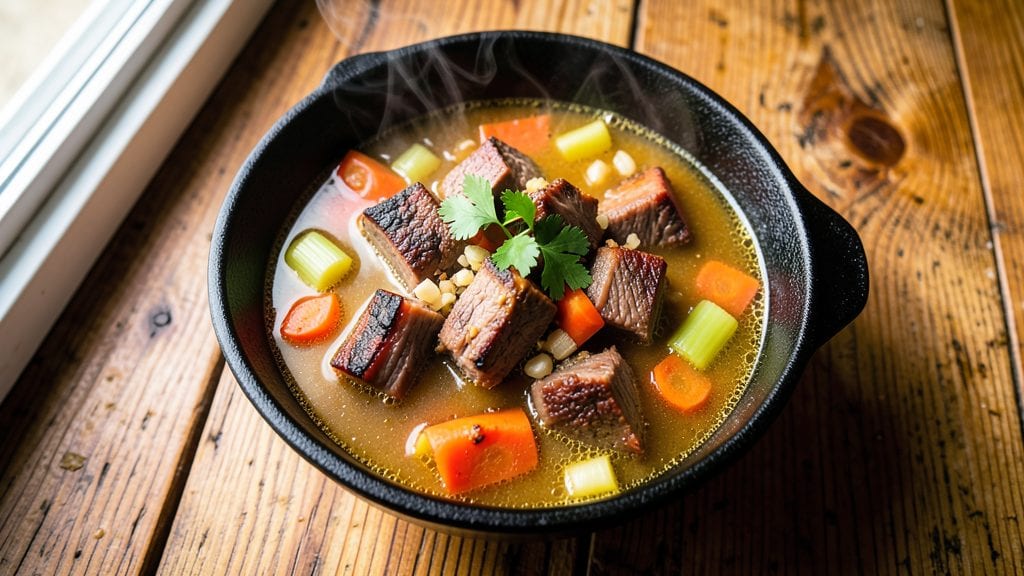
Transforming leftover prime rib into a rich, smoky beef fondue soup is one of the most rewarding ways to repurpose holiday leftovers—this recipe turns tough cuts into velvety, flavor-packed broth with crispy herb topping that adds texture.
The key lies in deglazing the roasting pan to capture every last drop of caramelized flavor, then simmering with aromatic vegetables until the beef practically melts into the broth. What starts as a simple repurposing task becomes a sophisticated, restaurant-worthy dish with just a few strategic techniques.
This method preserves all the deep, smoky richness of the original roast while adding fresh herbs and vegetables for brightness. The crispy herb topping—made from toasted breadcrumbs, fresh parsley, and garlic—provides a satisfying contrast to the silky soup, ensuring every spoonful delivers both comfort and elegance.
The process is straightforward but requires patience: letting the broth develop its depth through slow simmering and carefully balancing seasonings to complement the beef's natural intensity.
By the time you serve this soup, you'll have a dish that feels indulgent yet effortless—perfect for chilly evenings or special gatherings. The crispy herb garnish adds a professional touch without complicating the recipe, while the velvety broth and tender beef make every bite satisfying.
This is how you turn leftovers into a centerpiece dish that impresses without the holiday stress.
The beauty of this recipe lies in its flexibility: adjust vegetable quantities based on preference, add a splash of red wine for extra depth, or serve with crusty bread to soak up every last drop.
It's the kind of soup that improves overnight as flavors meld, making it ideal for meal prep or last-minute entertaining. Let's get started on creating this luxurious, comforting dish from your holiday prime rib.
Ingredients for leftover prime rib soup
Transform holiday prime rib into velvety, restaurant-quality soup with these 15 carefully chosen ingredients.
| Ingredient | Amount | Notes |
|---|---|---|
| Leftover Prime Rib 🥩 | 1 ½ lb | Diced into 1-inch cubes |
| Roasting Pan Juices 💧 | 2 cups | From original prime rib roast |
| Yellow Onion 🧅 | 1 whole | Diced, medium size preferred |
| Carrots 🥕 | 4 medium | Peeled, cut into 1-inch chunks |
| Celery Stalks 🌿 | 3 whole | Diced, including leaves |
| Garlic Cloves 🧄 | 6 cloves | Minced, fresh preferred |
| Red Wine 🍷 | 1 cup | Dry, bold variety like Cabernet |
| Beef Broth 🍲 | 2 cups | Low-sodium preferred |
| Fresh Thyme 🌿 | 1 tbsp | Leaves only, chopped fine |
| Fresh Parsley 🌿 | ¼ cup | Chopped, stems removed |
| Panko Breadcrumbs 🍞 | ½ cup | For crispy herb topping |
| Extra-Virgin Olive Oil 🫒 | 2 tbsp | For toasting breadcrumbs |
| Diamond Crystal Kosher Salt 🧂 | 1 ½ tsp | Adjust to taste |
| Freshly Ground Black Pepper 🌶️ | ½ tsp | For seasoning |
| Bay Leaves 🍃 | 2 whole | Removed before serving |
The prime rib is the foundation—look for well-marbled cuts with visible fat cap for maximum flavor. Costco and Whole Foods typically carry high-quality prime rib, but any leftover holiday roast will work. The roasting pan juices are non-negotiable; they carry the deep, smoky essence of the original roast. For vegetables, Trader Joe's organic carrots and celery deliver consistent quality, though any fresh produce works. The red wine should be dry and bold—Caymus Vineyards or Apothic are reliable choices for this application. Fresh herbs are essential for brightness, so Whole Foods or local farmers markets provide the best quality. The Panko breadcrumbs should be light and dry for optimal crispiness—Kirkland Signature is a budget-friendly option that performs well.
No red wine? Beef broth with a splash of balsamic vinegar replicates the depth, though the acidity won't be identical. Substitute dried thyme for fresh at one-third the amount, but fresh is superior for aroma. If you're short on carrots, sweet potatoes add natural sweetness that complements the beef. For the herb topping, walnuts or pecans can replace breadcrumbs if you're avoiding gluten, though texture will differ. The beef broth can be homemade or store-bought—Knudsen or Pacific Foods brands offer excellent quality. For the crispy topping, toast the breadcrumbs in the olive oil until golden brown—they should be crisp enough to stand alone. This step is worth the extra minute, as it elevates the dish from ordinary to extraordinary.
This soup develops better flavors overnight, so prepare it a day ahead if possible. Store in an airtight container in the refrigerator for up to 5 days, or freeze for 3 months for future meals. The crispy herb topping should be added fresh before serving—it loses crispness when reheated. For meal prep, portion the soup into individual containers and store the herb topping separately. The topping can be made up to 2 days in advance and kept at room temperature in an airtight container. When reheating, warm the soup gently on the stove to preserve its velvety texture, adding a splash of water or broth if needed.
Why You'll Love This Recipe
- I’ll be real: Prime rib isn’t cheap, but this soup stretches every last bite into something spectacular. The leftover meat gets repurposed, the pan juices add depth, and you’re left with enough for lunch the next day. My wallet—and my freezer—thank me every time.
- No-Waste Magic: The second a slice of prime rib hits the pan, those roasting juices turn into liquid gold. I swear, the rich, caramelized fond clinging to the meat? That’s where the real flavor lives—and it’s all going into your soup.
- One-Pot Powerhouse: Honestly, this is the kind of recipe that makes me groan when I remember how complicated I used to make soup. Toss in diced onion, carrots, and celery (the holy trinity, don’t skip it), add broth from the roasting pan, and let it simmer. No straining, no fuss—just deep, meaty satisfaction in under an hour.
- Sunday Supper Revival: Between us, this is my go-to for turning a fancy dinner into a cozy weeknight meal. The first time I served it to my in-laws, they asked for the recipe and begged for seconds. (Yes, even on a Tuesday night.) It’s that kind of crowd-pleaser—elegant enough for company but easy enough for when you’re in pajamas.
Step-by-step instructions for leftover prime rib soup
Transform your leftover prime rib into a rich, velvety fondue with a crispy herb topping.
Sear the Leftover Prime Rib
Heat a large Dutch oven over medium-high heat until hot. Add the 1.5 lb leftover prime rib, diced into 1-inch cubes, in a single layer without overcrowding. Let the meat sear undisturbed for 3-4 minutes per side until deeply browned and caramelized. This step develops the deep, smoky flavor that defines the soup.
Once browned, remove the beef with tongs and set aside. You want to preserve that rich, caramelized crust—don't wash it out by scraping the pan. The browned bits will form the foundation of your soup's depth of flavor. If the pan appears dry, add 1 tablespoon of extra-virgin olive oil to help deglaze later.
Build the Soup Base with Aromatics
In the same Dutch oven, add 2 tablespoons of extra-virgin olive oil if needed, then add the diced yellow onion, carrots, and celery stalks. Cook for 5-6 minutes until the vegetables soften and the onion becomes translucent. This is your aromatic trifecta—sautéing them properly ensures they contribute sweetness and depth to the soup.
Add the 6 cloves minced garlic cloves and cook for another 30 seconds until fragrant. Immediately pour in the 1 cup red wine, scraping up any browned bits from the bottom of the pot. Let it simmer for 2-3 minutes until the wine reduces by half, intensifying its flavor. This reduction removes the alcohol's harshness while concentrating the wine's richness.
Simmer the Fondue with Beef and Broth
Return the seared beef to the pot along with the 2 cups roasting pan juices and 2 cups beef broth. Add the 2 whole bay leaves, 1 tablespoon fresh thyme, 1.5 teaspoons diamond crystal kosher salt, and 0.5 teaspoon freshly ground black pepper. Bring the mixture to a gentle boil, then reduce heat to low and let it simmer uncovered for 45-60 minutes.
During this time, the beef will become fork-tender, and the flavors will meld into a harmonious fondue. Stir occasionally to prevent the bottom from sticking. The soup should reduce slightly, becoming thicker and more concentrated. Taste and adjust seasoning—you may need an additional pinch of salt or pepper, depending on the saltiness of your roasting pan juices.
Prepare the Crispy Herb Topping
While the soup simmers, toast the 0.5 cup panko breadcrumbs in a dry skillet over medium heat for 2-3 minutes until golden brown, stirring constantly. Remove from heat and immediately mix in the 0.25 cup chopped fresh parsley and 0.5 teaspoon freshly ground black pepper. Set aside—this topping should stay crispy until served.
Here's the thing—timing matters. The breadcrumbs need to be toasted just before serving to maintain their crunch. If you prepare them too early, they'll lose their texture. Keep them in a warm oven set to 200°F if you need to hold them briefly, but aim to serve them immediately over the soup.
Finish and Serve with Crispy Topping
Once the soup has simmered and the beef is tender, remove the bay leaves and discard them. Taste the soup again and adjust seasoning if needed. Ladle the soup into bowls, then sprinkle generously with the crispy herb topping. The contrast between the velvety fondue and the crunchy, herby breadcrumbs is what makes this dish extraordinary.
Serve immediately with crusty bread on the side. The crispy topping will soften slightly as it absorbs the soup's heat, but it should still provide a delightful textural contrast. Each spoonful delivers layers of flavor—rich, smoky beef, aromatic vegetables, and the bright, herby crunch of the topping.
Pro Tips For Making Leftover Prime Rib Soup
- Sear the Bones First: Those leftover prime rib bones? Don’t skip the quick sear in the same pan you’ll use for the soup. A 2-minute char on medium-high heat pulls out deeper flavor from the meat and fat—skip this, and your broth stays flat. I learned this after making soup from bones that just simmered, and it was noticeably less rich.
- Strain Twice, Strain Smart: Use a fine-mesh strainer first to catch big chunks, then a cheesecloth-lined sieve for the second pass. The cheesecloth grabs the fine particles that make the difference between "good" and "wow." (Yes, it’s messy, but your soup will taste like it belongs in a steakhouse.)
- Don’t Boil the Onions: Sauté the onions until they’re soft but still holding shape—about 8-10 minutes—before adding liquid. Boiling them turns them mushy and dulls their sweetness. I used to rush this step and wondered why my soup tasted bland.
- Deglaze with Cold Juices: Pour in the cold roasting pan juices (fat and all) after the onions soften. The cold fat helps lift flavors off the pan instead of just steaming away. Scrape every last bit—those browned bits are flavor gold. (I know, I know, but trust the process.)
Serving suggestions for leftovers
Crusty Bread Pairings
Serve this soup with crusty baguettes or sourdough loaves for the ultimate dipping experience. I recommend Breads Bakery's artisanal sourdough—its dense, chewy crust soaks up the rich fondue beautifully. For a lighter option, Focaccia from Trader Joe's adds a buttery, olive-infused contrast that complements the beef's smokiness. 🥖
Garnish Upgrades
Elevate the dish with fresh watercress or arugula as a garnish—its peppery bite cuts through the richness. I also love adding thinly sliced radishes for a crisp, refreshing element.
For extra luxury, drizzle with truffle oil (just ½ teaspoon) right before serving. The earthy aroma pairs perfectly with the beef's depth.
Cheese Pairings
Add a wedge of aged Gruyère or Comté cheese on the side for guests to sprinkle into their bowls. The nutty, caramelized flavors of these cheeses enhance the soup's richness without overpowering it. For a sharper contrast, try blue cheese crumbles—just 2 tablespoons adds a bold, tangy kick. 🧀
Wine & Beer Pairings
A bold Cabernet Sauvignon or Malbec complements the soup's depth, especially if you used the same wine in the recipe. For beer lovers, a dark ale like Guinness or a porter balances the richness with malty sweetness.
I also enjoy a crisp Sancerre for those who prefer white wine—its citrus notes brighten the dish. 🍷
Herb & Spice Finishes
Finish each bowl with a sprinkle of fresh chives or tarragon for an extra layer of freshness. A pinch of smoked paprika (just ¼ teaspoon) adds warmth, while crushed juniper berries (a tiny pinch) bring a piney depth that mirrors the prime rib's natural flavors.
These touches make the soup feel even more restaurant-worthy. 🌿
Make-Ahead Serving Tips
If serving later, reheat the soup gently on the stovetop over low heat and add a splash of beef broth if it thickens too much. Keep the crispy herb topping separate until serving—it loses texture when reheated.
For a crowd, assemble bowls just before serving to maintain the topping's crunch. This soup tastes even better the next day as flavors meld further. ⏳
Nutrition facts
Frequently asked questions
Can I use frozen prime rib instead of leftovers?
Fresh prime rib leftovers work best for this recipe since they've already developed rich flavors. If you must use frozen beef, thaw it completely in the fridge first, then follow the searing instructions carefully. The texture won't be identical—frozen beef can become slightly tougher when reheated—but it will still create a flavorful soup. For best results, use beef that's been cooked and cooled for at least 24 hours before making the soup.
How do I prevent the soup from becoming too salty?
The roasting pan juices often contain concentrated salt, so taste before adding all the seasoning. If needed, dilute the broth with ½ cup additional water or low-sodium beef broth and simmer for 10 minutes longer to balance flavors. For the crispy topping, use unsalted breadcrumbs to avoid extra sodium. Always adjust seasoning gradually—you can't remove excess salt later.
Can I make this soup in a slow cooker?
Yes! Sear the beef first in a skillet, then transfer everything to the slow cooker. Use the low setting for 6-8 hours instead of simmering on the stove. The slow cooker method is perfect for hands-off prep, but you'll lose some of the caramelized depth from the pan. For extra richness, add 1 tablespoon tomato paste when combining ingredients. The crispy topping should still be made fresh before serving.
What if I don't have red wine?
No problem! Substitute with 1 cup beef broth plus 1 tablespoon balsamic vinegar for depth, or use 1 cup apple cider for subtle sweetness. For a non-alcoholic option, try 1 cup cranberry juice—it adds tangy brightness that complements the beef. The key is maintaining acidity to balance the richness.
How can I make this soup gluten-free?
Replace the panko breadcrumbs with crushed gluten-free crackers or toasted almond flour for the crispy topping. For extra crunch, use crushed gluten-free pretzels mixed with chopped parsley. The texture will differ slightly, but it maintains the herby contrast. Just ensure all other ingredients (like broth) are certified gluten-free.