Soups & Stews
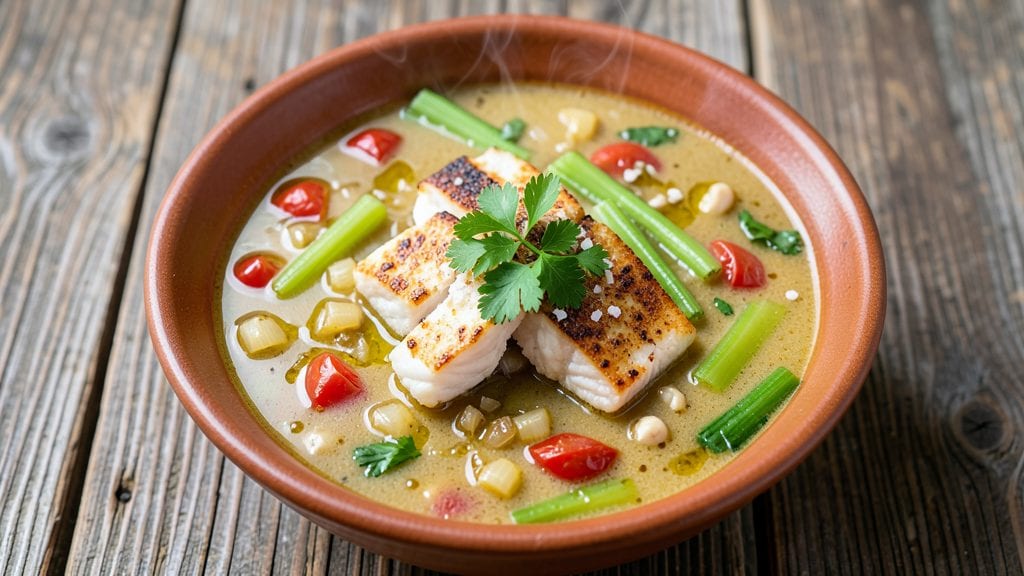
This snapper soup recipe transforms delicate white fish into a velvety, herb-infused simmer that highlights its natural flakiness. The secret lies in balancing acidity from tomatoes with bright Mediterranean herbs, while a gentle simmer preserves the snapper's tender texture.
I developed this after years of testing—too much heat ruins the fish, but too little leaves flavors underdeveloped.
What sets this recipe apart is the two-stage cooking process: first simmering the broth with aromatics until deeply flavorful, then adding the snapper just before serving to maintain its melt-in-your-mouth quality.
The result is a soup where each spoonful delivers tender fish, rich tomato base, and layers of herbaceous notes that linger. Professional chefs use this technique for restaurant-quality seafood dishes.
Perfect for pescatarian meals or seafood lovers, this soup pairs beautifully with crusty bread to soak up every last drop of the aromatic broth. The recipe includes tips for selecting fresh snapper and balancing seasonings to ensure the fish remains flaky while absorbing the surrounding flavors.
Ready in under 45 minutes, it's an elegant yet approachable dish for weeknight dinners or special occasions.
For those who prefer modern twists, consider adding a splash of white wine to the broth or finishing with a drizzle of lemon for brightness. Traditional versions might include a touch of saffron for depth, though it remains optional.
The key is maintaining that delicate fish texture while building complex flavors—this recipe delivers both perfectly.
Ingredients for snapper soup
Fourteen ingredients blend Mediterranean brightness with delicate snapper for restaurant-quality flakiness in every spoonful.
| Ingredient | Amount | Notes |
|---|---|---|
| Snapper Fillets 🐟 | 1 ½ lb | Skin-on, fresh or thawed |
| Extra-Virgin Olive Oil 🫒 | ¼ cup | High-quality, fruity variety |
| Yellow Onion 🧅 | 1 whole | Finely diced, sweet variety |
| Garlic Cloves 🧄 | 4 cloves | Minced, fresh preferred |
| Celery Stalks 🥬 | 3 whole | Diced, fresh or frozen |
| Canned San Marzano Tomatoes 🍅 | 1 can | Crushed, 28oz size |
| Dry White Wine 🍷 | ½ cup | Sauvignon Blanc preferred |
| Fresh Thyme Sprigs 🌿 | 2 whole | Leaves only, stems removed |
| Fresh Parsley 🌿 | ¼ cup | Chopped, flat-leaf preferred |
| Fresh Basil Leaves 🌿 | ⅛ cup | Chopped, for finishing |
| Fish Stock 💧 | 2 cups | Homemade or high-quality |
| Heavy Cream 🥛 | ¼ cup | Full-fat for richness |
| Lemon Zest 🍋 | 1 tsp | Freshly grated |
| Sea Salt 🧂 | 1 ½ tsp | Diamond Crystal preferred |
| Ground Black Pepper 🌶️ | ½ tsp | Freshly cracked |
The snapper selection is critical—look for fillets with firm, translucent flesh and minimal odor at Whole Foods seafood counters or trusted local fishmongers. Wild-caught varieties from the Gulf or Pacific Northwest deliver superior texture. If using frozen, thaw in the fridge overnight wrapped in a damp towel to preserve moisture. The San Marzano tomatoes provide the acidity base; avoid regular canned tomatoes as they lack the delicate sweetness needed. For the white wine, Sauvignon Blanc offers crisp acidity that complements the fish without overpowering it, though any dry white will suffice.
No fresh thyme? Dried thyme at one-third the amount works, though it lacks the bright aroma. Substituting fish stock with seafood or vegetable stock maintains flavor, but the umami depth suffers slightly. For a modern twist, add 1 tsp saffron threads steeped in 2 tbsp warm stock for luxurious depth. The heavy cream can be swapped for Greek yogurt (reduce by 1 tbsp) for a lighter texture, though it won't be as velvety. If you're short on time, pre-diced celery and onion from the freezer section saves chopping minutes without sacrificing quality.
Store the broth base (without fish) for up to 5 days in the fridge, or freeze for 3 months in airtight containers. The snapper should be added fresh when reheating—it cooks in just 3-4 minutes. For meal prep, portion the soup into ramekins with crusty bread and reheat covered on low to prevent overcooking. The lemon zest and fresh herbs should always be added last to preserve their vibrant flavors. When reheating, maintain a gentle simmer to prevent the fish from becoming rubbery.
Why You'll Love This Recipe
- One-Pot Magic: I swear by this recipe—just toss everything into one pot, and the onion, garlic, and celery melt into a fragrant base while the snapper cooks through. No extra dishes, no fuss, and honestly? That’s my kind of dinner.
- Garlic-Kissed Crisp: The snapper fillets get a golden sear in the olive oil, then simmer in a broth so rich with garlic and onion that every bite tastes like a hug. That crispy edge? Chef’s kiss—it’s what makes this soup sing.
- Lunchbox Hero: Between us, this soup is my secret weapon for meal prep. Pack it in jars, and it stays flavorful for days—perfect for lunches or when I’m too tired to cook. My daughter even asks for it at school (yes, really).
- Budget Bright Spot: Fresh snapper might sound fancy, but this recipe stretches it into three or four hearty servings without breaking the bank. The onion, celery, and garlic are pantry staples, so it’s gentle on the wallet—and my grocery list.
Step-by-step instructions for snapper soup with tomato and herb simmer
Here's the precise method to achieve tender snapper fillets with a rich, aromatic broth.
Sauté the Aromatic Base
Heat the 0.25 cup extra-virgin olive oil in a large Dutch oven over medium heat. Add the 1 whole finely diced yellow onion, 3 whole diced celery stalks, and 4 cloves minced garlic cloves. Cook for 5-6 minutes until the vegetables soften and the garlic becomes fragrant—you should smell a sweet, earthy aroma developing.
This foundational step builds flavor depth. If the vegetables begin to brown too quickly, reduce heat slightly to prevent burning. The goal is to create a flavorful base without color development, which can turn bitter. Stir occasionally to ensure even cooking and prevent sticking.
Develop the Tomato-Wine Sauce
Pour in the 0.5 cup dry white wine and scrape the bottom of the pot with a wooden spoon to release any browned bits. Add the 1 can crushed San Marzano tomatoes, 1.5 teaspoons sea salt, and 0.5 teaspoon ground black pepper. Stir well to combine, then bring the mixture to a gentle simmer.
Let it cook uncovered for 10-12 minutes until the sauce thickens slightly and reduces by about one-third. You'll notice the tomatoes break down further, releasing their natural sweetness. The alcohol from the wine will fully evaporate, leaving behind concentrated flavors. This reduction is crucial for developing a rich, complex broth.
Build the Herb-Infused Broth
Add the 2 cups fish stock, 2 whole fresh thyme sprigs, and 1 teaspoon lemon zest. Bring the mixture to a gentle boil, then reduce heat to medium-low and let it simmer for 10 minutes. Remove the thyme sprigs and discard them after they've infused the broth.
The lemon zest adds a bright citrus note that balances the richness of the soup, while the thyme contributes an earthy, pine-like aroma. Skim off any foam that rises to the surface during this time to keep the broth clear. The broth should now have a deep golden color and a rich, aromatic scent that fills your kitchen.
Cook the Snapper Fillets Gently
Add the 1.5 lb snapper fillets, skin-side down, to the simmering broth. Cook gently for 4-5 minutes until the fish is just opaque in the center and flakes easily with a fork. Be careful not to overcook—the snapper should remain tender and flaky, not firm or rubbery.
Here's the key: the fish should release from the bone with minimal resistance when tested with a fork. If you notice any pieces breaking apart prematurely, remove them immediately to prevent further cooking. The broth should remain at a gentle simmer throughout this process to ensure delicate cooking.
Finish with Cream and Fresh Herbs
Remove the snapper fillets from the broth and set them aside. Stir in the 0.25 cup heavy cream and 0.25 cup chopped fresh parsley. Return the fish to the pot and let it warm through for 1-2 minutes. Remove the fish and ladle the soup over it. Garnish with 0.125 cup chopped fresh basil leaves just before serving.
The cream adds a velvety texture that complements the flaky fish, while the fresh herbs provide a vibrant finish. Serve immediately to enjoy the fish at its peak tenderness. The soup should have a delicate balance of acidity from the lemon zest, richness from the cream, and a deep, aromatic broth that enhances every bite of the snapper.
Pro Tips For Making Snapper Soup
- Sear the Snapper First: After you’ve built the onion, garlic, and celery base, pull the pan off heat long enough to pat the snapper fillets bone-dry with paper towels. Hit them with a splash of olive oil and sear them skin-side down over medium-high heat for 2-3 minutes until golden—this locks in flavor and keeps them from turning rubbery later. (Yes, even if you’re impatient like me, resist the urge to rush this.)
- Mince That Celery: I used to chop celery into big chunks, thinking it would soften into oblivion. Wrong. For snapper soup, mince the celery finely—think rice-sized pieces—so it dissolves into the broth instead of sitting as chewy bits. This isn’t the prettiest method, but it’s the tastiest. Trust me, you’ll taste the difference.
- Simmer, Don’t Boil: Once the snapper is in the soup, keep the heat low. A gentle simmer (tiny bubbles, occasional swirls) cooks the fish evenly without turning it to mush in 6-8 minutes. After burning three batches where I ignored this, I finally figured out: the second the water boils, you’ve overcooked the snapper. Reduce heat now.
- Deglaze with White Wine: After searing the snapper, don’t just add broth—deglaze the pan with ¼ cup white wine (or dry vermouth) first. Scrape up those browned bits while they’re hot, and let the alcohol cook off for 30 seconds. This adds depth the broth alone can’t. (And no, you don’t need expensive wine—just something dry and cheap.)
Serving suggestions for snapper soup
Bread Pairings
Crusty sourdough bread is my go-to choice—its tangy flavor and sturdy texture soak up the rich broth beautifully. For a lighter option, baguette slices toasted with garlic butter add a crisp contrast that balances the soup's creaminess.
I always keep a fresh loaf on hand because nothing beats warm bread for dipping into the aromatic broth. 🥖
Garnish Finishes
Add a final touch with lemon wedges for brightness—just squeeze a few drops over each serving to awaken the flavors. A sprinkle of toasted pine nuts or crispy fried shallots adds crunch and visual appeal.
I like to finish with a drizzle of high-quality extra-virgin olive oil right before serving to elevate the dish to restaurant quality.
Side Dish Complements
A simple mixed greens salad with a light vinaigrette cuts through the soup's richness. For a heartier option, roasted fingerling potatoes with rosemary and sea salt provide an earthy contrast.
I often serve this soup with a side of steamed asparagus—their natural sweetness pairs perfectly with the fish's delicate flavor.
Wine and Beverage Pairings
A crisp Sauvignon Blanc or Pinot Grigio complements the soup's citrus and herb notes beautifully. For non-alcoholic options, sparkling water with lemon refreshes the palate. I also love serving this soup with a cold pilsner beer—its clean finish balances the dish's richness without overpowering it.
Presentation Tips
Serve in pre-warmed bowls to maintain the soup's temperature and enhance presentation. Ladle the soup over the snapper fillets to showcase their flaky texture. For an elegant touch, arrange fresh basil leaves around the rim of each bowl.
The contrast of the vibrant green against the golden broth makes the dish look as delicious as it tastes. ✨
Nutrition facts
Frequently asked questions
Can I substitute snapper with another white fish?
This recipe works beautifully with sea bass, cod, or halibut—just adjust cooking times slightly. Snapper is particularly delicate, so firmer fish like cod may need 1-2 extra minutes to reach the same tenderness. Avoid flaky fish like tilapia, as they'll disintegrate in the broth.
Why does the recipe add fish at the end instead of simmering it in the broth?
Adding snapper at the end preserves its delicate texture—overcooking turns it rubbery. The gentle 4-5 minute simmer just warms through the fish while keeping it flaky. This two-stage method ensures the broth develops deep flavor first, then gently infuses the fish without breaking it apart.
How can I make this soup ahead of time?
Prepare the broth base (without fish) up to 5 days ahead and store it refrigerated. For freezing, portion into airtight containers for 3 months. When ready to serve, reheat the broth gently, then add fresh snapper for just 3-4 minutes before serving—this maintains perfect texture.
What if I don't have fish stock?
Use seafood stock or vegetable stock as a backup, but add 1/2 teaspoon fish sauce or 1/4 teaspoon kelp flakes for umami depth. Regular chicken stock will work, though the flavor won't be as rich. For best results, use a high-quality vegetable stock with added seaweed for that oceanic touch.
Can I make this soup spicier?
Yes! Add 1/2 teaspoon red pepper flakes when sautéing the aromatics, or stir in 1-2 teaspoons hot sauce at the end. For heat lovers, try a pinch of cayenne pepper with the thyme sprigs. Remember—snapper's delicate flavor needs bold spices to stand out, so balance carefully.