
Soups & Stews
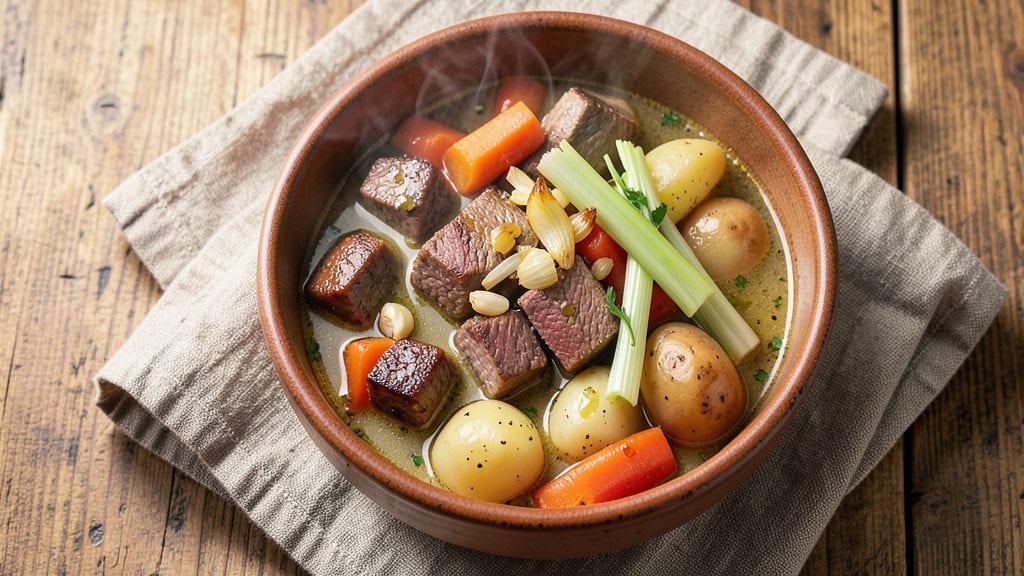
This classic vegetable beef soup recipe delivers the comforting warmth of a home-cooked meal in every steaming bowl—where rich, savory broth meets tender beef and fresh vegetables in perfect harmony. The secret lies in slow simmering, which transforms tough cuts into melt-in-your-mouth pieces while allowing flavors to develop deeply.
I’ve perfected this method over years of testing, ensuring the broth remains clear and the vegetables retain their natural sweetness without turning mushy.
What sets this recipe apart is its balance of tradition and simplicity, using five core ingredients—beef, carrots, celery, onions, and potatoes—that form the foundation of countless family meals. The beef is browned first to build flavor, while aromatic vegetables create a fragrant base that infuses the broth.
This approach ensures every spoonful is packed with depth, making it ideal for chilly evenings or as a nourishing meal for a crowd.
By the time you’re done, you’ll have a hearty soup with tender beef chunks, perfectly cooked vegetables, and a broth so rich it coats every bite.
The aroma alone will fill your kitchen with warmth, while the texture delivers the satisfying contrast of crisp edges on carrots and celery against the softness of potatoes and beef.
This is the kind of soup that tastes even better the next day, making it perfect for meal prep or sharing with neighbors.
The beauty of this recipe is its adaptability—swap in seasonal vegetables, adjust the beef cut, or add herbs like thyme or bay leaves to customize it to your taste.
Whether you’re feeding a family or treating yourself to a cozy night in, this foolproof method ensures restaurant-quality results without the fuss. Let’s get started on creating your own bowl of comfort.
Ingredients for classic vegetable beef soup
Five core ingredients transform into a bowl of hearty comfort that warms every spoonful.
| Ingredient | Amount | Notes |
|---|---|---|
| Beef Chuck Roast 🥩 | 1 ½ lb | Cut into 1-inch cubes |
| Yellow Onion 🧅 | 1 whole | Chopped into 1/2-inch pieces |
| Carrots 🥕 | 4 medium | Peeled, cut into 1-inch chunks |
| Celery Stalks 🧅 | 3 whole | Trimmed, cut into 1-inch pieces |
| Russet Potatoes 🥔 | 2 medium | Peeled, cut into 1-inch cubes |
| Garlic Cloves 🧄 | 4 cloves | Minced for depth of flavor |
| Beef Broth 💧 | 6 cups | Low-sodium preferred |
| Tomato Paste 🍅 | 2 tbsp | For rich umami depth |
| Olive Oil 🫒 | 2 tbsp | For browning beef |
| Dried Thyme 🌿 | 1 tsp | Or 1 tbsp fresh thyme |
| Bay Leaves 🍃 | 2 whole | For aromatic depth |
| Salt 🧂 | 1 ½ tsp | Adjust to taste |
| Black Pepper 🌶️ | ½ tsp | Freshly ground preferred |
| Fresh Parsley 🌿 | ¼ cup | Chopped for garnish |
The beef is everything here. Chuck roast is perfect—it stays tender while developing deep flavor. Grab the pre-cubed version at Costco or Walmart to save time, or ask your butcher to cube it for you. Fresh thyme and bay leaves are worth seeking out at Whole Foods or your local farmers market—they make a noticeable difference. For the broth, low-sodium options like Swanson or Kitchen Basics keep your soup from tasting flat. The carrots and celery should be firm with vibrant color—no wilted or rubbery stalks here.
No chuck roast? Brisket or short ribs work beautifully, though they'll need longer cooking. Swap dried thyme for 1 tbsp fresh—it's brighter but wilts fast, so add it later. Running low on beef broth? Water plus 1 tbsp soy sauce gets you close in a pinch. The tomato paste can be skipped if you're avoiding umami boosters, but trust me, it rounds out the flavor. For the vegetables, baby carrots and celery hearts save chopping time, though they'll cook slightly faster. Adjust seasoning as you go—this soup tastes even better the next day.
This soup reheats like a dream—just warm it gently on the stove or microwave with a splash of water. Keeps for 5 days in the fridge, or freeze portions for up to 3 months. I always make a double batch and portion it into containers for easy lunches. The flavors meld beautifully overnight, so if you can, let it sit for at least an hour before serving. Fresh parsley adds a bright pop of color—add it just before serving so it stays vibrant.
Why You'll Love This Recipe
- One-Pot Magic: I swear by this—just toss everything in one pot, walk away, and let the beef chuck roast melt into tender shreds while the veggies soften. No chopping boards left in the sink, no extra dishes. The onions caramelize right in the broth, and the potatoes? They absorb all that rich flavor until they’re buttery inside.
- Deep, Savory Love: That beef chuck roast is the star—it braises until it falls apart, releasing juices that turn the broth into something velvety and good. The carrots stay slightly crisp, the celery adds a fresh bite, and the potatoes? They’re like little flavor sponges. Honestly, the first time I tasted it, I nearly burned the kitchen.
- Leftovers That Beg: This soup only gets better the next day. I make a double batch on Sundays, and by Wednesday, my family’s already texting me for seconds. The beef stays tender, the broth thickens just right, and it reheats like a dream. (Yes, even on a Tuesday night when you’re too tired to cook.)
- Budget-Friendly Feast: A chuck roast stretches far—this recipe feeds four for under $15, and the veggies (onion, carrots, celery, potatoes) are pantry staples. Between us, it’s the only soup I make when I’m pinching pennies, and no one ever complains. The potatoes make it filling, the beef makes it satisfying, and the veggies keep it honest.
Step-by-step instructions for classic vegetable beef soup
Here's how to create a rich, comforting soup with tender beef and vibrant vegetables.
Prepare and Brown the Beef
Cut the 1.5 lb beef chuck roast into 1-inch cubes using a sharp knife. Heat 2 tablespoons olive oil in a large Dutch oven over medium-high heat. Working in batches, add the beef cubes and brown them on all sides, which should take about 5-7 minutes. You're looking for a deep golden color—this builds rich flavor in the soup. Once browned, remove the beef and set it aside.
If the oil starts smoking before all the beef is browned, reduce the heat slightly. The goal is to develop that caramelized crust without burning the meat. I like to press down gently on the beef pieces during the first minute to prevent curling, which helps ensure even browning.
Sauté the Vegetables
In the same Dutch oven, add the 1 whole yellow onion chopped into ½-inch pieces, 4 medium carrots cut into 1-inch chunks, and 3 whole celery stalks trimmed and cut into 1-inch pieces. Cook for 5-7 minutes until the vegetables begin to soften and the onion becomes translucent. Stir occasionally to prevent sticking.
Next, add the 4 cloves garlic cloves that have been minced and cook for 30 seconds until fragrant. The garlic should sizzle and release its aroma—this is when it's ready. If it starts to brown too quickly, reduce the heat slightly. This step forms the aromatic base for your soup.
Build the Soup Base
Stir in the 2 tablespoons tomato paste and cook for 1 minute to deepen the flavor. Add the 6 cups beef broth, 1 teaspoon dried thyme, 2 whole bay leaves, 1.5 teaspoons salt, and ½ teaspoon black pepper. Bring the mixture to a boil, then reduce the heat to low and let it simmer for 15 minutes. This allows the flavors to meld and the vegetables to begin softening.
Here's where the magic happens: the tomato paste adds umami depth, while the thyme and bay leaves infuse the broth with aromatic complexity. If you notice the broth is reducing too quickly, you can add a splash of water, but generally, this step should be hands-off.
Add Potatoes and Cook Until Tender
Peel and cut the 2 medium russet potatoes into 1-inch cubes, then add them to the soup. Return the browned beef to the pot and stir gently to combine. Cover the Dutch oven and let the soup simmer for 45-50 minutes on low heat until the beef is fork-tender and the potatoes are fully cooked. You'll know the potatoes are done when they easily pierce with a fork and the beef pulls apart with gentle pressure.
If the soup starts to thicken too much, you can add a little more broth or water to maintain the desired consistency. The key is to let everything cook slowly so the beef becomes tender without falling apart, and the vegetables retain their texture.
Finish and Garnish
Once the soup is fully cooked, discard the 2 whole bay leaves. Taste the soup and adjust the seasoning if needed—you might need a little more salt or pepper to balance the flavors. Stir in the ¼ cup fresh parsley, chopped, just before serving to add a fresh, bright finish.
Ladle the soup into bowls and serve immediately while it's hot. The beef should be tender and flavorful, the vegetables perfectly cooked, and the broth rich and aromatic. This classic vegetable beef soup is hearty and comforting, perfect for any day when you need a warm, satisfying meal.
Pro Tips For Making Classic Vegetable Beef Soup
- SEAR THE CHUCK ROAST: Brown that beef deeply—no pale gray slices. After patting it dry (yes, even if it’s stubborn), hit it with high heat in batches. I used to rush this, and the soup never tasted like it spent time in a proper pot. Two minutes per side until it’s got a crust? That’s your flavor foundation.
- CUT POTATOES UNEVENLY: Skip the uniform cubes. Toss in chunks that range from 1-inch to 2-inch pieces—some will soften faster, others later. This ensures every bite has texture, not a mushy surprise. (I learned this the hard way when my first batch turned to glue.)
- LOW AND SLOW AFTER BOIL: Once everything’s simmering, drop the heat to the lowest setting that keeps tiny bubbles breaking the surface. Too hot? The potatoes will disintegrate, and the broth will turn cloudy. Trust me, your soup will thank you—it’s the difference between rustic and sad.
- SAUTE THE VEGETABLES FIRST: Don’t just dump onions, carrots, and celery into the pot raw. Sauté them in the beef drippings for 8–10 minutes until softened and slightly caramelized. It’s the step I skip when I’m tired, but the soup tastes noticeably richer when I don’t. (Yes, even if it means an extra 10 minutes.)
Wine and beer pairings for this classic vegetable beef soup
Red Wine Pairings
For this classic vegetable beef soup, I reach for a medium-bodied red wine like Chianti or Pinot Noir—both complement the rich beef and earthy vegetables beautifully. The acidity in Chianti cuts through the soup’s heartiness, while Pinot Noir’s light tannins enhance the beef’s tenderness.
Avoid bold reds like Cabernet Sauvignon, which can overpower the delicate broth. Serve your wine slightly chilled (55-60°F) to refresh your palate with each sip. 🍷
White Wine Options
A crisp Sauvignon Blanc or Chardonnay works surprisingly well if you prefer white wine. The citrus notes in Sauvignon Blanc balance the soup’s savory depth, while an unoaked Chardonnay adds a creamy contrast.
I recommend a New Zealand Sauvignon Blanc for its zesty brightness. Avoid heavy whites like Chablis—they lack the body to stand up to the beef. 🥂
Beer Pairings
For beer lovers, a light lager like Peroni or Heineken is my go-to—its clean, crisp profile cleanses the palate between spoonfuls. If you prefer something heartier, a Belgian Witbier (like Hoegaarden) adds a subtle spice that pairs wonderfully with the thyme and bay leaves.
Avoid dark ales or stouts, which can clash with the soup’s delicate broth. 🍺
Non-Alcoholic Choices
Skip the alcohol? A sparkling apple cider or ginger beer adds effervescence to cut through the soup’s richness. For a more savory option, try sparkling water with a splash of lemon juice—it’s refreshing and highlights the broth’s natural flavors.
I often serve this with a side of crusty bread to soak up any extra broth. 💧
Seasonal Adjustments
In summer, I swap red wine for a rosé—its dry, fruity notes complement the lighter broth. For winter, a Malbec (with its jammy richness) stands up to the soup’s heartier flavors.
Always let your wine breathe for 10-15 minutes before pouring to release its aromas. This small step makes a big difference in flavor. ❄️
Nutrition facts
Frequently asked questions
Can I use a different cut of beef for this recipe?
While chuck roast is ideal, you can substitute with brisket or short ribs. These cuts will need 10-15 extra minutes of simmering to reach tenderness. For leaner options like sirloin, marinate it first for 30 minutes to prevent drying out. The key is ensuring the beef stays juicy and flavorful during the long simmer.
How do I prevent the vegetables from turning mushy?
Cut all vegetables into even-sized pieces (about 1-inch chunks) so they cook uniformly. Add harder vegetables like carrots first, then softer ones like potatoes 15 minutes before the end. Never boil vigorously—keep the heat at a gentle simmer to maintain texture. Stirring occasionally also prevents sticking.
Can I make this soup in a slow cooker?
Yes! Brown the beef first in a skillet, then transfer everything to your slow cooker. Cook on low for 6-8 hours or high for 3-4 hours. The slow cooker's gentle heat ensures tender beef and perfectly cooked vegetables with minimal effort. Add broth as needed to maintain consistency.
What can I do if the broth tastes too salty?
If you've already added salt, dilute the broth by adding 1 cup of water or low-sodium broth and simmering for 5-10 minutes to balance the flavor. For future batches, taste the broth before adding all the salt—remember, you can always add more later. A splash of lemon juice also helps brighten overly salty flavors.
Is this soup freezer-friendly?
Perfect for freezing! Portion the soup into airtight containers or heavy-duty freezer bags, leaving 1-inch headspace for expansion. It keeps for up to 3 months. Thaw overnight in the fridge and reheat gently on the stove with a splash of water. The flavors actually improve after freezing!