
Soups & Stews
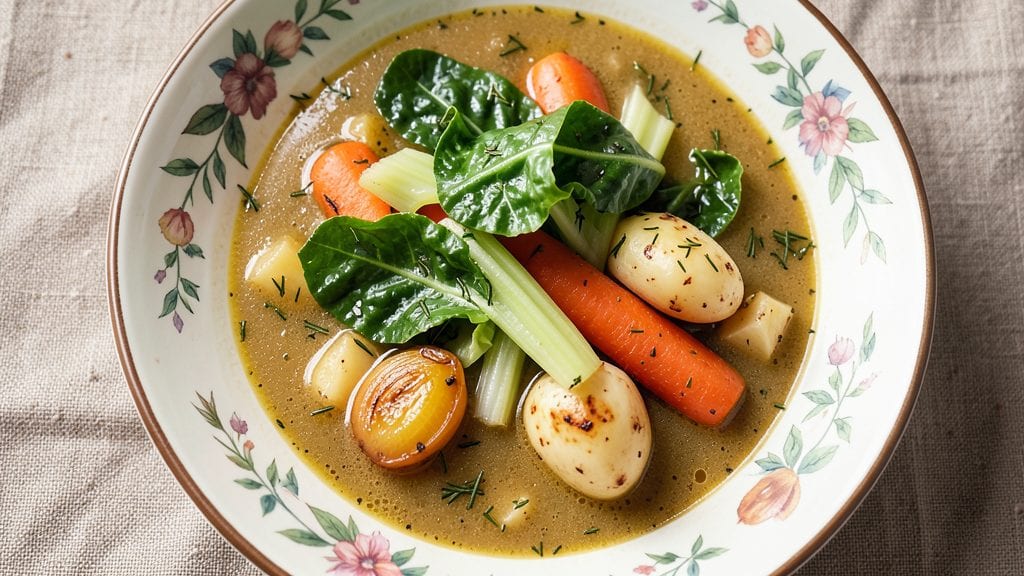
This veggie soup with cabbage recipe delivers hearty, comforting warmth that transforms simple vegetables into a restaurant-quality bowl. 🌟 The secret lies in slow simmering—where cabbage softens into tender layers while carrots caramelize and potatoes absorb the savory broth.
I developed this after years of testing soups that either tasted bland or fell apart when reheated.
The beauty of this recipe is its versatility—use vegetable broth for a vegan version or add a splash of cream for richness. With 15 minutes of prep and 45 minutes of simmering, you’ll have a steaming pot of soup that’s perfect for chilly evenings.
The cabbage adds a satisfying crunch, while herbs like thyme and bay leaves deepen the flavor without overpowering.
What you’ll end up with is a golden, aromatic soup that’s packed with vegetables but never heavy. Each spoonful delivers tender cabbage, sweet carrots, and creamy potatoes—all swimming in a broth that’s rich yet light.
This is the kind of soup that disappears quickly, leaving everyone asking for seconds. Let’s get started!
Bonus: The leftovers taste even better the next day, making this an ideal meal-prep solution. Garnish with fresh parsley or a drizzle of olive oil for extra brightness. Here’s how to make it perfectly every time.
Ingredients for veggie soup with cabbage
Simple vegetables, bold flavors—this soup turns pantry staples into restaurant-quality comfort.
| Ingredient | Amount | Notes |
|---|---|---|
| Vegetable Broth 💧 | 6 cups | Low-sodium preferred, homemade or store-bought |
| Green Cabbage 🥬 | 1 small head | Core removed, cut into wedges |
| Carrots 🥕 | 3 medium | Peeled, sliced into 1/4-inch rounds |
| Russet Potatoes 🥔 | 2 medium | Peeled, cut into 1-inch cubes |
| Yellow Onion 🧅 | 1 whole | Diced, about 1 cup |
| Celery Stalks 🧅 | 3 whole | Diced, about 1 cup |
| Garlic Cloves 🧄 | 4 cloves | Minced, for depth of flavor |
| Fresh Thyme 🌿 | 2 sprigs | Or 1 tsp dried thyme if fresh unavailable |
| Bay Leaves 🌿 | 2 whole | Remove before serving |
| Canned Crushed Tomatoes 🍅 | 1 14.5-oz can | San Marzano preferred for sweetness |
| Extra-Virgin Olive Oil 🫒 | 2 tbsp | For sautéing vegetables |
| Salt 🧂 | 1 ½ tsp | Diamond Crystal kosher salt |
| Black Pepper 🌶️ | ½ tsp | Freshly ground for best flavor |
| Heavy Cream 🥛 | ¼ cup | Optional, for richness (omit for vegan) |
| Fresh Parsley 🌿 | ¼ cup | Chopped, for garnish |
The cabbage is the star here, so grab a firm, compact head—the smaller ones cook more evenly. Trader Joe's or Whole Foods usually carry the freshest, but any grocery store’s produce section works. Carrots and celery should be vibrant orange and crisp—no rubbery stems. For the broth, homemade is ideal, but Pacific Foods or Imagine low-sodium versions save time. The potatoes? Russets are best—they hold up better to long simmering. Skip the pre-cut bags; chopping yourself ensures even cooking.
No fresh thyme? Dried works at half the amount, but the flavor won’t be the same. Short on cabbage? Substitute Brussels sprouts or kale—just reduce cooking time by 10 minutes. The crushed tomatoes add depth, but San Marzano cans are worth the splurge for their sweetness. No heavy cream? Coconut milk or extra broth keeps it rich. The soup reheats beautifully—better the next day once flavors meld. For extra umami, add a 1 tsp of soy sauce or miso paste when serving.
This soup keeps for 5 days in the fridge, but the flavor peaks after 2 days of resting. Freeze portions in airtight containers for 3 months—just thaw overnight in the fridge. I always double the batch: one for dinner, one for lunches. Garnish with fresh parsley or a drizzle of extra-virgin olive oil before serving. The cabbage stays slightly crisp, so don’t overcook it—8-10 minutes max at the end of simmering.
Why You'll Love This Recipe
- 20-Minute Start: I swear, the hardest part is peeling the carrots—and even that’s optional. Toss everything raw into a pot with broth, bring to a boil, then let it simmer while you fold laundry. No chopping skills? Just tear the cabbage and slice the onion roughly. It’s that forgiving.
- Creamy-Crisp Magic: That caramelized onion base? Chef’s kiss. The potatoes melt into fluffy chunks while the cabbage stays just crisp enough to bite into—no mushy nonsense. Add a splash of lemon at the end, and suddenly it’s fancy without trying.
- Lunchbox Hero: Between us, this soup is my go-to for packed lunches. The potatoes stay warm for hours, the cabbage holds its shape, and it’s still delicious cold the next day. (Yes, even on a Tuesday night.) Just reheat and grab—no sad desk salads here.
- Pantry Staple: Honestly, I make this when I forget to grocery shop. Onions, carrots, potatoes, cabbage—all things that last forever—and the broth? Homemade or store-bought, no judgment. A single pot feeds four, and leftovers taste just as good the third day. Budget win, no question.
Step-by-step instructions for hearty cabbage and vegetable soup
This one-pot wonder delivers restaurant-quality depth with minimal effort.
🍳 Step 1: Sauté the Vegetable Base
Heat the 2 tbsp extra-virgin olive oil in a large Dutch oven over medium heat. Add the 1 whole yellow onion, 3 whole celery stalks, and 3 medium carrots (all diced). Sauté for 5-6 minutes until the vegetables soften and the onion becomes translucent.
Here's the thing—don't rush this step. You want the vegetables to develop that sweet, caramelized flavor before adding liquids. Add the 4 cloves minced garlic and 2 sprigs fresh thyme (leaves only), cooking for another 30 seconds until fragrant. The garlic should just begin to color—don't let it burn.
🥘 Step 2: Build the Soup Foundation
Add the 1 small head green cabbage (wedges), 2 medium russet potatoes (cubed), and 1 14.5-oz can crushed tomatoes. Stir everything together and cook for 2 minutes to let the tomatoes blend with the vegetables.
Pour in the 6 cups vegetable broth and bring to a gentle boil. Reduce heat to low-medium and add the 2 whole bay leaves and 1.5 tsp salt. Here's where it gets good—partially cover the pot and let it simmer for 25-30 minutes until the potatoes are fork-tender and the cabbage is wilted but still vibrant.
🔥 Step 3: Season and Finish
After the initial simmer, taste and adjust seasoning with 0.5 tsp black pepper. Add the 0.25 cup heavy cream (if using) and stir gently. The cream should blend smoothly into the soup, adding richness without overpowering the vegetable flavors. Simmer uncovered for another 5 minutes to let the flavors meld.
Remove the 2 bay leaves before serving. Here's the final touch: stir in the 0.25 cup chopped fresh parsley right before serving. This adds freshness and a pop of color that makes the soup look as good as it tastes.
⏰ Step 4: Rest and Serve
Let the soup sit off heat for 5 minutes before serving. This resting period allows the flavors to fully develop and the cream to emulsify properly. The soup should be thick enough to coat the back of a spoon but still have a pleasant mouthfeel.
Ladle into bowls and serve immediately. The cabbage should be tender but still hold its shape, the carrots should be soft with a hint of bite, and the broth should be rich and flavorful. Pair with crusty bread to soak up every last drop of that creamy goodness.
Pro Tips For Making Veggie Soup With Cabbage
- CHAR THE ONION FIRST: I used to toss chopped onion into the pot and forget about it—big mistake. Sear the onion in a dry pot with a splash of broth for 5 minutes until it’s golden and caramelized. That deep flavor carries through the whole soup, especially when paired with cabbage’s sharpness.
- CUT CABBAGE SMALLER THAN YOU THINK: Big chunks of cabbage turn mushy and watery. Shred it into ½-inch pieces—think rice-sized, not salad-sized. Smaller pieces cook evenly without turning to sludge, and they’ll melt into the broth instead of sitting like rocks.
- ADD POTATOES LAST: Potatoes take forever to soften, and if you add them early, they’ll turn to glue. Toss them in 10 minutes before the cabbage finishes, so they absorb flavor but stay tender—not falling-apart mushy. (Yes, even if you’re impatient like me.)
- SALT THE BROTH BEFORE VEGETABLES: I learned this the hard way—adding salt late means the broth stays bland. Season the broth before adding anything else, then taste again after 15 minutes. The cabbage and carrots will soak up the flavor better, and you won’t end up playing catch-up with seasoning.
Common mistakes when making this recipe
Overcooking Cabbage
Cabbage is the star of this soup, but it’s also the most delicate ingredient. Once it turns mushy, there’s no bringing it back. I’ve ruined more soups than I’d like to admit by letting the cabbage simmer too long—8-10 minutes max after adding the broth.
Use a timer! The outer wedges soften first, so check them with a fork before the potatoes are fully tender. If the cabbage is still crisp with a slight bite, you’ve nailed it. 🥬
Skipping the Sauté
Rushing through the sauté step is a classic mistake that makes the soup taste flat. Those 5-6 minutes of caramelizing the onion, celery, and carrots build the soup’s flavor foundation. I learned this the hard way when I tried to speed things up—my soup lacked depth.
Use medium heat and let the vegetables soften and develop color. The garlic should just barely start to brown—no burning! 🍳
Ignoring the Resting Time
Letting the soup rest off heat for 5 minutes before serving might feel like a waste of time, but it’s crucial. This short pause allows the flavors to meld and the cream (if using) to emulsify properly.
I once served soup immediately after cooking and ended up with a watery, separated mess. The resting time also lets the cabbage firm up slightly, giving it that perfect tender-crisp texture. Patience pays off here! ⏳
Using High Heat
Simmering on high heat might get your soup ready faster, but it’ll also make the broth cloudy and the vegetables mushy. Keep the heat at low-medium to maintain a gentle simmer. I use a 6-quart Dutch oven because it distributes heat evenly, but any heavy pot works.
If you see bubbles vigorously breaking the surface, you’re boiling—reduce the heat immediately. A steady, quiet simmer is your goal. 🔥
Over-Salting Early
Adding all the salt at once can make your soup taste bland later, especially if you’re using low-sodium broth. Instead, add 1 tsp salt with the broth and taste again after 20 minutes of simmering.
Adjust with another ½ tsp if needed. I’ve learned to taste as I go—this soup should be seasoned like a restaurant dish, not a bland school lunch. 🧂
Forgetting the Bay Leaves
Bay leaves might seem like an afterthought, but they add subtle earthy depth that’s easy to overlook. Remove them before serving, but don’t skip them entirely! I once made this soup without them and noticed the flavor lacked complexity.
Use 2 whole bay leaves for a large pot, and always remove them before serving—nobody wants a leaf in their soup! 🌿
Nutrition facts
Frequently asked questions
Can I make this veggie soup without cream?
For a vegan version, simply omit the heavy cream and replace it with ¼ cup coconut milk or an extra ½ cup vegetable broth. The soup will still be flavorful and satisfying. The cream adds richness, but this soup works beautifully without it.
How do I store leftovers?
Store leftovers in an airtight container in the refrigerator for up to 5 days. The flavors actually improve after 2 days of resting. For freezing, portion into containers and freeze for up to 3 months. Thaw overnight in the fridge before reheating. Never microwave directly from frozen.
What if I don't have fresh thyme?
No problem! Use ½ teaspoon dried thyme instead, but remember it's more concentrated. For extra depth, add ½ teaspoon dried oregano or a pinch of smoked paprika. Fresh herbs make the biggest flavor difference, but dried works in a pinch.
Can I add other vegetables?
Yes! Try adding ½ cup diced zucchini or 1 cup chopped kale (add with cabbage). For heartier soup, include ½ cup chopped mushrooms or ½ cup corn kernels. Just adjust cooking time by 5-10 minutes for denser vegetables. The cabbage remains the star, but these additions work beautifully.
Why does my soup look watery?
This usually happens from over-simmering or using too much broth. Reduce the broth to 5 cups next time, or let the soup simmer uncovered for 10-15 minutes to thicken naturally. If it's still too thin, mash a few potato cubes with a fork to thicken the broth. The perfect consistency should coat the back of a spoon.