
Soups & Stews
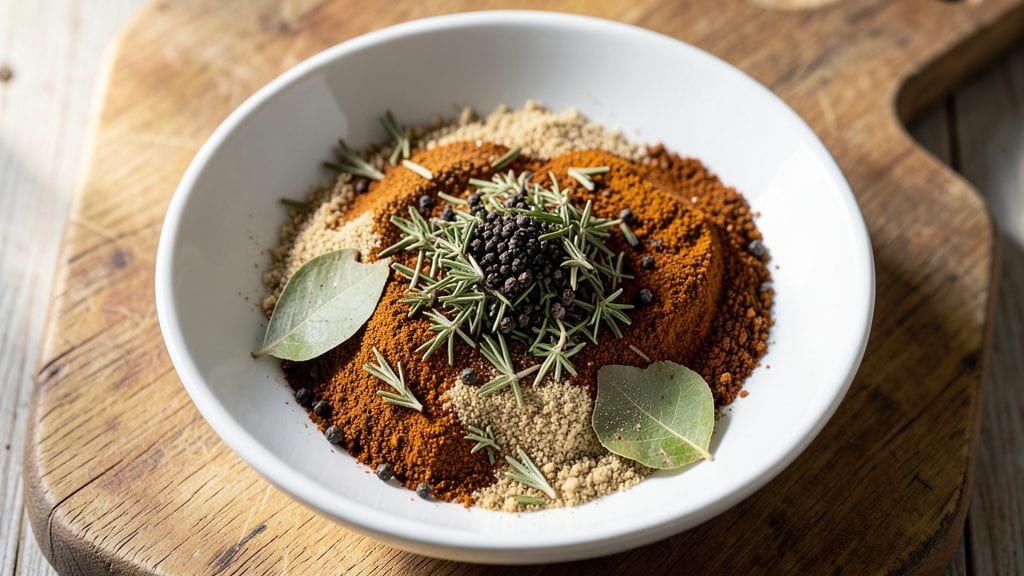
Transforming ordinary vegetable broth into something deeply flavorful doesn’t require fancy ingredients—just this vegetable soup seasoning recipe made from simple pantry staples. The blend combines earthy, aromatic spices that build umami and depth, turning every pot of soup into a restaurant-quality experience.
I developed this mix after realizing how much difference a well-seasoned broth makes, especially when working with basic vegetables.
This dry spice blend requires just six ingredients, all of which you likely already have on hand. The combination of thyme, bay leaf, and smoked paprika creates a warm, slightly smoky backbone, while garlic powder and onion powder add savory layers.
A pinch of black pepper rounds out the flavors, ensuring every spoonful of broth is rich and satisfying. The beauty of this mix is its versatility—it works with any vegetable combination and enhances store-bought or homemade broths equally.
What makes this seasoning truly special is how it transforms the texture and flavor of your soup. When added to simmering broth, the spices dissolve gradually, infusing the liquid with complex aromatics that make even the simplest vegetables taste extraordinary.
The result is a broth that’s deeply flavorful, with a subtle warmth that lingers on the palate. This blend is perfect for meal prep, bulk cooking, or keeping on hand for spontaneous soup nights.
Store the seasoning in an airtight container for up to six months, making it a convenient way to elevate any vegetable soup. Whether you’re cooking for one or feeding a crowd, this mix ensures every bowl is packed with umami and depth.
Ready to take your soups to the next level? Here’s how to make it.
Ingredients for vegetable soup seasoning
Six pantry staples transform basic broth into restaurant-worthy vegetable soup.
| Ingredient | Amount | Notes |
|---|---|---|
| Dried Thyme Leaves 🌿 | 1 ½ tbsp | Fresh thyme at half the amount |
| Smoked Paprika 🌶️ | 1 ½ tbsp | Spanish smoked preferred |
| Garlic Powder 🧄 | 1 tbsp | Freshly ground preferred |
| Onion Powder 🧅 | 1 tbsp | Diamond Crystal kosher preferred |
| Bay Leaves 🍃 | 1 whole | Crushed for faster infusion |
| Freshly Ground Black Pepper 🌶️ | ½ tsp | Coarsely ground for texture |
The thyme and bay leaves are the heart of this blend—look for organic dried thyme in the bulk section at Whole Foods or Trader Joe's for maximum potency. Smoked paprika should have a deep, rich color (think Spanish smoked like Pimentón de la Vera), not dull or grayish. The powders matter too: Diamond Crystal kosher salt in your onion powder ensures even distribution. I crush the bay leaves with the side of my knife before adding to the mix—this releases their essential oils faster when cooking. If you're using fresh thyme, halve the amount and dry it thoroughly first.
No smoked paprika? Regular paprika plus a pinch of liquid smoke gets you close, though it's not identical. Running out of bay leaves? Dried marjoram at half the amount works in a pinch, though it won't have the same depth. For the powders, store-bought blends are fine, but freshly ground garlic and onion powders make a noticeable difference. Want more heat? Add ½ tsp cayenne to the mix. The pepper should be freshly ground—pre-ground loses its punch within weeks. Store all spices in dark glass jars away from light and heat for maximum freshness.
This blend keeps for up to 6 months in an airtight container, but I find it's most flavorful within the first 3 months. For best results, make a double batch—one for immediate use, one to store. The crushed bay leaves will settle, so give the jar a quick shake before each use. I portion mine into small jars for meal prep, labeling each with the date. Freeze extras in ice cube trays if you're prepping for a crowd—just pop out what you need as you cook.
Why You'll Love This Recipe
- Pantry Magic: I swear by this mix—no fresh herbs needed, just dried thyme and smoked paprika that turn any sad veggies into something ridiculously good. The bay leaves add depth without effort, and I keep a jar stocked year-round.
- Deep Umami Boom: That garlic powder and onion powder combo? It’s the secret weapon. One pinch makes your soup taste like it simmered for hours, even if you’re throwing it together in 15 minutes. Honestly, my husband asks for seconds just from the aroma.
- Soup for Every Day: Use it for weeknight dinners, potlucks, or even to revive frozen veggies. I’ve tossed it into lentil stews, roasted veggie bowls, and even mashed potatoes—works everywhere, and I never overthink it.
- Budget-Friendly Staple: A little goes a long way, and dried spices last forever. I buy in bulk, split it with my neighbor, and still have jars full years later. Between us, this is how I feed a family of four for under $10 a week.
Step-by-step instructions for vegetable soup seasoning
Transform ordinary broth into restaurant-quality vegetable soup with this simple, flavor-packed blend.
Measure and Combine Dry Ingredients
Start by gathering all your dry ingredients on a clean work surface. I like to use a small mixing bowl for this—it keeps everything contained and makes blending easier. Measure out the 1.5 tablespoons of dried thyme leaves first. Give them a quick sniff to confirm their aroma is fresh and herbal; if they smell musty, it's time to replace them. Next, add the 1.5 tablespoons of smoked paprika—this is where the depth of flavor begins. The Spanish smoked variety adds a subtle, smoky complexity that elevates any broth.
Add the 1 tablespoon of garlic powder and 1 tablespoon of onion powder to the bowl. I prefer freshly ground garlic and onion powders because they retain more volatile oils and flavors. If you're using pre-ground spices, check the date—older powders lose potency quickly. The onion powder should be Diamond Crystal kosher for the best balance of sweetness and savory depth. Finally, add the 0.5 teaspoon of freshly ground black pepper—coarsely ground for texture contrast in every spoonful of soup.
Crush the Bay Leaf for Maximum Flavor
Take the 1 whole bay leaf and place it between two sheets of parchment paper or plastic wrap. Using a rolling pin or the bottom of a small saucepan, gently crush the bay leaf until it's broken into 3-4 pieces. This step is crucial—crushing releases the essential oils trapped in the leaf's structure, allowing them to infuse more thoroughly into your soup. The aroma should become noticeably stronger as you crush it. If you're short on time, you can tear it by hand, but crushing ensures better flavor extraction.
Add the crushed bay leaf pieces to your mixing bowl. The bay leaf's earthy, slightly floral notes will harmonize beautifully with the other spices, creating a well-rounded flavor profile. Here's where it gets interesting: the bay leaf will soften and release its oils during cooking, so you don't need to worry about overpowering your soup—just the right amount of complexity.
Whisk Until Evenly Distributed
Using a small whisk or fork, gently combine all the ingredients in the bowl. The goal here is to distribute the spices evenly without creating a paste—you want each tablespoon of this blend to deliver consistent flavor. Work in small circles at the bottom of the bowl, then gradually expand your motions to incorporate all the ingredients. You should see the darker spices like the smoked paprika and thyme leaves dispersed throughout the lighter onion and garlic powders.
Take a moment to appreciate the visual contrast—the deep red of the smoked paprika against the pale yellow of the onion powder, the green flecks of thyme, and the dark fragments of crushed bay leaf. This blend isn't just about flavor; it's about creating visual appeal in your soup too. Once everything is thoroughly mixed, transfer the seasoning to an airtight container. The spices will keep their potency for up to 6 months when stored properly in a cool, dark place.
Use for Maximum Umami Impact
When you're ready to use your seasoning, add 1 tablespoon of the blend per quart of broth during the final 10 minutes of simmering. The heat will activate all the aromatic compounds, releasing their full potential. I recommend adding it to hot broth rather than cold—this prevents the spices from clumping and ensures even distribution. Stir gently to incorporate, then let the soup continue simmering until you reach your desired consistency.
Here's a pro tip: if you're using this seasoning with fresh vegetables, add the spices to the pot 5 minutes before the vegetables reach their ideal doneness. This timing allows the flavors to meld perfectly without overpowering the natural sweetness of the vegetables. The result? A vegetable soup with layers of flavor—earthy, smoky, with just the right amount of herbal brightness that makes every spoonful irresistible.
Pro Tips For Making Vegetable Soup Seasoning
- Toast the Spices: Heat your smoked paprika and spices in a dry pan for 30 seconds—just until fragrant. I used to skip this, but now I notice the depth it adds. The garlic and onion powders won’t burn, but the thyme and paprika wake up instantly.
- Crush the Bay Leaves: Lightly bruise the bay leaves with the flat of a knife before adding them. This releases their oils faster and guarantees flavor penetration. I learned this the hard way after straining a soup with whole leaves that tasted like nothing.
- Bloom the Thyme First: Add the dried thyme leaves to the hot broth or oil before the powders. The heat will soften them slightly, preventing a gritty texture. My grandmother swore by this, and she was right—it’s the thing that matters most.
- Mix the Powders Together: Combine garlic powder, onion powder, and smoked paprika in a small bowl before adding them to the soup. This ensures even distribution and saves you from hunting for missing spices mid-stir. Sounds weird, but it works—every time.
Wine and beer pairings for vegetable soup seasoning
Crisp White Wine
A dry, Sauvignon Blanc with bright acidity and citrus notes is my go-to pairing for this seasoning blend. The crisp, mineral-driven profile of a New Zealand Sauvignon Blanc (like Oyster Bay) cuts through the smoky depth of the paprika while complementing the herbal thyme.
Serve slightly chilled—around 45-50°F—to enhance its refreshing contrast against the warm spices. This wine’s zesty finish cleanses your palate between spoonfuls, making every bite feel fresh. 🍷
Light Beer Options
For beer lovers, a German Helles Lager (like Weihenstephaner Original) or a Belgian Saison (such as Cantillon Saison Bruocsella) works beautifully. The Helles’ subtle malt sweetness balances the seasoning’s earthiness, while the Saison’s peppery, fruity notes echo the thyme and smoked paprika.
Avoid heavy stouts or IPAs—they’ll overpower the delicate broth flavors. Serve the beer at 40-45°F to highlight its crispness. 🍺
Smoky Red Wine
If you prefer red, a Pinot Noir with smoky undertones (like Oregon’s Domaine Serene) pairs surprisingly well. The wine’s red fruit and subtle earthiness mirror the seasoning’s thyme and bay leaf, while its light tannins won’t clash with the broth.
Look for a California Pinot Noir with notes of mushroom or dried herbs—these complement the seasoning’s depth. Serve at 60-64°F to let its aromatics shine. 🍷
Herbal Infusions
For a non-alcoholic twist, try an hibiscus-rosemary iced tea or a ginger-mint infusion. The hibiscus adds a tart brightness that cuts through the smokiness, while rosemary enhances the thyme’s herbal notes.
Brew a strong batch, chill, and serve over ice with a squeeze of lemon. This pairing is perfect for warm days when you want to keep things refreshing. 🌿
Seasonal Adaptations
In winter, a spiced Riesling (like Dr. Loosen Blue Slate) adds warmth with its honeyed notes, while a winter ale (such as Samuel Smith’s Nut Brown) brings malty depth.
For summer, switch to a dry Riesling or a wheat beer (like Blue Moon)—their crispness keeps the soup’s flavors light and vibrant. Adjust based on the season’s natural flavors. ✨
Nutrition facts
Frequently asked questions
Can I use this seasoning for other types of soups besides vegetable?
This blend works beautifully in minestrone, lentil soup, or even tomato-based soups. The thyme and bay leaf add depth to hearty soups, while the smoked paprika enhances bean or grain dishes. For chicken noodle soup, reduce the paprika to 1 teaspoon to avoid overpowering the broth.
How do I adjust the seasoning if I'm making a large batch of soup?
For every 4 quarts of broth, use 2 tablespoons of the seasoning blend. Start with the full amount, taste, then adjust—you can always add more, but you can't remove it easily. For 8 quarts or more, divide the seasoning between two batches to ensure even distribution. Always stir well before adding to hot broth.
What's the best way to store the seasoning blend?
Keep it in an airtight glass jar (like a mason jar) in a cool, dark pantry for up to 6 months. Avoid plastic containers—glass preserves flavor better. For long-term storage, freeze portions in ice cube trays (each cube = 1 teaspoon) for up to 1 year. Label with the date!
Can I make this seasoning without smoked paprika?
Yes! Replace it with ½ teaspoon liquid smoke + 1 tablespoon regular paprika for a similar smoky effect. For a sweeter profile, use 1 teaspoon cinnamon + 1 teaspoon cumin. The blend will still work—just the flavor character will shift slightly. Taste and adjust as needed.
Why does my soup taste bland even after adding the seasoning?
Common causes: adding spices too early (wait until the final 10 minutes of cooking), using old spices (replace if over 6 months old1 teaspoon soy sauce or ½ teaspoon miso paste per quart. Also check if your broth needs more aromatic vegetables like onions or carrots.