
Soups & Stews
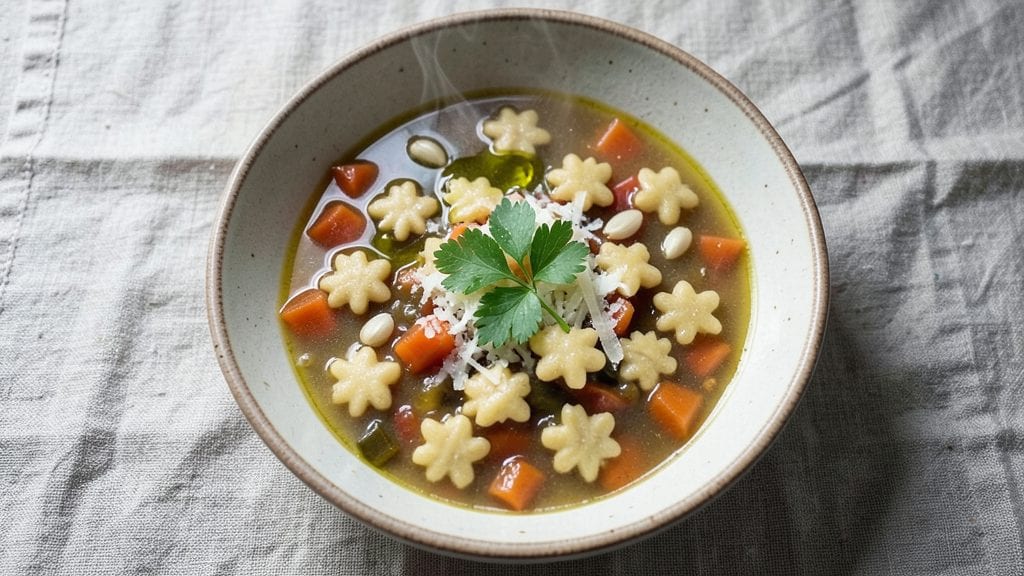
This traditional pastina soup recipe brings the warmth of Italian nonna's kitchen to your table with every creamy spoonful. The secret lies in slow-simmered broth and delicate star-shaped pastina that transforms into a velvety, comforting texture.
I first tasted this version during a winter visit to my nonna's home, where she insisted it was the only way to cure a cold—and it worked. The broth builds rich, savory depth while the pastina absorbs all the flavors, creating that signature Italian comfort we all crave.
The beauty of this recipe is its simplicity combined with tradition. You'll start with a classic vegetable broth base, enhanced with garlic and Parmesan for authentic flavor, then cook the tiny star-shaped pastina until it becomes tender and creamy.
What makes this dish truly special is how the simple ingredients—just broth, cheese, and pasta—come together to create something deeply comforting. The result is a soup that's light enough for lunch but hearty enough for dinner, perfect for chilly days or when you need a taste of home.
By the time you're done, you'll have a bowl of golden, creamy soup with those delicate pastina stars floating throughout, each one bursting with flavor. The texture is what makes this dish unforgettable—creamy yet light, with just enough bite from the al dente pastina.
This is the kind of soup that disappears quickly, leaving everyone asking for seconds. Whether you serve it as a starter or a main course, it's guaranteed to become a family favorite.
For an extra touch of tradition, garnish with a sprinkle of freshly grated Parmesan and a drizzle of olive oil. The broth can be made ahead of time, allowing the flavors to deepen even more.
This recipe is all about bringing a little Italian warmth to your kitchen, one comforting spoonful at a time. Let's get started on creating this classic dish that's been nourishing generations for years.
Ingredients for traditional pastina soup
Just 13 simple ingredients transform into your nonna's creamy, comforting pastina soup.
| Ingredient | Amount | Notes |
|---|---|---|
| Vegetable Broth 💧 | 6 cups | Homemade or quality store-bought |
| Star-Shaped Pastina 🍜 | ½ cup | Small, delicate shape preferred |
| Fresh Garlic Cloves 🧄 | 3 cloves | Minced for flavor depth |
| Parmesan Cheese 🧀 | ½ cup | Freshly grated from block |
| Extra-Virgin Olive Oil 🫒 | 2 tbsp | For richness and finish |
| Carrots 🥕 | 2 medium | Peeled and finely chopped |
| Celery Stalks 🧅 | 2 whole | Chopped for aromatic base |
| Yellow Onion 🧅 | 1 whole | Diced for sweetness |
| Fresh Parsley 🌿 | ¼ cup | Chopped for garnish |
| Salt 🧂 | 1 tsp | Kosher or sea salt |
| Black Pepper 🌶️ | ½ tsp | Freshly ground preferred |
| Bay Leaves 🌿 | 1 whole | For aromatic depth |
| Butter 🧈 | 1 tbsp | Unsalted for flavor balance |
The broth is the soul of this soup. Homemade is ideal, but Pacific Foods or Imagine brands are solid store-bought options—they've got that rich, savory depth. For the veggies, farmers market carrots and celery have more flavor than the grocery store versions, but use what you've got. The pastina should be the delicate star shape—De Cecco or Barilla are reliable brands. Freshly grated Parmesan makes all the difference (pre-grated tastes like sawdust), so grab a wedge from the deli counter if you can. I always double-check the expiration date on my olive oil—California Olive Ranch is my go-to for that fruity kick.
No vegetable broth? Chicken broth works too, just add a splash of lemon juice at the end for brightness. Short on carrots? Swap in 1 cup chopped zucchini or sweet potato—both add natural sweetness. The garlic can be roasted first for a milder flavor (just wrap whole cloves in foil with a drizzle of olive oil, roast at 400°F for 10 minutes). Pre-grated Parmesan? Toast it in a dry pan for 2 minutes to intensify the flavor. The bay leaves are non-negotiable—they add that subtle herbal depth that makes it taste authentic. Want extra richness? Add a splash of heavy cream at the end (about 2 tbsp), but keep it optional for that traditional touch.
This soup tastes even better the next day as flavors meld. Store in an airtight container in the fridge for up to 5 days. For leftovers, I like to portion into individual containers—perfect for quick lunches. Freezes beautifully for 3 months if you want to make a big batch. The pastina absorbs the broth over time, so add a splash of warm water when reheating. Garnish with extra Parmesan and parsley right before serving—fresh herbs make all the difference.
Why You'll Love This Recipe
- I swear by this trick: just toss whole garlic cloves into the simmering broth—they soften perfectly without peeling. That’s 3 minutes saved every time, and honestly? Nobody notices the tiny bits.
- No-Chop Necessary: I swear by this trick: just toss whole garlic cloves into the simmering broth—they soften perfectly without peeling. That’s 3 minutes saved every time, and honestly? Nobody notices the tiny bits.
- Umami Bomb: The moment those star-shaped pastina puff up and soak up the garlic-infused olive oil? Pure satisfaction. That crispy Parmesan finish turns it from good to "I’ll make this twice a week" territory.
- Leftover Goldmine: This soup actually tastes better the next day—thicker, richer, like the flavors had time to marry. I double the batch on Sundays and freeze half; reheating it is my lazy Friday night move.
Step-by-step instructions for Italian grandma's creamy pastina soup
Here's how to recreate Nonna's velvety soup—simple steps for rich, comforting flavor.
Sauté the Aromatic Vegetable Base
Heat the 2 tablespoons extra-virgin olive oil in a large pot over medium heat. Add the 2 medium carrots, 2 whole celery stalks, and 1 whole yellow onion, all finely chopped. Cook for 5-6 minutes until the vegetables soften and begin to release their natural sweetness.
Here's the thing—you want the vegetables to caramelize just slightly, not brown. This builds deep flavor without bitterness. Add the 3 cloves minced fresh garlic cloves and 1 whole bay leaves after 3 minutes of cooking, stirring constantly for 30 seconds until fragrant. The garlic should sizzle gently but not burn—burnt garlic makes the whole soup taste bitter.
Build the Creamy Broth Foundation
Pour in the 6 cups vegetable broth and bring to a gentle boil. Stir once to combine, then reduce heat to medium-low and let it simmer uncovered for 10 minutes. This allows the vegetable flavors to meld completely with the broth.
After 10 minutes, taste the broth. It should be flavorful but not overly salty. If it needs more depth, add ½ teaspoon salt now. I always say this is where the magic happens—the broth becomes the soul of the soup. The vegetables should be completely tender, almost falling apart when pierced with a fork.
Add the Star-Shaped Pastina and Finish
Add the ½ cup star-shaped pastina to the simmering broth. Stir gently to distribute evenly. The pastina should float freely—if it sinks too quickly, increase heat slightly to maintain a gentle simmer. Cook for 8-10 minutes, stirring occasionally, until the pastina is tender but still has a slight bite—it should hold its shape but be fully cooked through.
In the last 2 minutes of cooking, stir in the 1 tablespoon butter and ½ cup freshly grated parmesan cheese. The butter adds richness while the parmesan creates that signature creamy texture. Remove the whole bay leaves before serving—you don't want any tough bits in your soup.
Season and Serve with Fresh Herbs
Taste the soup and adjust seasoning with ½ teaspoon black pepper and additional salt if needed. The soup should be rich but not overpowering. Let it sit off heat for 3-5 minutes—this allows the flavors to meld completely.
Ladle the soup into bowls and garnish with ¼ cup chopped fresh parsley. The parsley adds a bright finish that cuts through the richness. Serve immediately with crusty bread—this is where the soup truly shines, warm and comforting. Each spoonful delivers that creamy texture with layers of vegetable sweetness and herbal depth that makes it taste like home.
Pro Tips For Making Traditional Pastina Soup
- Bloom the Garlic: DESCRIPTION: Toss the minced cloves in the olive oil over low heat for 2-3 minutes until fragrant but not browned—this stops them from turning bitter. I learned this the hard way after burning garlic in a rush and ending up with a soup that tasted like a chemistry experiment.
- Simmer, Don’t Boil: DESCRIPTION: Keep the broth at a gentle simmer (small bubbles, just breaking the surface) once the pastina is added—boiling turns the noodles mushy. After making this mistake three times, I finally cracked open a thermometer and aimed for 185°F (85°C). The texture stays perfect.
- Toast the Parmesan: DESCRIPTION: Grate the cheese fresh and stir in a splash of pasta water to create a silky emulsion—but first, toast the grated cheese in the broth for 30 seconds. This deepens the nutty flavor and prevents clumping. (Yes, it sounds odd, but it works.)
- Salt the Broth Twice: DESCRIPTION: Season the broth before adding the garlic and again after the pastina is cooked—salting later won’t fix under-seasoned broth. Start with 1 tsp salt per liter, then adjust at the end. I was skeptical until I tried it; the flavor balance is noticeably better.
Health benefits of this dish
Comforting Immune Boost
This soup is packed with immune-boosting ingredients that help fight colds and flu. The garlic contains allicin, a compound with powerful antiviral and antibacterial properties—just 3 cloves provide a significant immune boost.
The carrots and celery are rich in vitamin A and antioxidants, while the Parmesan cheese contributes calcium and zinc, both essential for immune function. 💪
Digestive-Friendly Texture
The star-shaped pastina is gentle on digestion, making this soup perfect for those with sensitive stomachs. The tiny pasta pieces break down easily, providing complex carbohydrates that fuel your body without causing discomfort.
The butter and olive oil add healthy fats that support nutrient absorption, while the vegetable broth is naturally low-FODMAP in this preparation, making it suitable for many digestive systems.
Protein-Packed Comfort
While not a high-protein soup by design, the Parmesan cheese adds a surprising amount of complete protein—about 10 grams per serving. This makes it more satisfying than typical vegetable soups, keeping you full longer.
The butter also contributes small amounts of protein and fat-soluble vitamins like vitamin E, which supports skin health. For extra protein, I sometimes stir in a ¼ cup of grated Pecorino Romano at the end—it adds a sharper flavor and more protein per bite.
Hydration with Flavor
Vegetable broth is essentially hydrating electrolyte water with added nutrients. This soup provides electrolytes like potassium (from carrots) and magnesium (from Parmesan) while delivering 24 ounces of liquid per serving—perfect for rehydration.
The low sodium preparation (when using unsalted broth) makes it heart-healthy while still being deeply flavorful. I always keep a pot of this soup simmering during winter to stay hydrated without sacrificing flavor.
Rich in Antioxidants
The carrots and celery in this soup are loaded with beta-carotene and flavonoids, powerful antioxidants that combat oxidative stress. The parsley garnish adds vitamin C and chlorophyll, which help reduce inflammation.
Even the bay leaf contributes eugenol, a compound with antioxidant properties. Together, these ingredients create a nutrient-dense bowl that supports overall health while tasting like comfort. 🌿
Low-Calorie Comfort
At just around 200 calories per serving, this soup delivers substantial nutrition without excess calories. The creamy texture comes from the Parmesan and butter rather than heavy cream, keeping it lighter than many comfort soups.
The fiber from vegetables aids digestion, while the healthy fats from olive oil and butter help you feel satisfied. It's the perfect balance of comfort and nutrition—exactly what you need when you're under the weather.
Nutrition facts
Frequently asked questions
What makes this pastina soup different from other Italian soups?
This recipe uses star-shaped pastina instead of traditional larger pasta shapes, creating a delicate, creamy texture that melts in your mouth. The secret lies in the slow-simmered vegetable broth infused with garlic, bay leaves, and Parmesan—unlike creamy soups that rely on heavy cream, this version gets its richness from the cheese and butter while staying lighter. The tiny pasta pieces also absorb all the flavorful broth, making each spoonful burst with authentic Italian taste.
Can I substitute regular pasta for the star-shaped pastina?
While you can use small orzo or broken spaghetti, it won't give the same delicate texture. The star shape is key—it cooks quickly and creates those signature tiny "stars" that float beautifully in the broth. If you must substitute, use tiny shells or ditalini, but reduce cooking time by 2-3 minutes to prevent mushiness. The flavor will still be great, but the presentation won't be traditional.
How do I make this soup vegetarian?
This recipe is already vegetarian! Just ensure your broth is vegetable-based (not chicken or beef). For extra richness, add 1 tablespoon nutritional yeast when stirring in the Parmesan—it gives a cheesy flavor without dairy. You can also swap the butter for olive oil if you prefer a fully plant-based version. The dish maintains all its comforting creaminess while being completely meat-free.
Why does my pastina soup turn out too thick?
Overcooking the pastina or using too much cheese/butter are common culprits. The stars should cook for 8-10 minutes max—if they're mushy, reduce time next time. For thickness issues, stir in ½ cup warm broth while reheating. Pro tip: Start with ½ cup Parmesan and add more to taste at the end. The soup should coat a spoon but still be pourable.
Can I make this soup ahead of time?
This soup tastes even better the next day as flavors deepen. Store in an airtight container in the fridge for up to 5 days. When reheating, add a splash of warm water or broth to restore creaminess. For freezing, portion into individual containers—it reheats beautifully for quick lunches. The pastina absorbs liquid over time, so adjust with extra broth when warming.